US and Canadian citizens don’t need a visa for stays up to 90 days under the CA-4 Agreement (shared with Guatemala, El Salvador, and Nicaragua). Bring a passport with plenty of blank pages and onward/return tickets. Passport validity guidance varies—Honduran/US sources say at least 3 months, while other US guidance lists 6 months—so travel with 6+ months remaining to be safe and double-check before you go. Proof of yellow fever vaccination is required only if you arrive from (or transit through) a risk country. Rules can change, so re-check close to departure.
Discover Tailor-Made Honduras Vacations
Mayan ruins, Caribbean beaches, and lush rainforests in Honduras.
Honduras combines ancient history, tropical wildlife, and island escapes. Travellers can explore Copán’s Mayan ruins, snorkel in Roatán’s reefs, and trek rainforest trails, making it a destination rich in culture and natural beauty.
Featured Highlights
- Explore Copán’s ancient Mayan temples and sculptures
- Snorkel and dive Roatán’s colourful coral reefs
- Hike rainforest trails in Pico Bonito National Park
- Discover colonial towns rich in history and charm
- Relax on sandy beaches of the Bay Islands
- Spot exotic birds and wildlife in diverse ecosystems
What do Goway's travellers say?

“We had a great trip to Costa Rica at…”
We had a great trip to Costa Rica at the beginning of January. Mark did an excellent job of organizing an itinerary that kept all of us happy (2 couples). He was very patient and took into account our individual concerns. I would highly recommend him and Goway Travel. I would not hesitate to use their services again.
Gwen Korchinski“I worked with Osvaldo for a trip to…”
I worked with Osvaldo for a trip to Columbia for my travel clients. He was very efficient, very understanding and addressed any concerns that came up. He is a stand out, fantastic rep at GoWay, and anyone working alongside him is lucky.
Thank you for all your hard work to make this trip one for the books for my clients. I look forward to working with him in the future.
Chantel Ballegeer“Fantastic Vacation! ”
Melissa at Goway was exceptional to work with on our trip to Costa Rica. 🇨🇷
She was professional, easygoing, and detail oriented.
Our vacation was paced well and allowed us to see all the highlights. All transfers and hotels were booked properly and we felt secure with all arrangements. We saw so many animals in such beautiful places. Thank you, Melissa!
Pamela Weinstein“A Very Special 40th Anniversary”
Hello,
We wanted a special trip to Peru to celebrate our 40th wedding anniversary and with the help of Karen from Goway Travel we experienced something incredibly special indeed! Firstly, we had no idea that we could plan a unique personal tour just for the two of us! With Karen's help, we planned out every detail that we wanted included in our itinerary modifying things as we went along. She was very patient and helpful as we moved through the planning process until we were completely satisfied with the trip plans. From the moment we arrived at the airport in Lima, we had a personal guide and driver taking us to our first hotel and reviewing the details of our trip. We had personal guides at every place we went with pickup and return service to our hotel. The most spectacular and memorable moments were in Machu Picchu! Our guide was not only very knowledgeable but also very creative at taking our pictures in such a majestic place and that is something we will keep forever!
The coordination between the different guides and drivers at the different locations was relatively seamless. We always felt safely guided everywhere we went. I highly recommend Goway Travel and will definitely use them in the future!
Mario Dominguez“Costa Rica ”
Our experience was with Walter. He is very professional, knowledgeable, patient, kind and prompt. We wish he could be our driver on all our vacations...Thanks Walter from the Kidd's on our Costa Rica Vacation!!!
Jacquelyn Kidd“Pura Vida”
Our representative "RuthAnn" listen to our wants for this trip and within days developed an itinerary that was truly a great experience. Accommodations were top notch and we had the perfect mix of rain forest and beach adventures. If I could make a suggestion it would be do your research, there were allot of activities CR offers we weren't aware of but would've tried if time allowed. Guess we'll have to plan another trip!
Gary Humphrey“Virginia at Goway did an amazing job…”
Virginia at Goway did an amazing job planning our trip to Panama. Every aspect of the trip was extremely well coordinated. Her suggestions were spot on. It was a wonderful experience.
Andra“They were very responsive and delivered…”
They were very responsive and delivered as promised. Great hotel options.
The Kioro resort was paradise! Gorgeous, low key, unbeatable view and big rooms. Great service.
The drive from Arenal to the beach is a full four hours many curves and mountains. Not great for those who get car sick but Arenal was so beautiful. Just like Hawaii.
The Coast hotel was awesome as well. Very, very low key. No restaurant but a fantastic place right across the street and a 10 min walk to town with TONS of options. The ocean front rooms are the way to go with a big porch for meals and to watch the sunset. Staff was wonderful.
If staying in Tamarindo it is really easy to rent a golf cart to get around and that is what we did.
Many thanks for all your help. It was a great trip!
Jeannie“Galapagos & Machu Picchu”
Truly a trip of a lifetime. Everything was planned perfectly by Amanda from being picked up at the airport to be dropped off at the airport. All the tour were knowledgeable and friendly.
John“South America trip with Goway”
We used Goway for a short trip to South America. It was arranged easily and the details of the trip went well for our family of three. For simple trips we usually book things ourselves and are fine doing that in North America and Europe. When we have gone further, the value in a travel agency is in linking and arranging keys details in a trustworthy manner. In this trip we had a guide in each of two South American locations that were arranged by Goway. This went well and having this set up in advance gave peace of mind during the trip. Choosing the itinerary and hotels was also helped by the suggested items from Goway. We trust with our experience that we'll have a good outcome on trips such as this. The two private guides were helpful and nice to connect with.
Mark FritzTravel Information about Honduras
Get to know Honduras before you go.
Best Time to Visit
Honduras is a country of contrasts, where Caribbean shores, lush highlands, and ancient ruins welcome travellers year-round. With its mix of culture, adventure, and natural beauty, the best time to visit depends on the experience you’re seeking.
The dry season (November to April) is the most popular, especially for those drawn to the Bay Islands of Roatán and Utila. Clear skies and calm seas make this the perfect time for diving into coral reefs, snorkelling, or simply basking in the sun. Inland, the pleasant weather creates ideal conditions for hiking national parks or exploring Mayan history at Copán. April’s Semana Santa (Holy Week) brings vibrant processions and celebrations, particularly in colonial towns like Comayagua.
From May to October, the green season transforms Honduras into a paradise of colour. Rains revive the forests and hillsides, creating breathtaking landscapes for nature lovers and photographers. This season also comes with lower travel costs, making it appealing for budget-conscious explorers. Adventurers can take advantage of the swollen rivers, with the Cangrejal River offering thrilling white-water rafting.
Some attractions shine no matter the month. Birdwatching is rewarding year-round, with Honduras home to both migratory and resident species. Meanwhile, the highland towns, including Copán Ruinas, maintain comfortable temperatures in all seasons, making them a reliable choice for cultural immersion and relaxed exploration.
Whether it’s the sun-drenched beaches of the dry season, the emerald beauty of the rains, or timeless traditions and wildlife, Honduras offers unforgettable experiences in every season.
Places To Go
Handcrafted journeys to our most popular places to visit in Honduras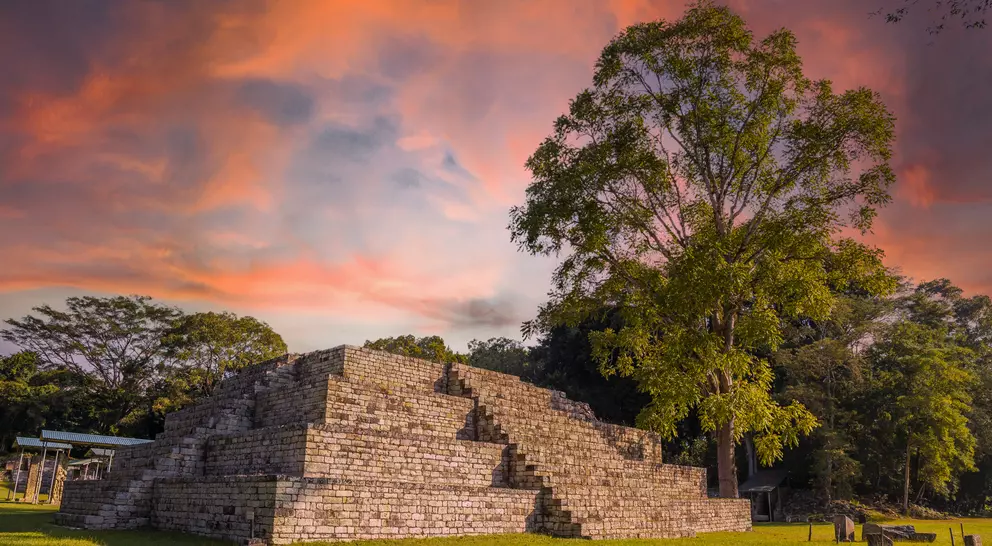
Copan
Located in western Honduras near the border with Guatemala is Copán Ruinas, a small and picturesque...
Located in western Honduras near the border with Guatemala is Copán Ruinas, a small and picturesque town that is a short walk from the Pre-Columbian ruins of Copán. These ruins became a UNESCO World...
La Ceiba
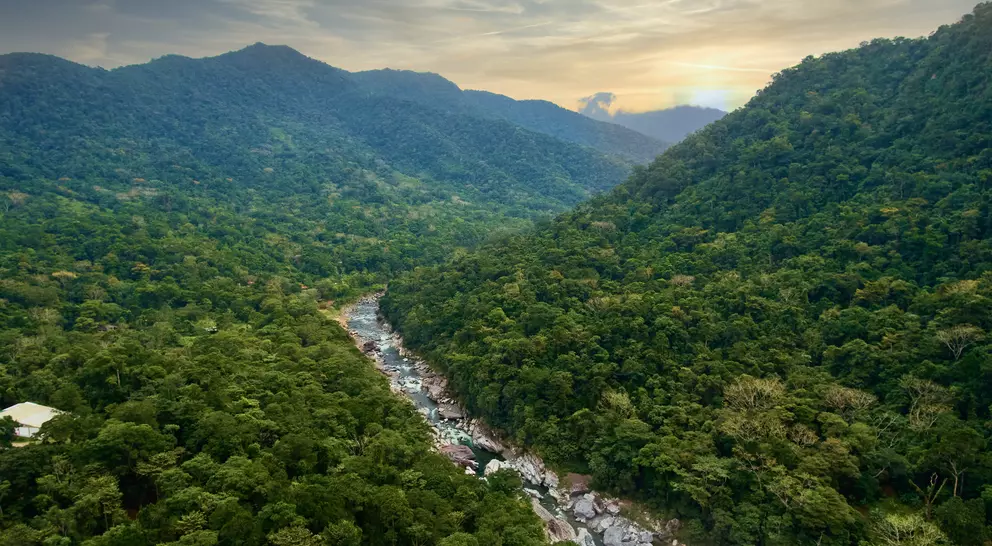
La Ceiba is a port city on the northern coast of Honduras and forms part of the southeastern...
La Ceiba is a port city on the northern coast of Honduras and forms part of the southeastern boundary of the Gulf of Honduras. It has been proclaimed the “Ecotourism Capital” of the country due to...
San Pedro Sula
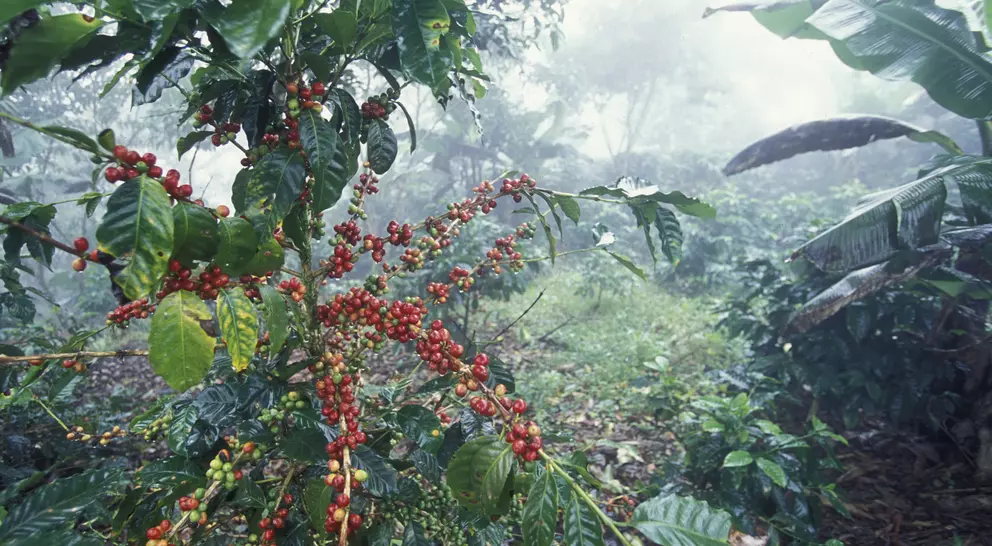
Located in the Valle de Sula in the northwest corner of Honduras, San Pedro Sula is a major...
Located in the Valle de Sula in the northwest corner of Honduras, San Pedro Sula is a major transportation hub on a Honduras vacation and is considered the industrial capital of the country.San Pedro...
Tegucigalpa
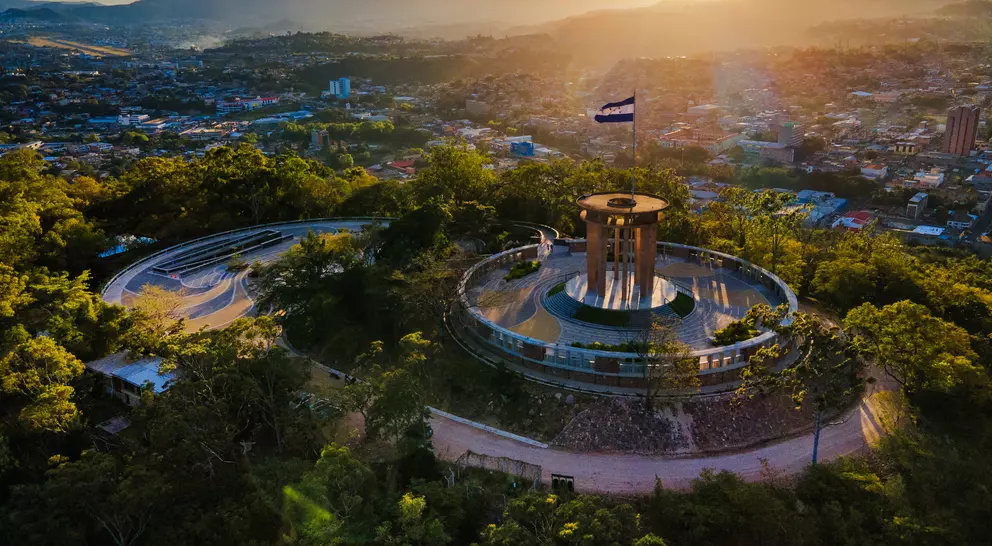
Often shortened to just Tegus, Tegucigalpa (along with its twin sister city Comayagüela) is the...
Often shortened to just Tegus, Tegucigalpa (along with its twin sister city Comayagüela) is the capital of Honduras. The country’s largest and most populous city, Tegus is found in the southern...
Copan
Located in western Honduras near the border with Guatemala is Copán Ruinas, a small and picturesque...
Located in western Honduras near the border with Guatemala is Copán Ruinas, a small and picturesque town that is a short walk from the Pre-Columbian ruins of Copán. These ruins became a UNESCO World...
La Ceiba
La Ceiba is a port city on the northern coast of Honduras and forms part of the southeastern...
La Ceiba is a port city on the northern coast of Honduras and forms part of the southeastern boundary of the Gulf of Honduras. It has been proclaimed the “Ecotourism Capital” of the country due to...
San Pedro Sula
Located in the Valle de Sula in the northwest corner of Honduras, San Pedro Sula is a major...
Located in the Valle de Sula in the northwest corner of Honduras, San Pedro Sula is a major transportation hub on a Honduras vacation and is considered the industrial capital of the country.San Pedro...
Tegucigalpa
Often shortened to just Tegus, Tegucigalpa (along with its twin sister city Comayagüela) is the...
Often shortened to just Tegus, Tegucigalpa (along with its twin sister city Comayagüela) is the capital of Honduras. The country’s largest and most populous city, Tegus is found in the southern...
Frequently Asked Questions
Do I need a visa or special permits to enter Honduras?
What language is spoken locally? How widely is English understood in Honduras?
Spanish is the national language. English is commonly understood in the Bay Islands (Roatán, Utila, Guanaja) thanks to a local English-based creole and tourism, but less so on the mainland—expect to use basic Spanish outside major tourist areas.
What are the must-see attractions in Honduras?
For culture, the UNESCO-listed Maya Site of Copán rewards a slow wander through hieroglyphic stairways and stelae. For sea time, the Bay Islands offer excellent snorkelling and diving on the Mesoamerican Barrier Reef; quiet Cayos Cochinos is a protected marine reserve. For rainforest, hike the Cangrejal River side of Pico Bonito National Park or the cloud forests of La Tigra near Tegucigalpa. Goway features Copán and Roatán among its highlighted places.
Is Honduras safe? What should I keep in mind while travelling there?
Safety varies. The US currently advises “Reconsider Travel” nationwide and “Do Not Travel” to Gracias a Dios; big cities have high crime. The Bay Islands feel more relaxed but petty theft happens. Use registered taxis, avoid night travel, leave valuables locked away, and stick to known areas. Hurricane season runs roughly June–November; monitor local weather. Health-wise, dengue is present and malaria preventive medicine is recommended for some areas—use repellent and long sleeves. Check current local health rules; masks were reintroduced in some settings in mid-2025. Re-check advisories right before you go.
What’s the best way to travel within Honduras?
For longer hops, domestic flights link the mainland with Roatán. Ferries run between La Ceiba and Roatán (twice daily most days), with connections to Utila and occasional service to Guanaja. On the mainland, use reputable intercity buses or private drivers; roads vary and night driving isn’t recommended. In towns, ask your hotel to call a registered taxi.
What Honduras cultural customs should I be aware of?
Greet with a friendly buenos días and a handshake; titles (Señor/Señora) are polite. Dress modestly in churches and rural communities. Always ask before photographing people, including Garifuna communities along the north coast and Cayos Cochinos, where environmental and cultural sensitivity is a live topic. Tipping is appreciated: 10% in restaurants if not included; tip guides and drivers for good service.
What should I wear/pack for Honduras’s climate?
Think tropical: light, breathable clothing, a wide-brim hat, and a light rain jacket (especially June–November). Add sturdy sandals or water shoes for boats and reef entries, a rash guard and reef-safe sunscreen for snorkelling, and strong insect repellent. Bring any prescription meds and a small first-aid kit. Power is 110V with A/B plugs (same as Canada/US). For timing, the driest weather is generally December–April—Goway’s Honduras guide outlines the seasons—though conditions shift year to year, so check forecasts before you fly.
Don't see the perfect option? Request a custom quote.
Unlock more by subscribing to our newsletter
With our newsletter, you’ll get access to regular communications that inspire you and help you explore the world your wayExclusive Savings
Insider Benefits
Trending Stories