As of 1 April 2025, Namibia ended visa-free entry for citizens of about 33 countries, including the US, UK, Canada, Germany, and many EU nations. Travelers from those affected countries must now obtain a visitor visa on arrival or apply online in advance. The visa permits stays of up to 90 days.
Discover Tailor-Made Namibia Vacations
A land of vast dunes, wild skies and untamed wildlife journeys like no other.
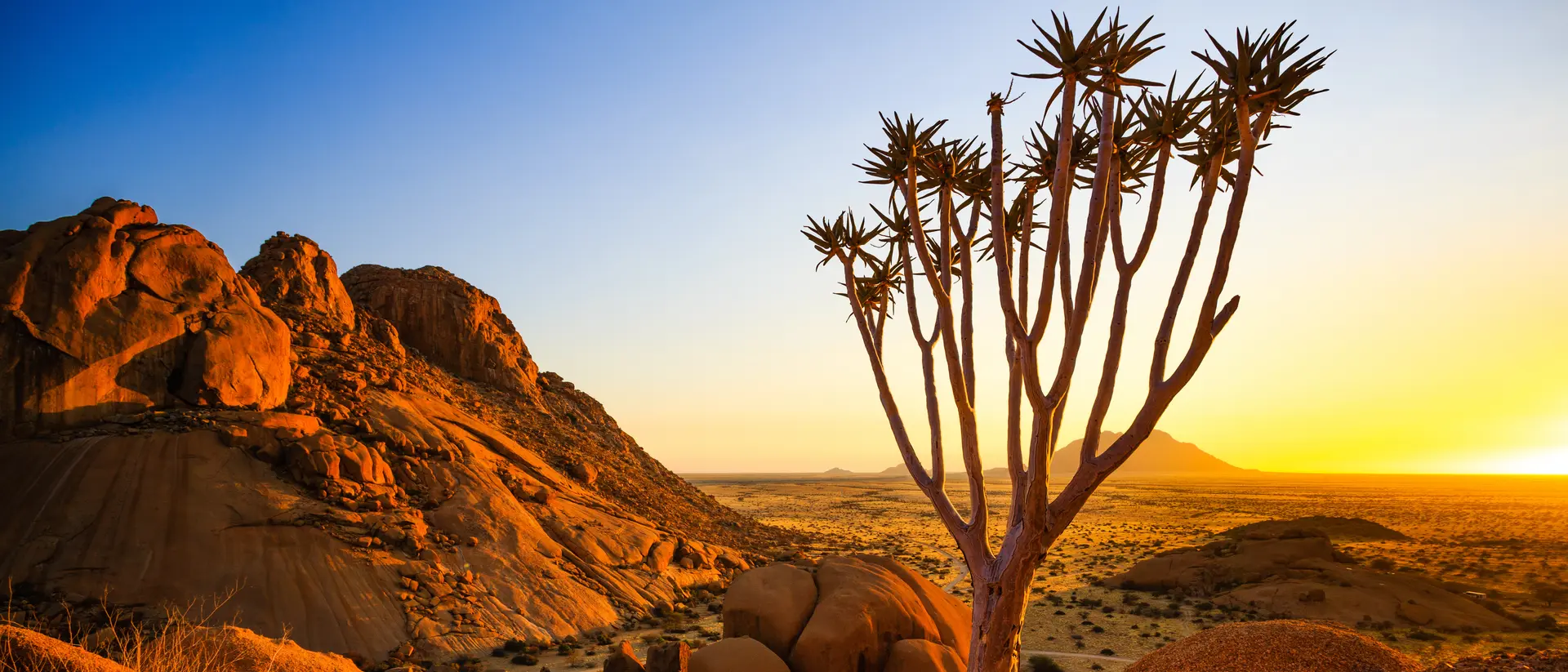
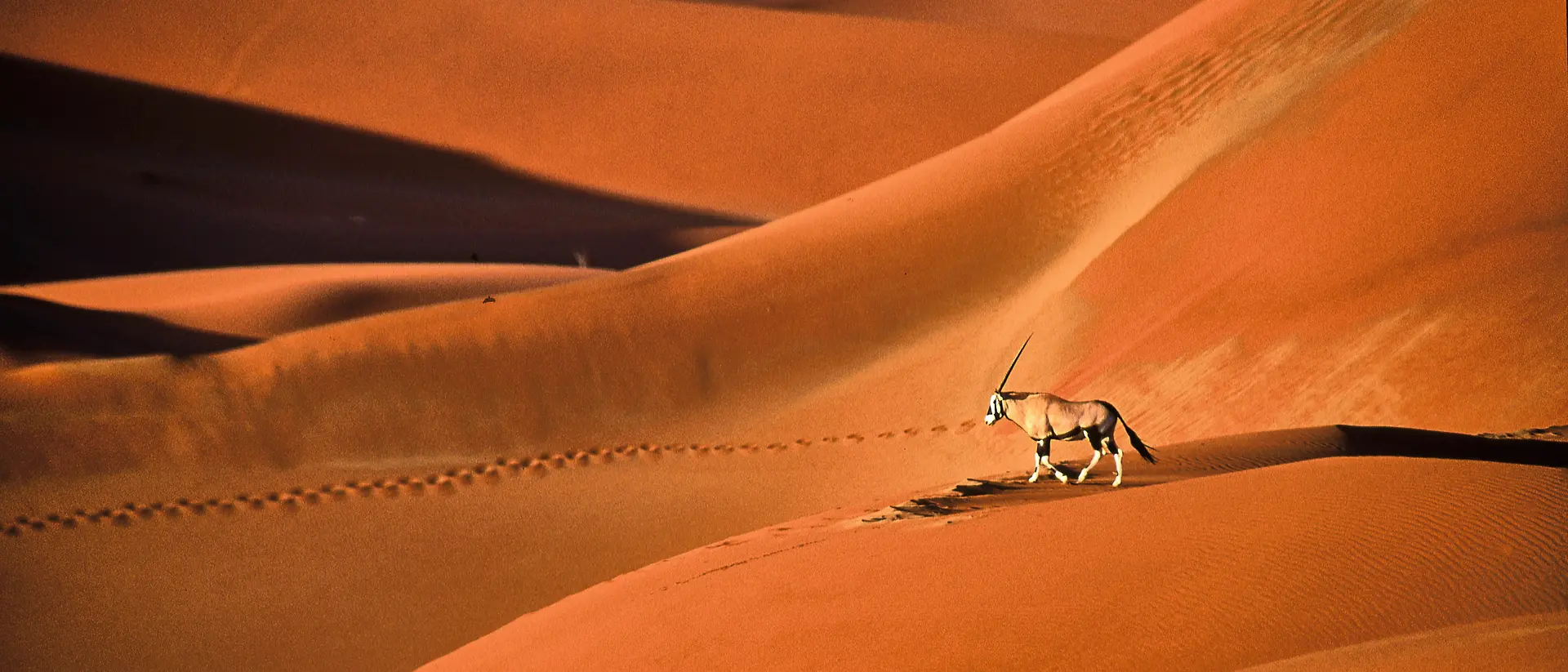
Namibia offers striking contrasts — the red sands of Sossusvlei, rugged Skeleton Coast shores, powerful wildlife encounters in Etosha, lush waterways in the Caprivi Strip, and nights under impossibly clear skies in the Namib Rand Dark Sky Reserve.
Featured Highlights
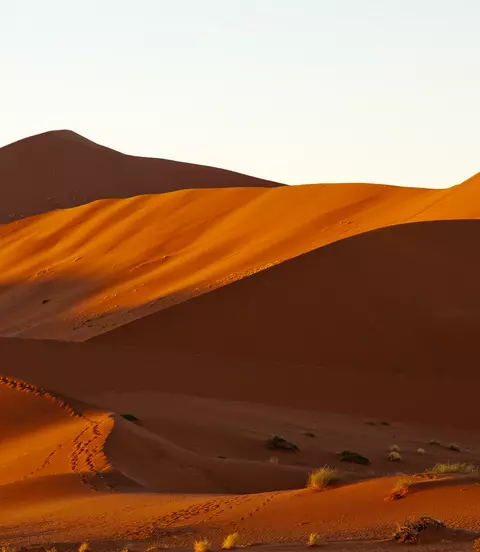
- Vast, red sand dunes in Sossusvlei that shift and glow at sunset
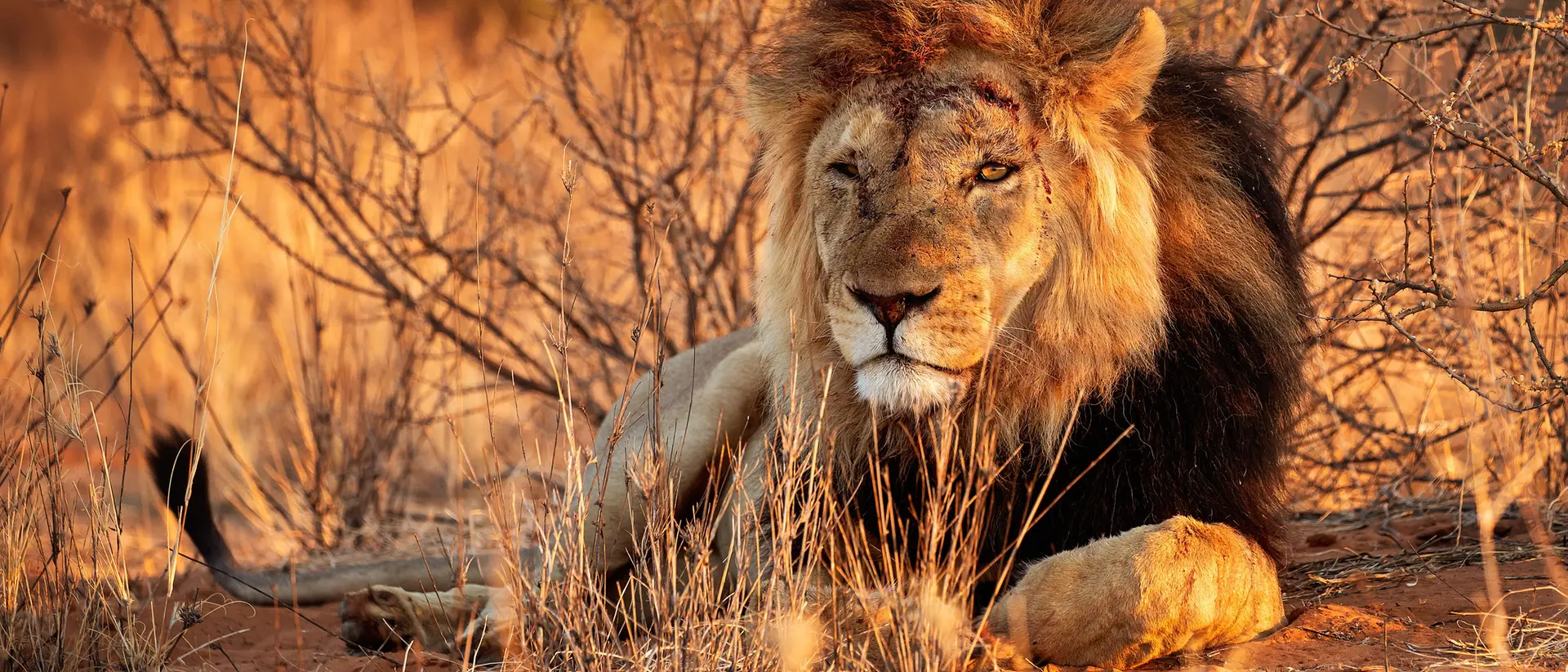
- Etosha’s open plains with wildlife gathering at waterholes
- Rugged Skeleton Coast meeting cold Atlantic surf and skull-studded sands
- Lush Caprivi waterways alive with hippos, crocs and birdlife
- Nights under pristine skies in Namib Rand Dark Sky Reserve
- Meaningful cultural exchanges through community-based conservation efforts
Featured Namibia Trip Ideas
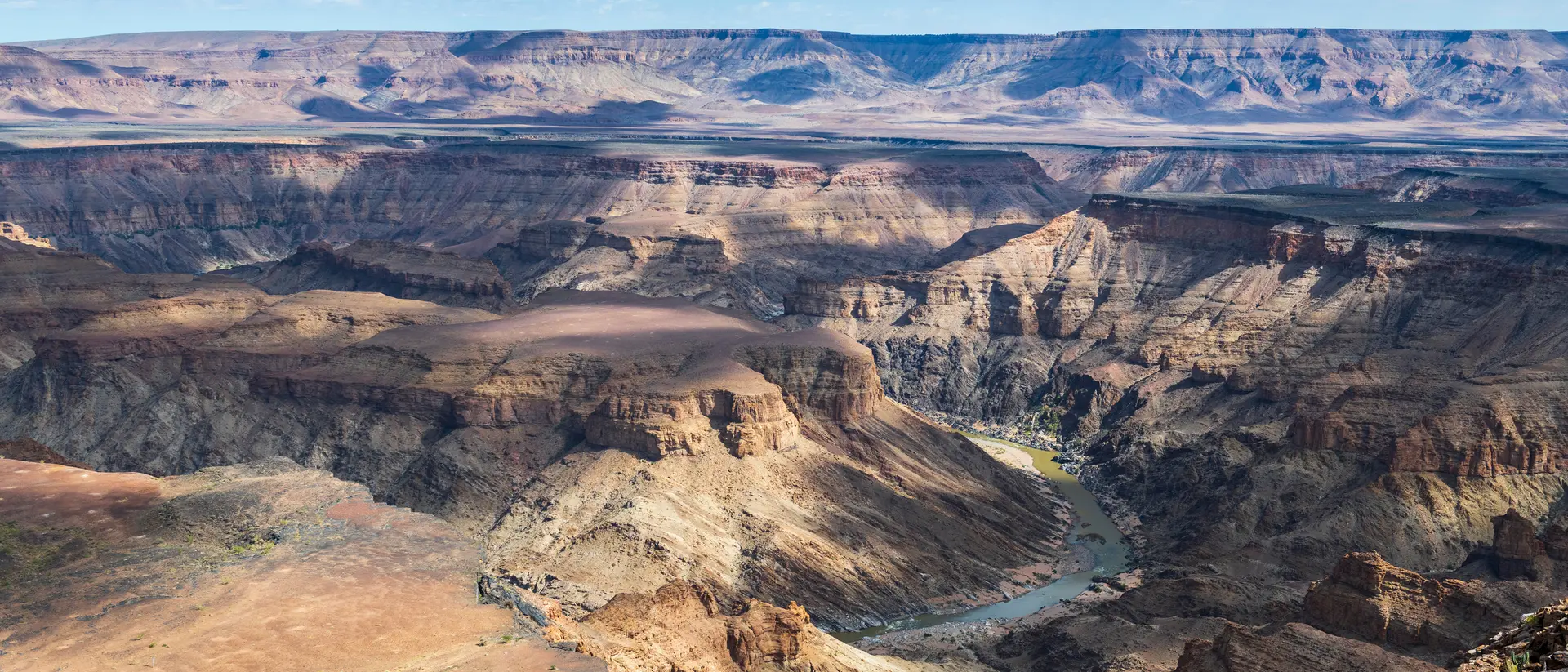
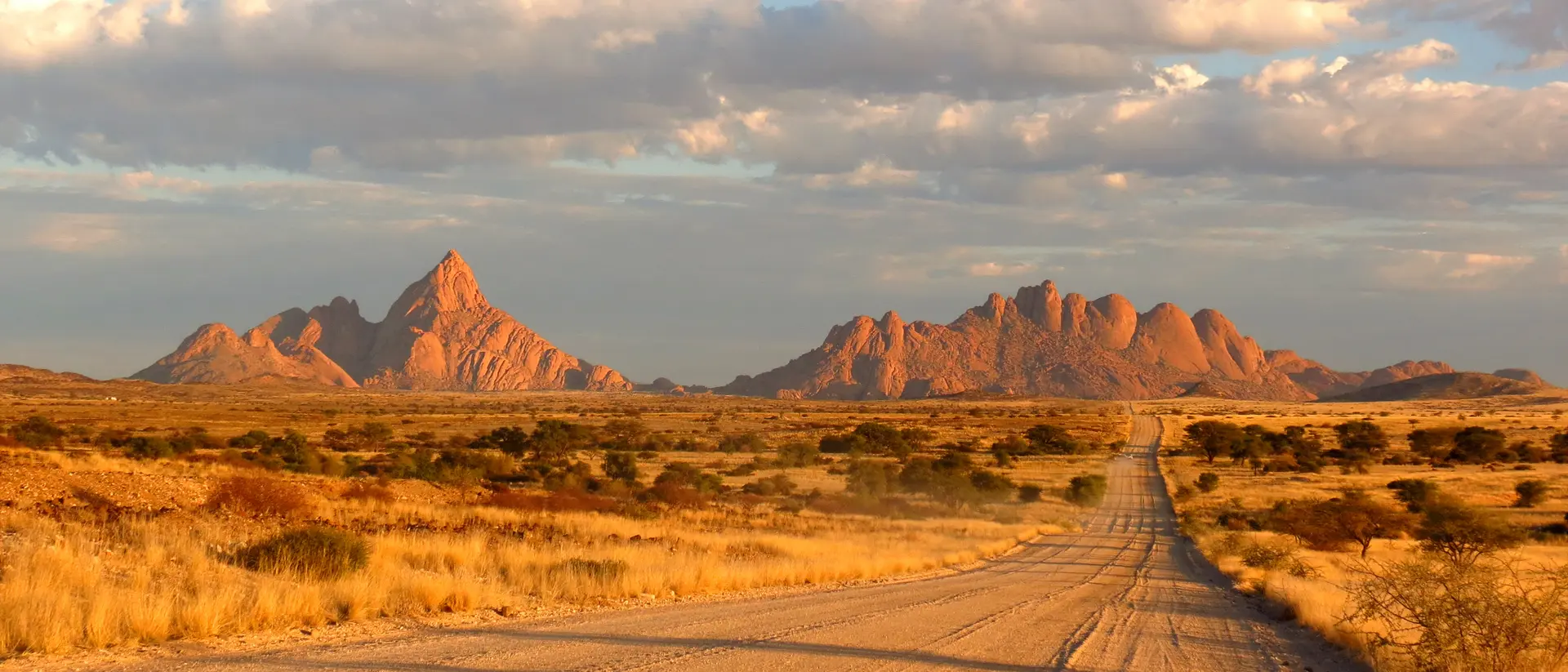
A land of vast deserts, rare wildlife, and rich cultural encounters.Namibia is a country of contrasts, where red desert sands meet the Atlantic Ocean and wildlife roams free across rugged plains. Journey into Etosha National Park for thrilling game drives, stand before the towering dunes of Sossusvlei, and explore the otherworldly Skeleton Coast. Visit Swakopmund for a blend of adventure and coastal charm, or head north to meet the Himba people, one of Africa’s last semi-nomadic tribes. Namibia is also home to the world’s oldest desert, the Namib, and its striking landscapes—from Fish River Canyon to Damaraland’s rocky outcrops—make it a haven for photographers and nature lovers.
Classic Namibia: Safari, Coast & Desert
Windhoek, Namib-Naukluft National Park, Swakopmund, and Etosha National ParkDiscover Namibia on a guided journey from Etosha's wildlife-rich plains to the rugged beauty of Damaraland, the Atlantic coast and the soaring dunes of Sossusvlei.
11 days
From US$9,720/p.p.
Request a Quote
Luxury Train Journey: South Africa to Namibia
Gauteng and PretoriaExperience a luxurious rail journey through Southern Africa. From Pretoria to Walvis Bay, explore iconic sights, indulge in gourmet meals, and enjoy wildlife encounters.
12 days
From US$16,443/p.p.
Request a Quote
Namibia Explorer: Desert, Coast & Safari
Etosha National Park, Swakopmund, Namib Rand Nature Reserve, Sossusvlei, and Namib-Naukluft National ParkExplore Namibia’s towering Sossusvlei dunes, Atlantic coast, rugged Damaraland and wildlife-rich Etosha Heights on a small-group safari.
9 days
From US$6,187/p.p.
Request a Quote
Best of Namibia: Desert & Wildlife
Etosha National Park, Swakopmund, Namib Rand Nature Reserve, Sossusvlei, Namib-Naukluft National Park, and Kalahari DesertDiscover Namibia’s deserts, canyons, and wildlife on this small group journey, from flamingo-filled coasts to Etosha’s game-rich plains.
13 days
From US$4,429/p.p.
Request a Quote
Namibia Highlights: Desert, Damaraland & Etosha
WindhoekDiscover Namibia's iconic landscapes on a small-group journey through the Namib Desert, Swakopmund and Damaraland, finishing with exceptional wildlife viewing in Etosha National Park.
11 days
From US$8,364/p.p.
Request a Quote
Don't see the
perfect trip idea?
Request a custom quote.
Turn your travel dreams into reality with Goway. Our customized vacations take travellers to all corners of the world.
Classic Namibia: Safari, Coast & Desert
Windhoek, Namib-Naukluft National Park, Swakopmund, and Etosha National ParkDiscover Namibia on a guided journey from Etosha's wildlife-rich plains to the rugged beauty of Damaraland, the Atlantic coast and the soaring dunes of Sossusvlei.
11 days
From US$9,720/p.p.
Request a Quote
Luxury Train Journey: South Africa to Namibia
Gauteng and PretoriaExperience a luxurious rail journey through Southern Africa. From Pretoria to Walvis Bay, explore iconic sights, indulge in gourmet meals, and enjoy wildlife encounters.
12 days
From US$16,443/p.p.
Request a Quote
Namibia Explorer: Desert, Coast & Safari
Etosha National Park, Swakopmund, Namib Rand Nature Reserve, Sossusvlei, and Namib-Naukluft National ParkExplore Namibia’s towering Sossusvlei dunes, Atlantic coast, rugged Damaraland and wildlife-rich Etosha Heights on a small-group safari.
9 days
From US$6,187/p.p.
Request a Quote
Best of Namibia: Desert & Wildlife
Etosha National Park, Swakopmund, Namib Rand Nature Reserve, Sossusvlei, Namib-Naukluft National Park, and Kalahari DesertDiscover Namibia’s deserts, canyons, and wildlife on this small group journey, from flamingo-filled coasts to Etosha’s game-rich plains.
13 days
From US$4,429/p.p.
Request a Quote
Namibia Highlights: Desert, Damaraland & Etosha
WindhoekDiscover Namibia's iconic landscapes on a small-group journey through the Namib Desert, Swakopmund and Damaraland, finishing with exceptional wildlife viewing in Etosha National Park.
11 days
From US$8,364/p.p.
Request a Quote
Don't see the
perfect trip idea?
Request a custom quote.
Turn your travel dreams into reality with Goway. Our customized vacations take travellers to all corners of the world.
What do Goway's travellers say?
“I recently went on an African Safari…”
I recently went on an African Safari with my brother-in-law and sister and another couple who I knew. The entire experience was absolutely unbelievable. The complete details were flawlessly coordinated from the transfers to the breathtaking lodges. Our guides Peter showed us Kenya and Maulid Tanzania were very knowledgeable and very sharp eyes for finding the animals.
We were able to see the animals up close, learn a lot about the people, birds , vegetation etc.
We had several sundowners in the bush really added to a magical experience with beautiful sunsets.
I would highly recommend Goway to all my friends, they will not be disappointed.
Thank you to Bijal for the excellent African Safari that you put together for us. You were wonderful.
Nancy Hay“South Africa for 3 Weeks”
Elise created a fantastic trip to South Africa. Our experience could not have been better. Thank You so Much!!
Dave McVay“Exceptional Experience!”
We had an exceptional experience with Goway Travel on our recent trip to Africa. From start to finish, every detail was thoughtfully planned and flawlessly executed, which made the entire journey stress-free.
The recommendations on where to go and what to do were absolutely fantastic! Each stop felt perfectly curated and exceeded our expectations. It was clear that Goway truly understands the destinations they offer and knows how to create a memorable, well-balanced itinerary.
A special thank you to our travel consultant, Bijal, who was outstanding throughout the entire process. Bijal was incredibly knowledgeable, responsive, and supportive while we prepared for the trip, ensuring that all our questions were answered and that every detail was taken care of. Their guidance made a big difference in building our confidence and excitement leading up to the trip.
I would highly recommend Goway Travel to anyone looking for a seamless, expertly planned travel experience. We will definitely be using them again for our future adventures!
Harjit C“African Safari”
Elisa planned our trip. We were met at the airport by Paul who drove us to Arusha. Adam, our guide and driver was with us the whole trip and was very knowledgeable about the country and the animals & birds we encountered. Accommodations were excellent, meals were delicious and the Tanzanian people we met at each location were so kind and welcoming. A wonderful trip.
pat vickers“Private Morocco from Casablanca to Marrakech”
We travelled to Morocco for 10 days, 9 nights, booked through GoWay- they used an excellent local tour company- Cynab. GoWay booked our flights with a stopover Paris, so we did a weekend on our own with family, then transfer to Morocco. Because dates of small group tours didn't work, we booked a private tour for 2, and it wasn't much different in price from small group. Everything went smoothly from start to finish. We were picked up in Casablanca and dropped at Marrakech airport 10 days later with the same driver the whole way. He was a very good driver, always told us what time to expect him next morning and was there like clockwork. Local guides were met along the way for tours of Medinas of Fes, Marrakech and Essouria. The trip was spectacular. Saw many beautiful sites. All the hotels were great- first night at Villa Mandarine in Rabat, with orange trees in the garden, the Oz Palace in Ouarzazate and the Merzouga luxury desert camp were paticularly special. The Jaal Riad in Marrakech was a beautiful hotel and a good one to relax by the pool our last day after our busy travel days. In Fes, the Merides up on a hill was a great respite from the intensity of a day walking through the Fes Medina. NIce to sit on the terrace and watch the sun go down and the lights come up. Although the days were packed, the hotels were always an oases of calm at end of day, and because we didn't need to do any navigating, it was very relaxing. Be prepared to be shown alot of artisan shops- its interesting to see and important to contribute somewhat to the economy, but I sometimes felt a bit pressured to buy, but we ended up with a reasonable amount of souvenirs and not a big cost compared to the trip. Overall a highly memorable trip, we felt very welcome in Morocco, people are very warm and hotel staff treated us royally. We felt very safe and comfortable the whole time. As someone with IBD, I was impressed I had no tummy troubles the whole time. The driver stopped at great places for lunch, and with the private tours in the city we could tell the guide when we wanted to stop and they always suggested a great place. Food was excellent throughout. A tour arranged dinner on a roof top restaurant in Marrakech was particularly special, with a gorgeous sunset and the waiters sang! The meal in the Sahara desert camp was also particularly special. Highly recommend this trip
TW“Our trip to South Africa was a dream…”
Our trip to South Africa was a dream come true thanks to Gina our travel consultant.
Right from our first meeting almost two years ago the planning and execution were beyond perfect. The itinerary was carefully chosen and provided us with a full range of experiences that were incredible .
Logistically everything worked like clockwork( flights and ground transportation ) and even with the storm and the re routing the local company , Thompson travel , Mike, did an excellent job and did disappoint We had quite the adventure. The accommodation chosen for us by Gina were all different and very unique ! A new adventure every night
Both safaris were excellent yet so different. We have to say we will hold a special place in our hearts for our last stay at the Garonga , the staff were incredible and it felt like a family.
We saw is all, smelled it all , ate and drank it ( we both gained 5 lbs ) all and learned so much. South Africa is an amazing country with beautiful souls.
Every penny spent and every mile travelled was well worth every penny.We will be talking about this for years.
Thank you Gina and your colleagues behind the scenes at Goway travel for making our dreams come true!
Deirdre Keane“Excellent Safari Trip tour agency!”
This is an excellent tour agency that provides an excellent, all inclusive safari experience in South Africa, especially in the renown Kruger National Park. The agency will provide a very detailed, day-by-day itinerary of the trip, which, for the most part, describes exactly the order of activities that a customer will experience from start to end of the reserved trip. Our safari trip included a hotel pick-up in Cape Town in the beginning of the safari trip and drop-off at the end of the trip. Flights to and from either Johannesburg or Mpumalanga airport are included. We reserved a 3-day safari trip which included an afternoon safari the first day, a full day safari the 2nd day, and a morning safari the 3rd day. The lodge where we stayed was very clean with modern and convenient accommodations, including WIFI and breakfast. The guides are well trained and very knowledgeable about all animals we came across during our trip, and were also very courteous, polite and easy to engage in conversation. They made our safari trip exciting but safe! I would highly recommend this safari tour agency.
Christos Patriotis“Its all about the journey”
Its all about the journey, isn't it? And our journey through Kenya, Africa was amazing and we have Bijal Kana of Goway Travel to thank for it.
From the start when we first discussed a true Safari adventure, Bijal was being helpful. Her suggestions were helpful in where to go and how we could save a few dollars when possible. Never trying to be cheap but simply, cost conscious. This was the beginning of what will continue as a forever working relationship in travel. Bijal gained our confidence and trust. And that is a rare commodity these days.
Then too there was the staff from Goway and Sense of Africa like Ruth, Wilson and Francis who allowed us to see the non tourist side of Nairobi and became fast friends. The wonderful selections made by Bijal as to where we would stay and all the Serena locations were marvelous. And at the last minute, when a bridge got washed out and we could not get to the last lodge camp, Bijal responded to our whatsapp call immediately and we were placed in the Sorova lodge. True not the same, but in the middle of a game area, who complains? It was great and we had so much fun.
The tour selection took us through parks, reserves and conservancy locales. We saw the big 5 and much more. Lions fighting, Hyenas making a chase and ultimate dinner selection, A leopard resting on tree branches, A cheetah stalking and then at rest. Hyena pups and Honbeast babes being birthed. Hippopotamus in the water, Zebra grazing, Elephants crossing rivers en mass. You'd think we hit the National Geographic channel.
Great job Bijal. Good deal Goway.
customerBram L. Bottfeld“Perfectly curated trip”
Our trip was great and your partners in Egypt met and exceeded our expectations.
Having the guides and drivers was a new experience for us but absolutely invaluable
We would recommend Goway to anyone.
joe levack“Outstanding Supplier -Highly Recommend!”
This was my second time working with Taha Colombowala, Group Specialist. Our journey to Ghana was top notch! 🇬🇭 The accommodations, curated tours, and coordination with the team on the ground made the this trip quite amazing.
Taha was very supportive throughout the entire process. Goway makes me look like a superstar with my clients!! I am already planning new itineraries.
Denise WatkinsTravel Information about Namibia
Get to know Namibia before you go.
Best Time to Visit
Namibia’s landscapes and skies shift dramatically with the seasons, making every visit a different kind of adventure. From desert safaris to birdwatching in lush wetlands, the country’s climate offers travellers year-round opportunities to experience nature, culture, and wilderness in unforgettable ways.
For wildlife enthusiasts, the dry season from May to October is the most rewarding. During these months, Etosha National Park becomes a focal point as elephants, lions, and other species gather at shrinking waterholes, creating extraordinary viewing opportunities. Photographers will find the light especially striking, with long golden hours casting shadows across the dunes and savannah.
When the rains arrive between November and April, Namibia’s scenery is transformed into vibrant green landscapes. This is the season for birdwatchers, particularly in the Caprivi Strip, where migratory species thrive. It is also the time to see Namibia’s cultural side, with festivals such as the Windhoek Carnival in April bringing colour and tradition to life.
Travelling during the shoulder months of April to May and September to October combines the advantages of both seasons. Wildlife is still plentiful, temperatures are pleasant, and crowds are thinner, allowing for a more relaxed safari. Year-round, iconic sites like Sossusvlei’s soaring dunes invite exploration, with the cooler winter months making desert walks more comfortable.
Winter also reveals Namibia’s night skies at their most dazzling. The clarity and brightness of the stars create stargazing experiences unlike anywhere else, making evenings in the desert just as memorable as the days spent exploring.
What do the experts say?
The country has such beautiful landscapes, especially the Namib desert. It is the oldest desert in world with the highest sand dunes. Visiting it is a truly unforgettable experience.
For a unique experience join a Himba cultural tour: Explore their customs, daily life, and traditional dress, and sample authentic Himba foods.
Places To Go
Handcrafted journeys to our most popular places to visit in Namibia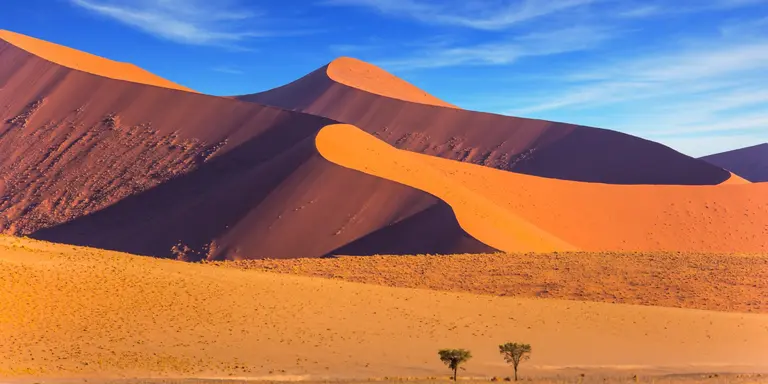
Sossusvlei
Located in the southern part of the Namib Desert and part of Namibia’s Namib-Naukluft National Park...
Located in the southern part of the Namib Desert and part of Namibia’s Namib-Naukluft National Park is Sossusvlei, a salt and clay pan surrounded by world-famous red sand dunes. Traditionally, the...
Swakopmund
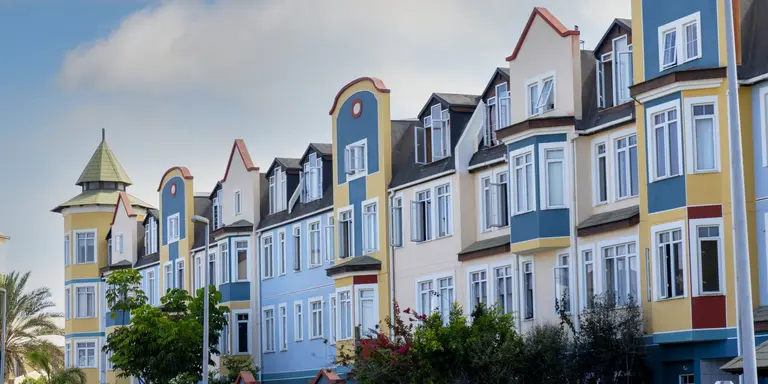
Swakopmund is a beach resort city found off the northwestern coast of the country, perfect after a...
Swakopmund is a beach resort city found off the northwestern coast of the country, perfect after a Namibia safari. It is the country’s largest coastal city and is often referred to as “Namibia’s...
Kalahari Desert
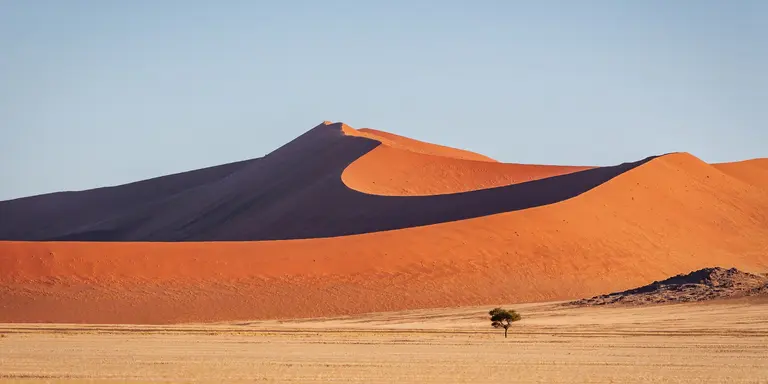
An interesting region for a Namibia safari, the Kalahari Desert is a large, semi-arid savannah that...
An interesting region for a Namibia safari, the Kalahari Desert is a large, semi-arid savannah that covers 900,000 square kilometres (350,000 square miles) extending over seven countries: Botswana,...
Skeleton Coast Park
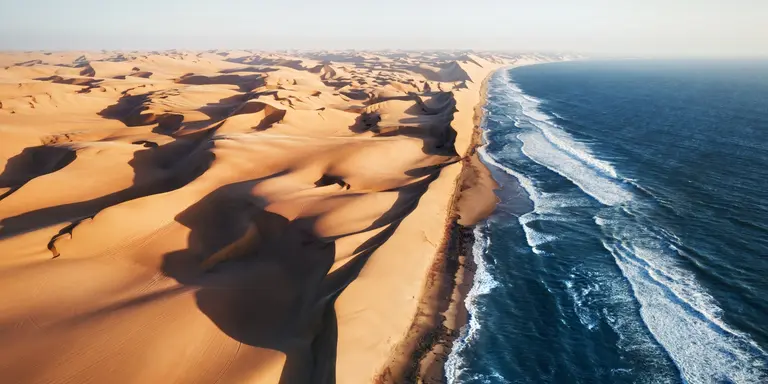
The Skeleton Coast National Park of Namibia stretches from the Kunene River in the north to the...
The Skeleton Coast National Park of Namibia stretches from the Kunene River in the north to the Ugab River in the south, protecting around one-third of Namibia’s coastline. It was established as a...
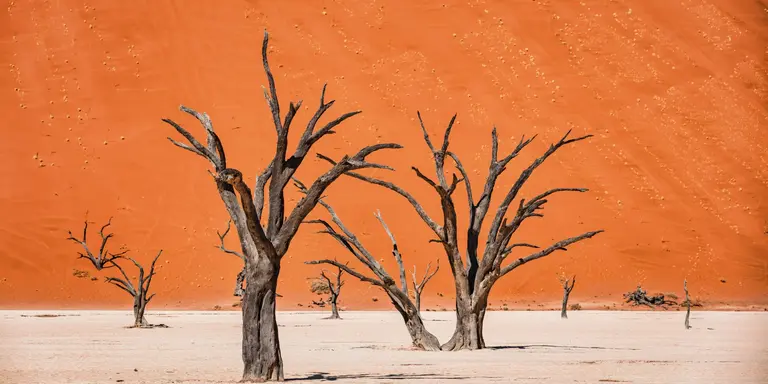
Namib Rand Nature Reserve
When considering a Namibia safari, Namib Rand Nature Reserve is a private reserve in southwestern...
When considering a Namibia safari, Namib Rand Nature Reserve is a private reserve in southwestern Namibia. Spanning 172,200 hectares, it shares a border with Namib-Naukluft National Park to the west...
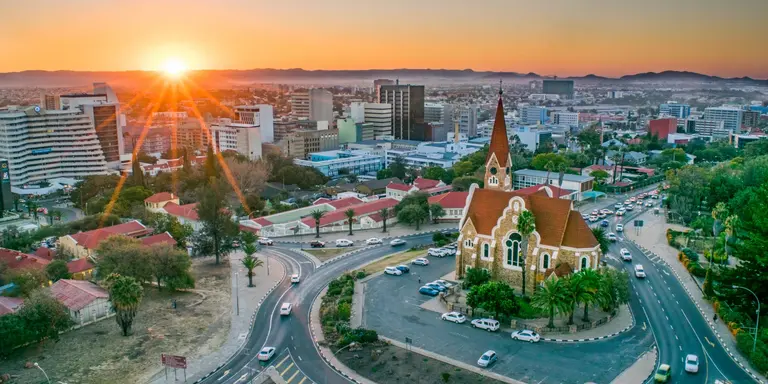
Windhoek
Located in the geographic centre of Namibia is its capital and largest city, Windhoek. Windhoek is...
Located in the geographic centre of Namibia is its capital and largest city, Windhoek. Windhoek is a social, economic and cultural centre, serving as the gateway to Namibia and is often the starting...
Sossusvlei
Located in the southern part of the Namib Desert and part of Namibia’s Namib-Naukluft National Park...
Located in the southern part of the Namib Desert and part of Namibia’s Namib-Naukluft National Park is Sossusvlei, a salt and clay pan surrounded by world-famous red sand dunes. Traditionally, the...
Swakopmund
Swakopmund is a beach resort city found off the northwestern coast of the country, perfect after a...
Swakopmund is a beach resort city found off the northwestern coast of the country, perfect after a Namibia safari. It is the country’s largest coastal city and is often referred to as “Namibia’s...
Kalahari Desert
An interesting region for a Namibia safari, the Kalahari Desert is a large, semi-arid savannah that...
An interesting region for a Namibia safari, the Kalahari Desert is a large, semi-arid savannah that covers 900,000 square kilometres (350,000 square miles) extending over seven countries: Botswana,...
Skeleton Coast Park
The Skeleton Coast National Park of Namibia stretches from the Kunene River in the north to the...
The Skeleton Coast National Park of Namibia stretches from the Kunene River in the north to the Ugab River in the south, protecting around one-third of Namibia’s coastline. It was established as a...
Namib Rand Nature Reserve
When considering a Namibia safari, Namib Rand Nature Reserve is a private reserve in southwestern...
When considering a Namibia safari, Namib Rand Nature Reserve is a private reserve in southwestern Namibia. Spanning 172,200 hectares, it shares a border with Namib-Naukluft National Park to the west...
Windhoek
Located in the geographic centre of Namibia is its capital and largest city, Windhoek. Windhoek is...
Located in the geographic centre of Namibia is its capital and largest city, Windhoek. Windhoek is a social, economic and cultural centre, serving as the gateway to Namibia and is often the starting...
Travel Styles
Explore Namibia by Travel TypeFrequently Asked Questions
Do I need a visa or special permits to enter Namibia?
What language is spoken locally? How widely is English understood in Namibia?
English is the official language and is used in schools, government, and tourism services. However, many locals also speak Afrikaans, German, or one of the many Indigenous languages such as Oshiwambo and Nama/Damara. In cities, lodges, and with guides, English is widely understood, though in rural areas you may hear mostly local dialects.
What are the must-see attractions in Namibia?
Namibia is known for vast, otherworldly landscapes. Highlights include the towering red dunes of Sossusvlei in the Namib Desert, Etosha National Park for wildlife safaris, and the eerie shipwreck-strewn Skeleton Coast. Swakopmund offers German colonial architecture and adventure activities, while Damaraland is famous for desert-adapted elephants and ancient rock engravings at Twyfelfontein. For striking contrasts, don’t miss Fish River Canyon, one of the world’s largest canyons.
Is Namibia safe? What should I keep in mind while travelling there?
Namibia is generally considered one of the safer African destinations. Petty theft can occur in urban centres like Windhoek, so keep valuables secure. Road travel requires caution—distances are long, wildlife can cross suddenly, and gravel roads can be challenging. Always carry extra water and fuel when driving in remote areas. Safari lodges and guided tours offer safe, structured ways to explore.
What's the best way to travel within Namibia?
Most travellers explore Namibia by self-drive or guided tour. Roads connect main destinations, but many are gravel and require careful driving—4x4 vehicles are often recommended. Domestic flights and chartered planes are available if you want to save travel time, especially between Etosha, Sossusvlei, and the Skeleton Coast. Public transport is limited and not practical for most visitors.
What Namibian cultural customs should I be aware of?
Greetings are important—shaking hands and taking a moment to exchange pleasantries is appreciated. Respect local traditions, particularly in rural communities, where photography should only be done with permission. Tipping is customary in restaurants (about 10%) and for guides or drivers. Dress modestly when visiting towns and villages, even if safari attire is fine in the bush.
What should I wear/pack for Namibia's climate?
Namibia is dry and sunny year-round, with hot days and cool nights. Pack light, breathable clothing for daytime, plus a warm jacket for evenings, especially in the desert where temperatures drop sharply. Neutral colours are best for safaris. A wide-brim hat, sunglasses, sunscreen, and sturdy walking shoes are essential. During winter (May to September), nights can be very cold, so a fleece or down jacket is recommended.
Don't see the perfect option? Request a custom quote.
Unlock more by subscribing to our newsletter.
With our newsletter, you’ll get access to regular communications that inspire you and help you explore the world your way.Exclusive Savings
Insider Benefits
Trending Stories