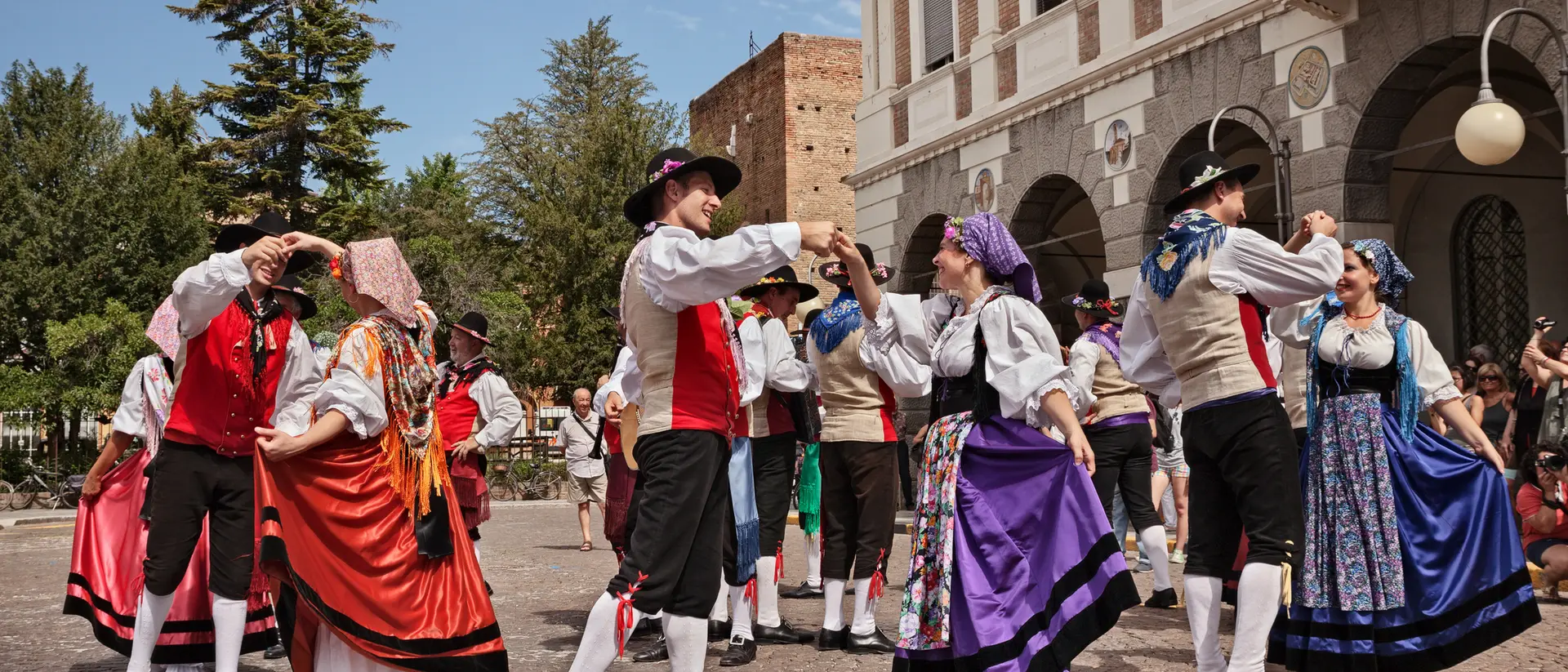
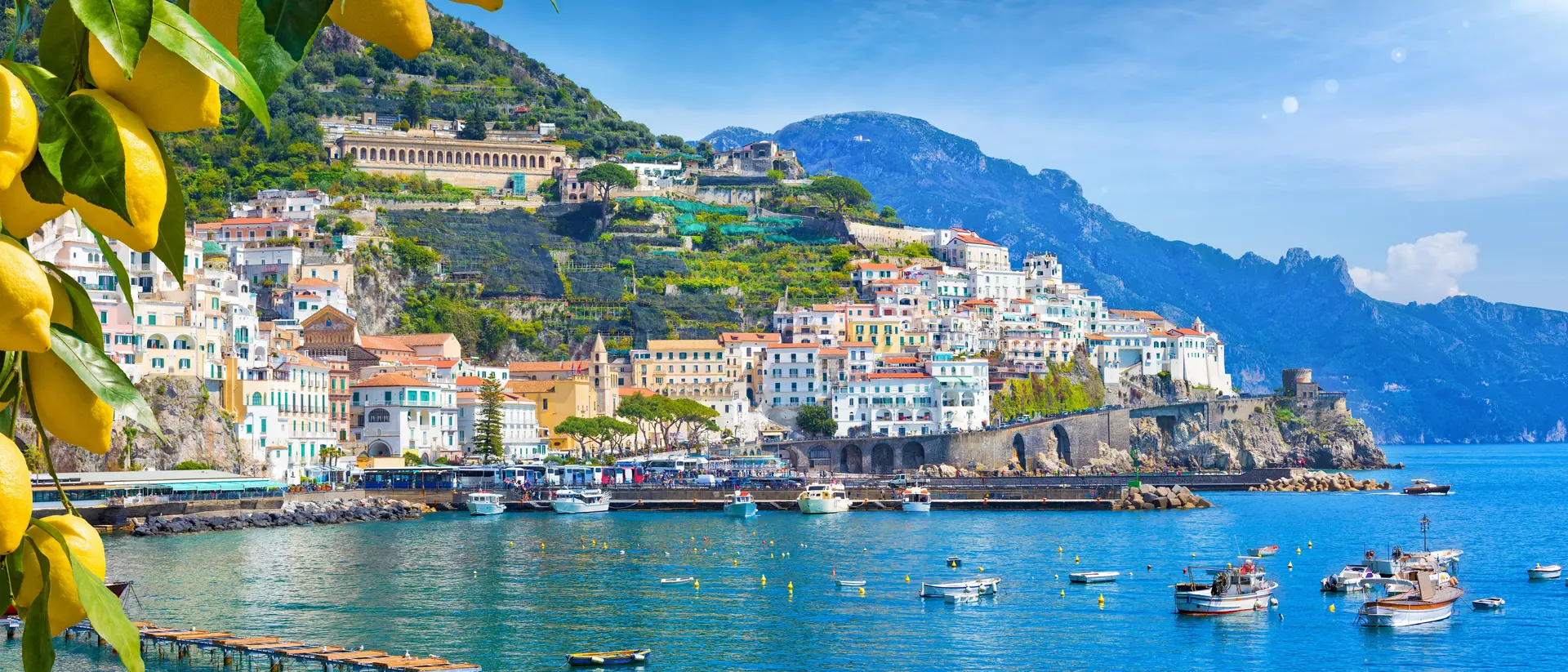
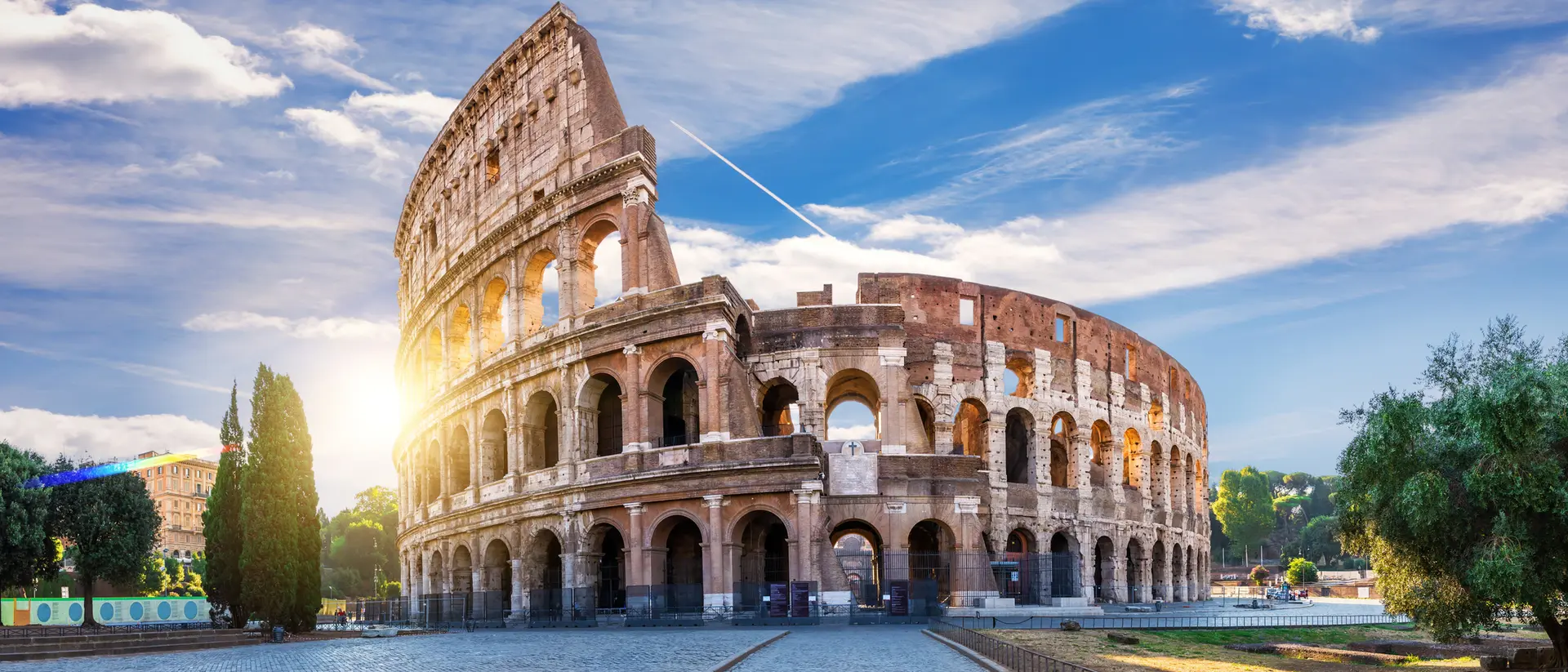
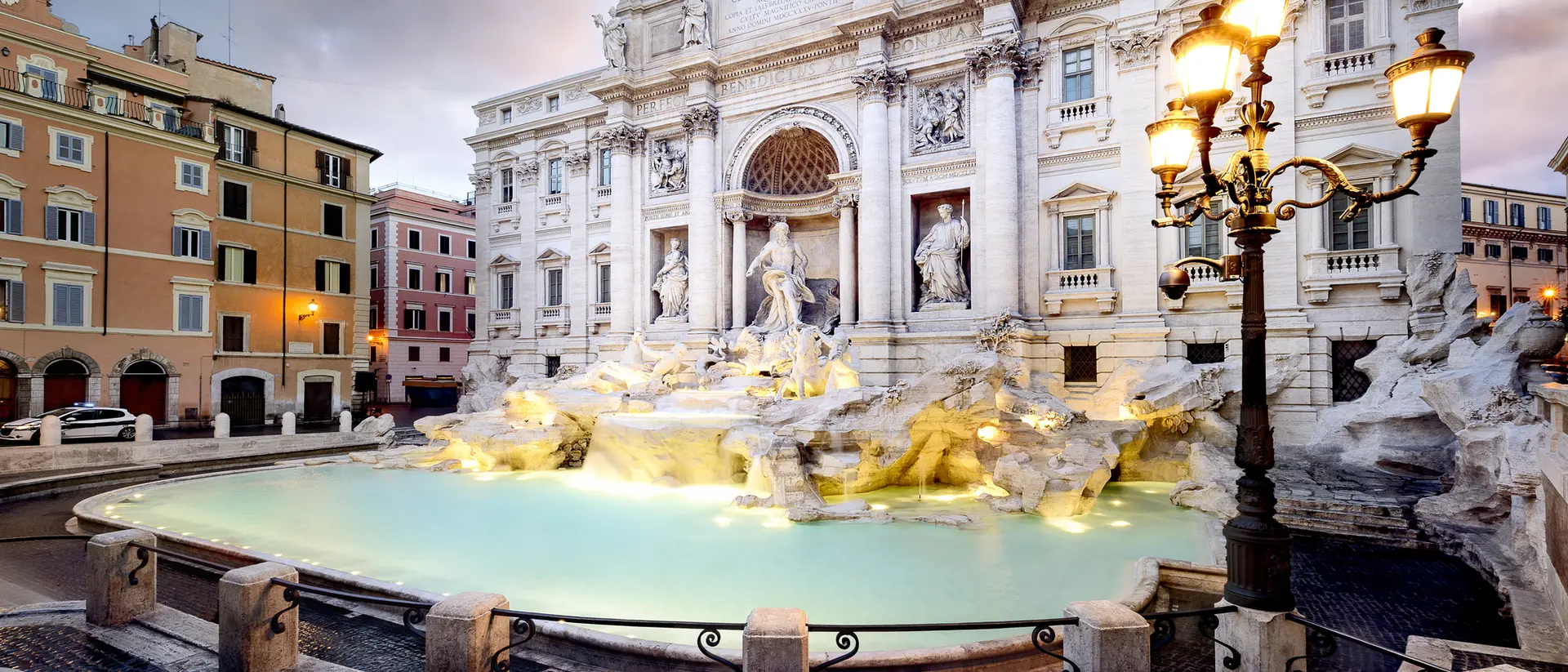
Italy is known for its deep appreciation of art, cuisine, fashion, architecture, and rich history dating back to the Roman Empire. Visitors can best experience this through seasonal festivals, artisan workshops, private museum tours, and meals at family-run trattorias. Tailored tours help travellers access these traditions firsthand.
Italy Travel Information
Not sure which theme is right for you?
Culture & Traditions
Italy’s culture extends far beyond museum walls. You’ll find it in Venetian workshops where artisans paint masks for Carnival, in the music of Milanese opera houses, and in the kitchens of Tuscan villas tucked among olive groves.
From the Dolomites to Sicily, every region holds its own customs passed down through generations of artists, chefs, musicians, winemakers, and farmers. What you eat, say, or celebrate in Bologna can feel worlds apart from the traditions of Naples or Venice. Even the language shifts slightly from town to town, with local dialects adding texture to everyday life.
“Exploring Italy is like travelling through dozens of mini-countries, each with its own soul,” says Destination Specialist Jacqueline Fagioli.
True cultural travel in Italy means going beyond icons like the Colosseum and the Leaning Tower of Pisa. It’s joining a harvest celebration, watching a medieval reenactment in a hilltop village, and connecting with locals who share their traditions with pride. With Goway, travellers can gain rare access to these moments, whether it’s pasta-making classes with beloved local chefs, after-hours museum tours with curators, or workshops with artisans keeping centuries-old techniques alive.
Plan your custom cultural journey through Italy with Goway for a deep dive into Italy’s living traditions.
Why Italy’s Culture Captivates Travellers
Like a perfect plate of pasta, Italy is a country you can experience a hundred times and still crave again. And once you go, it stays with you forever. Its essence lingers in the details—the sound of espresso machines and Vespas at dawn, the laughter spilling from a table of family and friends at dusk.
At its heart lies “la dolce vita,” a phrase meaning “the sweet life,” which is actually a philosophy of being present and enjoying life’s simple pleasures. “We don’t need a lot to live happily,” says Destination Specialist Alessandro Pace, who was born and raised in Italy. “We appreciate the small things and quality time with loved ones.”
This reverence for beautiful details extends to art, design, and architecture. Throughout the country, Roman ruins stand beside cafés, 16th-century frescoes adorn modern boutique hotels, and artisans still handcraft Murano glass, Florentine leather, and bespoke tailoring. Italians grow up with an appreciation for art and history, and the country’s elite continues to invest in preserving the country’s heritage.
For travellers, this devotion to tradition, quality, and living life to the fullest is an inspiring invitation—not only to see Italy, but to feel part of it.
Italy’s Regional Traditions and Heritage
Italian cultural experiences vary widely from region to region. From vibrant festivals to handwoven textiles, the country is a mosaic of traditions, each revealing a distinct piece of Italy’s identity.
In Tuscany, the Renaissance period still hangs in the air. You can trace it in frescoed chapels in Florence and hear it in the thunder of hooves at Siena’s Palio, a 90-second bareback horse race that has stirred crowds since the 15th century. Local artisans craft leather by hand, while hilltop towns like San Gimignano preserve their medieval skylines and winemaking heritage, inviting travellers to step into another time.
Though part of Southern Italy, Sicily often feels like a different country, complete with its own language and fiercely independent spirit. History is shared through art forms like puppet theatre (opera dei dupi), hand-painted ceramics, and colourfully decorated horse-drawn carts. The Baroque town of Noto and the volcanic slopes of Mount Etna provide a dramatic backdrop for the island’s vibrant food, wine, and artistic traditions.
Tucked in central Italy, Umbria’s rolling hills and medieval towns are perfect for agriturismi. “These are working farms or rural estates that welcome guests, offering a peaceful countryside experience combined with homemade food and local culture,” says Destination Specialist Jacqueline Fagioli. Across the region, from Assisi to Perugia, you’ll find time-honoured crafts ranging from ceramics to delicate embroidery.
A floating stage of Gothic palaces and winding canals, Venice defies time with its enduring allure. During Carnevale, the city transforms into a spectacle of music, masks, and mystery. In the workshops of Murano and Burano, you’ll find hand-crafted glass and lace—delicate symbols of a city devoted to art.
In the capital city of Rome, ancient ruins and Vatican City coexist beside sleek boutiques and rooftop bars, reflecting a balance between heritage and modern life. Pilgrims and locals gather for Easter Mass at St. Peter’s, while fountains, piazzas, and trattorias buzz with everyday Roman energy.
In the north, Lombardy blends creativity and sophistication. Milan, Italy’s capital of design, attractions range from Leonardo da Vinci’s The Last Supper and the Duomo to cutting-edge couture on fashion runways. Along Lake Como, film festivals and design showcases highlight the region’s timeless glamour.
On the heel of Italy’s boot, in the region of Puglia, life moves with the ease of the Adriatic and swaying olive trees. For a unique experience, Destination Specialist Jacqueline Fagioli recommends staying in a trulli house in the town of Alberobello. “These traditional conical stone dwellings offer a one-of-a-kind experience that immerses travellers in local heritage,” she says.
In the country’s northwest corner, Baroque palaces in Turin recall the region’s royal past, while UNESCO-listed landscapes encompassing vineyards and medieval villages reflect a strong connection to nature. Each autumn, the Alba White Truffle Fair draws chefs and foragers from around the world. Nearby, Barolo and Barbaresco festivals honour some of Italy’s best wine regions.
Italian Customs and Celebrations
In a country that knows how to celebrate, it’s no surprise that Italian festivals offer some of the most unforgettable cultural experiences.
One of the best times to visit Italy is during Carnevale, held in the weeks before Lent, when cities and towns come alive with parades, music, elaborate costumes, and local foods. The Carnival of Venice in February is the most famous, where travellers can join masquerade balls, learn mask-making from master artisans, and sip prosecco as the city comes alive. Guided experiences ensure that you don’t miss seasonal treats such as Castagnole Marchigiane. “These small pastries, filled with creams and soaked in Alchermes liqueur, are a highlight of Carnival in Le Marche,” says Destination Specialist Jacqueline Fagioli.
Italy’s calendar offers delights year-round. Autumn harvest celebrations enliven towns, while Siena’s Palio horse races in July and August let travellers meet jockeys and go behind the scenes.
Religious festivals throughout the year provide a window into the country’s faith. Destination Specialist Alessandro Pace recommends Umbria’s Festa dei Ceri in Gubbio on May 15, when people carrying enormous wooden candles race up Mount Ingino in a breathtaking display of devotion to the town’s patron saint. Easter Mass at the Vatican and elaborate Christmas nativity scenes across the country always draw crowds.
Italy’s dolce vita ethos shines even brighter during these celebrations, when indulgent meals stretch for hours, and locals gather to enjoy music and family time in sunlit piazzas. No matter what time of year you visit, Italy’s culture and traditions thrive in every season.
Italian Daily Life and Etiquette
Italians are warm and expressive, especially with friends and family. It’s polite to greet people with “buongiorno” (“good morning”) or “buonasera” (“good afternoon”); handshakes paired with eye contact and a smile are also customary. Among friends and relatives, cheek kisses and hugs are common, while “ciao” (meaning both “hello” and “goodbye”) is a versatile, casual greeting.
Italians value style, and dressing neatly is viewed as a sign of respect. While you’ll rarely see Italians running errands in sweat pants, smart attire is most important in churches and fine-dining settings. Avoid wearing hats indoors and save beachwear for the coast.
Dining in Italy is a social ritual. Courses are savoured slowly, with lively conversation accompanying each bite. Italians take pride in sharing their food and cooking traditions, so expressing gratitude for the host’s culinary efforts is appreciated.
Polite gestures and small phrases in Italian also go a long way. Even a simple “grazie” (“thank you”) or “per favore” (“please”) shows respect when ordering. Understanding these nuances will help you engage fully with Italian culture and receive a warm welcome in return.
Italy’s Artistic and Musical Legacy
Few places rival Italy’s arts and culture. The birthplace of the Renaissance, the country is home to masterpieces by artists like Leonardo da Vinci, Michelangelo, and Raphael. Across the country, thousands of Roman Catholic churches hold treasure troves of art. In Vatican City, the world’s smallest sovereign state, more than 100 galleries are maintained, making it one of the largest and most visited museum complexes on the planet. Private museum tours allow travellers to experience the Sistine Chapel or the Uffizi Gallery in Florence without the crowds and gain expert insights from curators and art historians. Meeting artisans, such as Milanese shoemakers and Florentine goldsmiths, provides another layer of immersion.
Italy’s musical heritage is just as renowned. La Scala in Milan showcases world-class opera, while the Verona Arena hosts open-air performances in its historic Roman amphitheatre. In Puccini’s hometown of Torre del Lago, the summertime Puccini Festival draws music lovers to celebrate his enduring legacy. Even outside grand venues, local concerts and music festivals keep classical and folk traditions alive.
Contemporary design thrives alongside historical works. Design fairs, textile and leather workshops, and luxury fashion houses like Prada, Gucci, Bottega Veneta, Fendi, and Valentino continue to contribute to the reputation of the “Made in Italy” label. Travellers can watch artisans at work, attend workshops, and take home bespoke creations.
Plan Your Italian Cultural Journey with Goway
Imagine beginning your day in a Florentine atelier, crafting a leather satchel under the guidance of a master artisan, and ending it with a private wine tasting as the sun sets over rolling hills.
Bespoke travel in Italy transforms sightseeing into unforgettable moments, led by local experts, curators, and artisans who open doors few visitors ever see. Whether you’re joining a behind-the-scenes museum tour, a seasonal festival in a hilltop village, or a hands-on cooking class, every detail reflects your personal passions.
Speak to one of our Destination Specialists to start planning your immersive Italian journey today.
Featured Italy Trip Ideas
Italy Travel PackagesRome & the Splendid Amalfi Coast
Rome, Colosseum, Trevi Fountain, and Amalfi CoastDiscover Rome’s iconic sights before joining a small-group escorted tour of the Amalfi Coast, exploring Pompeii, Capri, Sorrento & Positano.
9 days
From US$3,962/p.p.
Request a Quote
Classic Italy: Rome, Florence & Venice
Venice, Rialto Bridge, Florence, Rome, Colosseum, and Trevi FountainDiscover Italy for the first time, from Rome’s ancient wonders to Tuscany’s rolling hills and Venice’s romantic canals.
9 days
From US$5,182/p.p.
Request a Quote
Timeless Treasures: Rome, Florence & Cinque Terre
Florence, Rome, Sistine Chapel, Colosseum, and Trevi FountainStroll through Italy’s rich tapestry, where every step reveals historical gems. Wander from Rome's grandeur to Cinque Terre’s stunning coastline on this captivating tour.
9 days
From US$4,288/p.p.
Request a Quote
Rome & the Splendid Amalfi Coast
Rome, Colosseum, Trevi Fountain, and Amalfi CoastDiscover Rome’s iconic sights before joining a small-group escorted tour of the Amalfi Coast, exploring Pompeii, Capri, Sorrento & Positano.
9 days
From US$3,962/p.p.
Request a Quote
Classic Italy: Rome, Florence & Venice
Venice, Rialto Bridge, Florence, Rome, Colosseum, and Trevi FountainDiscover Italy for the first time, from Rome’s ancient wonders to Tuscany’s rolling hills and Venice’s romantic canals.
9 days
From US$5,182/p.p.
Request a Quote
Timeless Treasures: Rome, Florence & Cinque Terre
Florence, Rome, Sistine Chapel, Colosseum, and Trevi FountainStroll through Italy’s rich tapestry, where every step reveals historical gems. Wander from Rome's grandeur to Cinque Terre’s stunning coastline on this captivating tour.
9 days
From US$4,288/p.p.
Request a Quote
Travel Stories
Get inspired about Your Trip to Italy
The Bounty of Budapest
Just after the server slid the bowl in front of me, my glasses began steaming up. The fumes, laden with the scent of rich beef and sweet, peppery papr...
8 Reasons to Book a Trip to Gran Canaria
If you ask North American globetrotters to name their dream Spanish destination, they'll likely tell you about the Gaudí spires of Barcelona, the gall...
Ask a Travel Expert: European River Cruising
Cruising remains one of the most popular travel styles, but European river cruising isn’t quite the same as boutique island cruises or the big ocean l...
Frequently Asked Questions
What is Italian culture known for?
What are the most famous Italian traditions?
Some of Italy's most famous traditions include the pre-dinner aperitvo social hour, Sunday lunch with family, and festive celebrations during Carnevale, Easter, Christmas, harvest season, and patron saint days.
What should travellers know about Italian etiquette?
Greetings, dress, and dining have cultural rules. Shake hands when meeting someone new, use Italian greetings like “buongiorno” or “buonasera,” dress modestly in churches, and stick to smart casual attire when dining at restaurants.
How is Italian culture different from North American culture?
Italians prioritize family time, long meals, and social connection. Fashion and presentation matter: Many Italians dress in smart casual attire, which differs from the more informal style common in the U.S. and Canada. Meals often start later, and arriving 15 to 30 minutes “late” is perfectly acceptable in social settings.
Is Italy a romantic country?
Yes. From gondola rides in Venice to wine tastings overlooking picturesque vineyards in Tuscany, Italy’s architecture, landscapes, cuisine, and cultural experiences create a naturally romantic atmosphere. Couples can enjoy intimate experiences like picnics amid olive groves, private boat tours, and cooking classes.
What role does religion play in Italian life?
Italy is predominantly Roman Catholic, and this faith influences everything from festivals and art to daily rituals. Travellers will notice the central role of churches, religious holidays, and celebrations such as Easter Mass and patron saint festivals. Dress modestly when visiting religious sites to show respect.
Italy Travel Information
Not sure which theme is right for you?
Unlock more by subscribing to our newsletter.
With our newsletter, you’ll get access to regular communications that inspire you and help you explore the world your way.Exclusive Savings
Insider Benefits
Trending Stories

ExcellentBased on 5,308 ReviewsWe had a fabulous Croatia vacation with a cruise from Dubrovnik to Split, followed by land tours on Split and Opatija. Lodging was always comfortable and conveniently located. Tours and activities were perfectly suited to our interests. We have used GoWay for 2 vacations and are currently working on another. KarenWe would like to thank our travel specialist, Bijal for all the planning and coordinating that was done to make our Tanzania trip as spectacular as it was from start to finish!
Everything went so smoothly from our transfers, to our accommodations, to all of our tours! The people we came into contact with were exemplary!
There were so many highlights on our trip from the animal sightings, to the balloon flight and champagne breakfast, to all the incredible scenery.
Our accommodations were stunning! The level of service was remarkable and the locations were beyond our expectations. To think we would be having dinner and seeing the zebras and the elephants in the distance was amazing!
Our tour guide/driver was very knowledgeable, friendly, passionate and had a keen eye for spotting animals in the distance. He made sure that we saw all the animals that we had hoped to see. it was truly a pleasure to spend the week with him.
Thank you again to Bijal for all the work in making this once in a lifetime trip so exceptional!! We look forward to having Bijal help us plan our future trips.The Chadwicks and WilliamsI wanted to do a once in a lifetime vacation but had no idea where to start, other than knowing where I wanted to go. I reached out to goway.com and Jessica (shoutout!), who is an expert on our specific destination, sent me an itinerary quickly! She had me going into the jungle one day, so I requested to swap that nonsense for a fishing charter, and before I knew it, my trip was ready.
We just returned and it truly was a once in a lifetime experience! The resort service was top notch and (according to locals) we had all of the BEST activities the island has to offer.
If you are up in the air at all as to whether or not going through goway is worth the money, I'm here to tell you: If it's peace of mind and a perfect vacation you're looking for, do it now.therealitgirlWe recently worked with Jacqueline to plan our trip to Greece and had a wonderful experience. We made several revisions to our itinerary and Jacqueline was patient, understanding and prompt in responding to our needs. In addition to the specific tours she booked, she provided extra options and local suggestions for each place we visited in Greece. Her attention to detail and responsiveness made our trip incredibly memorable. Mark MendellWe have used Goway several times to plan simple & more complicated trips. The last 2 trips we worked with Brooke Theron who is extremely customer focused. She listens well & is alway flexible to look at alternatives. We will continue using this representative & Goway.
Our only criticism is that they do not break down the various costs of a trip which makes tipping very awkward. It can also create a sense of " mistrust" when all the costs are not transparent. Cheryl HayesOur trip to Switzerland was an amazing experience. Our travel agent at GoWay, Bo was so helpful in helping my husband Louie plan just what we wanted to do on this trip. Taking the trains thru the county was easy by the many hours Louie and Bo worked on this. Also our helicopter ride in Zermatt on my birthday was just unbelievable. Flying around the Matterhorn and the Alps is one flight we will never forget. Thanks Bo for setting this up. The trip was one incredible adventure that we will never forget. Thanks again Bo, Lynn Gerber. Lynn GerberWe booked a Goway tour to Botswana and Zimbabwe and it was excellent. We worked with Brooke, the Goway represntative, to set up the tour and she was an outstanding agent who answered any questions we had very quickly and completely. Her hotel recommendation for the additional night we stayed was pefect.
Goway hires a local tour group, Jenman Safaris, to lead the safari in the 2 countries. The tour itself was amazing...the lodges that we stayed at were very nice and the food was great (except for one lodge's food). The Goway itinerary was slightly different than the actual Jenman Safari itinerary but most of the sites that we went to were the same as listed on the Goway itinerary. I would use Goway again because their choice of a local tour group was very good...nice lodges/camps and good food and knowledgeable tour guides.Ma FaOur GoWay tour representative, Michael Keon, was on top of all of our concerns and questions in a professional manner and we look forward to working with him in the future. Michael was very easy to work with and treated us like family.ThomasMatthew handled my honeymoon couple's very specific African itinerary like a pro! My clients went to four different travel agents who only wanted to send them on safaris. My clients had already done safaris and were specific on what they wanted to do and see. Matthew hit the nail on the head! Highly recommend!Amanda SchottSeamless prompt excellent communication from our first query about a possible destination to follow-up after the trip ended. Shalini’s knowledge, advice and enthusiasm were invaluable. Jane
Verified
Verified
Verified
Verified
Verified
Verified
Verified
Verified
Verified
Verified