

Daily Australian meals vary, but breakfasts generally range from quickly made offerings such as toast and cereal to a hearty “big fry-up” featuring bacon, eggs and sausages. Lunch is often a lighter meal, such as a sandwich or salad, but can also include a variety of international dishes. Dinner, the main meal, is diverse, with Australians enjoying everything from roasts and barbecues to pastas, curries and stir-fries.
Australia Travel Information
Not sure which theme is right for you?
Food & Drink
From cutting-edge gourmet menus to rustic Outback fare, Australian cuisine is a rich blend of culinary flavours influenced by the country’s Indigenous heritage, British colonial history, and immigration from various parts of the globe. Add in some of the world’s greatest wine-producing regions, and you have the ideal makings for an unforgettable vacation centred on an unparalleled food and drink scene. Start planning your custom Australia food and wine adventure with one of our Destination Specialists today.
The Flavours of Australia: A Culinary Overview
Australia’s diverse population has influenced the country’s gastronomy to a significant degree, with dishes from Asia, the Middle East, and the Mediterranean joining bush tucker (native Australian foods) to shape the national palate.
Indigenous staples such as lemon myrtle, Kakadu plum and wattleseed are gaining popularity in both traditional and contemporary dishes, all of them distinguished by an adherence to fresh, seasonal ingredients.
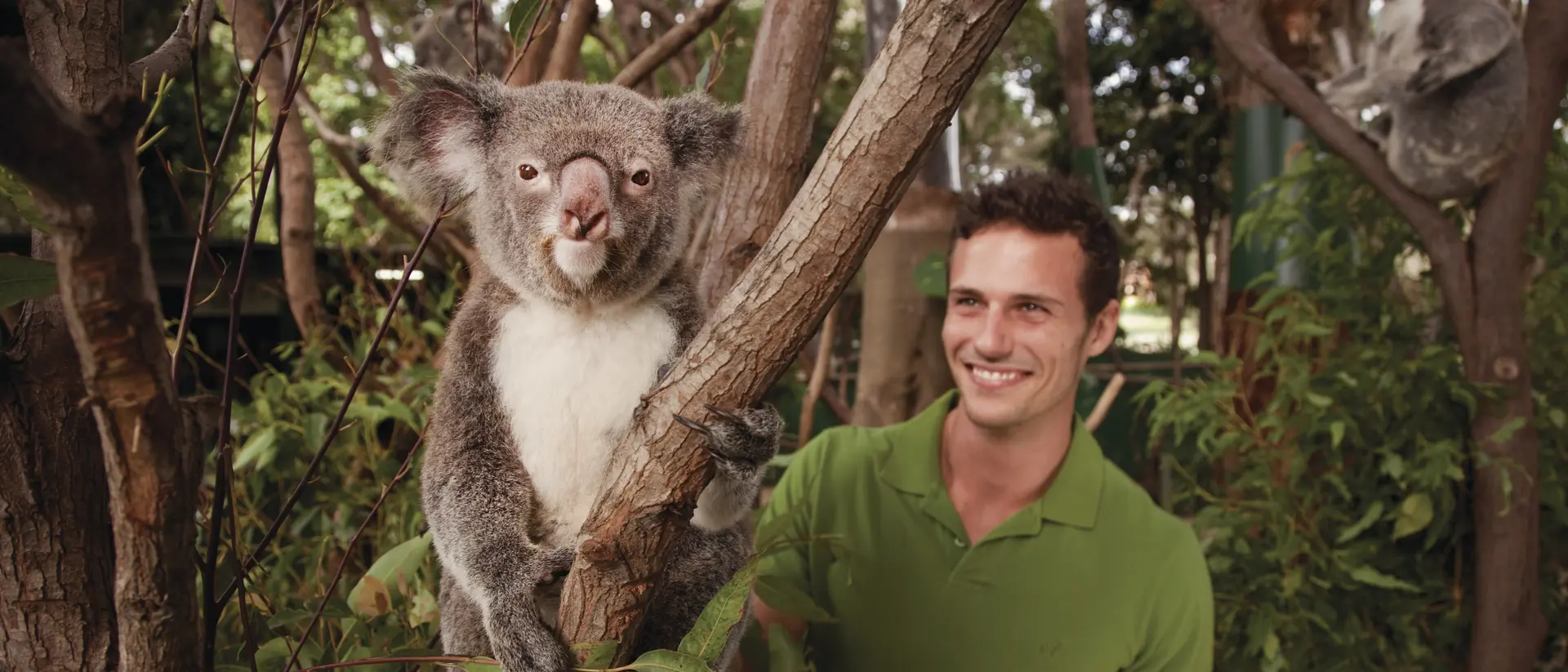
And though Australia is a top producer of beef and lamb (not to mention such endemic meats as crocodile, kangaroo and emu), the bounty of the country’s farms, forests and seas means that vegetarians and seafood lovers are also well attended to.
Iconic Australian Food Experiences
One of the most iconic elements of Australian food culture is the “barbie” or barbecue: Australians love to grill meats such as lamb, beef and sausages in outdoor settings with friends and family. Seafood is also quite prominent on menus, with barramundi, prawns, and Tasmanian salmon being popular choices.
In addition to kangaroo and emu, classic Australian ingredients include quandong and finger limes—native fruits long used by the country’s Aboriginal population. Look for them in jams, chutneys, and sauces.
And don’t conclude your Australian food tour without trying one or more of the following: a hearty meat pie, the famous Vegemite spread on toast, or a classic dessert like the pavlova. As Destination Specialist Alice Teramoto, puts it: “I have two favourite dishes: meat pies and pavlova. It’s a tie!”
Wine, Beer & Coffee: Australia’s Beverage Scene
Whether it’s wine, beer, coffee or tea, drinking is a big part of Australian culture, so you’re likely to indulge in one or more on your tour of the country.
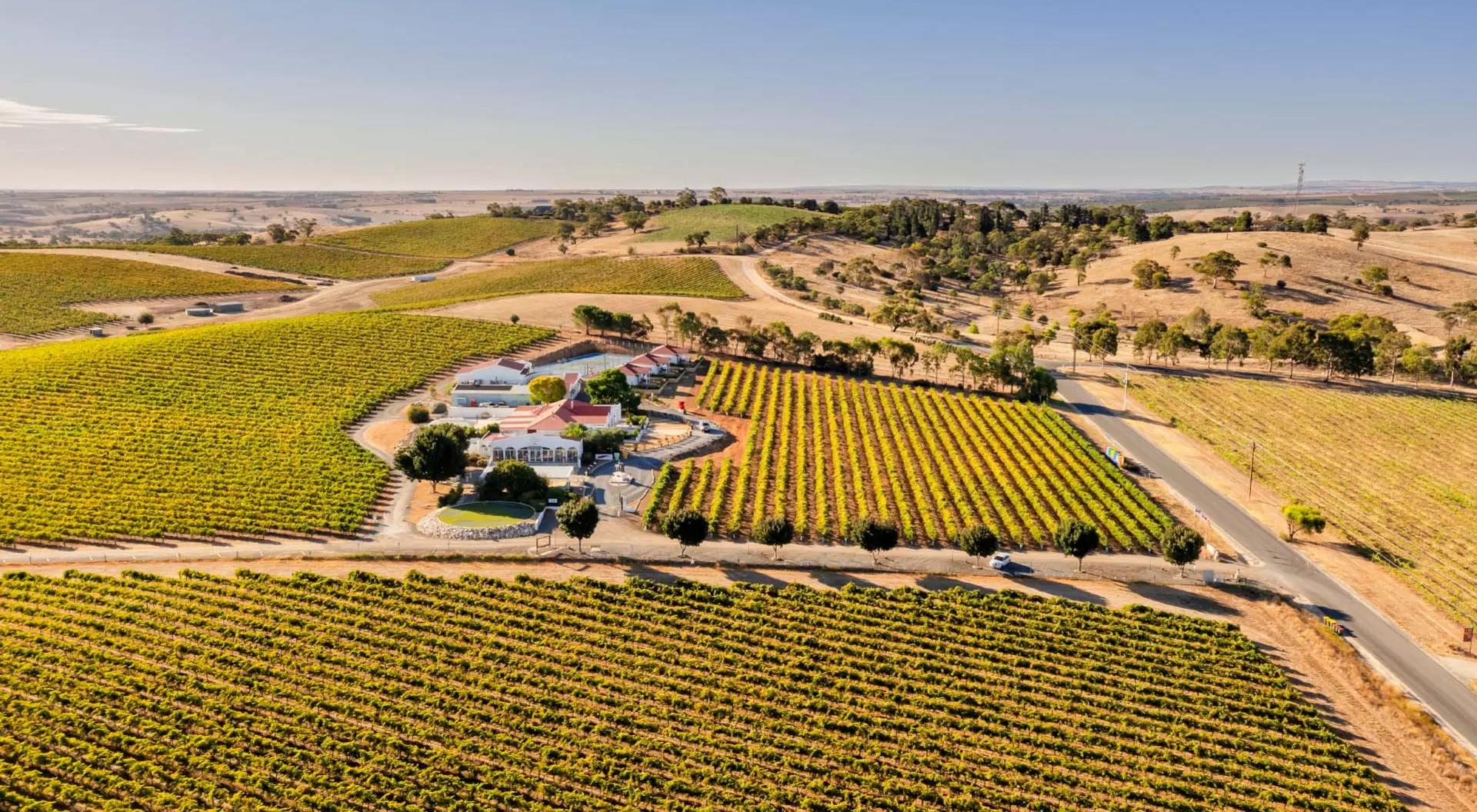
In particular, Australia is known for its world-class wines and wine tours—top regions include the Barossa Valley near Adelaide and Margaret River south of Perth.
Craft beer and coffee culture have also gained popularity, and in recent years there has also been a rise in distilleries, particularly gin. “Australia has a robust coffee culture, and trying a flat white is definitely a must!” shares Destination Specialist Alice Teramoto. “Among the best places to experience the latter are the laneway cafes of Melbourne.”
Dining & Drinking Etiquette
While Australian dining is generally relaxed, there are a few customs to remember during your Australia vacation. Punctuality is important and a sign of respect, while the formality of dress codes varies by venue and occasion. Meals are often served family-style, with dishes shared among the group. If you’re invited to a barbie at someone’s home, it is thoughtful to bring a small gift such as wine, dessert or something to throw on the grill.
Destination Specialist Alice Teramoto has her own favourite drink - “I always enjoy a lemon, lime, and bitters (LLB) when I visit Australia. A mixed drink made with clear lemonade, lime cordial and Angostura bitters, it’s often called Australia’s national drink.”
In terms of drinking, it’s unlikely you’ll encounter a social gathering without drinks. Going out for wine, cocktails or coffee to celebrate or to socialize is a common occurrence. Remember to join in any toasts before taking your first sip!
Dietary Restrictions & Limitations
Australia is quite accommodating when it comes to dietary restrictions, especially in big cities and popular tourist destinations. In major urban centres such as Sydney, Melbourne, and Brisbane, you'll find a rich variety of dietary options, from vegetarian and vegan to halal and kosher. Most restaurants and grocery stores cater to these dietary restrictions, which your Goway Destination Specialist can help you navigate.
What to Expect: Pricing & Value
The most affordable time to visit Australia is during the off-season, from June to August, during the country’s winter. Domestic and international tourism generally drops due to the cooler winter weather, making it easier to secure a table at Sydney and Melbourne’s hottest restaurants.
Also less expensive than prime summer season are the shoulder periods of spring (September to November) and fall (March to May). These are especially good times for food and wine lovers to visit: Spring sees the season’s bounty appear on tables and menus, while autumn is harvest time at the country’s farms and vineyards. Just remember that Australia’s southern hemisphere location means its seasons are opposite to those in the northern hemisphere.
In terms of cost, meal prices can vary across the country. On average, you can expect to pay around $25 to $30 USD per person for a meal, while more upscale dining options can cost $50 USD or more per person. Tipping won’t be expected during your Australia trip, but it’s always appreciated when you receive exceptional service.
Planning Your Culinary Journey
Hungry yet? Whether your ideal meal is jumbo prawns on the barbie by the coast or a seasonal feast in a bucolic vineyard, Australia offers something for every type of foodie. Book your tailor-made Australia culinary vacation with Goway today.
“It’s pretty casual everywhere during the day in Australia, but bring nice outfits for evenings if you want to dine out.” - Destination Specialist Alice Teramoto
Featured Australia Trip Ideas
Australia Travel PackagesClassic Australia: Sydney, Uluru, Reef & Melbourne
Sydney, New South Wales, Sydney Opera House, Bondi Beach, Atherton Tablelands, Queensland, Cairns, Great Barrier Reef, Northern Territory, Ayers Rock (Uluru), Victoria, and MelbourneDiscover Australia on an independent journey through harbour, reef, desert and city, where vibrant culture meets extraordinary natural beauty.
12 days
From US$4,747/p.p.
Request a Quote
Essence of Australia: Sydney, Rock and Reef
Atherton Tablelands, Queensland, Great Barrier Reef, Northern Territory, Ayers Rock (Uluru), Sydney, New South Wales, Sydney Opera House, and Bondi BeachDiscover the wonders of Australia on this journey! Experience Sydney’s famed landmarks, explore the majesty of Uluru, and snorkel the Great Barrier Reef.
11 days
From US$3,648/p.p.
Request a Quote
Aussie Fly & Stay: Melbourne, Great Barrier Reef & Sydney
Sydney, New South Wales, Sydney Opera House, Bondi Beach, Atherton Tablelands, Queensland, Cairns, Great Barrier Reef, Victoria, and MelbourneDiscover Australia on an air inclusive trip, mixing Independent and Small group touring, with coral reefs, ancient rainforest, wild coastlines, wildlife and harbour views.
12 days
From US$4,299/p.p.
Request a Quote
Classic Australia: Sydney, Uluru, Reef & Melbourne
Sydney, New South Wales, Sydney Opera House, Bondi Beach, Atherton Tablelands, Queensland, Cairns, Great Barrier Reef, Northern Territory, Ayers Rock (Uluru), Victoria, and MelbourneDiscover Australia on an independent journey through harbour, reef, desert and city, where vibrant culture meets extraordinary natural beauty.
12 days
From US$4,747/p.p.
Request a Quote
Essence of Australia: Sydney, Rock and Reef
Atherton Tablelands, Queensland, Great Barrier Reef, Northern Territory, Ayers Rock (Uluru), Sydney, New South Wales, Sydney Opera House, and Bondi BeachDiscover the wonders of Australia on this journey! Experience Sydney’s famed landmarks, explore the majesty of Uluru, and snorkel the Great Barrier Reef.
11 days
From US$3,648/p.p.
Request a Quote
Aussie Fly & Stay: Melbourne, Great Barrier Reef & Sydney
Sydney, New South Wales, Sydney Opera House, Bondi Beach, Atherton Tablelands, Queensland, Cairns, Great Barrier Reef, Victoria, and MelbourneDiscover Australia on an air inclusive trip, mixing Independent and Small group touring, with coral reefs, ancient rainforest, wild coastlines, wildlife and harbour views.
12 days
From US$4,299/p.p.
Request a Quote
Travel Stories
Get inspired about Your Trip to Australia
Australia’s Tastiest Journey Starts in Adelaide
Can we interest you in a white shiraz? A craft gin tasting in the middle of a beer-loving German town? Or perhaps a festive sparkling red, best served...
6 Special Events Worth Planning Your Vacation Around
Summer 2026 has been a marvellous reminder of the power of a special event to draw people from across the world. We’ve seen the world’s largest soccer...
Practical Road Trip Tips You Need to Know from Goway & CTV News
National Road Trip Day was two weeks ago, and I am thrilled to have celebrated the occasion with Leighanne Evans and the team at CTV Evening New...
Frequently Asked Questions
What is a typical Australian breakfast, lunch and dinner like?
Does Australia have any unique snacks or street foods?
Australia boasts a variety of distinctive snacks and street foods. Popular snacks include Vegemite on toast (Vegemite is a dark, salty spread made from yeast extract, typically eaten on toasted bread), Tim Tams (chocolate biscuits with a creamy filling) and Anzac biscuits (cookies made with rolled oats, flour, butter, sugar and coconut).
Beloved street foods, meanwhile, include meat pies (savoury pastries filled with minced meat and gravy), chiko rolls (deep-fried rolls filled with beef, vegetables and barley) and sausage sizzles (grilled sausages served in bread, often with onions and sauces).
Are there any foods or drinks unique to certain regions or cities?
Australia has a number of regional specialties. The Yarra Valley in Victoria, for instance, is famous for its artisanal cheeses and preserves as well as its wines, while Tasmania’s fresh seafood products, particularly its oysters and salmon, are highly regarded. Additionally, Outback regions are famous for incorporating bush tucker, native Australian ingredients such as kangaroo, emu, crocodile and quandong, into their cuisine.
Are there any famous Australian desserts or sweets?
Pavlova, a meringue-based dessert topped with fruit and whipped cream, is perhaps Australia’s signature dessert. Other popular sweets include lamingtons (square-shaped pieces of sponge cake coated in chocolate and coconut) and fairy bread (slices of white bread topped with butter and sprinkles, a classic Australian party food).
What are the most popular Australian beers and wines?
Australian beer brands like Carlton Draught, Victoria Bitter and Coopers Pale Ale are popular choices, especially for those seeking a refreshing lager. For craft beer enthusiasts, Pirate Life Brewing’s IPA and Kaiju! Beer's Aftermath are highly rated options. In the wine category, favourite Australian labels include Penfolds Grange, Yellow Tail, Jacob’s Creek and Rosemount. Among specific varietals, Clare Valley Riesling, Coonawarra Cabernet Sauvignon and Hunter Valley Semillon often get top marks.
Is tap water safe to drink in Australia?
Yes, you can safely drink the tap water throughout Australia. However, it’s important to verify the water-quality standards in the country’s more rural parts.
Are vegetarian, vegan or gluten-free options widely available?
Vegetarian, vegan and gluten-free options are widely available in Australia, particularly in urban areas. Over the past several years, supermarkets and restaurants have significantly increased their offerings to cater to these dietary needs, driven by a growing demand for plant-based and gluten-free options.
Are there any must-visit food markets or festivals?
Australia’s vibrant food scene includes numerous must-visit markets and festivals. Notable food festivals include the Melbourne Food and Wine Festival (typically held in March), Scenic Rim Eat Local Month in southeast Queensland (June) and Tasting Australia in Adelaide and environs (May). Popular food markets include the Carriageworks Farmers Market in Sydney, the Noosa Farmers Market on the Sunshine Coast, Victoria Market in Melbourne, Adelaide Central Market and if you make it to the top end, Mindil Market in Darwin.
What are the typical operating hours for cafes, restaurants and bars?
Cafes and coffee shops tend to open early in Australia (between 6:00 and 7:30 a.m.) but are often closed by mid to late afternoon (from 2:00 to 5:00 p.m.). Restaurants serve lunch from around 11:00 a.m. to 2:00 p.m., while dinner seatings often begin at 6:00 p.m. and conclude around 10:00 or 11:00 p.m. In the big cities, many bars and nightclubs will stay open until the early hours of the morning, especially on weekends. An exception are the country’s pubs, which close much earlier (around 9:00 or 10:00 p.m.).
What are the best places to experience fine dining or casual eats?
There is no shortage of fine dining establishments in Sydney, Melbourne and other big centres, many of which boast world-class restaurant scenes. (Some of the most acclaimed spots are Quay and Bennelong in Sydney and Attica in Melbourne,) When it comes to casual fare, pubs are as popular for their food as they are for their beer, offering everything from classic staples like chicken parmigiana and schnitzels to Asian cuisine, pizza and vegan options. Also popular for quick bites in Australia are its bakeries, which serve up both sweet and savoury fare, including the eternally beloved meat pies and sausage rolls.
Australia Travel Information
Not sure which theme is right for you?
Unlock more by subscribing to our newsletter.
With our newsletter, you’ll get access to regular communications that inspire you and help you explore the world your way.Exclusive Savings
Insider Benefits
Trending Stories

ExcellentBased on 5,306 ReviewsWe have used Goway several times to plan simple & more complicated trips. The last 2 trips we worked with Brooke Theron who is extremely customer focused. She listens well & is alway flexible to look at alternatives. We will continue using this representative & Goway.
Our only criticism is that they do not break down the various costs of a trip which makes tipping very awkward. It can also create a sense of " mistrust" when all the costs are not transparent. Cheryl HayesOur trip to Switzerland was an amazing experience. Our travel agent at GoWay, Bo was so helpful in helping my husband Louie plan just what we wanted to do on this trip. Taking the trains thru the county was easy by the many hours Louie and Bo worked on this. Also our helicopter ride in Zermatt on my birthday was just unbelievable. Flying around the Matterhorn and the Alps is one flight we will never forget. Thanks Bo for setting this up. The trip was one incredible adventure that we will never forget. Thanks again Bo, Lynn Gerber. Lynn GerberWe booked a Goway tour to Botswana and Zimbabwe and it was excellent. We worked with Brooke, the Goway represntative, to set up the tour and she was an outstanding agent who answered any questions we had very quickly and completely. Her hotel recommendation for the additional night we stayed was pefect.
Goway hires a local tour group, Jenman Safaris, to lead the safari in the 2 countries. The tour itself was amazing...the lodges that we stayed at were very nice and the food was great (except for one lodge's food). The Goway itinerary was slightly different than the actual Jenman Safari itinerary but most of the sites that we went to were the same as listed on the Goway itinerary. I would use Goway again because their choice of a local tour group was very good...nice lodges/camps and good food and knowledgeable tour guides.Ma FaOur GoWay tour representative, Michael Keon, was on top of all of our concerns and questions in a professional manner and we look forward to working with him in the future. Michael was very easy to work with and treated us like family.ThomasMatthew handled my honeymoon couple's very specific African itinerary like a pro! My clients went to four different travel agents who only wanted to send them on safaris. My clients had already done safaris and were specific on what they wanted to do and see. Matthew hit the nail on the head! Highly recommend!Amanda SchottSeamless prompt excellent communication from our first query about a possible destination to follow-up after the trip ended. Shalini’s knowledge, advice and enthusiasm were invaluable. JaneJacqueline Fagioli from Goaway Travel is excellent and very helpful and supportive. VenessaOur travel agent, Melissa Moses, created the perfect itinerary for our recent holiday to Portugal. Melissa had also planned our previous trip to England/Scotland. We have a great deal of confidence in her ability as she really listens to what we are looking for and she caters the plans according to our comfort levels and interests. customerJacqueline F. made our trip exceptional. Everything she planned or reserved worked out as it was supposed to. Croatia was amazing and I feel we were able to explore a lot of it because of Jacqueline.AllenThis was the first time we had utilized Goway. We wanted a custom itinerary for a 3 week Italy, Athens and Greek Island adventure. Edwina Brislane was receptive to our goals for the trip, had helpful suggestions and reacted well to our requested revisions. Lisa Dachuk helped "tie a ribbon" on the trip and ensured we had considered all aspects of the experience. Lisa dealt quickly with a couple of requests while on the trip and celebrated a successful trip with us.
We enjoyed working with both Edwina and Lisa. Their knowledge and enthusiasm contributed to our very memorable trip.Dan & Gail
Verified
Verified
Verified
Verified
Verified
Verified
Verified
Verified
Verified
Verified