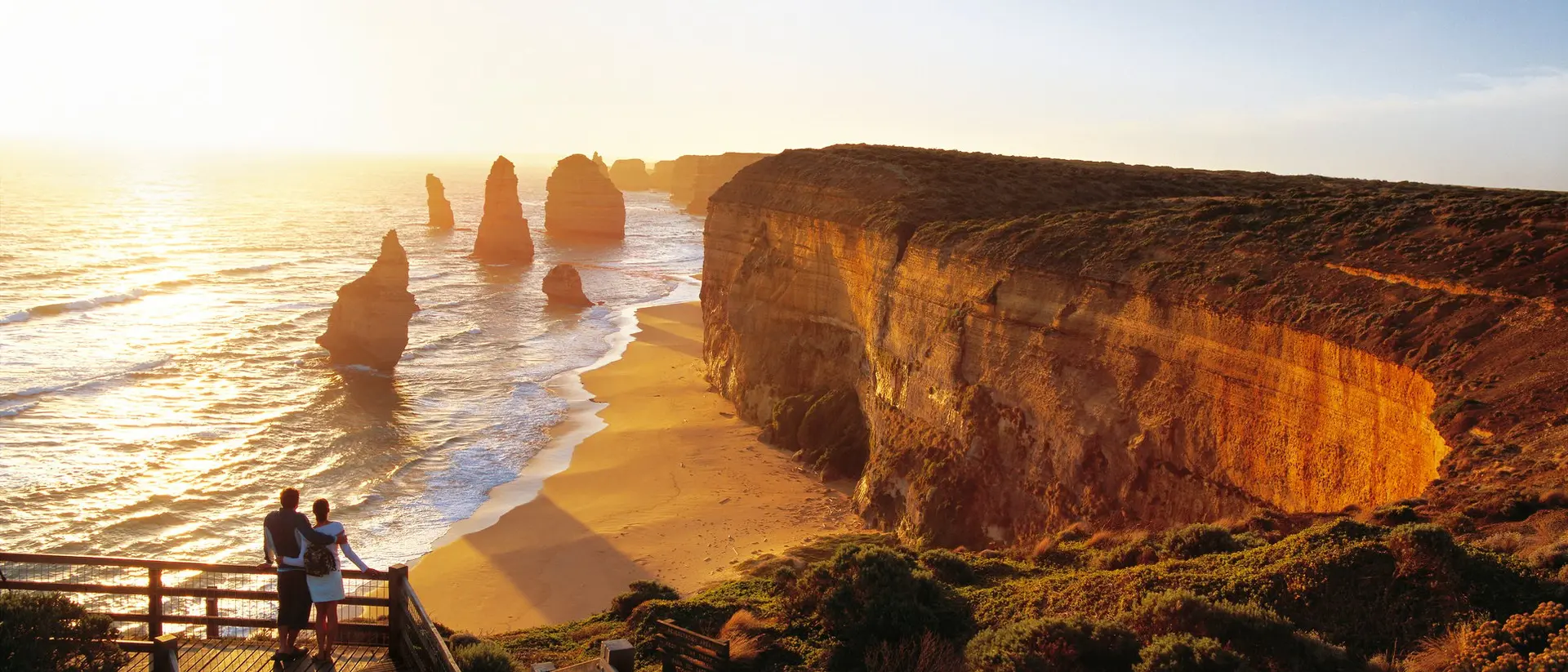

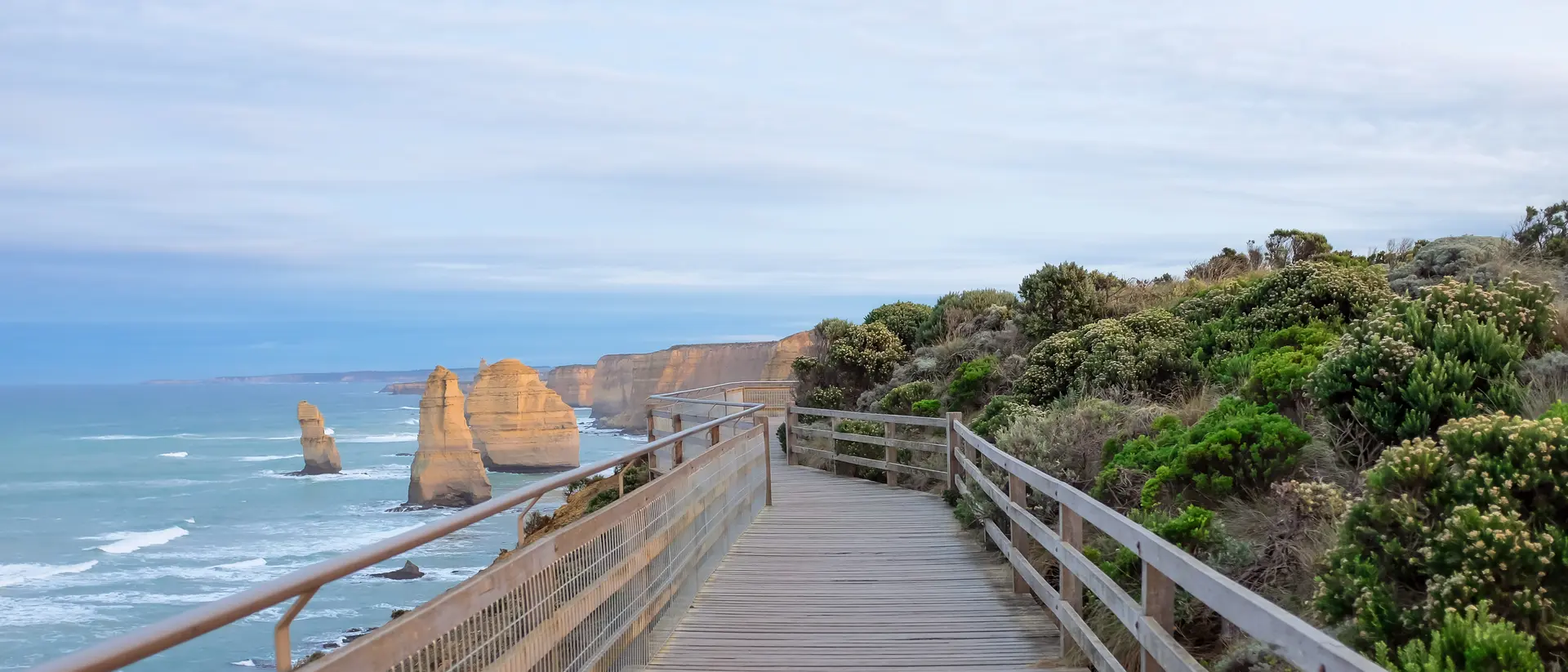


The best months for temperate weather in the southern half of Australia are generally March to May (autumn) and September to November (spring). These months offer mild temperatures and fewer crowds. The wet season in northern Australia is generally from November to April.
Australia Travel Information
Not sure which theme is right for you?
Best Time to Visit
Whether you enjoy beachgoing, hiking, exploring cities or viewing wildlife, Australia offers a wide range of experiences throughout the year and across its diverse landscapes. The best time to visit Australia depends on your weather preferences and on the activities you’d like to do. It also has many festivals and events around which you can plan your Australia vacation. Speak to a Destination Specialist to plan your perfect Australia escape.
Understanding Australia’s Seasons
Australia’s seasons are opposite to those in the Northern Hemisphere, with summer in Australia coinciding with winter in many northern countries and vice versa. Here’s a seasonal breakdown of a full year Downunder:
· Spring in Australia: September to November
· Summer in Australia: December to February
· Autumn in Australia: March to May
· Winter in Australia: June to August
The country’s vast size, however, also means that its climate varies greatly from region to region, even within the same season. Some areas, such as the north, have a tropical wet and dry season, while others in the south, southeast, and western parts of the country experience milder, temperate climates.
“It might sound cliche, but you really can visit year-round,” says Destination Specialist Alice Teramoto. “Australia is a big country, so there is always somewhere with amazing weather!”
The Best Times to Visit Australia According to Your Interests
If you have a specific interest or activity in mind, note that certain times of the year are more conducive to beachgoing, wine tours or viewing wildlife than others. Here is a primer for when to visit Australia according to what thrills you most.
Hitting the beach
For sea, sand and suntanning, summer (December to February) is the best time to visit southern Australia, the sub-tropical Gold and Sunshine Coasts, and the Great Barrier Reef. Temperatures are warmest then and the days are longest.
Catching waves
The Australian winter (June to August) offers the most reliable conditions for surfing, although good waves can be found around Australia pretty much throughout the year.
Spotting wildlife
Although you can see wildlife in Australia throughout the year, the best time to view the country’s distinctive marsupials in places such as Kangaroo Island is during spring (when many animals are giving birth or emerging from pouches), while the Australian winter is ideal for whale watching in the Sydney area and around New South Wales. In coastal Queensland, turtle hatching season typically occurs between November and March, with most hatchlings emerging in January and February.
Hiking and trekking
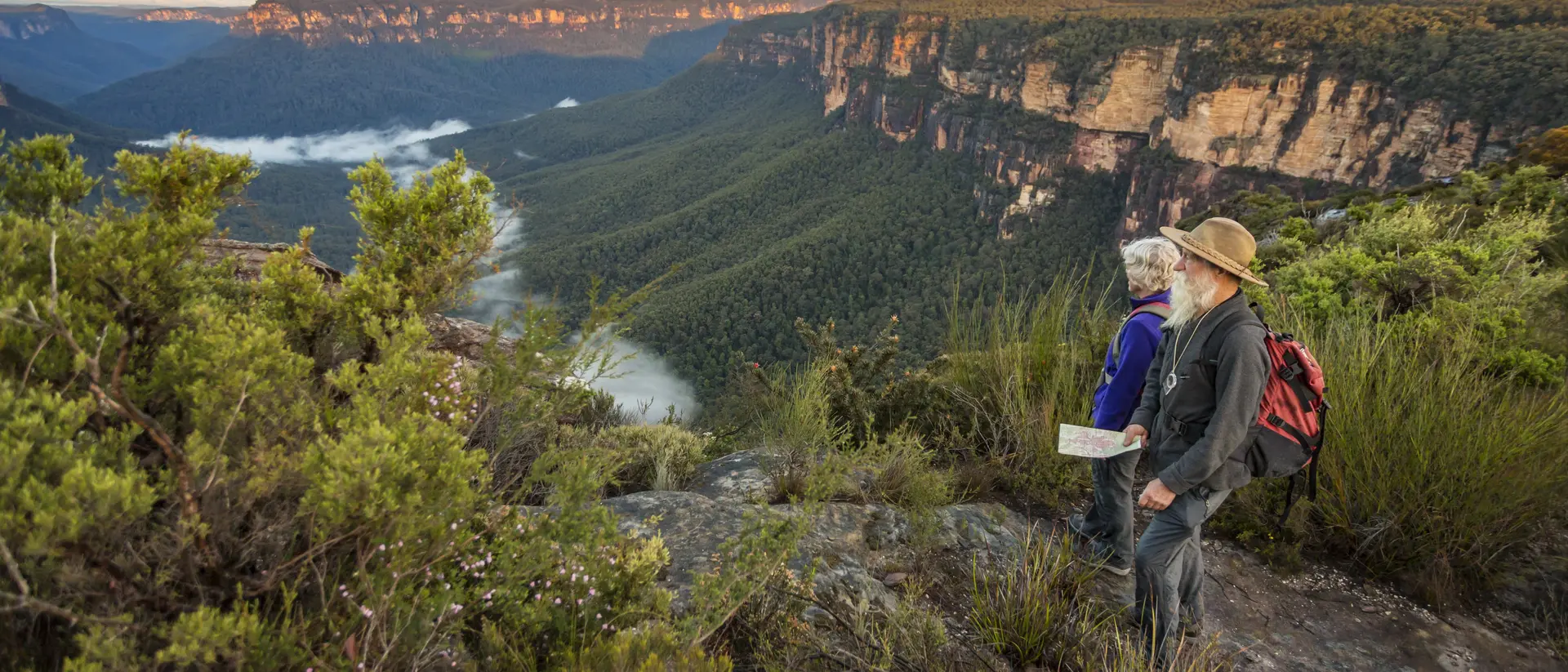
In terms of hiking, the mild temperatures of the country’s spring and fall are ideal for treks in various regions, such as Tasmania or the Southern Alps. Spring is also an excellent time to explore the Outback, including Uluru (temperatures are more comfortable and the heat is less intense then).
Wining and dining
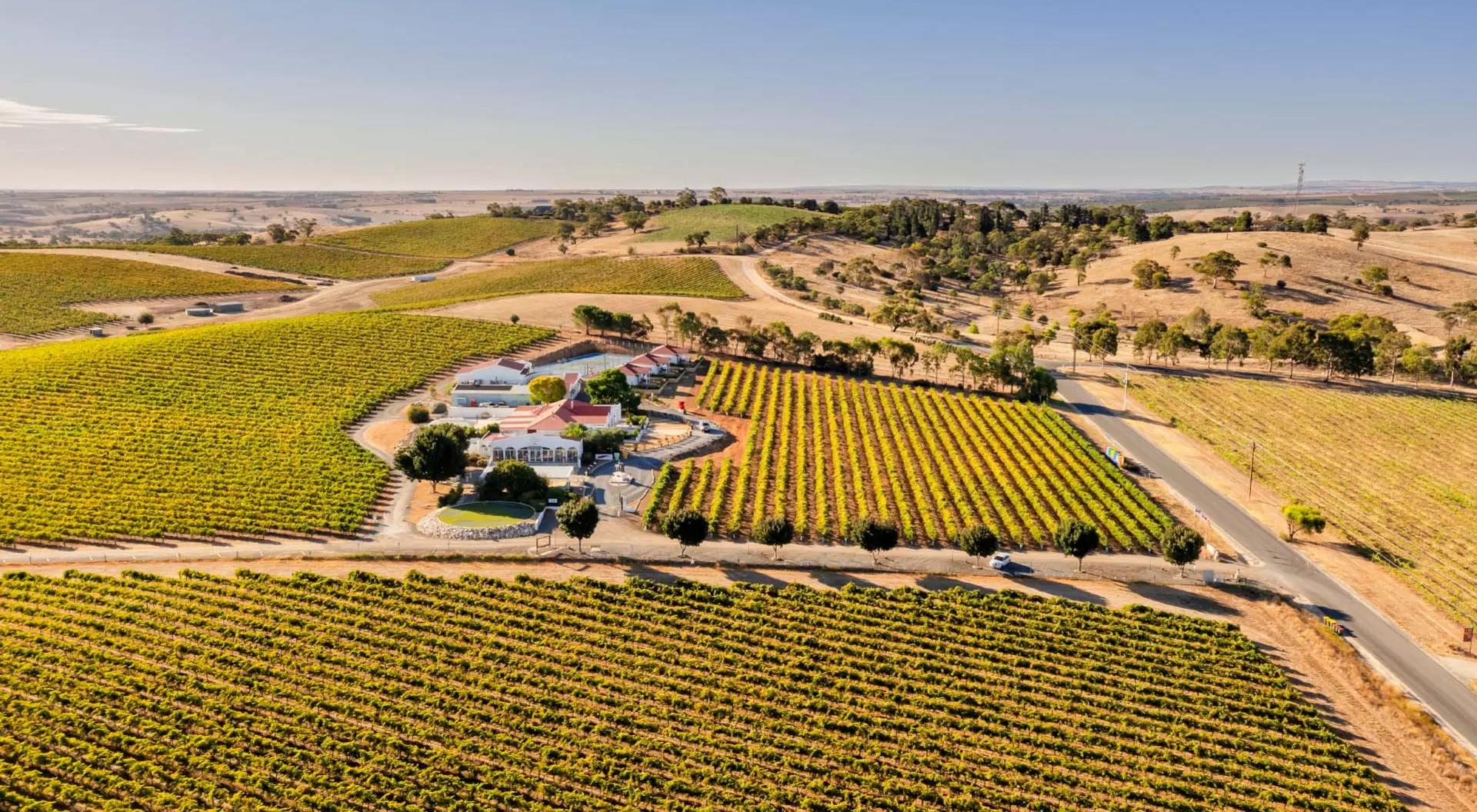
While Australia offers world-class food and restaurants year-round, spring is the ideal time for winery tours and tastings as the vineyards are in full bloom, while autumn sees the harvesting of grapes and other fruits and the sampling of new vintages and products. Spring and fall are also the best times to take in major food events, such as the Melbourne Food & Wine Festival, which is held every March.
Festival-going
A host of other festivals, arts celebrations and sports events take place in Australia throughout the year, from the Australian Open in January to Vivid Sydney in July.
Contact us to customize your Australia trip around your interests and passions.
Let the Seasons Shape Your Australia Journey
Looking to avoid crowds (and higher prices)? When you go to Australia can be as significant as where you go.
High season
Australia’s summer (December to February) is also its peak travel period, offering warmer weather and longer daylight hours as well as bigger tourist crowds.
Shoulder seasons
Australia’s shoulder seasons (March to May and September to November) provide a balance between pleasant weather, fewer crowds and more reasonable prices.
Low season
Australia’s off-peak season (typically June to August) offers the lowest prices on flights and accommodation along with fewer crowds, making it a great time for budget-conscious travelers and those seeking a more relaxed experience.
Regional Highlights to Plan Your Australia Travels Around
Due to its large size and diverse geography, Australia encompasses a wide range of climate regions.
The Tropical North
The northern part of the country, including Darwin and Cairns, is largely tropical, with hot and humid conditions year-round and distinct wet and dry seasons.
The Subtropical Eastern Coast
Southern Queensland and the Southern Great Barrier Reef are semi-tropical, offering pleasant temperatures throughout the year but very balmy summers.
The Four-Season South
The south and southeastern parts of Australia, which include Sydney, Melbourne, and Adelaide, go through distinct seasons, ranging from warm or hot summers to cool and cold winters.
The Arid Outback
Australia’s vast Outback region, including Uluru, is primarily desert-like, experiencing extreme temperatures and limited rainfall. It can get unbearably hot during summer and surprisingly cold during the winter months in the night and early mornings.
The Temperate West
Western Australia, including Perth, enjoys a Mediterranean-style climate, meaning hot, dry summers and mild, wet winters.
For more details on these destinations, consult our full range of Australia Vacation Packages.
How Long Should You Stay in Australia?
Experiencing the Highlights
Ten days to two weeks is enough to comfortably explore Australia’s top draws, from Sydney and Melbourne to the Great Barrier Reef and the Outback. However, the country’s vast size, expansive geography, and unique culture amply reward longer stays.
Doing a Deeper Dive
If you have three weeks or more, consider adding Tasmania, Kangaroo Island, or points in Western Australia to your itinerary. These areas are located near major cities such as Sydney, Melbourne, and Perth, making them easy to incorporate into a tour of Australia.
Picking a Theme
Themed itineraries, such as ones focused on wildlife or on single cities such as Brisbane, are also an efficient way of maximizing your time. For a timeframe and must-see list that works best for you, consult one of our many Destination Specialists.
“Sydney and Melbourne are a great combination for first-time visitors to Australia, with Brisbane, Adelaide and/or the Outback added in, depending on how much time you have,” Destination Specialist Alice Teramoto says. “Returnees should take in Perth, Darwin, and the Kakadu National Park area and/or Tasmania if they can, plus spend some time in the cities they loved the first time around.
Featured Australia Trip Ideas
Australia Travel PackagesClassic Australia: Sydney, Uluru, Reef & Melbourne
Sydney, New South Wales, Sydney Opera House, Bondi Beach, Atherton Tablelands, Queensland, Cairns, Great Barrier Reef, Northern Territory, Ayers Rock (Uluru), Victoria, and MelbourneDiscover Australia on an independent journey through harbour, reef, desert and city, where vibrant culture meets extraordinary natural beauty.
12 days
From US$4,747/p.p.
Request a Quote
Essence of Australia: Sydney, Rock and Reef
Atherton Tablelands, Queensland, Great Barrier Reef, Northern Territory, Ayers Rock (Uluru), Sydney, New South Wales, Sydney Opera House, and Bondi BeachDiscover the wonders of Australia on this journey! Experience Sydney’s famed landmarks, explore the majesty of Uluru, and snorkel the Great Barrier Reef.
11 days
From US$3,648/p.p.
Request a Quote
Aussie Fly & Stay: Melbourne, Great Barrier Reef & Sydney
Sydney, New South Wales, Sydney Opera House, Bondi Beach, Atherton Tablelands, Queensland, Cairns, Great Barrier Reef, Victoria, and MelbourneDiscover Australia on an air inclusive trip, mixing Independent and Small group touring, with coral reefs, ancient rainforest, wild coastlines, wildlife and harbour views.
12 days
From US$4,299/p.p.
Request a Quote
Classic Australia: Sydney, Uluru, Reef & Melbourne
Sydney, New South Wales, Sydney Opera House, Bondi Beach, Atherton Tablelands, Queensland, Cairns, Great Barrier Reef, Northern Territory, Ayers Rock (Uluru), Victoria, and MelbourneDiscover Australia on an independent journey through harbour, reef, desert and city, where vibrant culture meets extraordinary natural beauty.
12 days
From US$4,747/p.p.
Request a Quote
Essence of Australia: Sydney, Rock and Reef
Atherton Tablelands, Queensland, Great Barrier Reef, Northern Territory, Ayers Rock (Uluru), Sydney, New South Wales, Sydney Opera House, and Bondi BeachDiscover the wonders of Australia on this journey! Experience Sydney’s famed landmarks, explore the majesty of Uluru, and snorkel the Great Barrier Reef.
11 days
From US$3,648/p.p.
Request a Quote
Aussie Fly & Stay: Melbourne, Great Barrier Reef & Sydney
Sydney, New South Wales, Sydney Opera House, Bondi Beach, Atherton Tablelands, Queensland, Cairns, Great Barrier Reef, Victoria, and MelbourneDiscover Australia on an air inclusive trip, mixing Independent and Small group touring, with coral reefs, ancient rainforest, wild coastlines, wildlife and harbour views.
12 days
From US$4,299/p.p.
Request a Quote
Most Popular Time to Travel
Know when to go.
Place
Conditions
Daily max temperatureMonthly rainfall
AdelaideMostly Sunny
31°C / 88°F
25mm / 1.0"
Alice SpringsMostly Sunny
31°C / 88°F
25mm / 1.0"
BrisbaneMostly Sunny
33°C / 91°F
40mm / 1.6"
CairnsPartly Cloudy
33°C / 91°F
25mm / 1.0"
CanberraPartly Cloudy
27°C / 81°F
35mm / 1.4"
DarwinMostly Sunny
30°C / 86°F
7mm / 0.3"
Weather data is based on monthly averages.Popularity rating
-
Travel Stories
Get inspired about Your Trip to Australia
Australia’s Tastiest Journey Starts in Adelaide
Can we interest you in a white shiraz? A craft gin tasting in the middle of a beer-loving German town? Or perhaps a festive sparkling red, best served...
6 Special Events Worth Planning Your Vacation Around
Summer 2026 has been a marvellous reminder of the power of a special event to draw people from across the world. We’ve seen the world’s largest soccer...
Practical Road Trip Tips You Need to Know from Goway & CTV News
National Road Trip Day was two weeks ago, and I am thrilled to have celebrated the occasion with Leighanne Evans and the team at CTV Evening New...
Frequently Asked Questions
What are the best months to visit Australia for good weather?
How do Australia’s seasons differ from those in the Northern Hemisphere?
Australia’s seasons are the opposite of those in the Northern Hemisphere. This means that when it's summer in the Northern Hemisphere (June to August), it's winter in Australia. Conversely, when it's winter in the Northern Hemisphere (December to February), it's summer in Australia.
When is the peak tourist season in Australia?
The peak tourist season in Australia is during its summer months, from December to February. This is when the weather is hottest and most people flock to its beaches and summer festivals.
When are the shoulder seasons in Australia?
In Australia, the shoulder seasons run generally from March to May (autumn) and September to November (spring). These periods are recommended for travel because of their combination of pleasant weather, fewer crowds and lower prices compared to the peak summer and winter seasons.
When are flights and accommodation most affordable?
The shoulder seasons (April to June and September to November) as well as the winter months (June to August) generally offer the most affordable flights and accommodation in Australia. These periods coincide with fewer crowds and more moderate weather conditions, allowing for budget-friendly travel.
What is the best time to visit specific cities like Sydney, Melbourne or Perth?
Although Australia’s cities offer year-round appeal, the best time to visit its biggest centres may be spring (September to November) or autumn (March to April). Cities such as Sydney and Melbourne host world-class events during these periods, and you'll avoid the summer tourist crowds. These months also offer the perfect weather for sightseeing, wine tours, and beachcombing, plus greater access to gourmet restaurants.
When is the best time to visit the Great Barrier Reef or go snorkeling?
The best time to visit the Great Barrier Reef for snorkeling is during the dry season, from May to October. During this period, the weather is generally clear, temperatures are pleasant and rainfall is scant, resulting in optimal water visibility for snorkeling. The dry season also avoids the stinger season, which coincides with the summer months
What months are best for hiking or outdoor activities?
The best time for hiking and outdoor activities in Australia generally falls during the shoulder seasons: March to May (autumn) and September to November (spring). These months offer milder temperatures, fewer crowds and a lower risk of extreme weather compared to summer or winter.
When can I see unique wildlife, such as whale migrations or wildflowers?
Whale migrations in Australia primarily involve humpback whales traveling between Antarctic feeding grounds and warmer waters for breeding. The voyages occur along both the east and west coasts, with the peak season for the northern migration between June and August and the southern migrations between September to November. Wildflower season, particularly in Western Australia, is generally from May to November, with the peak viewing period from late July to early October.
What is the wet and dry season in northern Australia, and how does it affect travel?
Northern Australia experiences distinct wet and dry seasons, significantly impacting travel. The dry season (May to October) is characterized by clear skies, lower humidity and comfortable temperatures, making it the ideal time for outdoor activities and tourism. Conversely, the wet season (November to April) brings heavy rainfall, high humidity and the possibility of cyclones, which can lead to road closures and affect accessibility to certain areas.
Are there certain times to avoid due to extreme heat, rain or crowds?
Yes, certain times should be avoided in Australia due to extreme weather conditions as well as crowds. During the summer (December to February), the country often experiences intense heat, especially in the interior and northern regions; temperatures can reach extreme levels, potentially impacting outdoor activities. From November to April, the northern regions are also prone to heavy rainfall and sometimes cyclones, meaning that travel to these areas may be disrupted and access to some locations such as national parks restricted.
Australia Travel Information
Not sure which theme is right for you?
Unlock more by subscribing to our newsletter.
With our newsletter, you’ll get access to regular communications that inspire you and help you explore the world your way.Exclusive Savings
Insider Benefits
Trending Stories

ExcellentBased on 5,306 ReviewsWe have used Goway several times to plan simple & more complicated trips. The last 2 trips we worked with Brooke Theron who is extremely customer focused. She listens well & is alway flexible to look at alternatives. We will continue using this representative & Goway.
Our only criticism is that they do not break down the various costs of a trip which makes tipping very awkward. It can also create a sense of " mistrust" when all the costs are not transparent. Cheryl HayesOur trip to Switzerland was an amazing experience. Our travel agent at GoWay, Bo was so helpful in helping my husband Louie plan just what we wanted to do on this trip. Taking the trains thru the county was easy by the many hours Louie and Bo worked on this. Also our helicopter ride in Zermatt on my birthday was just unbelievable. Flying around the Matterhorn and the Alps is one flight we will never forget. Thanks Bo for setting this up. The trip was one incredible adventure that we will never forget. Thanks again Bo, Lynn Gerber. Lynn GerberWe booked a Goway tour to Botswana and Zimbabwe and it was excellent. We worked with Brooke, the Goway represntative, to set up the tour and she was an outstanding agent who answered any questions we had very quickly and completely. Her hotel recommendation for the additional night we stayed was pefect.
Goway hires a local tour group, Jenman Safaris, to lead the safari in the 2 countries. The tour itself was amazing...the lodges that we stayed at were very nice and the food was great (except for one lodge's food). The Goway itinerary was slightly different than the actual Jenman Safari itinerary but most of the sites that we went to were the same as listed on the Goway itinerary. I would use Goway again because their choice of a local tour group was very good...nice lodges/camps and good food and knowledgeable tour guides.Ma FaOur GoWay tour representative, Michael Keon, was on top of all of our concerns and questions in a professional manner and we look forward to working with him in the future. Michael was very easy to work with and treated us like family.ThomasMatthew handled my honeymoon couple's very specific African itinerary like a pro! My clients went to four different travel agents who only wanted to send them on safaris. My clients had already done safaris and were specific on what they wanted to do and see. Matthew hit the nail on the head! Highly recommend!Amanda SchottSeamless prompt excellent communication from our first query about a possible destination to follow-up after the trip ended. Shalini’s knowledge, advice and enthusiasm were invaluable. JaneJacqueline Fagioli from Goaway Travel is excellent and very helpful and supportive. VenessaOur travel agent, Melissa Moses, created the perfect itinerary for our recent holiday to Portugal. Melissa had also planned our previous trip to England/Scotland. We have a great deal of confidence in her ability as she really listens to what we are looking for and she caters the plans according to our comfort levels and interests. customerJacqueline F. made our trip exceptional. Everything she planned or reserved worked out as it was supposed to. Croatia was amazing and I feel we were able to explore a lot of it because of Jacqueline.AllenThis was the first time we had utilized Goway. We wanted a custom itinerary for a 3 week Italy, Athens and Greek Island adventure. Edwina Brislane was receptive to our goals for the trip, had helpful suggestions and reacted well to our requested revisions. Lisa Dachuk helped "tie a ribbon" on the trip and ensured we had considered all aspects of the experience. Lisa dealt quickly with a couple of requests while on the trip and celebrated a successful trip with us.
We enjoyed working with both Edwina and Lisa. Their knowledge and enthusiasm contributed to our very memorable trip.Dan & Gail
Verified
Verified
Verified
Verified
Verified
Verified
Verified
Verified
Verified
Verified