
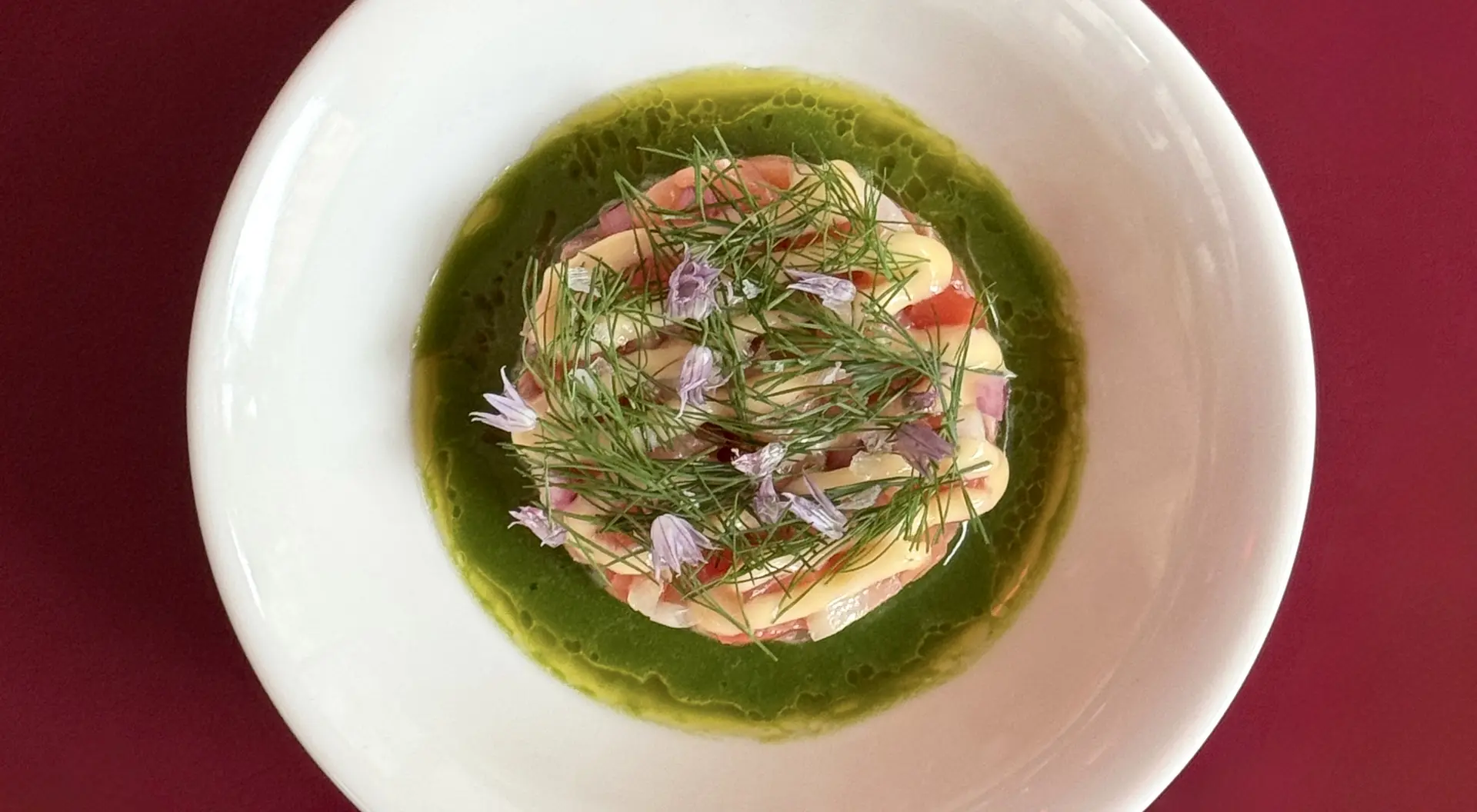
Portugal's traditional cuisine is heavily influenced by its maritime history. Codfish or bacalhau is often cited as the national dish, traditionally served in numerous ways, from grilled to baked with cream. The best time to visit is when seasonal treats like sardines, especially popular in the summer, and various pork dishes like leitão (suckling pig) are on offer at every restaurant. The cuisine is celebrated for its simplicity and reliance on high-quality, fresh ingredients. These dishes can be found throughout the country (ask your travel agency about all inclusive Portugal vacation packages!), from small seaside towns to high-end restaurants in major cities like Porto and Lisbon.
Portugal Travel Information
Not sure which theme is right for you?
Food & Drink
Portugal’s cuisine is a celebration of the sea, sun, and centuries of culinary tradition. From smoky grilled sardines at a summer street festival to warm pastels de nata dusted with cinnamon, food here is more than merely nourishment: It’s a cultural ritual and time-honoured connector, an invitation to slow down and to share life over a table of rustic dishes, fresh seafood, and very fine wines.
Whether you’re strolling through a bustling market in Lisbon, sampling port wine along the Douro River, or enjoying a home-cooked meal in a rural village, every bite tells a story of heritage and heart. Plan your own culinary odyssey through Portugal by speaking to one of our Destination Specialists today.
A Culinary Overview of Portugal
Portugal’s culinary identity is deeply rooted in its long maritime history and rich agricultural traditions.
Olive oil, crusty bread, artisan cheeses, and fragrant herbs form the backbone of everyday dining, while the Atlantic provides an endless bounty of fish and shellfish. From the cod-based bacalhau dishes beloved across the country to hearty meat stews in the northern highlands, Portuguese cuisine balances simplicity with depth of flavour.
You’ll taste the legacy of its global explorations in dishes infused with spices from Africa, rice from Asia, and tropical ingredients from Brazil. Regional differences add another layer of flavour. The north leans toward rich, warming fare, while the south celebrates lighter, Mediterranean-inspired meals. Along the coasts, seafood reigns supreme, often served grilled over open flames with little more than olive oil, salt, and lemon.
“Portugal’s food scene is incredible,” says Destination Specialist Danette Jeoffroy. “Start with bacalhau (codfish) and grilled sardines, then indulge in a pastel de nata with a strong espresso.”
Unique Portuguese Dining Experiences
No culinary journey through Portugal is complete without sampling its iconic dishes. First and foremost is bacalhau, the salt cod that comes in countless preparations, from creamy casseroles to grilled fillets.
In summer, grilled sardines take centre stage during lively festivals, while in Porto, Portugal’s second city, the indulgent francesinha sandwich is a must-try for hearty appetites.
For something sweet, pastels de nata, those golden custard tarts kissed with cinnamon, are pure perfection with coffee.
Small plates, known as petiscos, invite diners to linger and share, featuring everything from spiced sausages and regional cheeses to stews simmered in clay pots.
For a deeper dive, join a food walk tour in Lisbon or Porto, where the colours, aromas, and sounds of local life come alive. Cooking classes and wine-paired tastings offer another hands-on opportunity to learn the secrets behind Portugal’s most cherished recipes while connecting with the warm, welcoming locals who make them.
Portugal’s Diverse Beverages
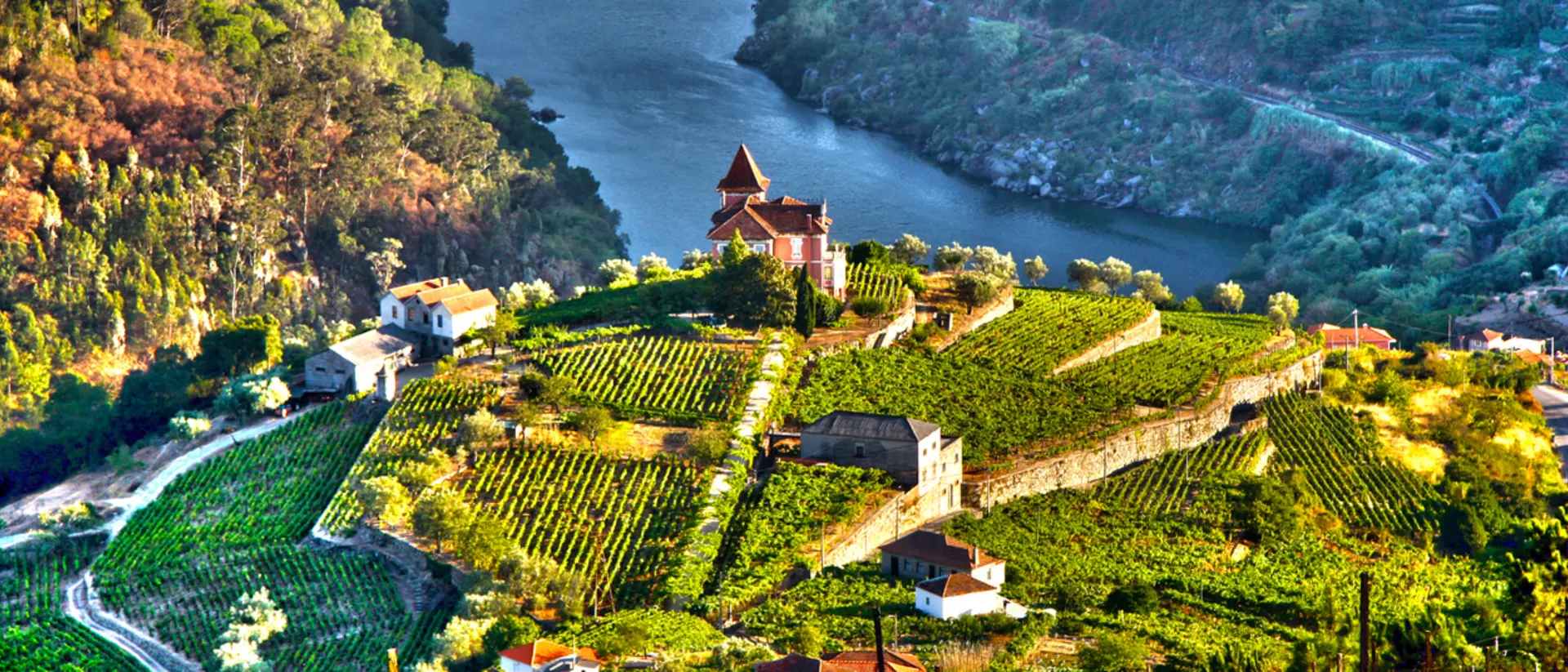
Portugal’s beverage culture is as distinctive as its cuisine, blending centuries-old traditions with vibrant social rituals. Start in Porto, where the sweet complexity of port wine is a point of pride. A visit to a riverside wine lodge in Vila Nova de Gaia offers insight into the aging process and, of course, a welcome tasting of this fortified marvel.
Further north, discover Vinho Verde, a crisp, lightly effervescent wine that pairs perfectly with seafood and summer days along the Minho River.
In the Alentejo region in the south, bold reds dominate the landscape, offering earthy, full-bodied flavours ideal for hearty dishes and rustic dining experiences.
Beyond wine, Lisbon tempts with ginjinha, a cherry liqueur traditionally sipped in tiny neighbourhood bars, often served in a chocolate cup for a sweet twist. And then there’s coffee: strong, dark espresso is not just a drink but a cultural institution. Locals linger in cafés, catching up with friends or simply watching the world go by, turning a quick coffee break into an art form.
Dining Etiquette in Portugal
Dining in Portugal is a relaxed yet respectful affair, grounded in the values of hospitality and togetherness. Meals typically begin only after the host signals, so wait before diving into the first bite. Sharing is common, particularly in traditional settings where petiscos—small plates akin to Spanish tapas—encourage conversation and connection.
Meal times lean later than North American norms. Lunch, the main meal of the day, runs from about 1:00 to 3:00 p.m., while dinner rarely starts before 8:00 p.m. Tipping is not obligatory but always appreciated, with five to 10 percent considered generous for good service. As for dress, Portugal strikes a balance between casual and elegant; smart casual attire is ideal for most restaurants, though upscale dining spots may call for something a little dressier.
Accommodating Dietary Needs in Portugal
Portugal’s cuisine celebrates the sea, so seafood is featured prominently on most menus. Travelers with shellfish allergies should inform restaurants in advance, especially when dining in coastal towns where fresh shellfish and seafood platters are common. Vegetarian travelers will find plenty of options in urban centres like Lisbon and Porto, where plant-forward dishes and creative adaptations of traditional recipes are increasingly popular.
Vegan and gluten-free options are on the rise, particularly in cosmopolitan areas and at health-focused eateries, but they can be limited in rural villages where menus lean traditional. If you have specific dietary needs, planning ahead is key. Fortunately, food labeling in supermarkets is clear and standardized, making self-catering easy if needed. With a little preparation and the right guidance, you can savour Portugal’s flavours while staying true to your dietary requirements.
Plan Your Portuguese Culinary Journey
Food is at the heart of the Portuguese experience, and Goway can turn your passion for gastronomy into an unforgettable journey. Imagine sampling petiscos in hidden taverns, sipping vintage port in the Douro Valley, or learning family recipes during a private cooking class in Lisbon. For wine lovers, a scenic route through Alentejo or a vineyard tour in the Minho region pairs perfectly with cultural sightseeing.
Our itineraries weave together culinary discovery and Portugal’s rich heritage, whether it’s blending a food tour with historic palaces or combining coastal hikes with seafood feasts. Let us craft the perfect food-lover’s trip to Portugal for you.
Featured Portugal Trip Ideas
Portugal Travel PackagesEssential Portugal: Porto, Lisbon & the Algarve
The Algarve, Lisbon, Pena National Palace, Jeronimos Monastery, and PortoDiscover Portugal’s highlights from Porto and Lisbon to the Algarve, with iconic sights, local flavours and plenty of time to unwind.
10 days
From US$2,520/p.p.
Request a Quote
Highlights of Lisbon & Madeira
Lisbon, Pena National Palace, Jeronimos Monastery, and MadeiraExplore Madeira’s volcanic pools, levada trails and crystal waters before discovering Lisbon, Sintra’s palaces and the Cascais coast.
8 days
From US$1,706/p.p.
Request a Quote
Portugal In Style: Douro, Lisbon & the Algarve
The Algarve, Lisbon, Pena National Palace, Jeronimos Monastery, and PortoFrom Porto's storied streets to Douro vineyards, Lisbon's grand monuments and the Algarve's coast, this is Portugal in refined, five-star style.
12 days
From US$5,839/p.p.
Request a Quote
Essential Portugal: Porto, Lisbon & the Algarve
The Algarve, Lisbon, Pena National Palace, Jeronimos Monastery, and PortoDiscover Portugal’s highlights from Porto and Lisbon to the Algarve, with iconic sights, local flavours and plenty of time to unwind.
10 days
From US$2,520/p.p.
Request a Quote
Highlights of Lisbon & Madeira
Lisbon, Pena National Palace, Jeronimos Monastery, and MadeiraExplore Madeira’s volcanic pools, levada trails and crystal waters before discovering Lisbon, Sintra’s palaces and the Cascais coast.
8 days
From US$1,706/p.p.
Request a Quote
Portugal In Style: Douro, Lisbon & the Algarve
The Algarve, Lisbon, Pena National Palace, Jeronimos Monastery, and PortoFrom Porto's storied streets to Douro vineyards, Lisbon's grand monuments and the Algarve's coast, this is Portugal in refined, five-star style.
12 days
From US$5,839/p.p.
Request a Quote
Travel Stories
Get inspired about Your Trip to Portugal
The Bounty of Budapest
Just after the server slid the bowl in front of me, my glasses began steaming up. The fumes, laden with the scent of rich beef and sweet, peppery papr...
8 Reasons to Book a Trip to Gran Canaria
If you ask North American globetrotters to name their dream Spanish destination, they'll likely tell you about the Gaudí spires of Barcelona, the gall...
Ask a Travel Expert: European River Cruising
Cruising remains one of the most popular travel styles, but European river cruising isn’t quite the same as boutique island cruises or the big ocean l...
Frequently Asked Questions
What is Portugal's traditional cuisine?
What is the dining etiquette in Portugal?
Dining on your Portugal vacation is typically a leisurely and social affair. Dishes are usually shared from communal plates, especially starters like cheeses and cured meats, but ask your travel guide if you have any questions about local customs. Leaving a little food on your plate is acceptable, indicating you are satisfied. Dining is often an extended experience, with time taken to enjoy each course and conversation.
What is the drinking etiquette in Portugal?
Drinking is both a legal and social activity in Portugal. On wine tours, known for offering a rich variety of wines and spirits, sipping a glass of port or vinho verde is common and accepted. When toasting, it's polite to make eye contact and clink glasses gently. Offering a drink to someone is a sign of hospitality and is generally reciprocated.
Does Portugal cater to any dietary restrictions?
Portugal is increasingly accommodating various dietary needs. While traditional cuisine heavily features fish and meat, vacation packages in larger cities offer a growing number of options for vegetarian, vegan, and gluten-free diets. Halal and kosher foods are less common but can be found in specific restaurants, particularly in cosmopolitan areas like Lisbon.
What do meals typically cost in Portugal?
The cost of meals in Portugal varies. Casual dining and snack bars offer affordable options, with meals ranging from US $5 to US $15. Mid-range restaurants can charge between US $15 and US $30 per person, while fine dining experiences in major cities, or on a tourist boat cruise, might cost US $30 and upwards. Traditional dishes, especially seafood, can be more expensive due to their freshness and quality.
Portugal Travel Information
Not sure which theme is right for you?
Unlock more by subscribing to our newsletter.
With our newsletter, you’ll get access to regular communications that inspire you and help you explore the world your way.Exclusive Savings
Insider Benefits
Trending Stories

ExcellentBased on 5,306 ReviewsWe have used Goway several times to plan simple & more complicated trips. The last 2 trips we worked with Brooke Theron who is extremely customer focused. She listens well & is alway flexible to look at alternatives. We will continue using this representative & Goway.
Our only criticism is that they do not break down the various costs of a trip which makes tipping very awkward. It can also create a sense of " mistrust" when all the costs are not transparent. Cheryl HayesOur trip to Switzerland was an amazing experience. Our travel agent at GoWay, Bo was so helpful in helping my husband Louie plan just what we wanted to do on this trip. Taking the trains thru the county was easy by the many hours Louie and Bo worked on this. Also our helicopter ride in Zermatt on my birthday was just unbelievable. Flying around the Matterhorn and the Alps is one flight we will never forget. Thanks Bo for setting this up. The trip was one incredible adventure that we will never forget. Thanks again Bo, Lynn Gerber. Lynn GerberWe booked a Goway tour to Botswana and Zimbabwe and it was excellent. We worked with Brooke, the Goway represntative, to set up the tour and she was an outstanding agent who answered any questions we had very quickly and completely. Her hotel recommendation for the additional night we stayed was pefect.
Goway hires a local tour group, Jenman Safaris, to lead the safari in the 2 countries. The tour itself was amazing...the lodges that we stayed at were very nice and the food was great (except for one lodge's food). The Goway itinerary was slightly different than the actual Jenman Safari itinerary but most of the sites that we went to were the same as listed on the Goway itinerary. I would use Goway again because their choice of a local tour group was very good...nice lodges/camps and good food and knowledgeable tour guides.Ma FaOur GoWay tour representative, Michael Keon, was on top of all of our concerns and questions in a professional manner and we look forward to working with him in the future. Michael was very easy to work with and treated us like family.ThomasMatthew handled my honeymoon couple's very specific African itinerary like a pro! My clients went to four different travel agents who only wanted to send them on safaris. My clients had already done safaris and were specific on what they wanted to do and see. Matthew hit the nail on the head! Highly recommend!Amanda SchottSeamless prompt excellent communication from our first query about a possible destination to follow-up after the trip ended. Shalini’s knowledge, advice and enthusiasm were invaluable. JaneJacqueline Fagioli from Goaway Travel is excellent and very helpful and supportive. VenessaOur travel agent, Melissa Moses, created the perfect itinerary for our recent holiday to Portugal. Melissa had also planned our previous trip to England/Scotland. We have a great deal of confidence in her ability as she really listens to what we are looking for and she caters the plans according to our comfort levels and interests. customerJacqueline F. made our trip exceptional. Everything she planned or reserved worked out as it was supposed to. Croatia was amazing and I feel we were able to explore a lot of it because of Jacqueline.AllenThis was the first time we had utilized Goway. We wanted a custom itinerary for a 3 week Italy, Athens and Greek Island adventure. Edwina Brislane was receptive to our goals for the trip, had helpful suggestions and reacted well to our requested revisions. Lisa Dachuk helped "tie a ribbon" on the trip and ensured we had considered all aspects of the experience. Lisa dealt quickly with a couple of requests while on the trip and celebrated a successful trip with us.
We enjoyed working with both Edwina and Lisa. Their knowledge and enthusiasm contributed to our very memorable trip.Dan & Gail
Verified
Verified
Verified
Verified
Verified
Verified
Verified
Verified
Verified
Verified