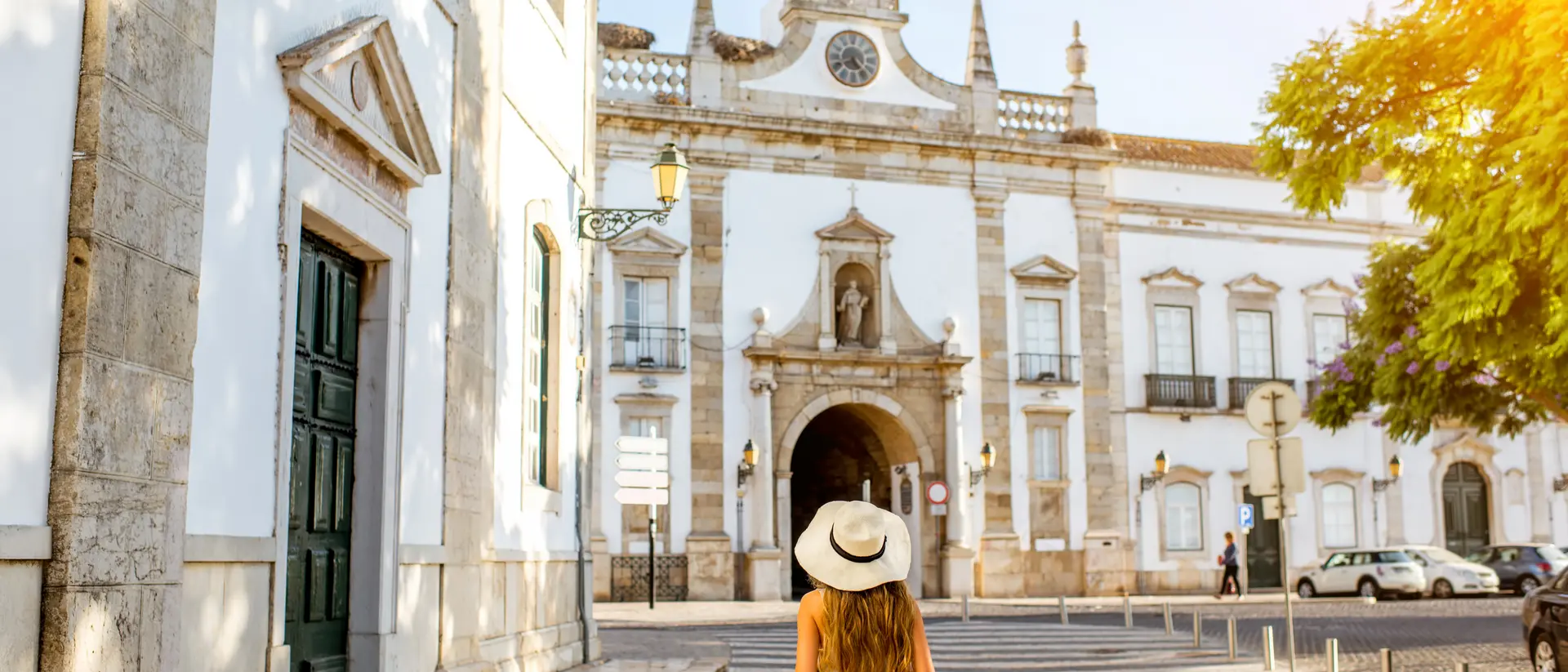
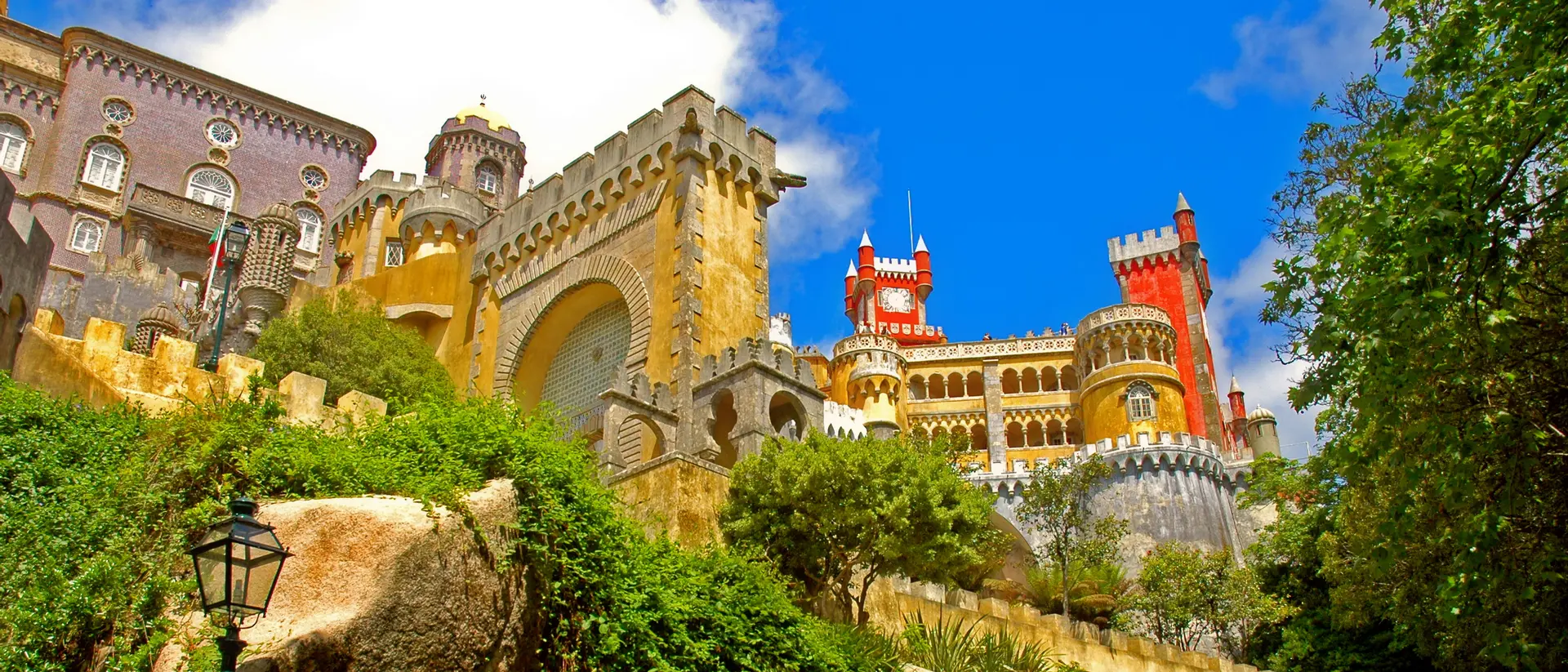
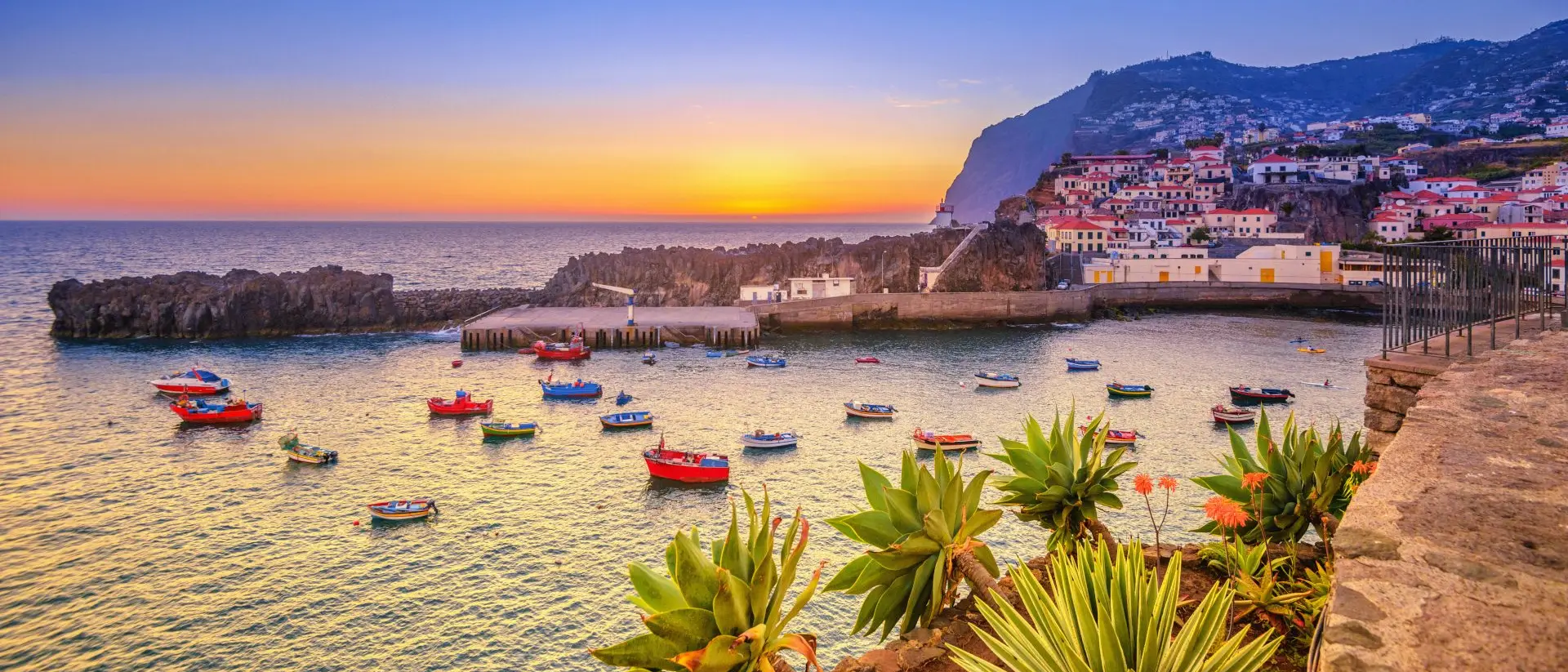
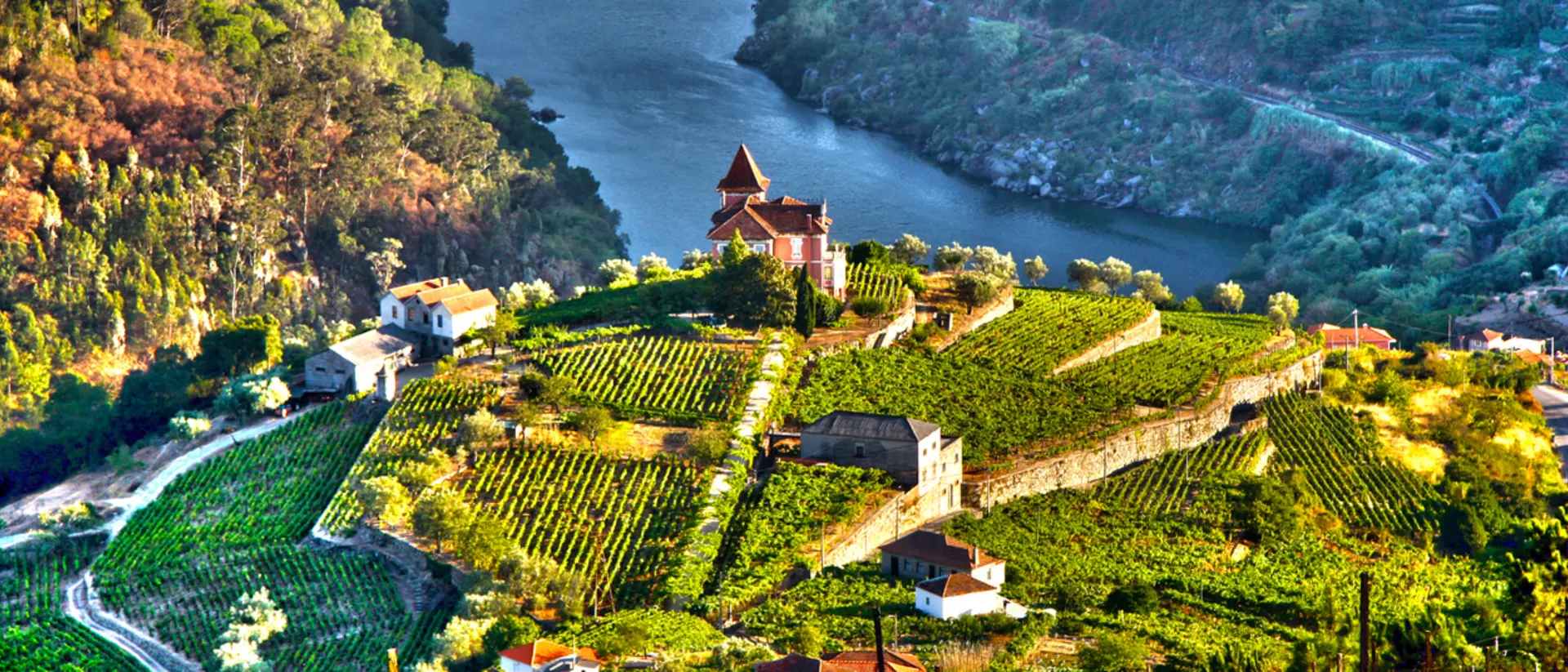
The best time to visit Portugal largely depends on personal preferences and planned activities. Spring (March to May) and fall (September to November) are generally the ideal times to visit for mild weather and fewer tourists. These periods offer comfortable temperatures for small group tours and are less crowded than summer. However, the winter months (November to April) are a great time to visit the Algarve to enjoy the pleasant weather and small crowds. It's an ideal time to enjoy a long-stay vacation. Ask your travel agency when accommodation and flight prices tend to be lower and when the scenic beauty of the changing seasons enhances outdoor experiences.
Portugal Travel Information
Not sure which theme is right for you?
Best Time to Visit
Discover Portugal's seasonal charm with unique experiences year-round.
Portugal is a destination that shines year-round, offering something for every traveler no matter the season. From its golden beaches and dramatic coastal cliffs to its charming medieval towns and rolling vineyards, Portugal’s climate is generally mild, making it an ideal escape in any month.
The best time to visit depends on what you want to experience—whether it’s lounging on the Algarve’s sun-soaked beaches, wandering through Lisbon’s vibrant streets, hiking lush trails in the Azores, or indulging in wine harvest festivities in the Douro Valley. Crowd levels, local traditions, and seasonal flavors all shift throughout the year, creating unique opportunities for different types of trips.
Festivals like Santo António in Lisbon or São João in Porto bring a cultural buzz to the summer months, while winter transforms the cities into cozy hubs of café culture and Christmas markets. “Portugal is a year-round destination,” says Destination Specialist Danette Jeoffroy. “The Algarve is especially great for winter getaways.”
For more on local flavors during these seasonal celebrations, explore our guide to Portuguese food and drink.
Understanding Portugal’s Seasons
Spring (March to May) is one of the most beautiful times to explore Portugal. Wildflowers bloom across the countryside, temperatures hover comfortably between 15 and 22 degrees Celsius, and tourist crowds are still light. Spring is ideal for walking tours in Lisbon, wine tasting in the Douro Valley, or hiking Madeira’s lush levada trails.
Summer (June to August) is marked by long, sun-filled days and lively festivals, making it peak season across the country but especially along the Algarve coast, where temperatures reach typically 30 degrees Celsius. Expect busy beaches and a vibrant nightlife scene, particularly in popular spots like Lagos or Albufeira. Inland regions and cities can also be hot, so early morning sightseeing is key.
Fall (September to November) is a dream for food and wine lovers. It’s grape harvest season in the Douro Valley, and culinary festivals pop up across the country. Warm weather lingers, with temperatures around 18 to 25 degrees Celsius, making it perfect for both sightseeing and beach time without the summer crowds.
Winter (December to February) is relatively mild compared to much of Europe, especially in the Algarve, where daytime highs often reach 16 degrees Celsius. This is a quiet season, perfect for cultural exploration in Lisbon or Porto, and for cozying up in boutique hotels. Festive lights, Christmas markets, and hearty seasonal dishes add a magical touch.
The Best Times to Visit Portugal According to Your Interests
Portugal’s seasons lend themselves to distinct types of travel experiences, so timing your trip around your interests is key.
Beaches
For sun-drenched escapes, June through September is ideal. The Algarve is the star here, with golden sands, dramatic limestone cliffs, and turquoise waters. Cascais, closer to Lisbon, offers a chic coastal vibe without venturing far from the capital.
Food and Wine
September marks the grape harvest, making the Douro Valley and Alentejo irresistible for food and wine lovers. Picture yourself treading grapes, tasting port wine straight from the barrel, and indulging in seasonal dishes like roasted chestnuts and hearty stews.
Cultural Festivals
Summer brings Portugal to life with iconic celebrations like Lisbon’s Santo António Festival and Porto’s São João in June. For something more intimate and soulful, February’s Carnival dazzles with colorful parades, while Easter in April offers profound traditions and ornate processions across the country.
Hiking and Nature
Outdoor enthusiasts should aim for March to May or September to October when temperatures are mild and landscapes are lush. The Azores and Madeira are perfect for trekking volcanic trails, exploring crater lakes, and soaking in subtropical greenery.
City Breaks
Lisbon and Porto are year-round treasures. Winter means fewer crowds, cozy cafés, and vibrant holiday lights, while spring and fall strike the perfect balance between pleasant weather and lively local culture.
For more on cultural events and how locals celebrate, explore our guide to Portugal’s culture and traditions.
Peak, Shoulder and Off-Peak Travel
During peak season (July to August), expect vibrant energy, long sunny days, and packed beaches. This is also festival season in full swing, as well as the busiest time for coastal destinations like the Algarve. If you thrive on lively atmospheres and don’t mind crowds, this is your moment.
Shoulder seasons (April to June and September to October) are arguably the best times to visit Portugal. Spring brings blooming landscapes and comfortable temperatures, while fall pairs cultural exploration with wine harvest festivities. You’ll find a great balance of mild weather and more space to yourself.
During off-peak season (November to March), travel slows down, but that’s not a bad thing. Lisbon and Porto take on a cozy charm with holiday lights and seasonal markets, and the Algarve stays surprisingly mild. It’s the perfect season for cultural immersion without the summer rush.
Regional Highlights to Plan Your Portugal Trip Around
Portugal’s diverse geography creates distinct weather patterns that can shape your travel experience.
Lisbon and Central Portugal
The capital and its surrounding region enjoy a Mediterranean climate with mild winters and warm, dry summers. Expect daytime temperatures between 15 and 18 degrees Celsius in winter, rising to 28 degrees Celsius in summer. Spring and fall offer pleasant conditions for city walks and cultural touring.
Porto and the North
Further north, the climate turns cooler and wetter, particularly in winter. Porto experiences more rain than Lisbon, but it also offers lush green landscapes in return. Summers are warm but not overly hot, making the Douro Valley perfect for wine tours during the harvest season.
Algarve
This southern gem boasts Portugal’s sunniest and warmest weather. Winters stay mild—ideal for escaping colder climates—while summers invite long days at the beach and vibrant nightlife. It’s also the perfect destination for golfers year-round.
Madeira and the Azores
These Atlantic islands feature subtropical conditions, meaning lush greenery and variable weather throughout the year. Expect quick shifts between sunshine and mist, creating dramatic scenery for hikers and nature lovers.
“October is an ideal time to visit Portugal,” says Destination Specialist Josie Pileggi. “The weather is still pleasant and the crowds are gone.”
Ideal Trip Length and Planning Advice
First-time visitors should plan at least seven to 10 days to truly appreciate Portugal’s diversity. A well-rounded itinerary might include three nights in Lisbon for history and culture, two in Porto paired with a Douro Valley wine tour, and several days in the Algarve for sun and relaxation.
If you have extra time, add Madeira or the Azores for a completely different experience with lush landscapes, crater lakes, and volcanic trails. Festival enthusiasts should time visits for June’s lively celebrations in Lisbon and Porto, or September’s grape harvest in the Douro Valley.
Planning with a specialist ensures seamless logistics and exclusive seasonal experiences, such as private tastings during harvest or access to local fado houses. For help building your itinerary, consult our Portugal vacation planning guide.
Let the Seasons Shape Your Portugal Journey
The best time to visit Portugal depends on what inspires you most. If basking on golden beaches is your dream, summer from June to September brings long sunny days along the Algarve coast.
For wine enthusiasts, September and October are unbeatable—grape harvest season transforms the Douro Valley and Alentejo into vibrant hubs of activity, with tours and tastings offering a true taste of local tradition.
Nature lovers will find spring and fall ideal for hiking in the Azores or Madeira, when the trails are lush and the weather is comfortably mild. Meanwhile, cultural travelers can time their journey around Portugal’s many festivals.
June lights up Lisbon and Porto during the Santo António and São João celebrations, while February brings Carnival festivities alive with music, colour, and parades.
City explorers will be happy year-round in Lisbon and Porto, where a mild climate and lively café culture make winter an appealing season for fewer crowds and more authentic encounters.
At Goway, we specialize in tailoring your trip to your passions, ensuring that every moment feels perfectly timed. Let us help you choose the perfect season for your Portugal adventure.
Featured Portugal Trip Ideas
Portugal Travel PackagesEssential Portugal: Porto, Lisbon & the Algarve
The Algarve, Lisbon, Pena National Palace, Jeronimos Monastery, and PortoDiscover Portugal’s highlights from Porto and Lisbon to the Algarve, with iconic sights, local flavours and plenty of time to unwind.
10 days
From US$2,520/p.p.
Request a Quote
Highlights of Lisbon & Madeira
Lisbon, Pena National Palace, Jeronimos Monastery, and MadeiraExplore Madeira’s volcanic pools, levada trails and crystal waters before discovering Lisbon, Sintra’s palaces and the Cascais coast.
8 days
From US$1,706/p.p.
Request a Quote
Portugal In Style: Douro, Lisbon & the Algarve
The Algarve, Lisbon, Pena National Palace, Jeronimos Monastery, and PortoFrom Porto's storied streets to Douro vineyards, Lisbon's grand monuments and the Algarve's coast, this is Portugal in refined, five-star style.
12 days
From US$5,839/p.p.
Request a Quote
Essential Portugal: Porto, Lisbon & the Algarve
The Algarve, Lisbon, Pena National Palace, Jeronimos Monastery, and PortoDiscover Portugal’s highlights from Porto and Lisbon to the Algarve, with iconic sights, local flavours and plenty of time to unwind.
10 days
From US$2,520/p.p.
Request a Quote
Highlights of Lisbon & Madeira
Lisbon, Pena National Palace, Jeronimos Monastery, and MadeiraExplore Madeira’s volcanic pools, levada trails and crystal waters before discovering Lisbon, Sintra’s palaces and the Cascais coast.
8 days
From US$1,706/p.p.
Request a Quote
Portugal In Style: Douro, Lisbon & the Algarve
The Algarve, Lisbon, Pena National Palace, Jeronimos Monastery, and PortoFrom Porto's storied streets to Douro vineyards, Lisbon's grand monuments and the Algarve's coast, this is Portugal in refined, five-star style.
12 days
From US$5,839/p.p.
Request a Quote
Travel Stories
Get inspired about Your Trip to Portugal
The Bounty of Budapest
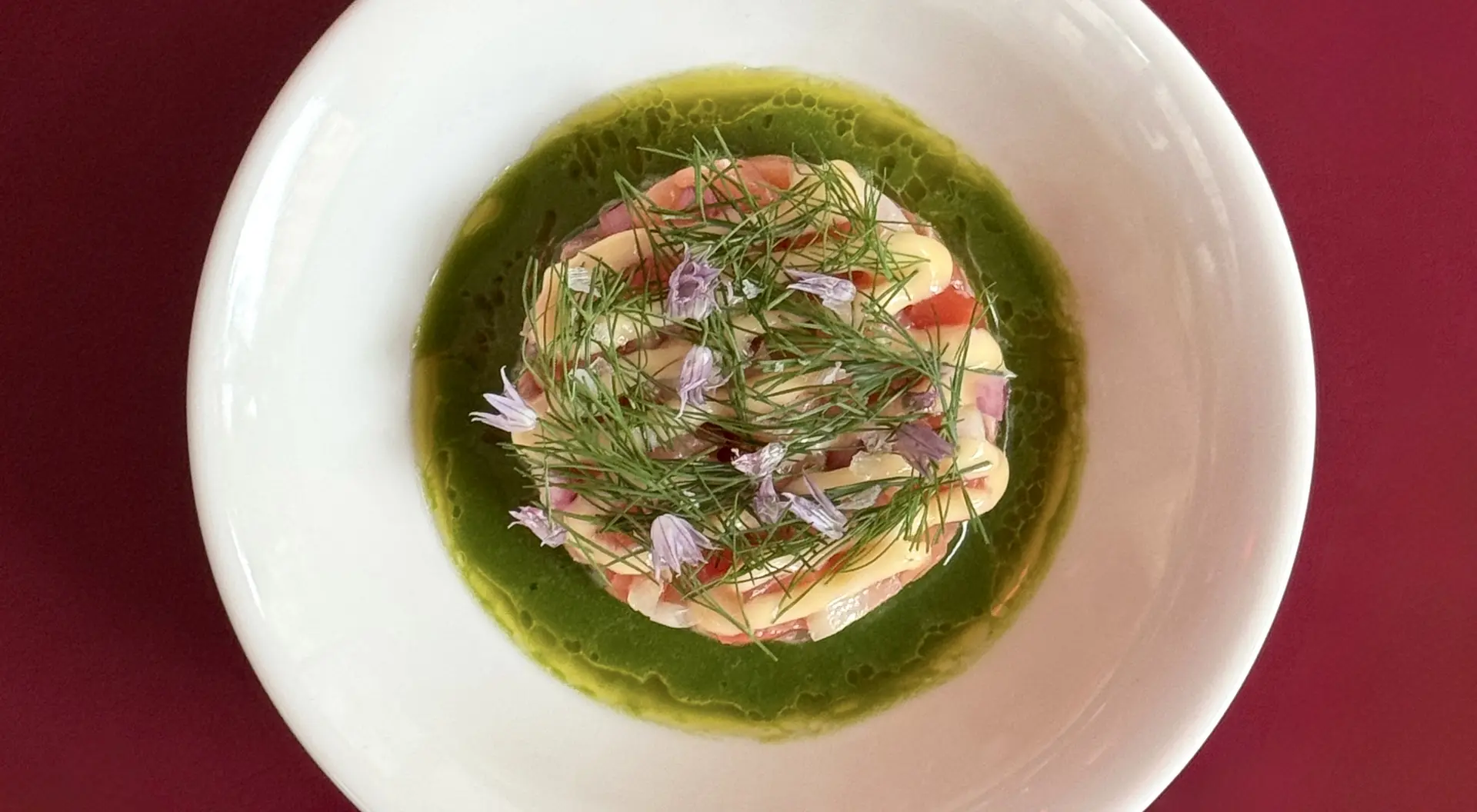
Just after the server slid the bowl in front of me, my glasses began steaming up. The fumes, laden with the scent of rich beef and sweet, peppery papr...
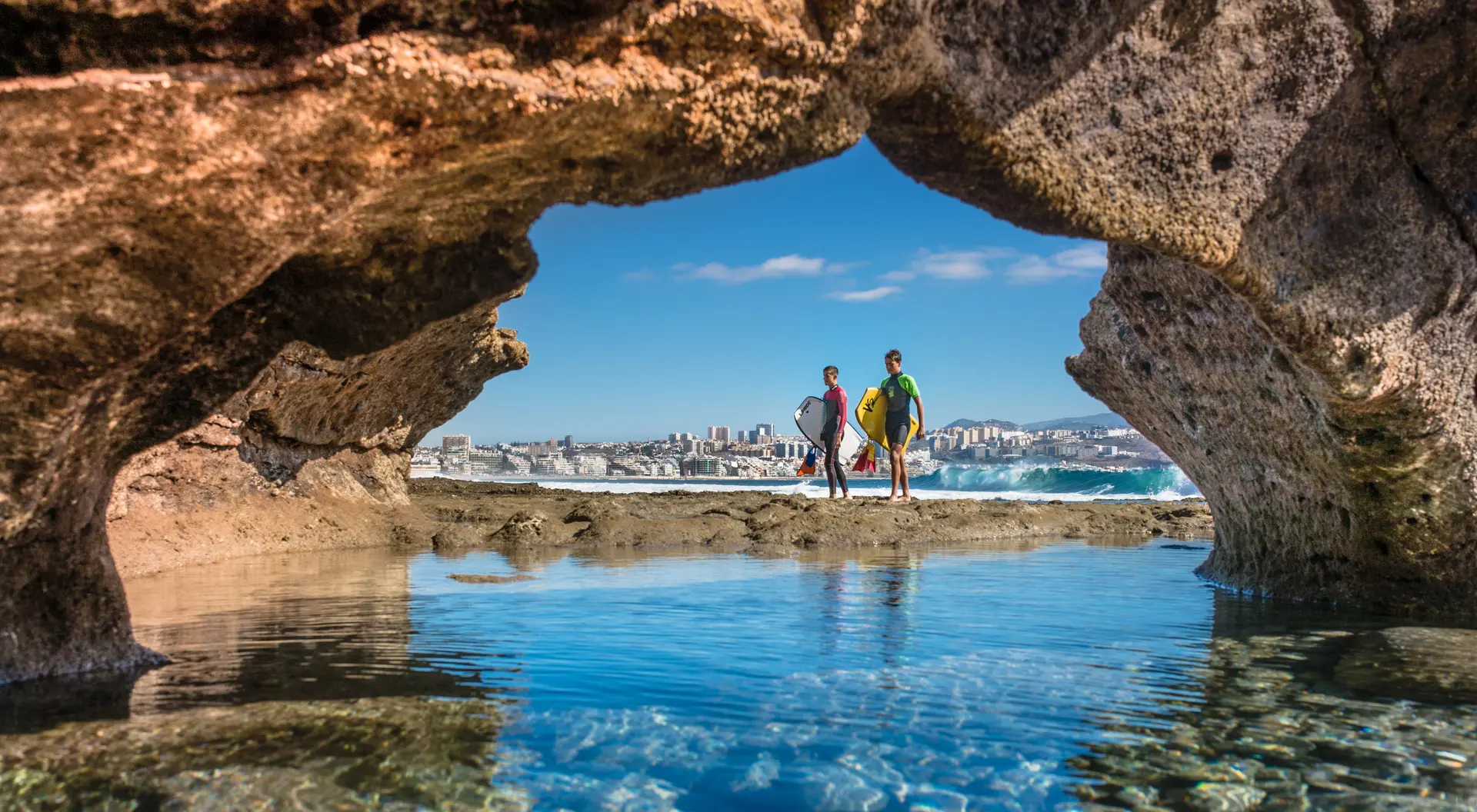
8 Reasons to Book a Trip to Gran Canaria
If you ask North American globetrotters to name their dream Spanish destination, they'll likely tell you about the Gaudí spires of Barcelona, the gall...
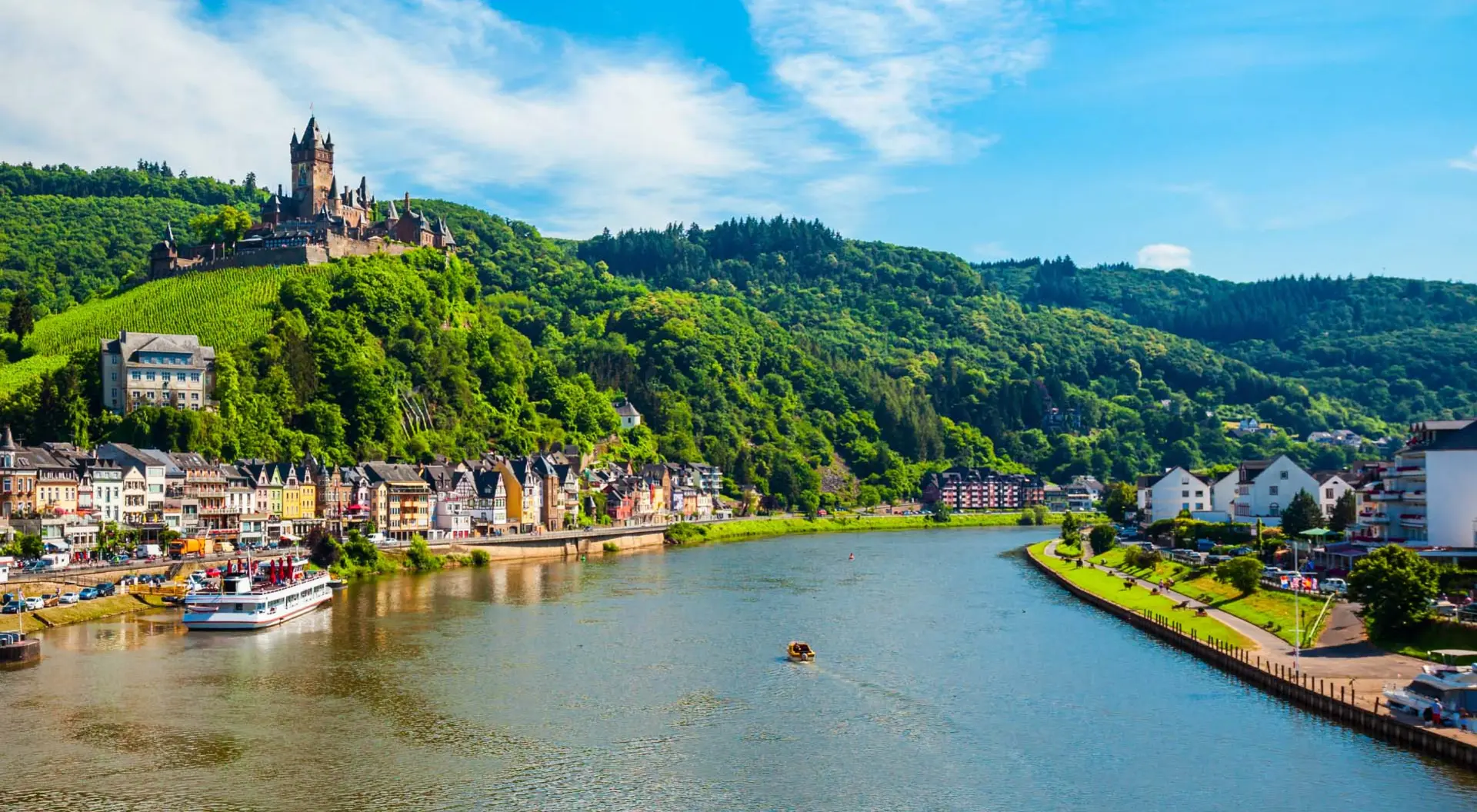
Ask a Travel Expert: European River Cruising
Cruising remains one of the most popular travel styles, but European river cruising isn’t quite the same as boutique island cruises or the big ocean l...
Frequently Asked Questions
What is the ideal time to visit Portugal?
When is Portugal’s peak tourist season?
Peak tourist season in Portugal is during the summer months from June to August. This period attracts the most visitors due to the warm, sunny weather, making it perfect for beach holidays, water sports, or even a cruise along the Douro River. The larger cities and popular coastal areas are particularly vibrant and lively, hosting numerous festivals and events. However, this popularity also means higher prices and more crowded Portugal tours.
When is the most affordable time to visit Portugal?
The most affordable time to visit Portugal is during the off-season, from November to February, excluding the Christmas and New Year holidays. While the weather is cooler and can be rainy, particularly in the north, this time offers the lowest prices for flights and accommodations in the southern region of the Algarve. The reduced number of tourists also allows for a more relaxed exploration of popular sites, although some seasonal businesses, especially in beach areas, might be closed.
How long should I plan to visit Portugal?
The ideal length of a visit to Portugal can vary, but generally, a trip of 7 to 10 days allows for a well-rounded experience of the country’s diverse regions. This duration provides ample time to explore a mix of cultural sites, historic towns, and natural landscapes without feeling rushed. For those looking to deeply explore or visit multiple regions, extending the trip to two weeks or more can be rewarding. However, Portugal is also an ideal long-stay destination, so you can easily visit for 21 days in the Algarve.
Portugal Travel Information
Not sure which theme is right for you?
Unlock more by subscribing to our newsletter.
With our newsletter, you’ll get access to regular communications that inspire you and help you explore the world your way.Exclusive Savings
Insider Benefits
Trending Stories

ExcellentBased on 5,306 ReviewsWe have used Goway several times to plan simple & more complicated trips. The last 2 trips we worked with Brooke Theron who is extremely customer focused. She listens well & is alway flexible to look at alternatives. We will continue using this representative & Goway.
Our only criticism is that they do not break down the various costs of a trip which makes tipping very awkward. It can also create a sense of " mistrust" when all the costs are not transparent. Cheryl HayesOur trip to Switzerland was an amazing experience. Our travel agent at GoWay, Bo was so helpful in helping my husband Louie plan just what we wanted to do on this trip. Taking the trains thru the county was easy by the many hours Louie and Bo worked on this. Also our helicopter ride in Zermatt on my birthday was just unbelievable. Flying around the Matterhorn and the Alps is one flight we will never forget. Thanks Bo for setting this up. The trip was one incredible adventure that we will never forget. Thanks again Bo, Lynn Gerber. Lynn GerberWe booked a Goway tour to Botswana and Zimbabwe and it was excellent. We worked with Brooke, the Goway represntative, to set up the tour and she was an outstanding agent who answered any questions we had very quickly and completely. Her hotel recommendation for the additional night we stayed was pefect.
Goway hires a local tour group, Jenman Safaris, to lead the safari in the 2 countries. The tour itself was amazing...the lodges that we stayed at were very nice and the food was great (except for one lodge's food). The Goway itinerary was slightly different than the actual Jenman Safari itinerary but most of the sites that we went to were the same as listed on the Goway itinerary. I would use Goway again because their choice of a local tour group was very good...nice lodges/camps and good food and knowledgeable tour guides.Ma FaOur GoWay tour representative, Michael Keon, was on top of all of our concerns and questions in a professional manner and we look forward to working with him in the future. Michael was very easy to work with and treated us like family.ThomasMatthew handled my honeymoon couple's very specific African itinerary like a pro! My clients went to four different travel agents who only wanted to send them on safaris. My clients had already done safaris and were specific on what they wanted to do and see. Matthew hit the nail on the head! Highly recommend!Amanda SchottSeamless prompt excellent communication from our first query about a possible destination to follow-up after the trip ended. Shalini’s knowledge, advice and enthusiasm were invaluable. JaneJacqueline Fagioli from Goaway Travel is excellent and very helpful and supportive. VenessaOur travel agent, Melissa Moses, created the perfect itinerary for our recent holiday to Portugal. Melissa had also planned our previous trip to England/Scotland. We have a great deal of confidence in her ability as she really listens to what we are looking for and she caters the plans according to our comfort levels and interests. customerJacqueline F. made our trip exceptional. Everything she planned or reserved worked out as it was supposed to. Croatia was amazing and I feel we were able to explore a lot of it because of Jacqueline.AllenThis was the first time we had utilized Goway. We wanted a custom itinerary for a 3 week Italy, Athens and Greek Island adventure. Edwina Brislane was receptive to our goals for the trip, had helpful suggestions and reacted well to our requested revisions. Lisa Dachuk helped "tie a ribbon" on the trip and ensured we had considered all aspects of the experience. Lisa dealt quickly with a couple of requests while on the trip and celebrated a successful trip with us.
We enjoyed working with both Edwina and Lisa. Their knowledge and enthusiasm contributed to our very memorable trip.Dan & Gail
Verified
Verified
Verified
Verified
Verified
Verified
Verified
Verified
Verified
Verified