While on Portugal tours, visitors should dress conservatively in religious or formal settings, but otherwise, general attire is casual and relaxed. If you're invited to dinner, it's polite to wait for a host's guidance before sitting or eating. Public drinking is accepted but should be done responsibly. Socially, Portuguese people appreciate politeness and a degree of formality in initial encounters.
Portugal Travel Information
Not sure which theme is right for you?
Culture & Traditions
Portugal is a country where culture is woven into everyday life, seen in its centuries-old architecture, heard in the soulful strains of fado music, and felt in the warm hospitality of its people.
From historic cities layered with Roman and Moorish heritage to coastal villages where time slows down, Portugal invites travelers to immerse themselves in traditions that are both deeply rooted and quietly evolving.
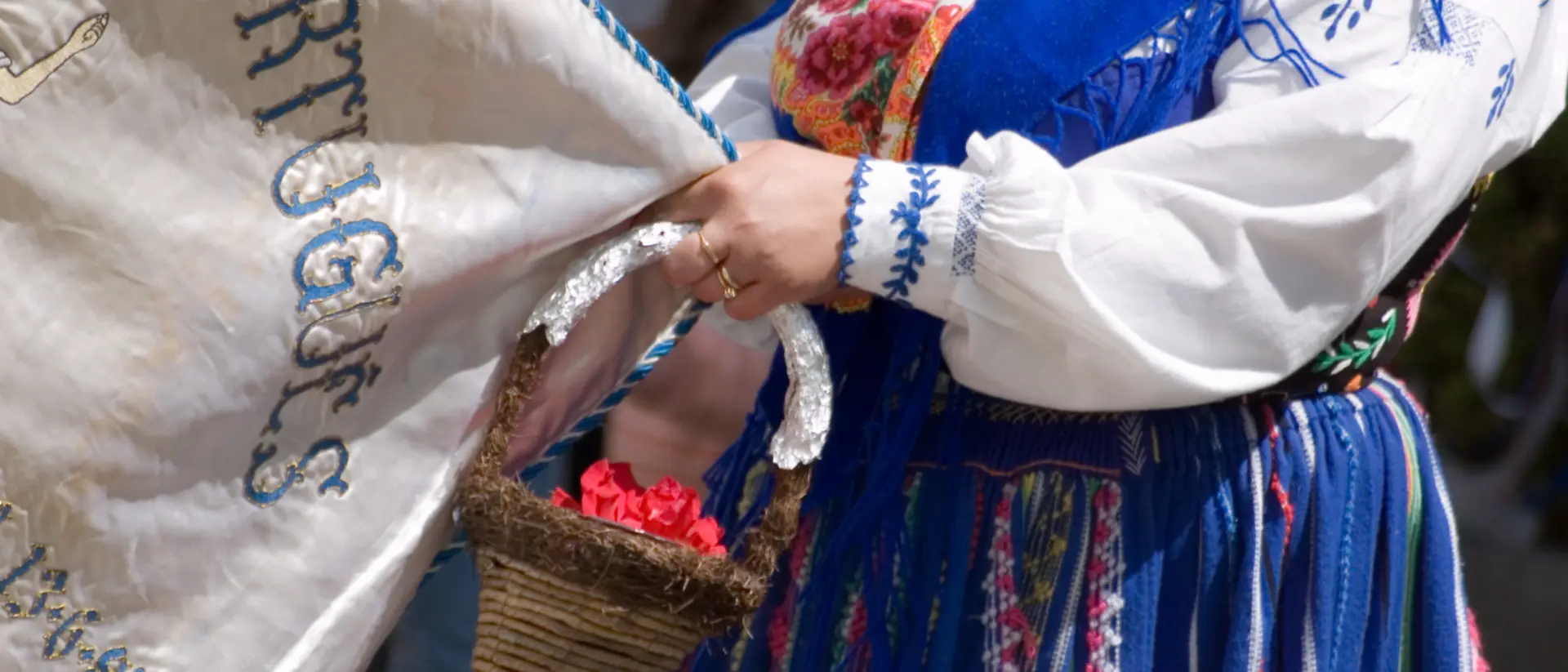
Culture here isn’t confined to museums; it thrives in bustling markets, sunlit plazas, and shared meals that stretch long into the evening. Festivals fill the streets with music and colour, artisan crafts keep ancient skills alive, and local storytelling shapes every interaction.
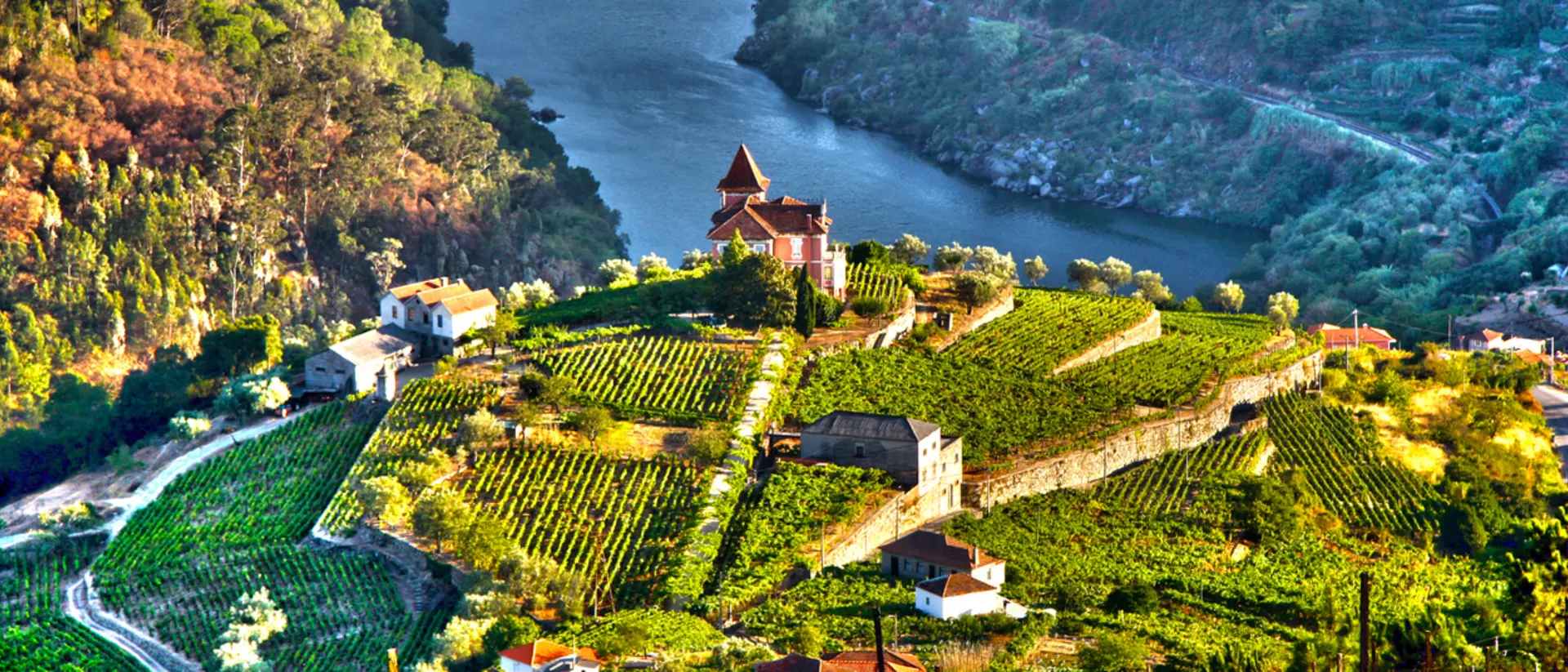
Whether you’re wandering through tiled alleyways in Lisbon, exploring timeless vineyards in the Douro Valley, or learning the meaning of saudade through a fado performance, every experience connects you to Portugal’s living heritage.
Book your Portuguese cultural journey with Goway today.
Portugal’s Heritage and History
Portugal’s cultural identity reflects the many civilizations that have left their mark on the country. In particular, the Celts, Romans, and Moors all shaped its language, architecture, and traditions, from ancient ruins to whitewashed towns adorned with intricate tilework. During the Age of Discovery in the 15th and 16th centuries, Portugal rose as a global seafaring power, forging trade routes that brought spices, flavours, and influences from Africa, Asia, and the Americas—a legacy still present in its cuisine and customs.
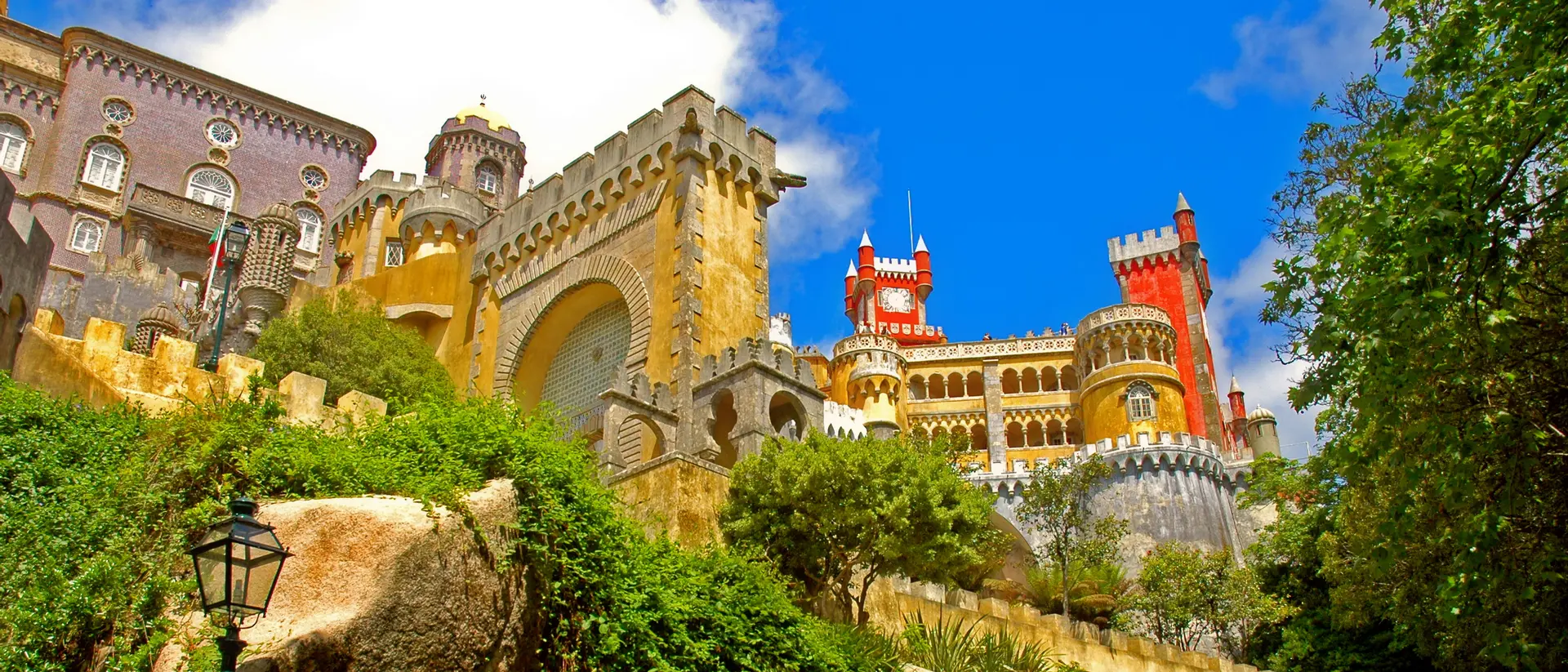
Catholicism remains central to Portuguese life, influencing major holidays, pilgrimages, and festivals like Easter processions and the annual celebration of Santo António in Lisbon. UNESCO has recognized many of these cultural treasures, including the historic centres of Porto and Évora, the romantic landscape of Sintra, and the haunting melodies of fado music, Portugal’s powerful, plaintive art form that tells stories of love, loss, and longing.
Portugal’s Multicultural Identity
Modern Portugal is a vibrant blend of traditions and global influences. Colonial connections to Brazil, Angola, Mozambique, and Goa have left lasting marks on the country’s music, dance, and cuisine.
In Lisbon, neighbourhoods like Mouraria and Alfama pulse with cultural diversity, home to fado houses, African rhythms, and Brazilian flavours. Immigration waves since the 1970s have deepened this cosmopolitan character, bringing colourful markets, street art, and lively festivals that celebrate a global heritage.
Travelers will find these cultural layers everywhere, from the aroma of Goan-inspired spices in a coastal café to the Afro-Brazilian beats that echo through Lisbon’s streets at night. You might sip Cape Verdean grogue in a tucked-away bar or stumble upon a dance performance that fuses traditional Portuguese steps with African rhythms.
Even in smaller towns, this diversity appears in food, crafts, and community celebrations. Portugal’s culture is both proud of its past and open to the world, a richness that makes every visit unique and endlessly fascinating.
Portuguese Daily Life and Etiquette
Portuguese culture is rooted in warmth and respect, and understanding local etiquette helps visitors connect more deeply. In formal settings, greetings are usually a firm handshake; among friends and family, two kisses on each cheek are often the rule, starting from the right.
Punctuality is appreciated for business meetings and tours, but social gatherings run on a more relaxed schedule. Public behaviour tends to be polite and calm, especially on public transport or inside churches. When visiting religious sites, modest dress is recommended; covering shoulders and knees shows respect for local customs. Dining etiquette is easygoing, but wait for your host to start the meal and don’t rush, as long, lingering meals are part of the Portuguese experience.
Tipping is not mandatory in Portugal, but rounding up or leaving five to 10 percent for excellent service is always appreciated. A simple “obrigado” (“thank you”) goes a long way in showing gratitude.
Celebrations, Festivals and Holidays in Portugal
Portugal’s festivals are some of the most spirited in Europe, offering travellers an authentic way to experience local traditions. One of the most famous is the Festa de Santo António in Lisbon on June 13, when the city bursts into life with street parties, grilled sardines, music, and even traditional mass weddings. In Porto, the Festa de São João on June 24 is equally lively, featuring colourful decorations, concerts, and the playful tradition of tapping people on the head with plastic hammers.
Carnival is another highlight, celebrated with vibrant parades and costumes, especially in Torres Vedras and the Algarve. Easter and Christmas hold deep religious significance, marked by solemn processions and regional food specialties, such as folar (sweet bread) during Easter and rich desserts at Christmas.
These events are accessible to travelers, as many celebrations take place in public squares, and local guides can provide insider access to cultural activities, music, and traditional cuisine.
The Arts in Portugal
Portugal’s artistic heritage spans centuries, blending tradition with bold modernity. Fado music, a soulful and deeply expressive genre recognized by UNESCO, is at the heart of Portuguese identity. Hearing it live in a dimly lit Lisbon or Coimbra venue is an experience that resonates long after.
Visual art thrives in Portugal’s iconic azulejos, ornate blue-and-white ceramic tiles that adorn churches, palaces, and even train stations. These tiles tell stories of faith, daily life, and maritime history, transforming architecture into living canvases. Literature lovers will find echoes of Portugal’s soul in the works of Fernando Pessoa and Nobel laureate José Saramago, whose writings capture the nation’s complexity and sense of longing.
Contemporary culture is equally vibrant. In Lisbon and Porto, galleries showcase avant-garde art and design, merging old-world craftsmanship with modern aesthetics. From street murals in Bairro Alto to cutting-edge exhibits in Porto’s Serralves Museum, Portugal celebrates creativity at every turn.
Portuguese Language, Slang and Expressions
Portuguese is the country’s official language, and while English is widely understood in major cities, learning a few key phrases enriches your trip. Simple greetings like “olá” (“hello”), “obrigado/a” (“thank you”), and “com licença” (“excuse me”) go a long way in showing respect.
The cultural concept of saudade is uniquely Portuguese, a bittersweet longing for something lost or unattainable, often expressed through music, poetry, and daily conversation. It’s a lens into the Portuguese spirit: reflective, emotional, and deeply connected to its past.
While European Portuguese is distinct from Brazilian Portuguese in pronunciation and formality, locals are welcoming and appreciate any effort to speak their language.
Plan Your Portuguese Cultural Journey with Goway
Portugal’s culture is more than monuments; it’s the rhythm of fado, the vibrancy of azulejos, and the flavours shared at a family table. Goway crafts itineraries that immerse you in this heritage, from attending local festivals to private tours of historic sites, artisan workshops, and guided walks through storied neighborhoods.
For inspiration and ideas, check out our tailor-made Portugal vacations today, then start planning your cultural adventure in Portugal with our experts.
Featured Portugal Trip Ideas
Portugal Travel PackagesEssential Portugal: Porto, Lisbon & the Algarve
The Algarve, Lisbon, Pena National Palace, Jeronimos Monastery, and PortoDiscover Portugal’s highlights from Porto and Lisbon to the Algarve, with iconic sights, local flavours and plenty of time to unwind.
10 days
From US$2,520/p.p.
Request a Quote
Highlights of Lisbon & Madeira
Lisbon, Pena National Palace, Jeronimos Monastery, and MadeiraExplore Madeira’s volcanic pools, levada trails and crystal waters before discovering Lisbon, Sintra’s palaces and the Cascais coast.
8 days
From US$1,706/p.p.
Request a Quote
Portugal In Style: Douro, Lisbon & the Algarve
The Algarve, Lisbon, Pena National Palace, Jeronimos Monastery, and PortoFrom Porto's storied streets to Douro vineyards, Lisbon's grand monuments and the Algarve's coast, this is Portugal in refined, five-star style.
12 days
From US$5,839/p.p.
Request a Quote
Essential Portugal: Porto, Lisbon & the Algarve
The Algarve, Lisbon, Pena National Palace, Jeronimos Monastery, and PortoDiscover Portugal’s highlights from Porto and Lisbon to the Algarve, with iconic sights, local flavours and plenty of time to unwind.
10 days
From US$2,520/p.p.
Request a Quote
Highlights of Lisbon & Madeira
Lisbon, Pena National Palace, Jeronimos Monastery, and MadeiraExplore Madeira’s volcanic pools, levada trails and crystal waters before discovering Lisbon, Sintra’s palaces and the Cascais coast.
8 days
From US$1,706/p.p.
Request a Quote
Portugal In Style: Douro, Lisbon & the Algarve
The Algarve, Lisbon, Pena National Palace, Jeronimos Monastery, and PortoFrom Porto's storied streets to Douro vineyards, Lisbon's grand monuments and the Algarve's coast, this is Portugal in refined, five-star style.
12 days
From US$5,839/p.p.
Request a Quote
Travel Stories
Get inspired about Your Trip to Portugal
The Bounty of Budapest
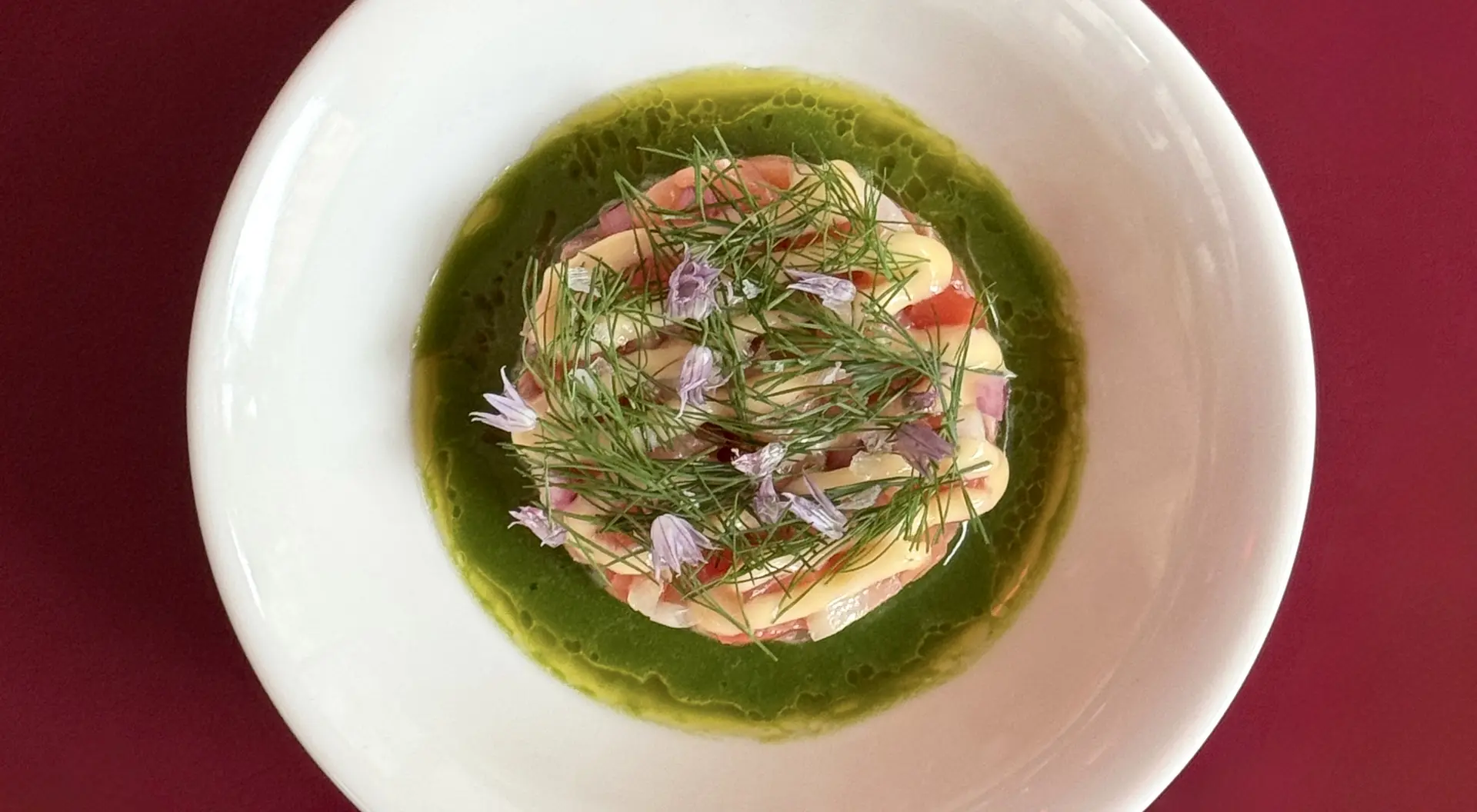
Just after the server slid the bowl in front of me, my glasses began steaming up. The fumes, laden with the scent of rich beef and sweet, peppery papr...
8 Reasons to Book a Trip to Gran Canaria
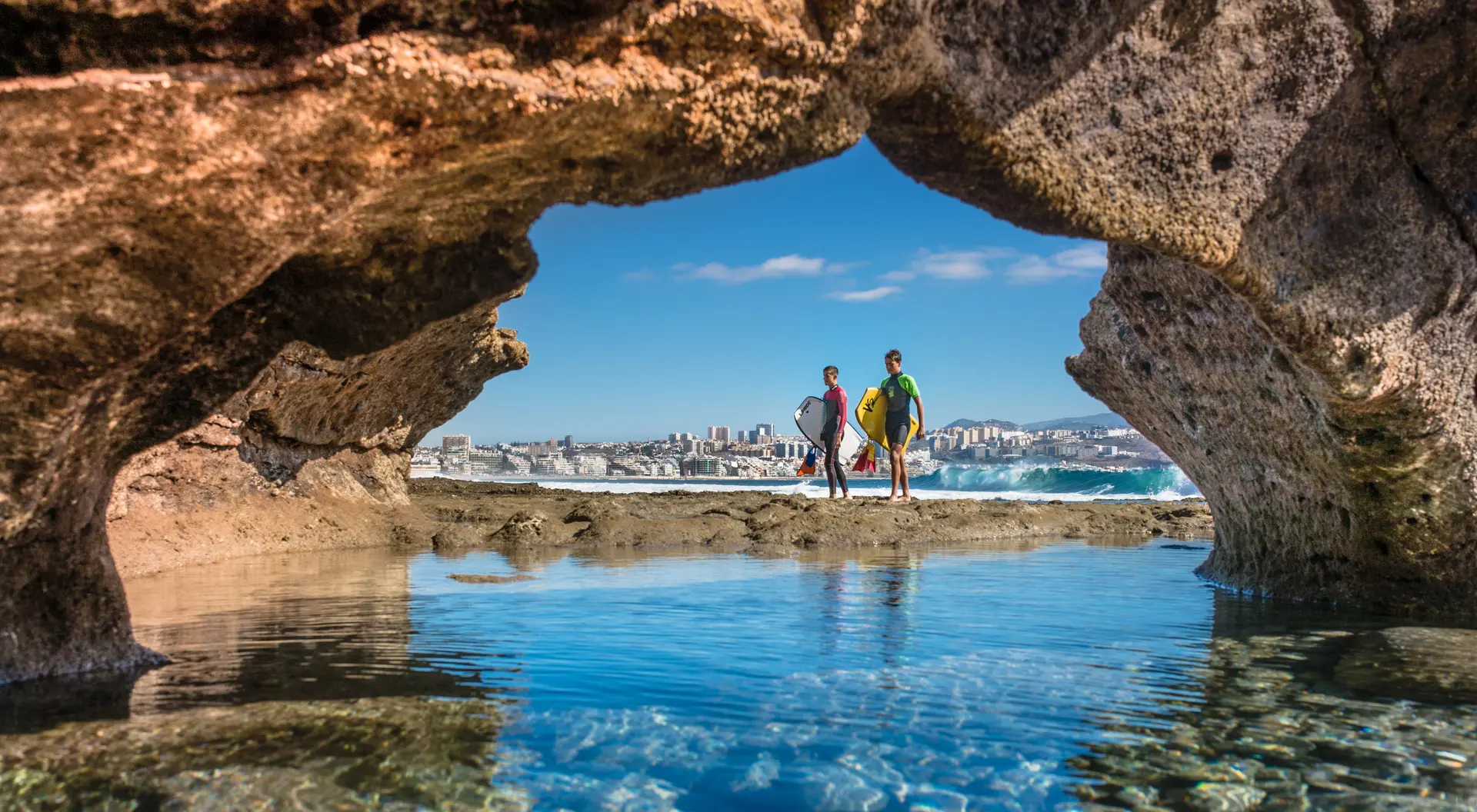
If you ask North American globetrotters to name their dream Spanish destination, they'll likely tell you about the Gaudí spires of Barcelona, the gall...
Ask a Travel Expert: European River Cruising
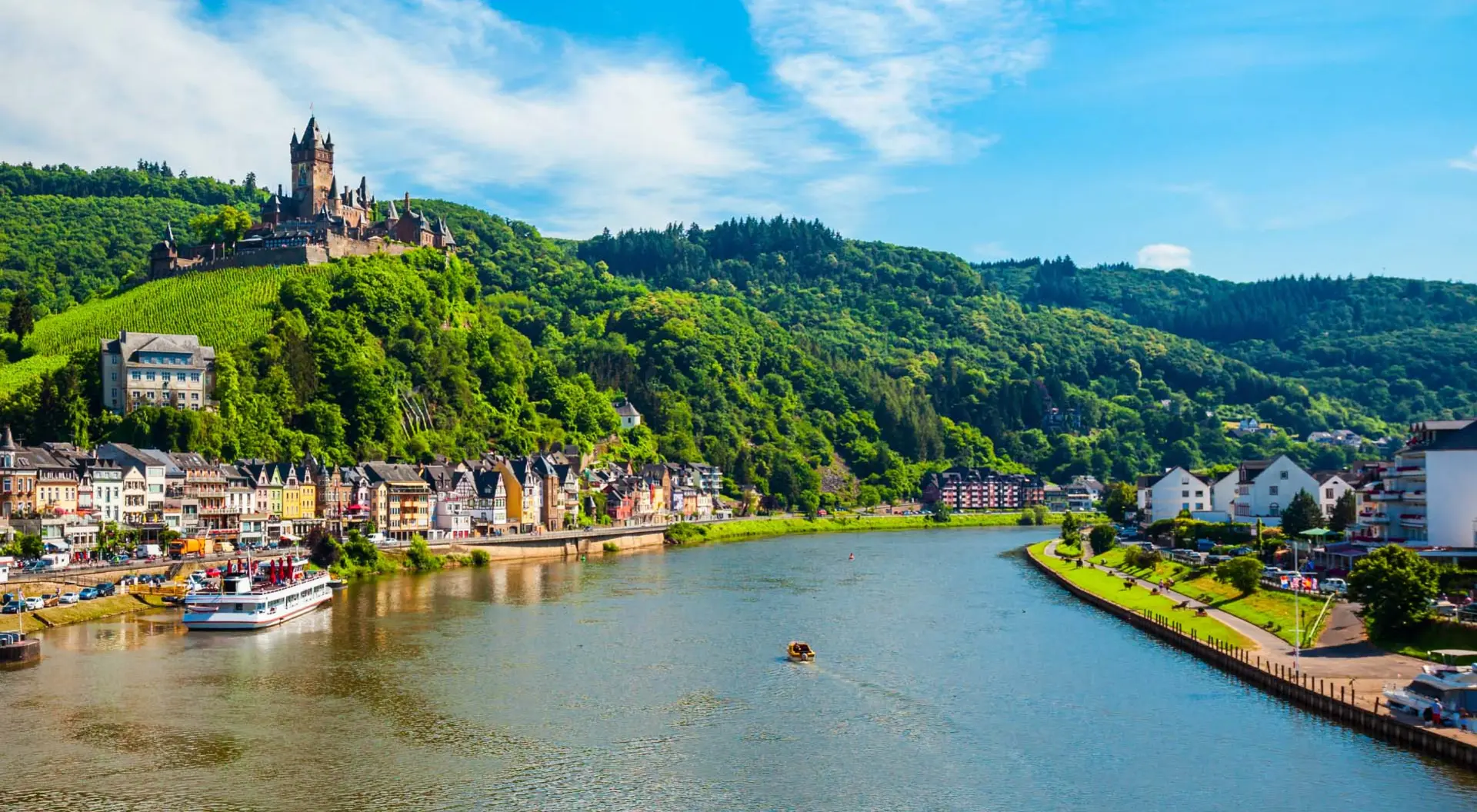
Cruising remains one of the most popular travel styles, but European river cruising isn’t quite the same as boutique island cruises or the big ocean l...
Frequently Asked Questions
What is the visiting etiquette in Portugal?
What is Portugal best known for?
Portugal is celebrated for its rich cultural and religious heritage, showcased in numerous festivals and traditions. Portugal vacation packages often feature the country’s iconic Port wine, and unique culinary delights like bacalhau. The country also gains acclaim from its Fado music, a melancholic genre that has achieved UNESCO World Heritage status.
What are some Portuguese traditions?
The main religion in Portugal is Roman Catholicism, which influences many cultural traditions and events such as Carnival and Easter. Ask your travel guide about key festivals like São João and the Festa das Vindimas, which celebrate the summer solstice and the grape harvest, respectively. These traditions highlight the country's deep religious roots and communal spirit.
What are Portuguese people like socially?
Portuguese social behaviour blends formality with warmth. They are not overly reserved, but they do value personal space and privacy. In social settings, expect a blend of polite interaction and expressive communication, often accompanied by gestures. Sports, particularly football (soccer), are a major part of social life, and often the best time to visit local bars is when locals are engaged in fiery banter about their favourite teams. Portuguese are tactile in friendly settings, often using touch as part of communication.
What languages do Portuguese people speak?
Portuguese is the official language, and it's widely spoken. As a visitor, attempting to speak Portuguese is appreciated and often seen as a sign of respect. English is commonly understood in tourist areas and among younger generations, making communication fairly easy for English speakers. Ask your travel agency about basic Portuguese greetings that can enhance interactions and enrich your travel experience.
Portugal Travel Information
Not sure which theme is right for you?
Unlock more by subscribing to our newsletter.
With our newsletter, you’ll get access to regular communications that inspire you and help you explore the world your way.Exclusive Savings
Insider Benefits
Trending Stories
ExcellentBased on 5,306 ReviewsWe have used Goway several times to plan simple & more complicated trips. The last 2 trips we worked with Brooke Theron who is extremely customer focused. She listens well & is alway flexible to look at alternatives. We will continue using this representative & Goway.
Our only criticism is that they do not break down the various costs of a trip which makes tipping very awkward. It can also create a sense of " mistrust" when all the costs are not transparent. Cheryl HayesOur trip to Switzerland was an amazing experience. Our travel agent at GoWay, Bo was so helpful in helping my husband Louie plan just what we wanted to do on this trip. Taking the trains thru the county was easy by the many hours Louie and Bo worked on this. Also our helicopter ride in Zermatt on my birthday was just unbelievable. Flying around the Matterhorn and the Alps is one flight we will never forget. Thanks Bo for setting this up. The trip was one incredible adventure that we will never forget. Thanks again Bo, Lynn Gerber. Lynn GerberWe booked a Goway tour to Botswana and Zimbabwe and it was excellent. We worked with Brooke, the Goway represntative, to set up the tour and she was an outstanding agent who answered any questions we had very quickly and completely. Her hotel recommendation for the additional night we stayed was pefect.
Goway hires a local tour group, Jenman Safaris, to lead the safari in the 2 countries. The tour itself was amazing...the lodges that we stayed at were very nice and the food was great (except for one lodge's food). The Goway itinerary was slightly different than the actual Jenman Safari itinerary but most of the sites that we went to were the same as listed on the Goway itinerary. I would use Goway again because their choice of a local tour group was very good...nice lodges/camps and good food and knowledgeable tour guides.Ma FaOur GoWay tour representative, Michael Keon, was on top of all of our concerns and questions in a professional manner and we look forward to working with him in the future. Michael was very easy to work with and treated us like family.ThomasMatthew handled my honeymoon couple's very specific African itinerary like a pro! My clients went to four different travel agents who only wanted to send them on safaris. My clients had already done safaris and were specific on what they wanted to do and see. Matthew hit the nail on the head! Highly recommend!Amanda SchottSeamless prompt excellent communication from our first query about a possible destination to follow-up after the trip ended. Shalini’s knowledge, advice and enthusiasm were invaluable. JaneJacqueline Fagioli from Goaway Travel is excellent and very helpful and supportive. VenessaOur travel agent, Melissa Moses, created the perfect itinerary for our recent holiday to Portugal. Melissa had also planned our previous trip to England/Scotland. We have a great deal of confidence in her ability as she really listens to what we are looking for and she caters the plans according to our comfort levels and interests. customerJacqueline F. made our trip exceptional. Everything she planned or reserved worked out as it was supposed to. Croatia was amazing and I feel we were able to explore a lot of it because of Jacqueline.AllenThis was the first time we had utilized Goway. We wanted a custom itinerary for a 3 week Italy, Athens and Greek Island adventure. Edwina Brislane was receptive to our goals for the trip, had helpful suggestions and reacted well to our requested revisions. Lisa Dachuk helped "tie a ribbon" on the trip and ensured we had considered all aspects of the experience. Lisa dealt quickly with a couple of requests while on the trip and celebrated a successful trip with us.
We enjoyed working with both Edwina and Lisa. Their knowledge and enthusiasm contributed to our very memorable trip.Dan & Gail
Verified
Verified
Verified
Verified
Verified
Verified
Verified
Verified
Verified
Verified