On this page
- How is a European river cruise different from an ocean cruise?
- What are the advantages of European river cruising?
- What countries and cities can you visit on a European river cruise?
- What’s your favourite river to cruise?
- What’s your favourite city to see from the river?
- When is the best time of year to take a European river cruise?
- What are the cabins like on a river cruise?
- How much free time will I have in each destination?
- What’s a common misconception about European river cruising?
- What’s your top recommendation for a European river cruise?


Cruising remains one of the most popular travel styles, but European river cruising isn’t quite the same as boutique island cruises or the big ocean liners that many travellers are familiar with. To learn more about the specific experiences of European river cruises, we chatted with Avery Navikevicius, Team Lead, who is an expert on river cruises and has been on many cruises throughout her career.
How is a European river cruise different from an ocean cruise?
The cruise ships are much smaller and offer more intimate experiences. You will see the same guests and staff each day and get to know each other more like a tour group. This allows for elevated service experiences.
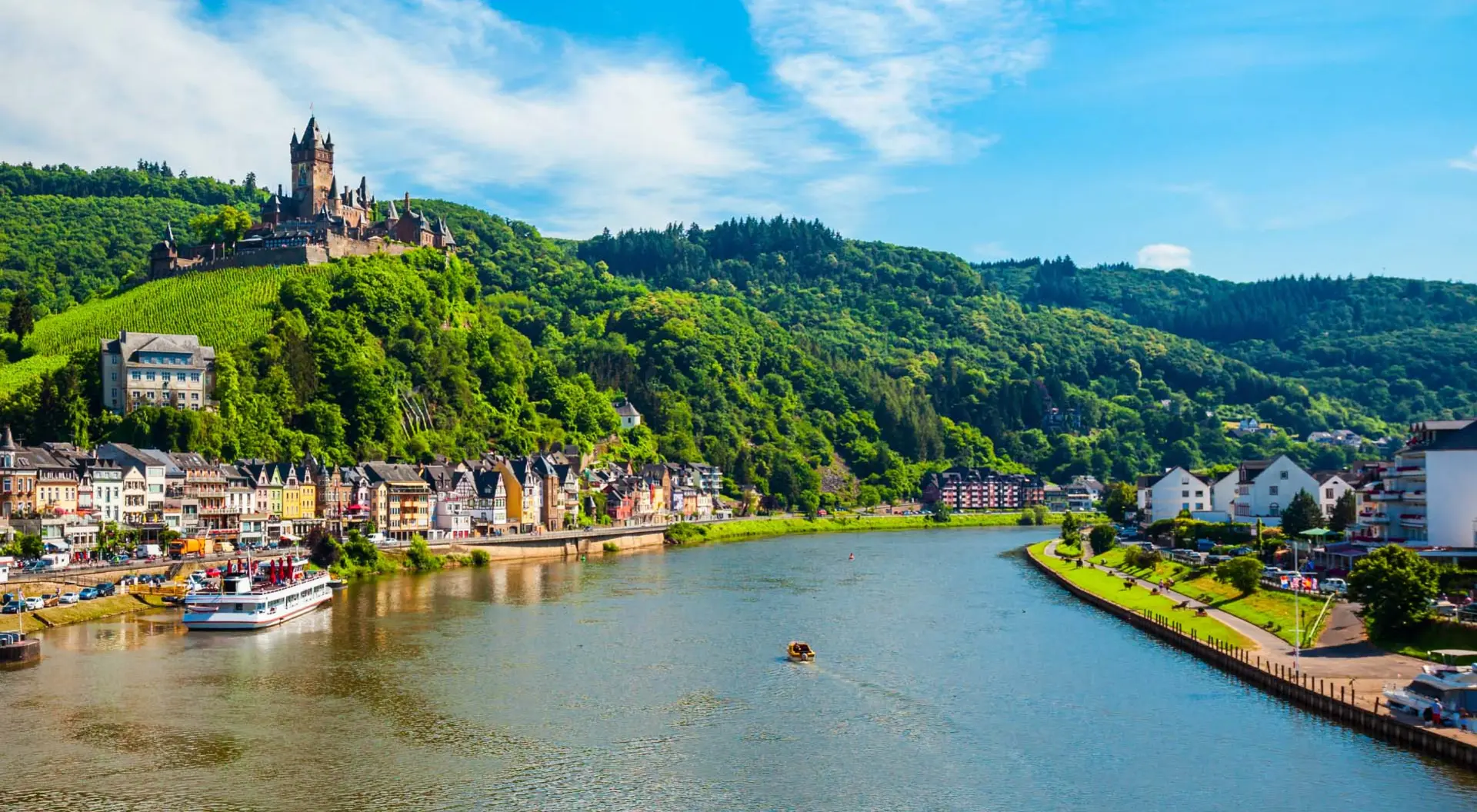
I also find that river cruising feels much less like “cruising” in the traditional sense. You’re watching castles, vineyards, villages, and historic towns pass by your window rather than spending long stretches at sea. You’ll also enjoy local touches each night, whether local wine, meals, and entertainment, based on where you are at port.
What are the advantages of European river cruising?
The first is convenience: you unpack once and your hotel travels with you. The second is location: river ships generally dock very close to the destinations you’re visiting, which maximizes your sightseeing time. The third is the included excursions: even if you’re not interested in touring with the group, you have access to transfers into the city, can explore at your leisure, and get transport back to the boat.
Ultimately, river cruises are easier. You don’t need to plan every moment, and you can hop on the port excursions on a whim. While some do need to be booked in advance, there is usually an option for you to decide on in the moment based on how you feel that day.
What countries and cities can you visit on a European river cruise?
It depends on the river, which is one of the reasons I love river cruising.
If you’re on the Danube, you can visit Budapest in Hungary, Bratislava in Slovakia, Vienna, Dürnstein, and Linz in Austra, and Passau, Vilshofen, and Munich in Germany.
Melodies of the Danube is particularly appealing because it combines three major Central European capitals—Budapest, Bratislava and Vienna—with smaller destinations and scenic sections of the Wachau Valley.
If you’re on the Rhine or the Moselle, you can visit Amsterdam and Utretch in Netherlands, Cologne, Cochem, Koblenz, Rüdesheim, and Heidelberg/Speyer in Germany, Strasbourg in France, and Basel in Switzerland.
Classical Rhine is a great example of how much variety you can get from one cruise: big cities, medieval towns, vineyards, castles and multiple countries all in one journey.
Other major European river itineraries include the Seine, Rhône, Saône, Douro, and Elbe. And you aren't stuck to the cities/excursions listed in an itinerary! For example, when we docked in Cologne, we had family pick us up at the port and we visited Aachen with them for the day. We came back to the ship just after dinner, which really made our "cookie cutter" itinerary feel customized.
What’s your favourite river to cruise?
The Rhine would probably be my favourite for a first-time river cruiser. There is so much visual variety. You have the famous Rhine castles, vineyards climbing the hillsides, medieval towns, major European cities, and beautiful stretches of countryside.
What’s your favourite city to see from the river?
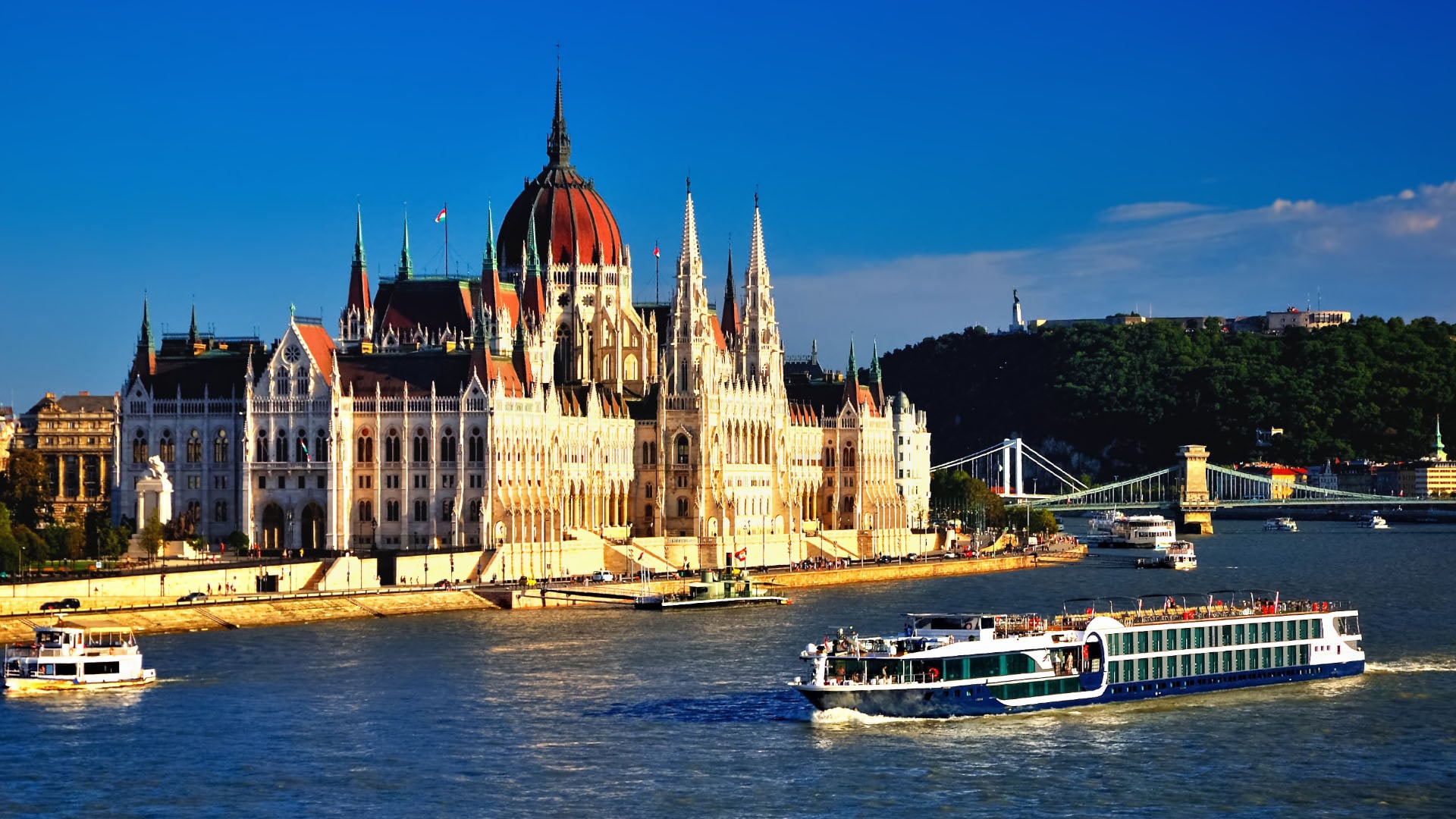
Budapest. Seeing Budapest from the Danube is spectacular. The Parliament Building, Buda Castle, and the city's bridges create an incredible panorama, particularly in the evening. It's one of those destinations where the river isn't simply a way of getting from Point A to Point B—the river is actually part of the sightseeing experience.
When is the best time of year to take a European river cruise?
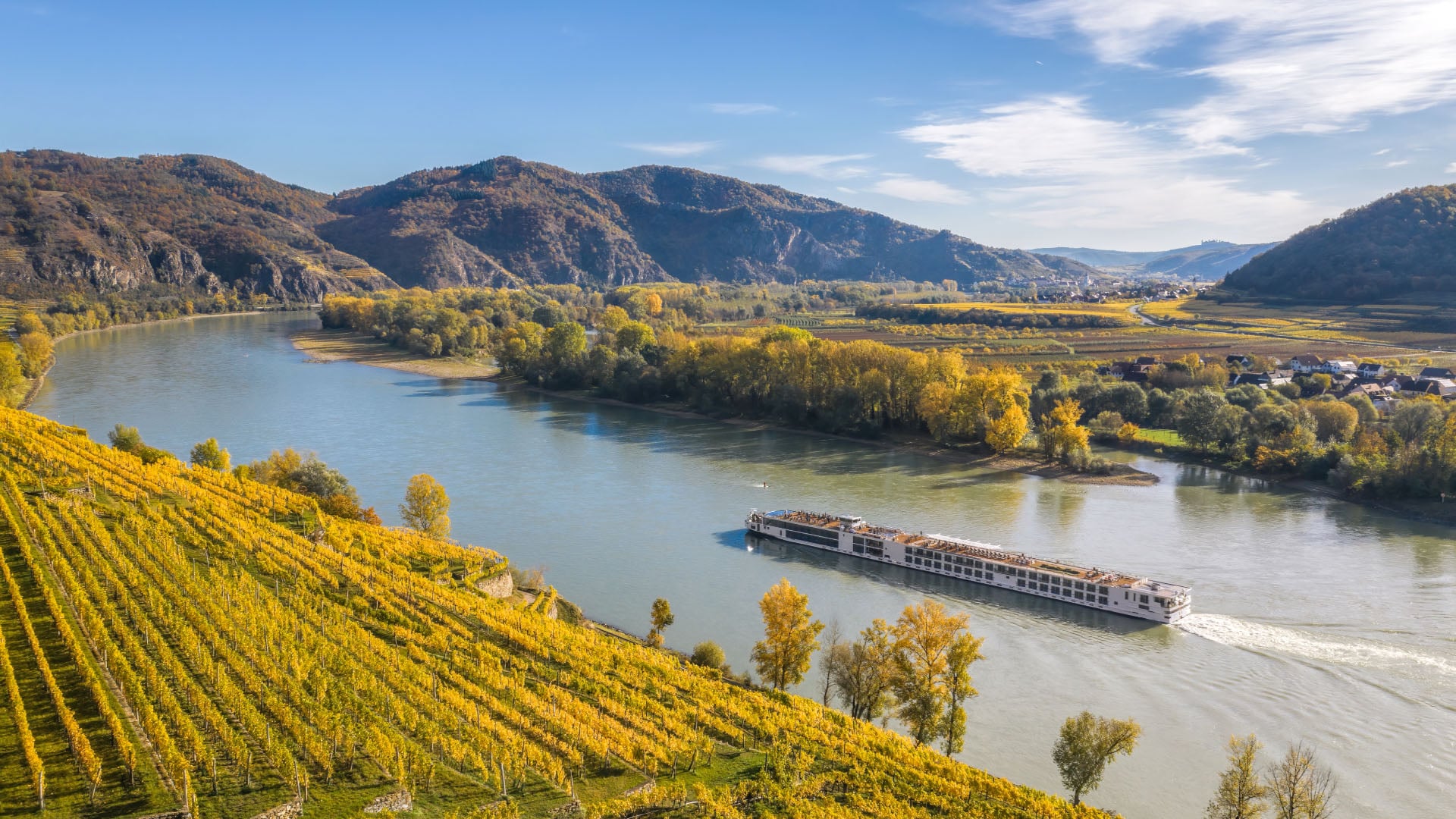
Late spring through early fall is generally my favourite period, particularly May, June, and September. The days are long, the scenery is green, and you're able to spend plenty of time outside on the ship. These months are typically considered shoulder season but are getting busier for Europe travel. September and early October are especially appealing for travellers who don't want the peak summer heat and crowds. You can also get beautiful autumn colours later in the season, particularly along the Rhine and Danube.
Ultimately, I'd choose the month based on the experience you want:
April/May: Spring landscapes and flowers.
June: Long days and excellent sightseeing weather.
July/August: Warmest weather and peak season.
September: A great time of year to close the summer months on a high note.
October: Fall colours, wine regions, and a quieter atmosphere.
November/December: Christmas markets—an entirely different river-cruise experience.
What are the cabins like on a river cruise?
This is something that often surprises first-time river cruisers—they're much nicer than people expect. They're essentially boutique hotel rooms that happen to move with you from place to place. Hotel-style beds, private bathrooms, storage, sitting areas, and large windows. Higher categories can have French balconies, walk-out balconies, or larger suites. For example, the AmaLea used on Melodies of the Danube has twin balconies in most staterooms, while the Amadeus Aurea on the Classical Rhine offers suites with walk-out balconies and staterooms with panoramic drop-down windows.
My advice is not to automatically choose the cheapest cabin. Location and window/balcony configuration can make a meaningful difference because one of the great pleasures of river cruising is watching Europe go by from your room. You tend to spend the evenings on the ship, so it is really nice to have a balcony to retreat to. The upgraded cabins can also be quite spacious!
How much free time will I have in each destination?
More than many people expect—but it varies by itinerary and port. A typical river-cruise day might involve a morning guided walking tour, followed by free time to explore independently. Some destinations have optional afternoon excursions, while others may have longer stays. For example, on the Danube itinerary, the Vienna day includes a city tour followed by afternoon leisure time. In Bratislava, travellers can choose between different excursions or explore independently. On the Rhine, Cologne includes a guided walking tour with the opportunity for an optional afternoon e-bike excursion, while Rüdesheim allows time for independent exploration. River cruising isn't designed for spending three days in every city. It's designed to give you an excellent introduction to many destinations while taking away the logistics of getting between them.
What’s a common misconception about European river cruising?
That it's only for retirees. River cruising has traditionally attracted an older demographic, but the experience itself is really about culture, food, scenery, history, and convenience, which appeals to a much broader range of travellers. While you won't see many children on board (many river cruise lines require advance approval for anyone under a certain age), it is great for multi-generational family travel.
What’s your top recommendation for a European river cruise?
Choose the river based on the destinations you want to experience—not just the ship. The ship is important, but I'd start with: "Where in Europe do you want to wake up every morning?" If you dream about Budapest, Vienna, and Central Europe, I'd look at the Danube. If you're drawn to castles, vineyards, medieval towns, and multiple countries, I'd look at the Rhine. Then I'd consider the cruise line, ship, cabin category, and itinerary length. And finally, add a few hotel nights before or after the cruise. That's one of my favourite ways to turn a river cruise into a really complete European vacation. For example, the Goway Melodies of the Danube already builds in two nights in Budapest before embarking, while Classical Rhine includes two nights in Amsterdam before the cruise.

You might say that Aren was destined to become a globetrotter after his family took him to Germany two times before he was four. If that wasn’t enough, a term spent in Sweden as a young teenager and a trek across Vietnam, Cambodia, and Thailand confirmed that destiny. An independent writer, director, and film critic, Aren has travelled across Africa, Asia, Central America, Europe, the Middle East, and South America. His favourite travel experience was visiting the major cities of Japan’s largest island, Honshu, but his love for food, drink, and film will take him anywhere that boasts great art and culture.