
The majority of Chileans identify as Roman Catholic, although Evangelical Christianity and other faiths are also practised. In many communities, Catholic traditions are blended with Indigenous beliefs, especially among the Mapuche in the south and the Aymara in the north.
Chile Travel Information
Not sure which theme is right for you?
Culture & Traditions
Chile’s culture is as varied as its landscapes, shaped by centuries of Indigenous traditions, Spanish colonial history, and the cosmopolitan spirit of its cities. Across the north, the Aymara people maintain strong ties to the desert, celebrating rituals tied to the land, water, and sky. In the south, the Mapuche people have preserved language, crafts, and spiritual practices that remain central to Chilean identity, while on Rapa Nui (Easter Island), Polynesian roots infuse the local culture with unique myths, art, and ancestral customs.
Spanish influence is also woven into Chile’s architecture, Catholic festivals, and culinary traditions, while later European immigration introduced German pastries, British tea rituals, and Croatian music and farming practices. Today, Santiago’s vibrant neighbourhoods bring together this rich cultural mosaic with street art, museums, and a thriving food and nightlife scene. Travelling through Chile means encountering a living culture that shifts dramatically from region to region, where Indigenous heritage, colonial legacy, and contemporary creativity coexist and thrive together.
To start planning your own Chilean cultural adventure, speak to one of our Destination Specialists today.
Chiles’s Rich Heritage and History
In the north, the Aymara people maintain age-old customs that reflect the harsh beauty of the desert. In the south, Mapuche communities share stories, crafts, and cuisine rooted in the fertile valleys and temperate rainforests. Spanish colonial influences remain visible in Chile’s architecture, Catholic traditions, and historic city centres, while waves of German, Croatian, and British settlers shaped the character of towns in Patagonia and central Chile.
Far across the Pacific, Easter Island (Rapa Nui) offers a glimpse into a Polynesian culture unlike anywhere else in South America. Exploring places to go in Chile will connect you with these diverse worlds in one unforgettable journey.
Chilean Festivals and Celebrations
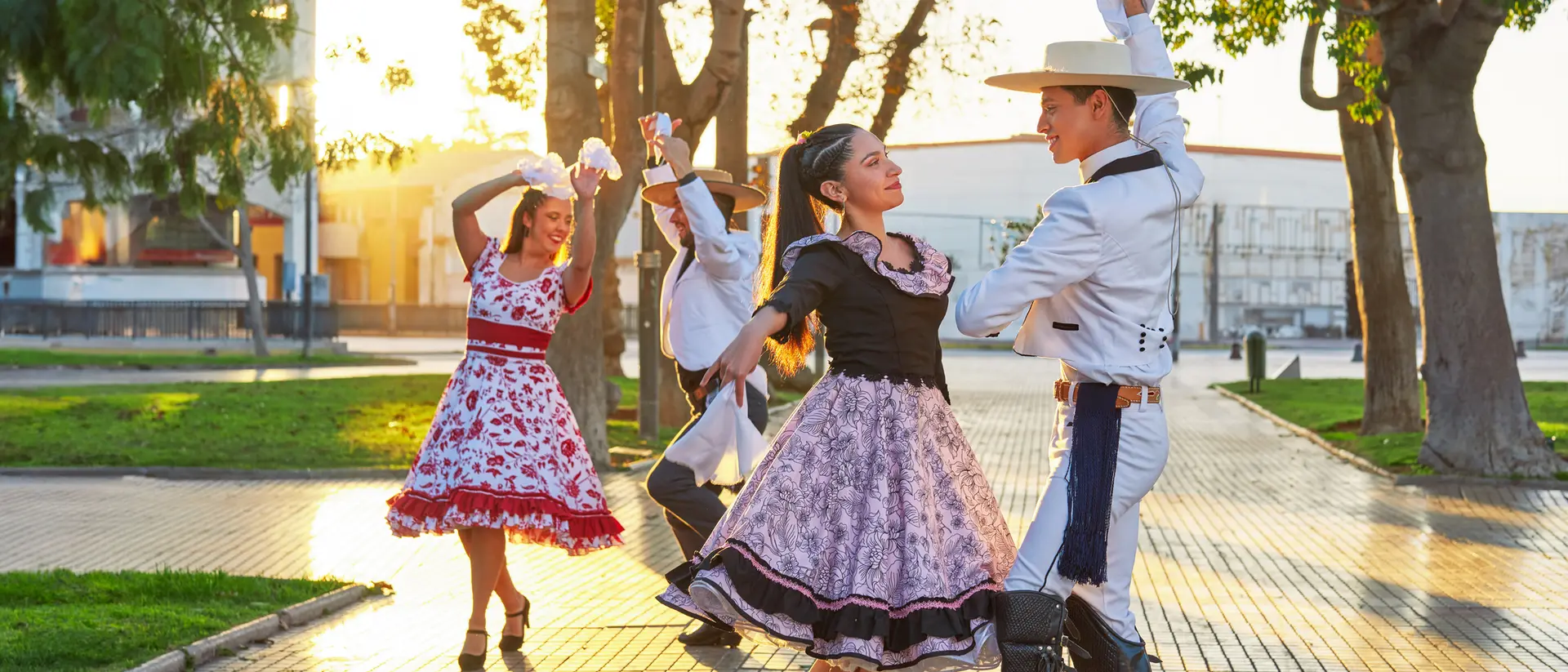
Few experiences capture Chile’s spirit better than its festivals. In September, the country comes alive for Fiestas Patrias, a two-day National Day celebration filled with cueca dancing, traditional rodeos, and sizzling asados.
Each February on Rapa Nui (Easter Island), the Tapati Festival transforms the island into a vibrant showcase of Polynesian sports, body painting, and ancestral arts.
And in the north, the Carnaval Andino bursts with music, colourful costumes, and parades honouring Aymara traditions.
If you hope to time your trip around one of these cultural highlights, explore our guide to Things to Know Before You Go for more planning tips.
Chilean Social Life and Etiquette
Chileans are warm and welcoming, often greeting friends and acquaintances with a handshake or a kiss on the right cheek. Courtesy is an important part of daily life, and conversations usually begin with polite small talk before moving to personal or business matters.
In cities, punctuality is valued, while rural areas tend to move at a more relaxed pace. Respecting personal space is appreciated, though physical warmth is common among close friends and family.
The Arts in Chile
Chile’s creative spirit thrives from the music halls of Santiago to the streets of Valparaíso. The latter, a hilly port city northwest of the capital, is a living gallery, where colourful murals and graffiti reflect both political commentary and poetic artistry.
The cueca, Chile’s national dance, is performed at festivals and family gatherings, telling playful stories of courtship. Music plays a vital role in the country’s cultural identity, from the traditional sounds of folk to the socially conscious Nueva Canción movement.
As Destination Specialist Samy Koussa says, “Fiestas Patrias, celebrated every September 18, marks Chile’s independence with music, cueca dancing, rodeos, and food festivals called fondas. It’s lively, family-friendly, and an authentic taste of Chilean culture.”
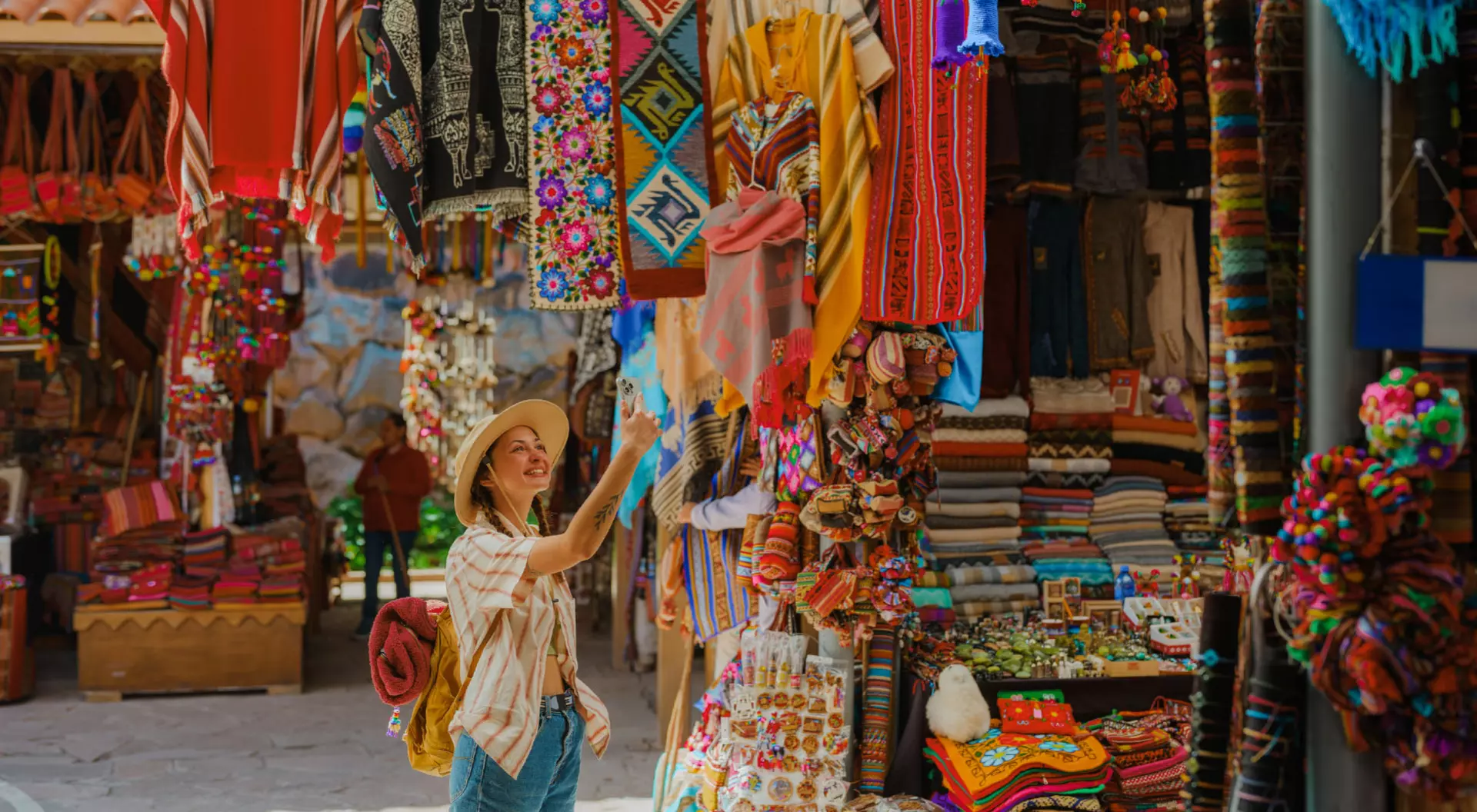
This energy extends to the work of artisans, whose silver jewellery, woven textiles, and lapis lazuli creations are treasured keepsakes. Culinary traditions are another form of artistry, best explored through Chilean food and drink.
Chile’s Spiritual Traditions and Indigenous Beliefs
Chile’s spiritual life blends Catholic traditions with the beliefs of its Indigenous communities. Catholicism is widely practised, with grand churches and humble chapels serving as focal points for community gatherings.
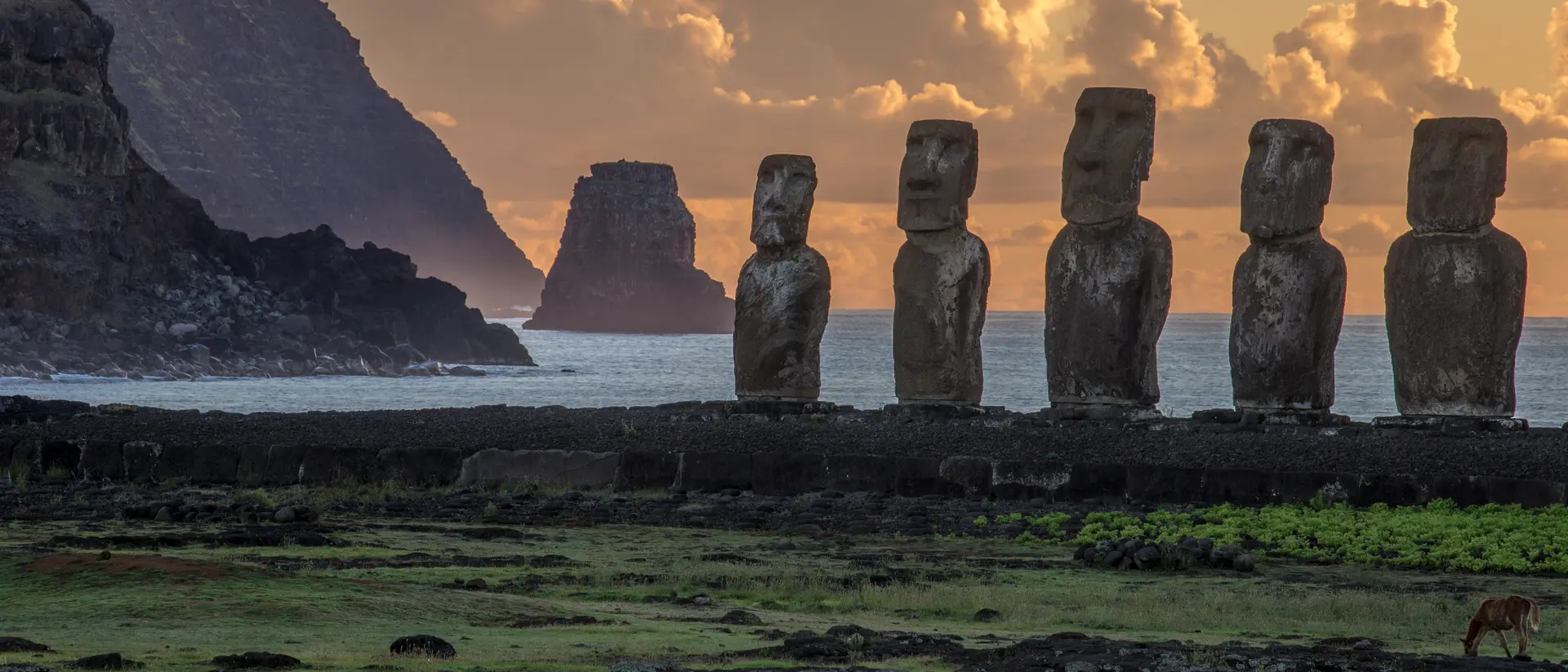
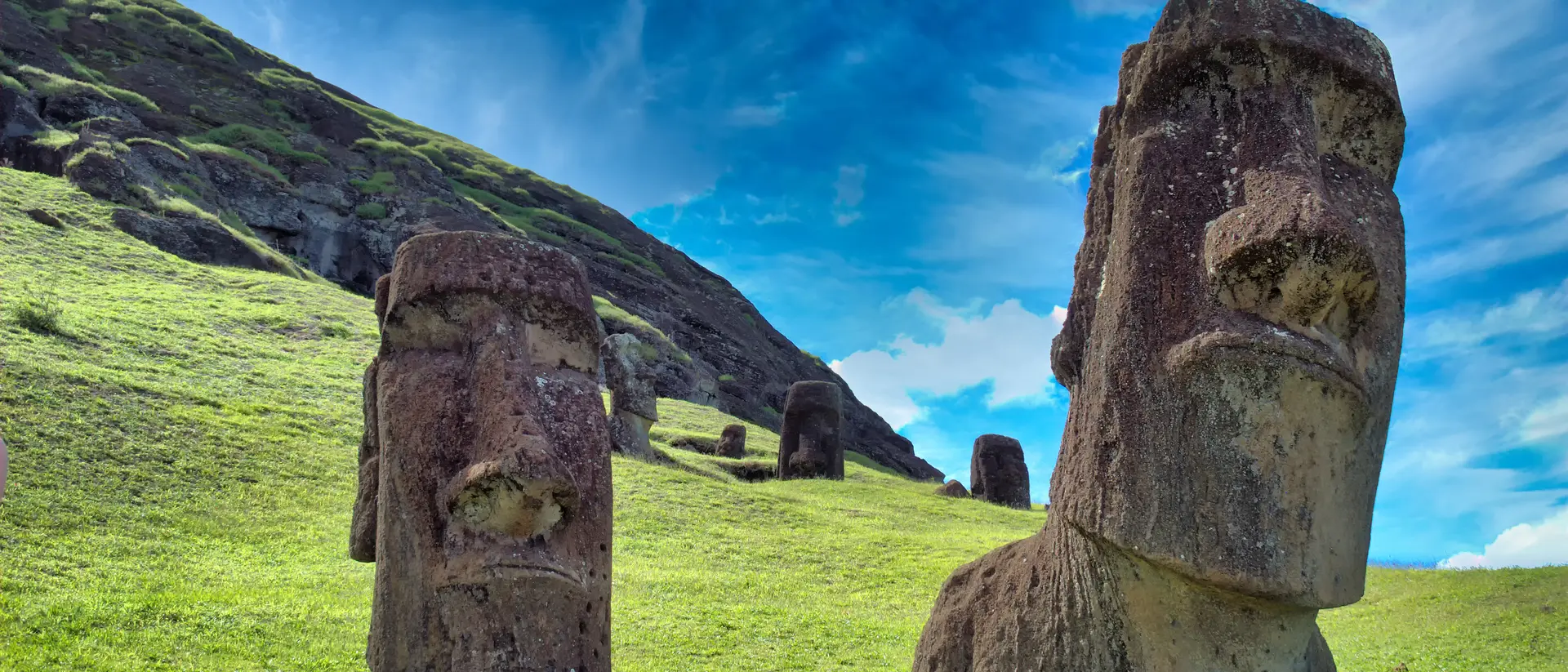
In the south, Mapuche spirituality emphasises a sacred connection to the earth, honouring nature spirits and ancestors through rituals and ceremonies. On Easter Island, the famous Moai statues remain powerful symbols of Rapa Nui heritage. “Visit Rapa Nui in February for the Tapati Rapa Nui, a vibrant, cultural celebration you’ll never forget,” says Destination Specialist Melissa Matheson.
These traditions, whether celebrated in bustling cities or on remote islands, offer travellers a profound glimpse into Chile’s soul.
Explore Chilean Culture with Goway
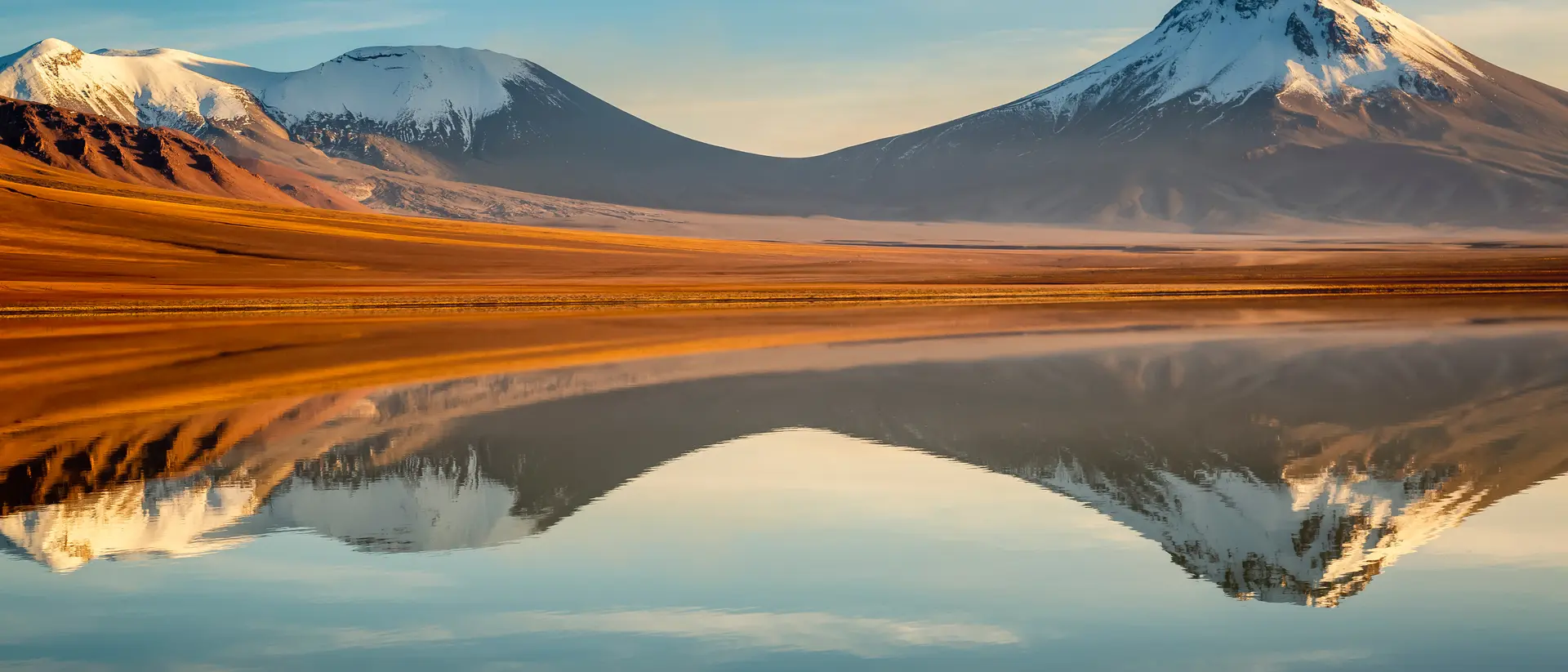
From Santiago’s vibrant arts scene to indigenous experiences in the soaring Andes, the lunar landscapes of the Atacama, and the glaciers of Patagonia, Chile delivers some of the most varied travel experiences in the world.
In just one journey, you might watch the sunset over a desert valley glowing pink, trek through icy terrain with an indigenous guide, and sip wine amid rolling vineyards. To embark on your own Chilean cultural odyssey, talk to one of our Destination Specialists today.
Featured Chile Trip Ideas
Chile Travel PackagesHighlights of Rapa Nui & Santiago
Rapa Nui (Easter Island) and SantiagoJourney through Chile, basking in Santiago's vibrancy before venturing to the enigmatic Rapa Nui. From iconic Moai to coastal delights, each moment enchants.
8 days
From US$2,213/p.p.
Request a Quote
Wine & Wonder in Chile
Santiago, Rapa Nui (Easter Island), and ValparaisoSavour the essence of Chile as you traverse Santiago's streets, indulge in exquisite wines, and uncover the serene mysteries of Rapa Nui’s moai.
11 days
From US$4,536/p.p.
Request a Quote
Classic Chile: Santiago, Rapa Nui & Atacama
San Pedro De Atacama, Santiago, and Rapa Nui (Easter Island)Experience the essence of Chile on this adventure, journeying from Santiago to Rapa Nui and the majestic Atacama Desert, rich in culture and breathtaking landscapes.
10 days
From US$4,164/p.p.
Request a Quote
Highlights of Rapa Nui & Santiago
Rapa Nui (Easter Island) and SantiagoJourney through Chile, basking in Santiago's vibrancy before venturing to the enigmatic Rapa Nui. From iconic Moai to coastal delights, each moment enchants.
8 days
From US$2,213/p.p.
Request a Quote
Wine & Wonder in Chile
Santiago, Rapa Nui (Easter Island), and ValparaisoSavour the essence of Chile as you traverse Santiago's streets, indulge in exquisite wines, and uncover the serene mysteries of Rapa Nui’s moai.
11 days
From US$4,536/p.p.
Request a Quote
Classic Chile: Santiago, Rapa Nui & Atacama
San Pedro De Atacama, Santiago, and Rapa Nui (Easter Island)Experience the essence of Chile on this adventure, journeying from Santiago to Rapa Nui and the majestic Atacama Desert, rich in culture and breathtaking landscapes.
10 days
From US$4,164/p.p.
Request a Quote
Travel Stories
Get inspired about Your Trip to Chile
Colombia Travel Tips from Goway & CTV Morning Live
Colombia is having a major travel moment, and I had the pleasure of returning to CTV Morning Live in Vancouver to unpack exactly why. Colombia ...
Ask a Travel Expert: Peru
Peru is one of the most famous countries in South America, but not many people know the specifics beyond the alpacas and Incan ruins. To help you lear...
Bussing Down to Rio & Beyond: Goway Goes to Latin America
Like other globetrotter destinations such as Africa and Europe, Goway’s roots in Latin America began in the 1970s. I had started Goway by specializing...
Frequently Asked Questions
What is the main religion in Chile?
How do you say hello in Chilean?
Spanish is Chile’s official language, so greetings are usually in Spanish. A simple “hola” works everywhere, and you may also hear “buenos días” (“good morning”) or “buenas tardes” (“good afternoon”). Among friends, greetings are often accompanied by a kiss on the right cheek.
What cultural festivals or events should I experience in Chile?
Fiestas Patrias (September 18 and 19) is the biggest celebration, with cueca dancing, asados, rodeos, and food festivals called fondas. On Easter Island, the Tapati Rapa Nui in February offers a vibrant immersion into Polynesian traditions. In northern Chile, the Carnaval Andino showcases Aymara culture with music, parades, and traditional dress.
What are some Chilean customs travellers should know about?
Chileans are warm and hospitable, and politeness is valued in conversation. Handshakes are common when meeting for the first time, while friends often greet with a kiss on the cheek. Respect for personal space is important, especially in formal settings. In rural areas, schedules are more relaxed than in major cities.
Is tipping customary in Chile?
Yes. In restaurants, a 10 percent tip is customary and often added to the bill. For guides, drivers, and hotel staff, tipping is appreciated but not mandatory, and the amount depends on the level of service.
Chile Travel Information
Not sure which theme is right for you?
Unlock more by subscribing to our newsletter.
With our newsletter, you’ll get access to regular communications that inspire you and help you explore the world your way.Exclusive Savings
Insider Benefits
Trending Stories
ExcellentBased on 5,282 ReviewsKatie was great, planned everything we needed, was great with changes and trip schedule conflicts. Fantastic working with her.CTI have been booking with GoWay for more than 2 years and feel so fortunate to have the best Travel Advisor, Maria Spitman, making our vacations unforgettable. I can’t say enough about Maria… she is personable, efficient, detail-oriented, and extremely knowledgeable about her specialty destinations. We have booked many trips with her, including Thailand, Spain, Portugal, Sicily, Iceland, and our most recent trip in Greece. Maria has not only curated nuanced itineraries, but has done so combining her vast knowledge of each region with our interests and needs being met perfectly. With that, it is evident that Maria learns about her clients to create vacation packages that far exceed expectations. I won’t book with anyone else! GoWay has a gem that is irreplaceable! I highly recommend seeking Maria out for all your destination needs. DarleenGoway has been amazing to work with. Farooq was my agent through Goway and she communicated promptly, planned a great international trip for my clients and was always organized. The trip was flawless to Rome and Malta from beginning to end!Kim KameleskyLisa Dachuk was incredible on organizing my trip. She took the time to know what I wanted and created an experience I will forever be grateful for having.Louise Helie MastersLori Mezzomo and the team at Goway Travel are fantastic! Lori helped plan a 3-week Australia trip for our family of 5. Our teenage boys enjoyed exploring Sydney, Uluru, Cairns and the Gold Coast. Highlights included a Sydney Harbour Bridge walk, sunrise hike around Uluru, snorkeling with turtles on the Great Barrier Reef, and surfing on the gold coast. Lori did a fantastic job of creating an itinerary that was engaging for our teenage boys and relaxing for the parents... not an easy task! We miss Australia and would gladly book again with Lori Mezzomo and Goway Travel.BlairSwati was fantastic! She worked with us to create the perfect Greece trip, and handled all the details to make it a worry-free experience.JtvMichael at Goway Travel was great to work with. We were planning a pre-trip with him prior to a group tour. He worked with us to hit the special places we wanted to visit and things we wanted to do. The accommodations arranged exceeded our expectations. Local guides were all amazing. This was the third trip we booked through Goway, and we will definitely book with them again in the future David PickaGoway Travel has South Pacific travel Consultant and they are all very experienced. ALICE was the agent who took care of my travel to Australia and she suggested best hotel accommodations excursions and worked within my budget. I had wonderful trip without any problems. Alice was very helpful and we are planning another trip will contact her.SaralAlice Teramoto Put together a perfect trip to Aitutaki and Rarotonga. The tours she included added to the experience. She was the glue to combine the complete package and would highly recommend her services.Valued CustomerWe just came back from a wonderful trip to Portugal. From the time I contacted Goway until now, I have been more than satisfied with our experience. Our agent Michael put together a 8 day package with all the requirements we had asked for. The 8 day trip went so seamless & took all the stress off us travelling in Portugal. Michael not only listened to what we wanted, but he was so quick to respond to all of our calls, emails & concerns. The transfers, hotels & tours he arranged were the best. We would highly recommend Goway. I can hardly wait to book our next adventure with Goway. Cathy
Verified
Verified
Verified
Verified
Verified
Verified
Verified
Verified
Verified
Verified