
Germany offers an array of unique experiences throughout the year, so the best month to visit depends largely on the traveler's interests. Snow sport lovers want to experience the Alps in winter, while those interested in historical tours will find summer suits them best. One of our Destination Specialists can advise you on when to plan your German holiday based on your particular wishes.
Germany Travel Information
Not sure which theme is right for you?
Best Time to Visit
From festivals and river cruises to hiking and history, Germany offers visitors an endless array of activities all year round, with each season providing its own distinct charms.
“Germany is beautiful in all seasons, offering diverse appeal and many attractions,” Destination Specialist Channa Jayasinghe says. “Spring and fall are especially great times to experience nature’s changes. This is a good time to spot birds and wildlife.”
Whether you’re trekking through the Black Forest, seeing cutting-edge art in Berlin, or lounging in a beer garden in Munich, Germany won’t disappoint. Talk to one of our Destination Specialists today about the best time to go based on your interests.
Planning Travel Around Germany’s Seasons
Germany’s summer months (June to August) see the warmest weather and longest days, providing the best conditions for sightseeing and outdoor activities (but also bigger tourist crowds and higher prices). This high season is packed with festivals and concerts, and boat cruises along the Rhine River are at their peak. This is also an ideal time to enjoy Bavaria’s beer gardens or hike in the German Alps.
Fall in Germany (September to November) ushers in cooler temperatures and stunning autumn foliage, perfect for Black Forest treks or partaking in the various harvest festivals throughout the country. Crowds tend to be smaller during this shoulder season but can spike during Oktoberfest festivities in Munich and other major cities, so booking ahead of time is a must.
With the coldest temperatures (and lowest tourist prices) of the year, winter in Germany (December to February) is the perfect time to explore Berlin and Munich’s many world-class museums and to experience the magic of the Christmas markets held throughout the country. It’s also the best time to indulge in winter sports in the Alps or see Bavaria’s fairytale-like Neuschwanstein Castle under a blanket of snow.
In the spring (March to May), Germany comes into bloom with rising temperatures and longer days. This is the perfect time to enjoy the spectacular cherry blossoms around Bonn or to wade through new growth throughout the Black Forest. Crowds are generally lighter during this season and prices tend to be more budget-friendly.
For more information on where to go and when, check out our extensive guide to German destinations.
The Best Times to Visit Germany According to Your Interests
History and culture
The best time to visit Germany for history and culture is during spring (March to May) and fall (September to November), as these shoulder seasons offer pleasant weather, fewer crowds, and numerous local festivals and events. Fall is particularly ideal for cultural experiences like Oktoberfest, wine festivals, and harvest celebrations, while spring offers charming May Day festivities. From late November until Christmas, the country’s many magical Christmas markets spring up across the country.
City exploration
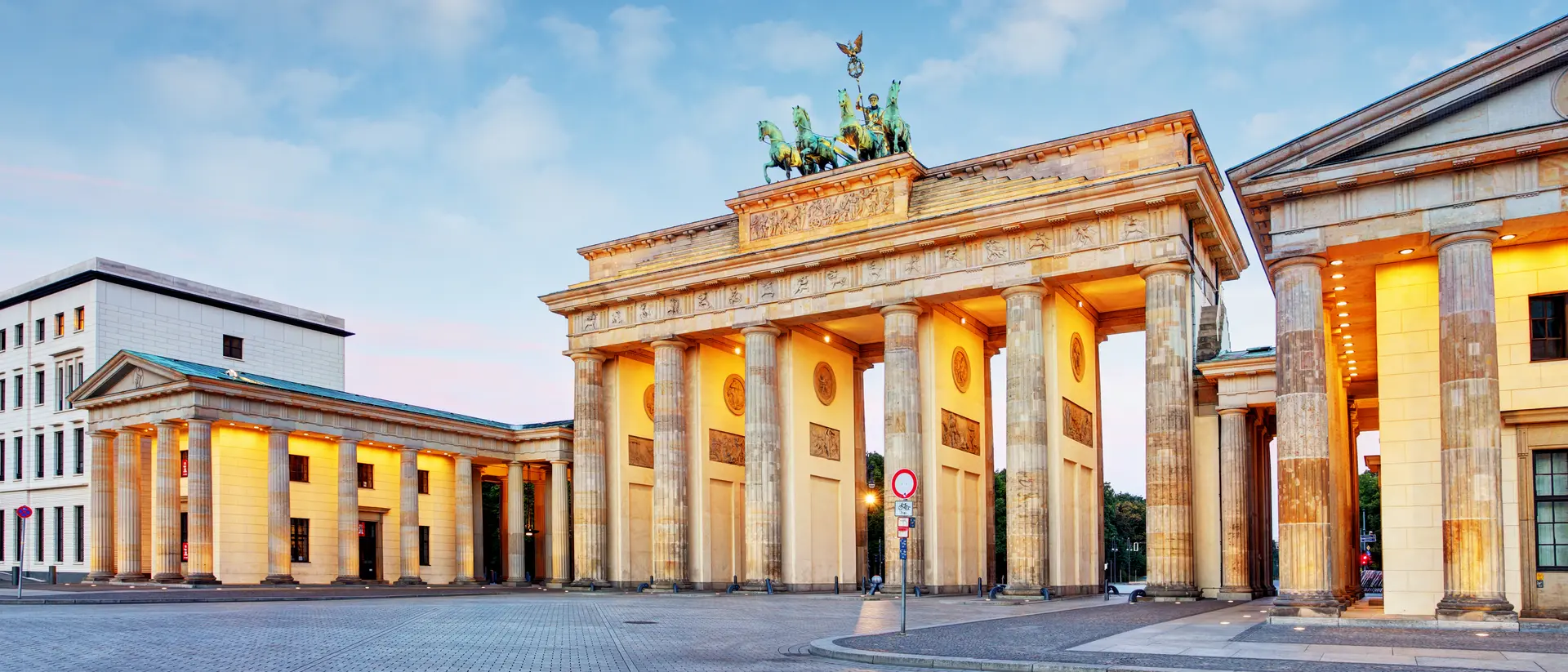
While Germany’s major cities—Berlin, Munich, Dusseldorf, Dresden—offer a wealth of things to do all-year round, some seasons are best when it comes to specific sites and activities. During the colder months of winter, Berlin’s Museum Island provides days’ worth of wonders to explore, while its outdoor historic sites, such as the Berlin Wall Memorial and Brandenburg Gate, are best visited on foot during the warmer months or shoulder seasons. In Munich, the main opera and theatre season runs from approximately September to July, with a summer break in August. The best time to visit Dresden’s restored architectural marvels is during the summer, although crowds and queues can be larger at this time.
Nature and the outdoors
The best time to experience nature in Germany depends on the activity: summer (June to August) is ideal for general outdoor activities like hiking and cycling, while spring (March to May) and fall (September to November) are great for crowd-free hiking in the Black Forest or visiting vineyards. Winter (December to February) is best for skiing and snowboarding in the Bavarian Alps.
Regional Highlights to Plan Your Germany Trip Around
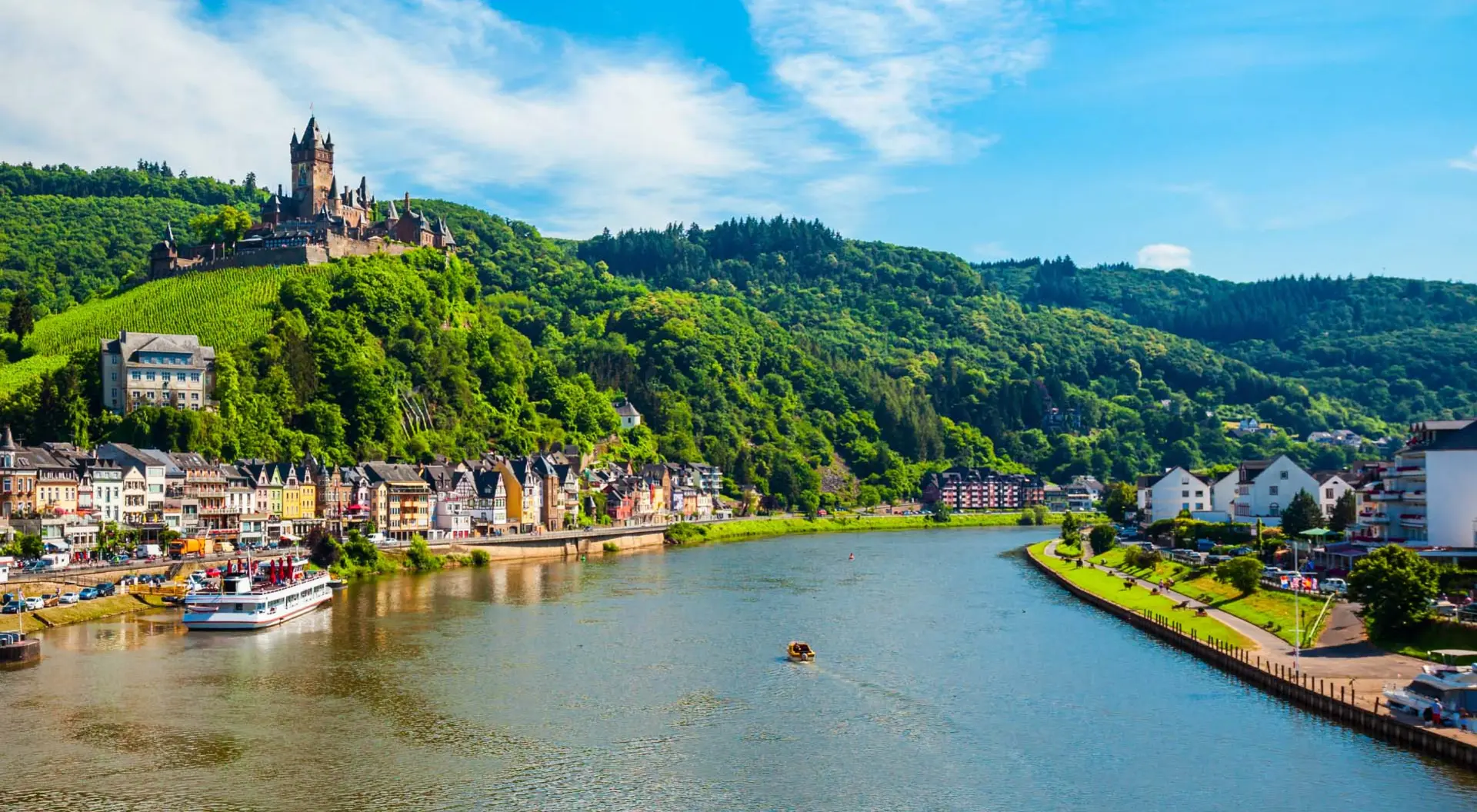
As one of Western Europe’s biggest countries, Germany holds a wealth of regional diversity. For travelers, that means picking a region that suits your interests best, such as the Alps for stunning mountain scenery and outdoor activities, the Black Forest for hiking and charming villages, and the Rhine and Mosel Valleys for river cruises, vineyards, and castles. Additionally, consider exploring Bavaria for fairytale castles like Schloss Neuschwanstein and cities such as Munich and Berlin for their historical sites and vibrant culture.
To explore which region is ideal for you, consult with one of our Destination Specialists today.
Let the Seasons Shape Your Germany Journey
While you can travel to Germany at any time of the year and have a good time, each season offers its own unique appeal.
In spring, visit Bonn for its cherry blossoms or Munich for Frühlingsfest, a two-week-long spring festival often called the sister festival to world-famous Oktoberfest.
Summer is ideal for hiking in the Bavarian Alps, enjoying beer gardens throughout the country, and experiencing coastal areas like the North and Baltic seas when they’re at their warmest.
During fall, Oktoberfest and other wine and harvest festivals are the highlights of the calendar. You can also enjoy the autumn colours in cities such as Munich and Berlin, but be prepared for crowds at major events.
In winter, experience the Christmas markets in cities like Dresden or Cologne, go skiing in the Alps, or enjoy the Karneval/Fasching season.
To achieve the best results on your trip, let our Destination Specialists match your interests to the perfect time to go.
Featured Germany Trip Ideas
Germany Travel PackagesMelodies of the Danube River Cruise
Budapest and Fisherman’s BastionAn Independent Danube River cruise through Hungary, Slovakia, Austria and Germany, where vineyard shores, storied castles and riverside culture unfold.
10 days
From US$5,996/p.p.
Request a Quote
Highlights of Germany: Frankfurt, Berlin & Munich
Munich, Berlin, Berlin Wall Memorial, Brandenburg Gate, and FrankfurtExperience Germany’s rich history and culture over 8 days. Explore Frankfurt, Berlin, and Munich for unforgettable sights, food, and adventures.
8 days
From US$2,603/p.p.
Request a Quote
Classic Berlin, Prague, Kraków & Warsaw
Warsaw, Kraków, Prague, Berlin, Berlin Wall Memorial, and Brandenburg GateWander through Berlin's rich tapestry of history, sail Prague’s illuminated waterways, and reflect in Krakow's poignant past before exploring Warsaw’s resilient spirit.
11 days
From US$3,600/p.p.
Request a Quote
Melodies of the Danube River Cruise
Budapest and Fisherman’s BastionAn Independent Danube River cruise through Hungary, Slovakia, Austria and Germany, where vineyard shores, storied castles and riverside culture unfold.
10 days
From US$5,996/p.p.
Request a Quote
Highlights of Germany: Frankfurt, Berlin & Munich
Munich, Berlin, Berlin Wall Memorial, Brandenburg Gate, and FrankfurtExperience Germany’s rich history and culture over 8 days. Explore Frankfurt, Berlin, and Munich for unforgettable sights, food, and adventures.
8 days
From US$2,603/p.p.
Request a Quote
Classic Berlin, Prague, Kraków & Warsaw
Warsaw, Kraków, Prague, Berlin, Berlin Wall Memorial, and Brandenburg GateWander through Berlin's rich tapestry of history, sail Prague’s illuminated waterways, and reflect in Krakow's poignant past before exploring Warsaw’s resilient spirit.
11 days
From US$3,600/p.p.
Request a Quote
Most Popular Time to Travel
Know when to go.
Place
Conditions
Daily max temperatureMonthly rainfall
BerlinPartly Cloudy
23°C / 73°F
40mm / 1.6"
DresdenMostly Sunny
22°C / 72°F
30mm / 1.2"
FrankfurtPartly Cloudy
22°C / 71°F
60mm / 2.3"
FreiburgOccasional Showers
23°C / 74°F
55mm / 2.2"
HamburgPartly Cloudy
21°C / 70°F
45mm / 1.8"
HeidelbergPartly Cloudy
23°C / 73°F
35mm / 1.4"
Weather data is based on monthly averages.Popularity rating
-
Travel Stories
Get inspired about Your Trip to Germany
The Bounty of Budapest
Just after the server slid the bowl in front of me, my glasses began steaming up. The fumes, laden with the scent of rich beef and sweet, peppery papr...
8 Reasons to Book a Trip to Gran Canaria
If you ask North American globetrotters to name their dream Spanish destination, they'll likely tell you about the Gaudí spires of Barcelona, the gall...
Ask a Travel Expert: European River Cruising
Cruising remains one of the most popular travel styles, but European river cruising isn’t quite the same as boutique island cruises or the big ocean l...
Frequently Asked Questions
What is the best month to visit Germany?
When is the cheapest time to travel to Germany?
The least expensive time to visit Germany is usually in late winter (January and February), when the weather is at its coldest and Christmas festivities have ended. Keep in mind that prices spike in summer, during Oktoberfest, and around Christmas. If winter doesn’t suit you, bargains can still be found in the shoulder seasons during spring and parts of autumn.
When is Oktoberfest in Germany?
Oktoberfest takes place from mid to late September until the first Sunday in October. Visitors should expect larger-than-usual crowds, especially around Munich. For quieter options, many cities besides Munich, such as Stuttgart, Berlin, and Frankfurt, host their own Oktoberfest-style festivals at this time of year.
Does it snow in Germany in December?
It can snow in December in Germany, especially in the Alps and more northerly regions of the country. This is the best time to visit some of Germany’s world-renowned ski resorts or explore its museums and galleries.
Germany Travel Information
Not sure which theme is right for you?
Unlock more by subscribing to our newsletter.
With our newsletter, you’ll get access to regular communications that inspire you and help you explore the world your way.Exclusive Savings
Insider Benefits
Trending Stories

ExcellentBased on 5,291 ReviewsMy husband and I booked a tour to Portugal using Goway travel. Working with Phoebe was a pleasure. She responded promptly and professionally to all of my requests, concerns and queries. Our trip was filled with lovely details and unexpected treasures.Kristen RemsenMy trip to China was a wonderful experience, and everything was planned very well. The itinerary was well organized by Ms. Harpreet Litt. The arrangements were smooth, and the overall trip was enjoyable.
I appreciated the attention to detail and the excellent coordination throughout the journey. It was a memorable experience, and I would highly recommend this trip to anyone planning to visit China!edytaHarpreet Litt provided us with a rich experience for our week. She offered good choices for local tour companies. We had a very good guide in Osaka. She is an Osaka resident with good English skills. She took extra pains to include opportunities we requested Osaka was a beautiful city at night. My photos of restaurants and street food were colorful and fun. Food was good too.Noel ChrismanI had a fantastic experience working with Lisa D. on the Goway team. She was helpful, attentive and made sure we were comfortable with our bookings and itinerary before departure, and also checked in with us following our trip. Would definitely book with Goway again!Mandi S.1186952 trip reference - Croatia and Montenegro.
Dear Goway Travel Team!
I wanted to reach out and share some well-deserved praise for Jacqueline, who has assisted me closely with several of my travels. She recently curated a trip for me to Croatia, the beautiful islands, and Montenegro, and it was an absolute home run.
Jacqueline has an incredible ability to listen to her clients' needs and translate them perfectly into a flawless itinerary. Her articulation, guideline execution, and professionalism are unmatched. What sets her apart is her forward-thinking approach—she always knows the exact hotspots and trends, ensuring the pace of the trip matches my speed perfectly.
Everything transitioned seamlessly thanks to her attention to detail and care. She is a massive asset to your organization, and her consideration makes every vacation stress-free. I will absolutely continue to use her for all my future travels.
Kindest regards,
Vince Sacco Vince SaccoAbsolutely incredible trip! From beginning to end! All accommodations were excellent. If you want to experience Safaris this trip will fulfill all your expectations! A special thanks to our driver we had for our entire trip Evans! He made our trip over the top! The Hot air balloon ride in the Masai Mara is a must…it’s breathtaking!Pam SeitzI have worked with Goway several times in the past two years and every single trip has been unforgettable. Specifically, our travel advisor, Maria, has helped us book phenomenal trips to Thailand, Spain, Portugal, Italy, Ireland, and most recently, Iceland. Maria is so wonderful and easy to talk to, but what really stands out is her ability to get to know her clients so she can plan trips that perfectly align with our interests and desires. I cannot recommend her strongly enough! Her expertise, hard-work, and dedication towards each trip has given myself, my family, and friends memories to last a lifetime! Kayla CovelloJamil made our 40th birthday trip to Portugal so so very amazing and special! Great service, fabulous hotels, and wonderful day trips! Lane StricklandKatie was great, planned everything we needed, was great with changes and trip schedule conflicts. Fantastic working with her.CTI have been booking with GoWay for more than 2 years and feel so fortunate to have the best Travel Advisor, Maria Spitman, making our vacations unforgettable. I can’t say enough about Maria… she is personable, efficient, detail-oriented, and extremely knowledgeable about her specialty destinations. We have booked many trips with her, including Thailand, Spain, Portugal, Sicily, Iceland, and our most recent trip in Greece. Maria has not only curated nuanced itineraries, but has done so combining her vast knowledge of each region with our interests and needs being met perfectly. With that, it is evident that Maria learns about her clients to create vacation packages that far exceed expectations. I won’t book with anyone else! GoWay has a gem that is irreplaceable! I highly recommend seeking Maria out for all your destination needs. Darleen
Verified
Verified
Verified
Verified
Verified
Verified
Verified
Verified
Verified
Verified