While familiar clichés (lederhosen, punctuality, steins of beer) persist, Germany’s cultural identity runs far deeper. This is a nation of poets and philosophers, composers and engineers, whose influence spans literature, music, science, and political thought. Today, Germany remains a global leader in design, sustainability, and social progress, shaped by a population of more than 80 million people representing a range of regional identities, religions, and customs.
At its core, German culture places a high value on order, responsibility, and the collective good. Rules are respected not out of rigidity, but from a belief in fairness and a shared benefit. You see this in everything from impeccably clean cities and advanced recycling systems to a transport network famed for its efficiency and ambition. While precision and productivity shape daily life, so do long lunches, lively beer gardens, and a deep appreciation for leisure that’s well earned.
From Gothic cathedrals and Bauhaus masterpieces to contemporary art and experimental nightlife, Germany offers a cultural landscape as complex as its history, inviting travellers to experience both its structure and its soul.
To embark on your own German cultural journey, speak with one of our Destination Specialists today.
A Brief History of German Culture
Long before Germany existed as a nation, Germanic tribes lived along forested rivers and trade routes, fiercely independent and often at odds with their neighbours. When the Romans pushed north into what’s now western and southern Germany, they built roads, forts, and cities along the Rhine. You can still trace that legacy in Cologne’s Roman walls and the ruins scattered throughout Bavaria and western Germany. Eventually, these Roman legions were defeated by Germanic tribes during the Battle of the Teutoburg Forest in 9 AD, when Roman expansion was halted east of the Rhine.
What followed was a long patchwork era of independent principalities, kingdoms, and free cities. Medieval market towns thrived, castles crowned hilltops, and Gothic cathedrals were built in Cologne, Ulm, and Freiburg. It wasn’t until 1871 that Germany unified under Prussian leadership, quickly becoming an industrial powerhouse. The 20th century brought catastrophe—World War I, the rise of Nazism, World War II, and the Holocaust—now confronted through memorials and museums across the country.
The Cold War split Germany in two, a rupture made painfully tangible by the Berlin Wall. Reunification in 1990 ushered in today’s Germany: forward-looking, self-aware, and more likely to express pride through well-run cities and impeccable craftsmanship than flag-waving—except, perhaps, during football season.
German Traditions and Social Norms
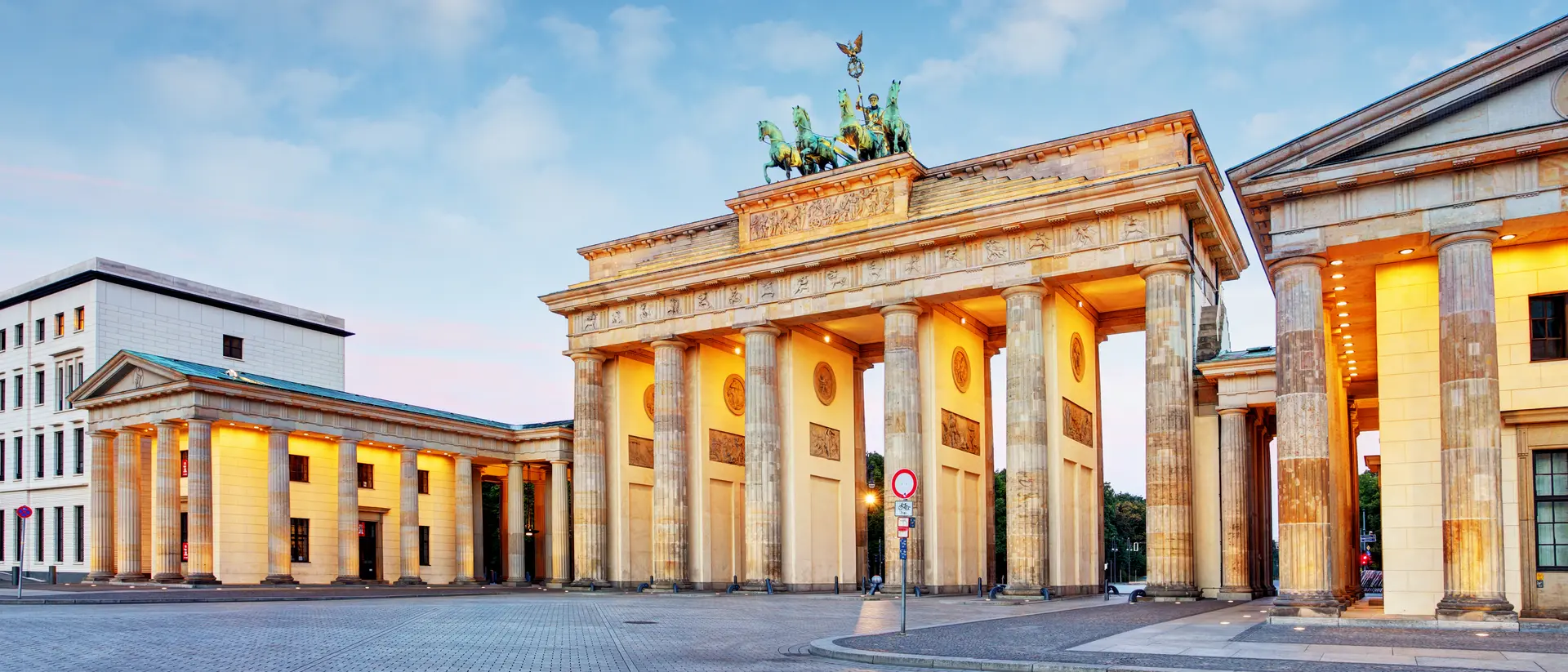
Spend time in Germany and one thing becomes immediately clear: punctuality isn’t optional. Being on time is one of the most important social customs in Germany, rooted in the country’s industrial past, Prussian traditions of order, and a broader belief that time is a resource not to be wasted. Travellers are expected to follow suit, whether that means arriving early for a train departure or a tour of Berlin’s sights, such as the Brandenburg Gate and Berlin TV Tower.
Germany’s respect for structure extends to downtime. Sundays are legally protected rest days (Sonntagsruhe), when most shops close entirely. Restaurants, cafés, and museums remain open, encouraging people to enjoy their leisure time. Quiet hours (Ruhezeit) are also strictly observed on Sundays and nightly from 10:00 p.m. to 6:00 or 7:00 a.m. Loud music, late-night parties, or even tossing glass bottles into recycling bins can earn you disapproving looks or even a fine.
Greetings follow similarly clear rules. A friendly hallo (hello) when entering a shop is expected, as is saying tschüss (goodbye) and danke (thank you) when leaving. You can also use Guten Morgen (good morning) before 11:00 a.m., Guten Tag (good afternoon) during the day, and Guten Abend (good evening) after 6:00 p.m. A brief, firm handshake with eye contact is standard, while hugs are reserved for close friends. Formal titles, such as Herr (Mr.) and Frau (Ms./Mrs.) with surnames, are used until you’re invited to address someone by their first name.
For more on German etiquette and rites, check out our Inside Travel Tips.
German Celebrations, Holidays, and Festivals
Among the most joyful traditions in Germany are its holidays and festivals, moments when structure gives way to celebration. These events offer some of the most immersive German cultural experiences—and a lively answer to what Germany is known for culturally.
Oktoberfest, which takes place annually in September or October, is one of the best times to visit Germany. Originating in Munich in the early 1800s, the famous festival celebrates Bavarian culture with brass bands, parades, and classic German food and drink, including bratwurst, pretzels, and beer. Locals and travellers alike don Dirndls and Lederhosen, gathering inside vast beer tents where one-litre servings of Märzen or Festbier fuel sing-alongs, oompah music, and cheer.
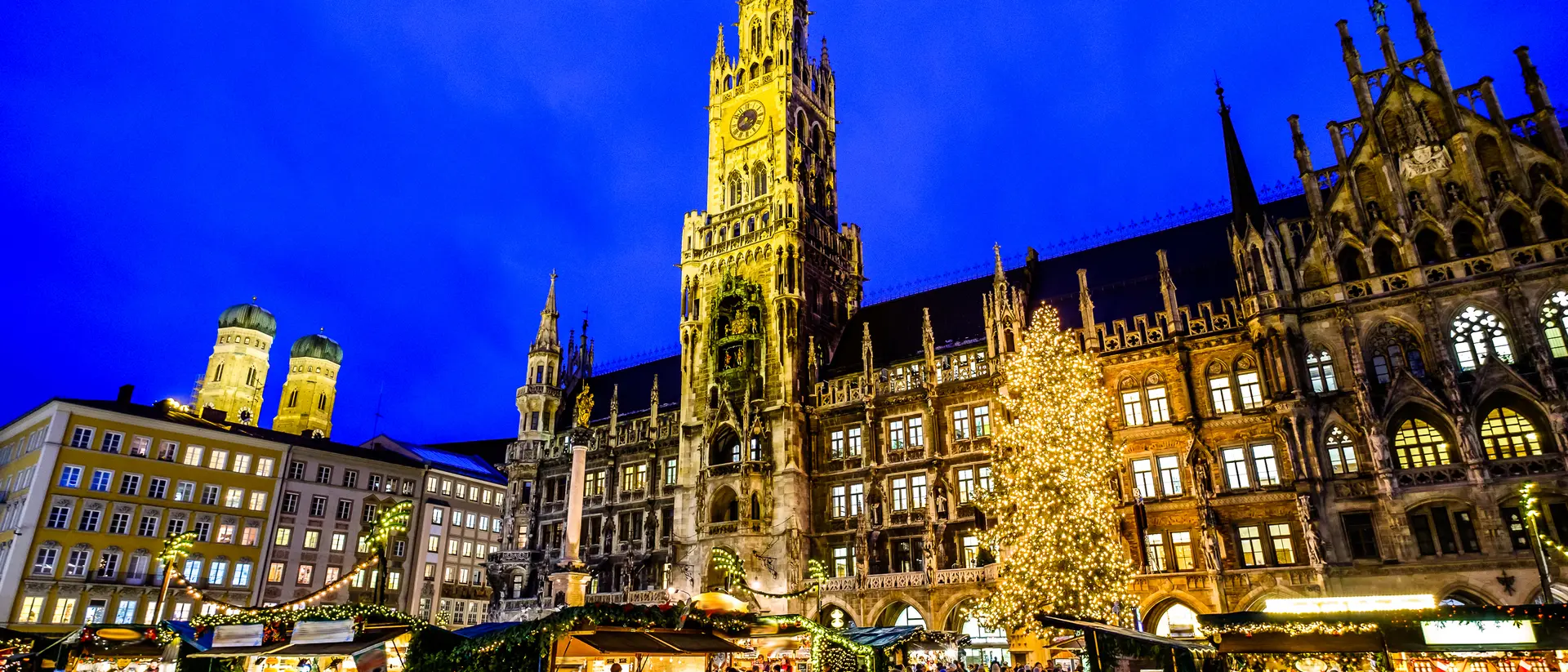
Christmas traditions in Germany are equally beloved. From Dresden’s historic Striezelmarkt to Berlin’s neighbourhood stalls, Christmas markets are a seasonal rite of passage. Expect glowing lights, hand-blown ornaments, Lebkuchen (gingerbread), and mugs of steaming Glühwein (mulled wine). The Advent season begins four weeks before Christmas, with wreaths lit each Sunday leading up to Christmas Eve, the main day for family gatherings, gift-giving, and festive meals.
Then there’s Karneval, Germany’s version of Mardi Gras. Celebrated most famously in Cologne, Düsseldorf, and other Rhineland cities, it’s a colourful mix of parades, costumes, and street parties. Festivities peak in the week before Ash Wednesday, though the “fifth season” of carnival officially begins on November 11. Costumes range from jesters and witches to hyper-local themes, making it one of the most playful and regionally distinct German festivals and holidays.
German Music, Art and Architecture
German music, art, and architecture rank among the country’s most enduring contributions to the world stage. Germany is, after all, the birthplace of the three Bs: Bach, Beethoven, and Brahms, the composers who defined the Baroque, Classical, and Romantic eras. Today, classical music remains deeply woven into daily life, whether heard at Hamburg’s sculptural Elbphilharmonie, Berlin’s Philharmonie, Munich’s opera houses, or at festivals across the country.
Architecturally, German cities are like a living timeline. The Cologne Cathedral reflects the Gothic era, while Baroque and Rococo splendour is showcased in Dresden and Munich. Not far from Munich in Bavaria, Neuschwanstein Castle looks straight out of a fairytale and even inspired Walt Disney. Berlin tells a different story, with historical legislative buildings such as the Reichstag sitting alongside modernist housing estates and bold contemporary design. Bauhaus architecture devotees should head to Weimar, while Hamburg’s UNESCO-listed Speicherstadt, the world’s largest historic warehouse complex, reveals the city’s maritime past.
With more than 6,700 museums, Germany offers one of Europe’s richest cultural landscapes. Institutions like Berlin’s Museum Island, Munich’s Deutsches Museum, Dresden’s Green Vault, and Nuremberg’s Germanisches Nationalmuseum underscore a national commitment to creativity, education, and public discourse.
Everyday German Culture You’ll Experience When You Visit
A work-hard, play-hard mindset shaped daily life in Germany. Locals are productive and efficient during the workday, followed by quality leisure time spent with family and friends or enjoying the outdoors. That might mean cycling through city parks, hiking the Ravenna Gorge in the vast Black Forest, or settling into a shaded beer garden, where long communal tables invite conversation over locally brewed lagers.
Food rituals anchor the day. Lunch is traditionally the heartiest meal, while afternoons are reserved for Kaffee und Kuchen, a cherished pause for coffee and cake that is both social and restorative. Sustainability is another daily constant. Recycling is taken seriously, with clearly labelled bins and bottle-return systems that ensure communities are kept clean.
You’ll quickly learn that communication tends to be direct and clear. Germans value honesty over polite small talk. It’s not meant to be rude, just practical. Once you understand these core German customs and etiquette, the country feels easy to navigate and surprisingly welcoming beneath its orderly surface.
Embrace Germany’s Culture With Goway
Our Destination Specialists bring clarity, care, and depth to experiences that demand context—and Germany has many. With the right expert, your trip will be judiciously paced, thoughtfully guided, and tailored to your interests, whether they’re historical, cultural, or culinary.
A tour focused on World War II history might include a visit to the Dachau Concentration Camp Memorial Site guided by an accredited expert trained by the memorial itself. Instead of navigating Berlin’s Cold War history on your own, you might explore the former Berlin Wall, Checkpoint Charlie, and hidden memorials on a private, context-rich tour that brings history into sharp focus.
In Bavaria, that same insider access could mean sipping beer with locals in Munich’s historic beer halls, or joining a brew master for a private tasting paired with stories you won’t find in guidebooks.
With local insight and thoughtful planning, Germany reveals itself not as a checklist of sights, but as a layered experience designed just for you.
Let us craft your cultural itinerary with immersive experiences and expert insight.