

As a leading provider of trips to Oceania for 55 years, Goway offers unmatched experience and knowledge in the region. Our expertise in crafting customized itineraries, including options for self-drive, coach, and combination tours, ensures a personalized experience. We also provide access to a range of unique experiences, from Maori cultural encounters and cruises in Milford Sound to exploring the geothermal wonders of Rotorua.
New Zealand Travel Information
Not sure which theme is right for you?
Insider Travel Tips
Combining ancient charm with modern hospitality, New Zealand is bursting with vacation options. The most popular sites on the North Island are in Auckland, the capital Wellington, Rotorua, the Hawkes Bay region, the Coromandel Peninsula, and the Bay of Islands. On the South Island, travellers will want to take in the cities of Christchurch and Queenstown, cruise Milford Sound, visit Dunedin, enjoy the wine regions on the island's northern edge, and marvel at the glaciers of the West Coast and in Aoraki/Mt Cook National Park.
But this is only a start. To start planning your tailor-made New Zealand vacation, talk to one of our Destination Specialists today.
What (and How) to Pack for New Zealand
When packing for your New Zealand vacation, be prepared for diverse weather conditions and focus on the versatility of what you bring. Clothing-wise, pack items that can be layered, such as thermal tops and bottoms for winter, spring, or autumn, a number of tees and singlets, and a couple of long-sleeved shirts for warmth and sun protection.
Also include a waterproof and windproof jacket, comfortable walking shoes or hiking sandals, and items for sun protection like a hat, sunglasses, and sunscreen.
Casual and comfortable clothing is the norm, but also consider bringing a few nicer outfits for evenings out. If you can, try to limit your luggage to an easy transportable carry-on suitcase or roller bag, as you’ll likely be taking a lot of domestic flights, trains and buses as you travel around the country.
Practical Information for Visiting New Zealand
You will need a valid passport and a New Zealand Electronic Travel Authority (NZeTA) to travel to New Zealand as a tourist. Your NZeTA needs to be approved prior to departing for New Zealand. All passengers must also fill out a New Zealand Travel Declaration prior to each arrival.
With an NZeTA, which is often used in place of a travel visa, you can stay in New Zealand for up to three months at a time. You can also return to the country later in the same year, staying for a total of six months over a single calendar year.
If you want to stay longer than three months (or six months for U.K. citizens), you'll need to apply for a Visitor Visa, demonstrating at the time of application that you will have enough money to support yourself for the duration of your stay.
Health and Safety in New Zealand
New Zealand is a very safe nation for all types of travellers, with a diverse population and strong laws protecting visitors from discrimination based on gender, ethnicity, and sexual orientation. It is also one of the most peaceful countries in the world and has a low crime rate.
At the same time, discretion should be exercised in rural areas, which can be more conservative than major cities. As with any destination, it is wise to take precautions to ensure personal safety and protect belongings: Always be aware of your surroundings, especially at night, and avoid walking alone in poorly lit areas.
If you get sick, New Zealand has an excellent healthcare system, but travel health insurance is nonetheless advised for tourists. Make sure your coverage is valid for the full duration of your trip.
Culture and Customs in New Zealand
Kiwis are friendly and outgoing people, so be prepared to embrace lively conversations, spontaneous invitations, and genuine displays of hospitality. If you’re invited to a Kiwi home, bring a small gift as a token of appreciation. Take your cues from your hosts about how long to stay.
To show respect at Māori sites, it's important to be mindful of the tikanga (protocols) surrounding rules of conduct. Before entering a marae (Māori meeting grounds) or wharenui (meeting house), remove your shoes, and avoid bringing food and drinks into these spaces. When visiting wāhi tapu (sacred places), treat the site with care and respect, following any access restrictions. Always seek permission before taking photos, especially during ceremonies or in sacred areas.
When to Visit New Zealand
When planning your New Zealand vacation, keep in mind that summer holidays are from mid to late December to late January, which is the best time to visit if you’d like your vacation to overlap with the Christmas holiday season. However, many New Zealanders will take their holidays earlier in December or later in February or March, depending on their schedules.
Weather-wise, New Zealand experiences distinct seasons, each offering unique advantages for travellers. The warm weather and long daylight hours of summer (December to February) are ideal for outdoor activities and beachgoing, while winter (June to August) is perfect for skiing and snowboarding in the South Island.
Spring (September to November) and autumn (March to May) offer milder temperatures, fewer crowds, and beautiful landscapes, making them ideal for hiking and sightseeing throughout the country.
Top Destinations and Experiences in New Zealand
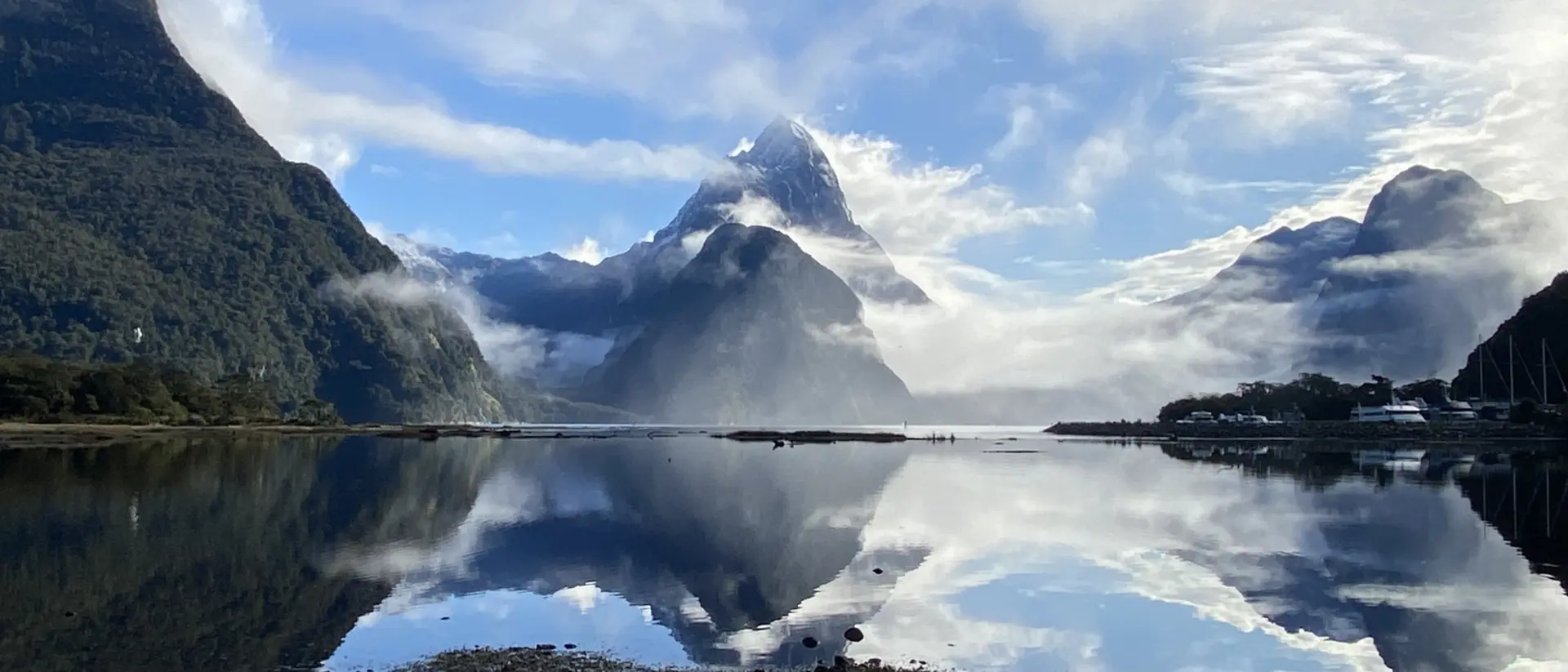
For first-time visitors to New Zealand, must-see destinations include Queenstown, Milford Sound, and the Bay of Islands. Queenstown is known for its adventure activities and stunning scenery, while Milford Sound offers breathtaking fiords. The Bay of Islands is a paradise of islands boasting turquoise waters and historical significance.
Other popular destinations include Rotorua (especially noteworthy for its rich display of Māori culture), Franz Josef Glacier, and Abel Tasman National Park.
“About 20 percent of New Zealand is made up of National Parks, Forests, and Nature Reserves,” says Destination Specialist Mary Georgiou. “And they’re all free to enter!”
Any trip to New Zealand is also likely to take you through big cities such as Auckland and Wellington, which shouldn’t be missed for their lively restaurant scenes, abundance of coffee houses, and world-class museums and galleries.
“Goway’s unique partnerships in New Zealand extend to accommodations as well as experiences,” Georgiou says. “Among the most memorable and/or luxurious lodgings at our disposal are Maruia Hot Springs in the Southern Alps, Black Swan Lakeside Boutique Hotel in Rotorua, Acacia Cliffs Lodge in Taupo, QT Auckland and QT Queenstown, and The Rees Hotel Queenstown.”
Food and Wine in New Zealand
New Zealand offers delectable culinary experiences reflecting its diverse landscapes and rich cultural heritage. Its cuisine emphasizes farm-to-table freshness and is known for its high-quality seafood, lamb, and dairy products, Māori food traditions such as hāngī (earth-cooked meals), and a strong café culture with a focus on artisan coffee and baked goods.
New Zealand is also renowned for its world-class wines and growing craft beer scene. Marlborough is the largest wine region, famous for Sauvignon Blanc, while Central Otago, with its picturesque scenery, is a must-visit for Pinot Noir lovers. Wellington, the country’s capital, is known for its many craft breweries.
Plan Your Tailor-Made New Zealand Vacation With Goway
Given how much there is to see and do in New Zealand, a compact country that nonetheless stretches across two main islands, countless smaller ones, and a vast range of landscapes from urban to alpine to coastal, good pre-planning is key to maximizing your time in the country. Start planning your tailor-made New Zealand adventure with one of our Destination Specialists today.
Featured New Zealand Trip Ideas
New Zealand Travel PackagesClassic Downunder: New Zealand & Australia
Victoria, Melbourne, Atherton Tablelands, Queensland, Cairns, Great Barrier Reef, Northern Territory, Ayers Rock (Uluru), Sydney, New South Wales, Sydney Opera House, Bondi Beach, Queenstown, Milford Sound, Christchurch, Rotorua, and AucklandVenture through New Zealand and Australia, where ancient landscapes meet cities. From Auckland's museums to the Great Barrier Reef's wonders, each stop tells a story.
22 days
From US$8,457/p.p.
Request a Quote
South Pacific Trio: OZ, NZ & Fiji with Airfare
Auckland, Sydney, New South Wales, Sydney Opera House, Bondi Beach, and Coral CoastExplore the South Pacific on a journey through Fiji, Sydney, and Auckland, where you can unwind on pristine beaches and immerse yourself in cultures.
16 days
From US$4,099/p.p.
Request a Quote
Classic New Zealand
Christchurch, West Coast, Queenstown, Milford Sound, Upolu Point, Wellington, Rotorua, and AucklandFrom Auckland’s harbours to Christchurch’s revitalised streets, this classic New Zealand itinerary celebrates diverse landscapes and rich Maori culture seamlessly.
13 days
From US$4,263/p.p.
Request a Quote
Classic Downunder: New Zealand & Australia
Victoria, Melbourne, Atherton Tablelands, Queensland, Cairns, Great Barrier Reef, Northern Territory, Ayers Rock (Uluru), Sydney, New South Wales, Sydney Opera House, Bondi Beach, Queenstown, Milford Sound, Christchurch, Rotorua, and AucklandVenture through New Zealand and Australia, where ancient landscapes meet cities. From Auckland's museums to the Great Barrier Reef's wonders, each stop tells a story.
22 days
From US$8,457/p.p.
Request a Quote
South Pacific Trio: OZ, NZ & Fiji with Airfare
Auckland, Sydney, New South Wales, Sydney Opera House, Bondi Beach, and Coral CoastExplore the South Pacific on a journey through Fiji, Sydney, and Auckland, where you can unwind on pristine beaches and immerse yourself in cultures.
16 days
From US$4,099/p.p.
Request a Quote
Classic New Zealand
Christchurch, West Coast, Queenstown, Milford Sound, Upolu Point, Wellington, Rotorua, and AucklandFrom Auckland’s harbours to Christchurch’s revitalised streets, this classic New Zealand itinerary celebrates diverse landscapes and rich Maori culture seamlessly.
13 days
From US$4,263/p.p.
Request a Quote
Travel Stories
Get inspired about Your trip to New Zealand
Australia’s Tastiest Journey Starts in Adelaide
Can we interest you in a white shiraz? A craft gin tasting in the middle of a beer-loving German town? Or perhaps a festive sparkling red, best served...
6 Special Events Worth Planning Your Vacation Around
Summer 2026 has been a marvellous reminder of the power of a special event to draw people from across the world. We’ve seen the world’s largest soccer...
Practical Road Trip Tips You Need to Know from Goway & CTV News
National Road Trip Day was two weeks ago, and I am thrilled to have celebrated the occasion with Leighanne Evans and the team at CTV Evening New...
Frequently Asked Questions
Why should I travel to New Zealand with Goway?
What types of experiences can I include in my New Zealand itinerary?
New Zealand offers a wide array of experiences for any itinerary, from adrenaline-pumping adventures to serene natural landscapes and cultural immersion. You can explore stunning fjords, hike through volcanic landscapes, relax on beautiful beaches, experience Māori culture, or indulge in wine tastings. Consider adding adventures like bungee jumping, skydiving, or jet boating, or opt for more relaxed activities like scenic drives, wine tours, or soaking in hot springs.
How much time should I spend in New Zealand?
To experience both New Zealand's North and South Islands, a minimum of two weeks (14 days) is recommended, with three weeks (21 days) allowing for a more relaxed pace. If you're only interested in exploring one island, a week (seven days) can be sufficient. You can also get a taste of the country by including enroute to or from a visit to Australia.
Is New Zealand safe for tourists?
Yes, New Zealand is an exceptionally safe travel destination, with low crime rates and a friendly population. However, it is important to take the same precautions to look after yourself and your possessions as you would at home. Among other safeguards, always be aware of your surroundings, don’t walk in unfamiliar or unlit areas at night, and avoid being flashy with expensive items.
Can I drink the tap water in New Zealand?
Yes, tap water is safe to drink in most areas of the country.
What’s the time zone in New Zealand?
New Zealand's two main islands, North Island and South Island, both lie in the same time zone, which is 11 hours ahead of London and 16 hours ahead of New York.
New Zealand Travel Information
Not sure which theme is right for you?
Unlock more by subscribing to our newsletter.
With our newsletter, you’ll get access to regular communications that inspire you and help you explore the world your way.Exclusive Savings
Insider Benefits
Trending Stories

ExcellentBased on 5,300 ReviewsJacqueline Fagioli from Goaway Travel is excellent and very helpful and supportive. VenessaOur travel agent, Melissa Moses, created the perfect itinerary for our recent holiday to Portugal. Melissa had also planned our previous trip to England/Scotland. We have a great deal of confidence in her ability as she really listens to what we are looking for and she caters the plans according to our comfort levels and interests. customerJacqueline F. made our trip exceptional. Everything she planned or reserved worked out as it was supposed to. Croatia was amazing and I feel we were able to explore a lot of it because of Jacqueline.AllenThis was the first time we had utilized Goway. We wanted a custom itinerary for a 3 week Italy, Athens and Greek Island adventure. Edwina Brislane was receptive to our goals for the trip, had helpful suggestions and reacted well to our requested revisions. Lisa Dachuk helped "tie a ribbon" on the trip and ensured we had considered all aspects of the experience. Lisa dealt quickly with a couple of requests while on the trip and celebrated a successful trip with us.
We enjoyed working with both Edwina and Lisa. Their knowledge and enthusiasm contributed to our very memorable trip.Dan & GailI had a great experience booking Australia and New Zealand trip through Goway Travel. Lori Mezzoro was very helpful and organized. All the recommendations she made were very good. I had a great trip with my kids.LauraI recently traveled to Greece with friends, and our entire experience was exceptional thanks to the planning support we received from Avery at GoWay. Every part of our itinerary was organized with care, accuracy, and great attention to detail.
Our accommodations — Hera Hotel Athens and Sofitel Athens Airport — were comfortable, well‑located, and exactly what we needed. All airfares from Calgary and the multiple transfers (airport to city centre, city centre to Piraeus Port, and back again) were perfectly coordinated and made the trip completely stress‑free.
The 7‑night Idyllic Aegean Cruise was a major highlight. It was beautifully arranged and gave us an unforgettable way to explore the islands. Our excursions were equally impressive:
Skip‑the‑Line Acropolis & Acropolis Museum timed entry, which made sightseeing smooth and efficient
Classical Greece: Olympia, Delphi & Meteora, a breathtaking and well‑paced journey through some of Greece’s most iconic historical sites
Avery was consistently responsive, knowledgeable, and proactive throughout the planning process. Every confirmation, transfer, and timing detail was handled flawlessly, allowing us to simply enjoy the trip without worrying about logistics.
I highly recommend GoWay Travel — and especially Avery — for anyone planning a trip to Greece. This was one of the best travel experiences I’ve had, thanks to their outstanding service and organization.LorraineMy husband and I just returned from a wonderful 2 week trip to Chile, South America arranged for us by Goway Travel. Every detail of the trip was outstanding. The hotel choices were perfect for us as were the tours Goway arranged. All the guides were prompt, friendly and very knowledgeable. Our Destination Specialist, Karen Larrota, did an fantastic job setting up the itinerary. Communication with her during the booking process was excellent. The Goway customer service team reached out to us several times during the trip (as did Karen) which was very reassuring.
We have traveled with Goway previously and will surely do so again. Regina ChaplesAn Extraordinary Tour Guide in Xi’an China Leo a blessing we will never forget
There are some people who come into your life and leave footprints on your heart that will last forever, Leo was one of those people for us.
My husband, Keith, and I dreamed of visiting China for more than 30 years and Leo helped make that dream an unforgettable blessing. He was more than a tour guide. He was a wonderful teacher, a caring soul, and a blessing from God.
His knowledge of Chinese history and culture was remarkable from the terra-cotta warriors to the ANCIENT city wall, the Monastery, and the local art gallery, Leo brought every experience to life. He taught us so much and helped us appreciate the beauty and history of China in ways we will never forget.
What touched me most was his compassion for my husband Keith, knowing Keith had difficult breathing and walking long distance and walking Leo thoughtfully arranged a wheelchair so he could enjoy the journey with everyone that kindness meant more to me than words can express
Leo patience, professionalism kindness and genuine care for our group. May every moment special. He make sure we were comfortable learned something new and enjoyed authentic Chinese food and created memories we will cherish for a lifetime
I truly believe God placed special people in our lives for a reason, and Leo was certainly one of those blessings for our group. We are forever grateful for the knowledge, laughter, compassion, and beautiful memorial. He gave us
I recommend Leo wholeheartedly, to anyone visiting Xi’an China. You will leave with more than photograph you will leave, with knowledge appreciation, and memories that stay in your heart forever
Leo may God continue to bless you, protect you, and guide you as you touch the lives of travelers from around the world. Thank you for being such a beautiful part of our China story. You will never be forgotten
With love and gratitude
Lisa & KeithLisa PaulMy wife and I have just returned from our 5th trip with Goway. Once again everything ran smoothly from first day to last. This trip was the 9 day all Ireland tour which covered both north & south Ireland. The tour was operated by Rabbies tours whom we used in Scotland and the 16 passenger van only had 6 passengers including us.Other than a couple of days the weather was prety good although the wind did get a bit wild. The pub food was delicious & i got a taste for real Guiness. We spent a few extra days in Dublin and found it very expensive, the excange rate didn't help. Our travel consultant Jaqueline personalised the trip and was very helpful. George CroomeWe were able to see the perfect amount of sites during our nearly 3 weeks in Australia. Sam Day was extremely knowledgable about every step of the travel process. He was incredibly patient with all the demand my wife and me had. We really look forward to using his services again.Alan Rosenberg
Verified
Verified
Verified
Verified
Verified
Verified
Verified
Verified
Verified
Verified