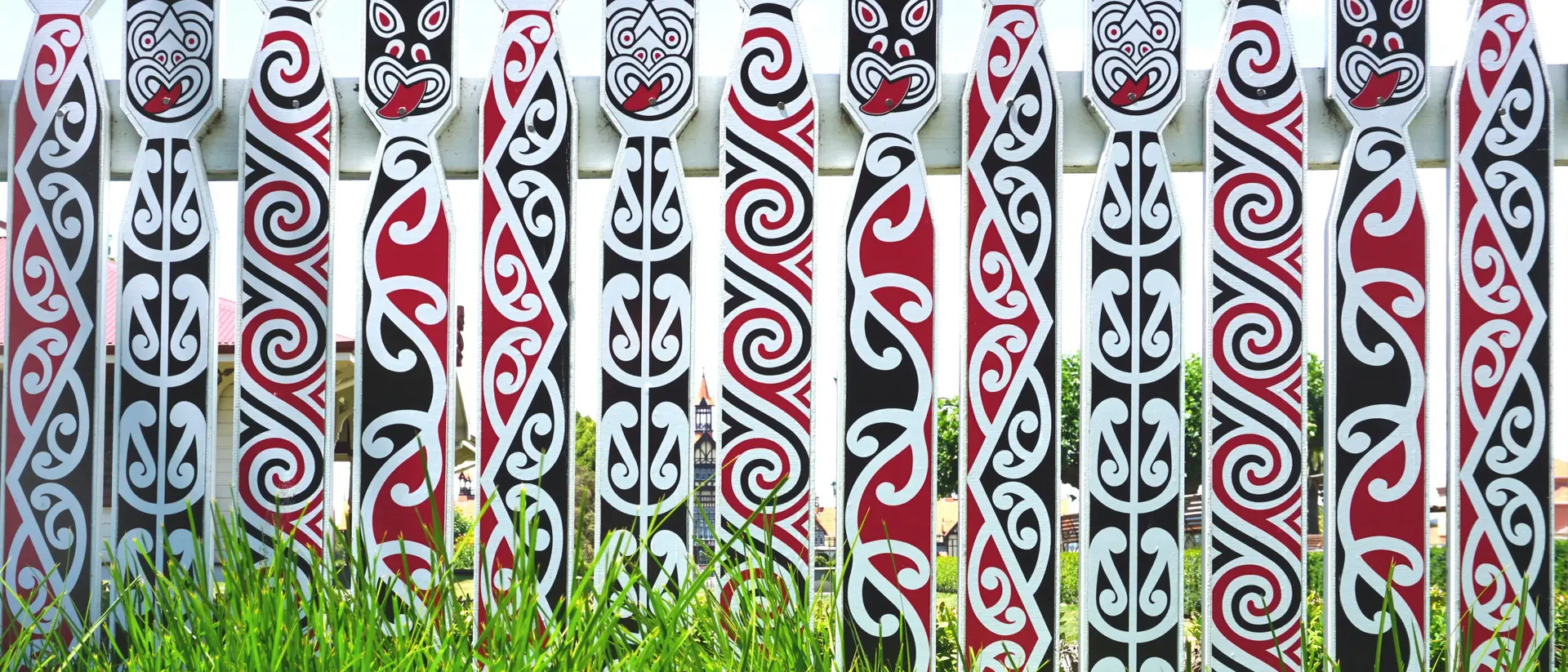
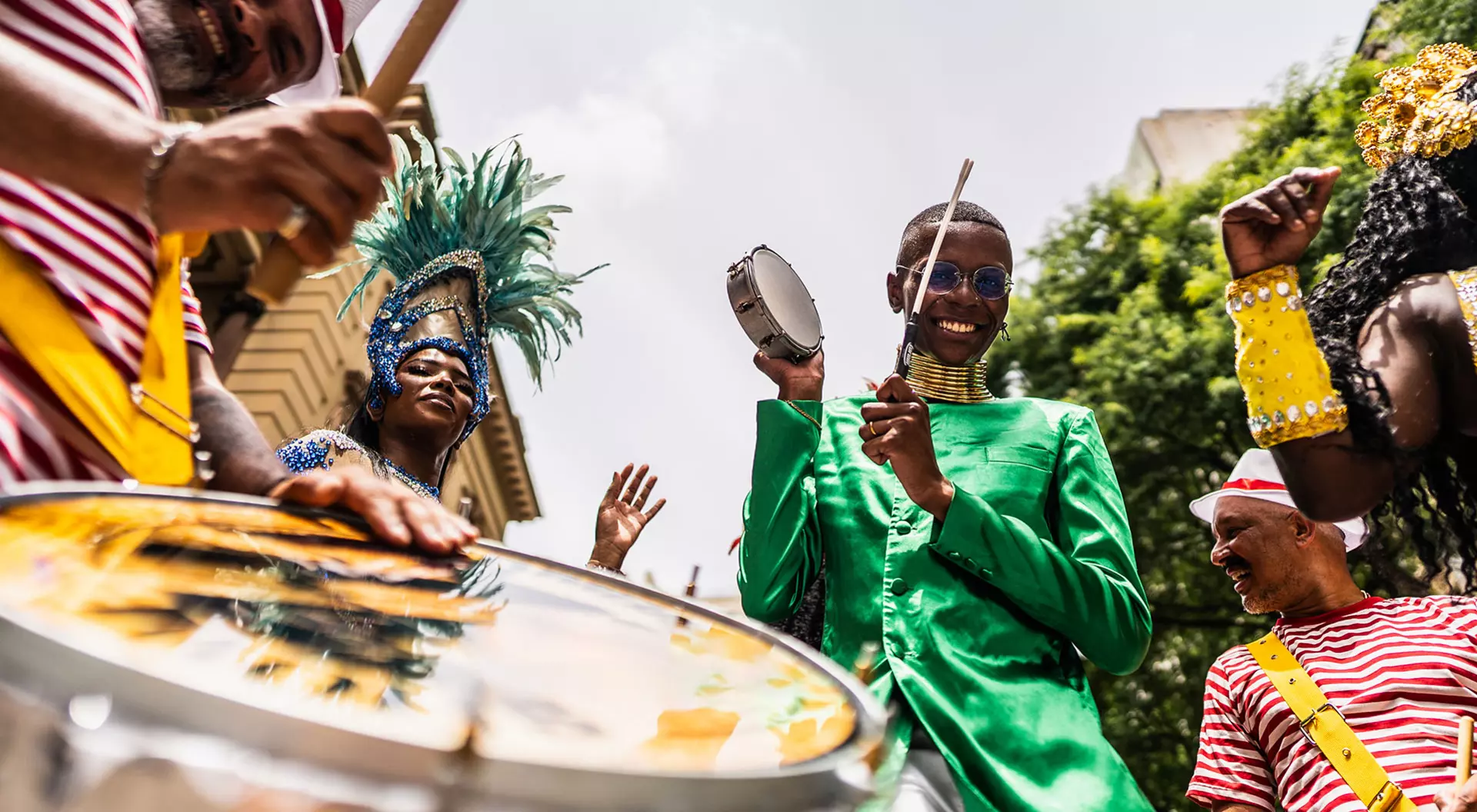

The Māori are the indigenous people of New Zealand, and their culture is the foundation upon which the nation is built. Today it shapes New Zealand's national identity through language, arts, customs, and a strong connection to the land.
New Zealand Travel Information
Not sure which theme is right for you?
Culture & Traditions
A blend of rich heritage and contemporary Kiwi spirit, New Zealand is a one-of-a-kind destination renowned for its stunning landscapes, unique Māori culture, and high quality of life.
The concept of whānau, which refers to an extended family or family group in the Māori language, is deeply rooted in the country, where even visitors are invited to connect with the land.
To experience this welcoming spirit firsthand, as well as vibrant cities, breathtaking natural wonders, and an ancient Indigenous heartbeat, book your New Zealand cultural journey with Goway today.
New Zealand’s Ancient Heritage and Māori Legends
From the tip of the North Island to the lower half of the South, Māori culture is a living, breathing part of New Zealand life that goes back nearly a millennium.
There are many exciting ways to experience it on a New Zealand vacation, from going on a traditional waka (canoe) excursion along the country’s waterways (during which you’ll learn about taniwha, large supernatural beings that live underwater or in dark caves) or visiting the Waitangi Treaty Grounds, a significant historical site where the Treaty of Waitangi was signed, marking the beginning of the bicultural nation of New Zealand.
At Rotorua, make sure to take in Whakarewarewa Living Maori Village (a living Maori settlement where visitors can learn about traditional life, see geothermal features, and enjoy cultural performances) or Te Puia (a geothermal park and Māori cultural centre featuring the Pohutu Geyser and Maori arts and crafts).
Whichever Māori experience you choose, you are sure to look at the world in a whole new way. “The Māori cultural experiences and performances offered throughout the North and South Islands are well worth seeking out,” says Destination Specialist Mary Georgiou. “If the opportunity presents itself, definitely take part in a hāngī,” a traditional Māori feast featuring food cooked with heated rocks buried in a pit oven called an umu.
Religious Traditions and Holidays in New Zealand
While New Zealand has no official religion and the majority of Kiwis identify as non-religious, Christianity is one of the most popular faiths, with approximately a third of the population identifying as Christians.
Because New Zealand is located in the Southern Hemisphere, Christmas takes place during the country’s summer, meaning that it’s often celebrated by the beach.
The country’s other main public holidays include Waitangi Day (celebrated on February 6, it’s New Zealand's national day, commemorating the signing of the Treaty of Waitangi, the country’s founding document) and ANZAC Day (a day of remembrance for those who served in the country’s armed forces, marked every April 25).
Marataki, meanwhile, is a holiday celebrating the Māori New Year, usually observed on a Friday in June.
New Zealand Social Etiquette and Daily Life
Kiwis are known for being friendly, laid-back, and approachable people who place great value on egalitarianism and mutual respect.
Humility and humour are also common traits: Most Kiwis don’t take themselves or others too seriously, utilizing ironic and self-deprecating humour to emphasize fairness and equality.
Rugby Union is a way of life in New Zealand. The national team, the All Blacks, are revered around the country. To understand just how much the sport is ingrained in New Zealand culture, try the All Blacks experience in Auckland.
While a lot of social settings are quite informal, it’s important to express politeness by saying please and thank you on your New Zealand vacation. Chats over a flat white, relaxed conversations at cultural events, taking in a rugby match, or engaging in any number of outdoor pursuits are among the best ways to get to know New Zealanders as well as to experience Kiwi hospitality.
Festivals and Celebrations in New Zealand
New Zealand offers a diverse range of festivals and celebrations throughout the year. Among them are Matariki, a two-week mid-winter celebration marking the Māori New Year with dawn ceremonies, night markets, light shows, and traditional kapa haka performances. Also popular is Auckland’s Pasifika Festival, a large-scale celebration showcasing the vibrant cultures of the Pacific Islands through music, dance, food, and crafts. Another great experiencel is the Art Deco Festival in Napier
If you’re a foodie, the Marlborough Wine & Food Festival is New Zealand's longest-running wine and food event, showcasing Marlborough's world-renowned Sauvignon Blanc and other wines, alongside culinary creations from top chefs and producers.
Also on the South Island, the Queenstown Winter Festival, held every July, offers a diverse range of activities, from live music and fireworks over Lake Wakatipu to traditional winter pursuits such as dog sledding, ice hockey, ice carving, and ice skating.
Explore New Zealand Culture With Goway
The richness of New Zealand culture, from Māori cultural experiences to a diverse food and wine scene, is inexhaustible and a great entry point for exploring the country. From traditional carving workshops to Indigenous storytelling tours, the experiences we can arrange for you are guaranteed to foster connection and delight. Let us design your immersive New Zealand vacation today.
Featured New Zealand Trip Ideas
New Zealand Travel PackagesClassic Downunder: New Zealand & Australia
Victoria, Melbourne, Atherton Tablelands, Queensland, Cairns, Great Barrier Reef, Northern Territory, Ayers Rock (Uluru), Sydney, New South Wales, Sydney Opera House, Bondi Beach, Queenstown, Milford Sound, Christchurch, Rotorua, and AucklandVenture through New Zealand and Australia, where ancient landscapes meet cities. From Auckland's museums to the Great Barrier Reef's wonders, each stop tells a story.
22 days
From US$8,457/p.p.
Request a Quote
South Pacific Trio: OZ, NZ & Fiji with Airfare
Auckland, Sydney, New South Wales, Sydney Opera House, Bondi Beach, and Coral CoastExplore the South Pacific on a journey through Fiji, Sydney, and Auckland, where you can unwind on pristine beaches and immerse yourself in cultures.
16 days
From US$4,099/p.p.
Request a Quote
Classic New Zealand
Christchurch, West Coast, Queenstown, Milford Sound, Upolu Point, Wellington, Rotorua, and AucklandFrom Auckland’s harbours to Christchurch’s revitalised streets, this classic New Zealand itinerary celebrates diverse landscapes and rich Maori culture seamlessly.
13 days
From US$4,263/p.p.
Request a Quote
Classic Downunder: New Zealand & Australia
Victoria, Melbourne, Atherton Tablelands, Queensland, Cairns, Great Barrier Reef, Northern Territory, Ayers Rock (Uluru), Sydney, New South Wales, Sydney Opera House, Bondi Beach, Queenstown, Milford Sound, Christchurch, Rotorua, and AucklandVenture through New Zealand and Australia, where ancient landscapes meet cities. From Auckland's museums to the Great Barrier Reef's wonders, each stop tells a story.
22 days
From US$8,457/p.p.
Request a Quote
South Pacific Trio: OZ, NZ & Fiji with Airfare
Auckland, Sydney, New South Wales, Sydney Opera House, Bondi Beach, and Coral CoastExplore the South Pacific on a journey through Fiji, Sydney, and Auckland, where you can unwind on pristine beaches and immerse yourself in cultures.
16 days
From US$4,099/p.p.
Request a Quote
Classic New Zealand
Christchurch, West Coast, Queenstown, Milford Sound, Upolu Point, Wellington, Rotorua, and AucklandFrom Auckland’s harbours to Christchurch’s revitalised streets, this classic New Zealand itinerary celebrates diverse landscapes and rich Maori culture seamlessly.
13 days
From US$4,263/p.p.
Request a Quote
Travel Stories
Get inspired about Your trip to New Zealand
Australia’s Tastiest Journey Starts in Adelaide
Can we interest you in a white shiraz? A craft gin tasting in the middle of a beer-loving German town? Or perhaps a festive sparkling red, best served...
6 Special Events Worth Planning Your Vacation Around
Summer 2026 has been a marvellous reminder of the power of a special event to draw people from across the world. We’ve seen the world’s largest soccer...
Practical Road Trip Tips You Need to Know from Goway & CTV News
National Road Trip Day was two weeks ago, and I am thrilled to have celebrated the occasion with Leighanne Evans and the team at CTV Evening New...
Frequently Asked Questions
Why is Māori culture important to New Zealand?
Where can I see Māori culture in New Zealand?
To experience Māori culture in New Zealand, you can visit places like the Waitangi Treaty Grounds in the Bay of Islands, the city of Rotorua, and the Museum of New Zealand Te Papa Tongarewa in Wellington. Rotorua is particularly known for its cultural experiences, including living Maori villages like Whakarewarewa. You can also explore Maori history and art at Te Ahurei Māori Tourism in Waikato.
What is the significance of the haka in New Zealand culture?
The haka, a traditional Māori dance, is deeply significant in New Zealand culture, embodying cultural pride, strength, and unity. It’s not just a war dance, but a powerful expression used for welcoming guests, celebrating achievements, and even honouring the deceased.
How have immigration and migration shaped society and culture in New Zealand?
Immigration and migration have profoundly shaped New Zealand's society and culture, transforming it from a predominantly British settler colony to a diverse nation with a strong multicultural identity. Initially, immigration primarily involved British and Irish settlers, leading to the marginalization of the Indigenous Māori population. In recent decades, however, the country has welcomed a more diverse group of newcomers, with a growing proportion of migrants arriving from Asia and other parts of the world.
How does geography impact culture in New Zealand?
New Zealand's unique geography has profoundly influenced its culture, shaping the cultural identities of both the indigenous Māori people and European settlers. The isolation of the islands, the diverse landscape, and the abundance of natural resources have all contributed to distinct cultural expressions and societal development.
What is the tipping culture in New Zealand?
Tipping is neither customary nor expected in New Zealand, where service providers are typically paid a reasonable wage and therefore don’t rely on gratuities for their income. But while tipping isn't mandatory, it is becoming more common, especially among tourists, and is appreciated for exceptional service.
New Zealand Travel Information
Not sure which theme is right for you?
Unlock more by subscribing to our newsletter.
With our newsletter, you’ll get access to regular communications that inspire you and help you explore the world your way.Exclusive Savings
Insider Benefits
Trending Stories

ExcellentBased on 5,300 ReviewsJacqueline Fagioli from Goaway Travel is excellent and very helpful and supportive. VenessaOur travel agent, Melissa Moses, created the perfect itinerary for our recent holiday to Portugal. Melissa had also planned our previous trip to England/Scotland. We have a great deal of confidence in her ability as she really listens to what we are looking for and she caters the plans according to our comfort levels and interests. customerJacqueline F. made our trip exceptional. Everything she planned or reserved worked out as it was supposed to. Croatia was amazing and I feel we were able to explore a lot of it because of Jacqueline.AllenThis was the first time we had utilized Goway. We wanted a custom itinerary for a 3 week Italy, Athens and Greek Island adventure. Edwina Brislane was receptive to our goals for the trip, had helpful suggestions and reacted well to our requested revisions. Lisa Dachuk helped "tie a ribbon" on the trip and ensured we had considered all aspects of the experience. Lisa dealt quickly with a couple of requests while on the trip and celebrated a successful trip with us.
We enjoyed working with both Edwina and Lisa. Their knowledge and enthusiasm contributed to our very memorable trip.Dan & GailI had a great experience booking Australia and New Zealand trip through Goway Travel. Lori Mezzoro was very helpful and organized. All the recommendations she made were very good. I had a great trip with my kids.LauraI recently traveled to Greece with friends, and our entire experience was exceptional thanks to the planning support we received from Avery at GoWay. Every part of our itinerary was organized with care, accuracy, and great attention to detail.
Our accommodations — Hera Hotel Athens and Sofitel Athens Airport — were comfortable, well‑located, and exactly what we needed. All airfares from Calgary and the multiple transfers (airport to city centre, city centre to Piraeus Port, and back again) were perfectly coordinated and made the trip completely stress‑free.
The 7‑night Idyllic Aegean Cruise was a major highlight. It was beautifully arranged and gave us an unforgettable way to explore the islands. Our excursions were equally impressive:
Skip‑the‑Line Acropolis & Acropolis Museum timed entry, which made sightseeing smooth and efficient
Classical Greece: Olympia, Delphi & Meteora, a breathtaking and well‑paced journey through some of Greece’s most iconic historical sites
Avery was consistently responsive, knowledgeable, and proactive throughout the planning process. Every confirmation, transfer, and timing detail was handled flawlessly, allowing us to simply enjoy the trip without worrying about logistics.
I highly recommend GoWay Travel — and especially Avery — for anyone planning a trip to Greece. This was one of the best travel experiences I’ve had, thanks to their outstanding service and organization.LorraineMy husband and I just returned from a wonderful 2 week trip to Chile, South America arranged for us by Goway Travel. Every detail of the trip was outstanding. The hotel choices were perfect for us as were the tours Goway arranged. All the guides were prompt, friendly and very knowledgeable. Our Destination Specialist, Karen Larrota, did an fantastic job setting up the itinerary. Communication with her during the booking process was excellent. The Goway customer service team reached out to us several times during the trip (as did Karen) which was very reassuring.
We have traveled with Goway previously and will surely do so again. Regina ChaplesAn Extraordinary Tour Guide in Xi’an China Leo a blessing we will never forget
There are some people who come into your life and leave footprints on your heart that will last forever, Leo was one of those people for us.
My husband, Keith, and I dreamed of visiting China for more than 30 years and Leo helped make that dream an unforgettable blessing. He was more than a tour guide. He was a wonderful teacher, a caring soul, and a blessing from God.
His knowledge of Chinese history and culture was remarkable from the terra-cotta warriors to the ANCIENT city wall, the Monastery, and the local art gallery, Leo brought every experience to life. He taught us so much and helped us appreciate the beauty and history of China in ways we will never forget.
What touched me most was his compassion for my husband Keith, knowing Keith had difficult breathing and walking long distance and walking Leo thoughtfully arranged a wheelchair so he could enjoy the journey with everyone that kindness meant more to me than words can express
Leo patience, professionalism kindness and genuine care for our group. May every moment special. He make sure we were comfortable learned something new and enjoyed authentic Chinese food and created memories we will cherish for a lifetime
I truly believe God placed special people in our lives for a reason, and Leo was certainly one of those blessings for our group. We are forever grateful for the knowledge, laughter, compassion, and beautiful memorial. He gave us
I recommend Leo wholeheartedly, to anyone visiting Xi’an China. You will leave with more than photograph you will leave, with knowledge appreciation, and memories that stay in your heart forever
Leo may God continue to bless you, protect you, and guide you as you touch the lives of travelers from around the world. Thank you for being such a beautiful part of our China story. You will never be forgotten
With love and gratitude
Lisa & KeithLisa PaulMy wife and I have just returned from our 5th trip with Goway. Once again everything ran smoothly from first day to last. This trip was the 9 day all Ireland tour which covered both north & south Ireland. The tour was operated by Rabbies tours whom we used in Scotland and the 16 passenger van only had 6 passengers including us.Other than a couple of days the weather was prety good although the wind did get a bit wild. The pub food was delicious & i got a taste for real Guiness. We spent a few extra days in Dublin and found it very expensive, the excange rate didn't help. Our travel consultant Jaqueline personalised the trip and was very helpful. George CroomeWe were able to see the perfect amount of sites during our nearly 3 weeks in Australia. Sam Day was extremely knowledgable about every step of the travel process. He was incredibly patient with all the demand my wife and me had. We really look forward to using his services again.Alan Rosenberg
Verified
Verified
Verified
Verified
Verified
Verified
Verified
Verified
Verified
Verified