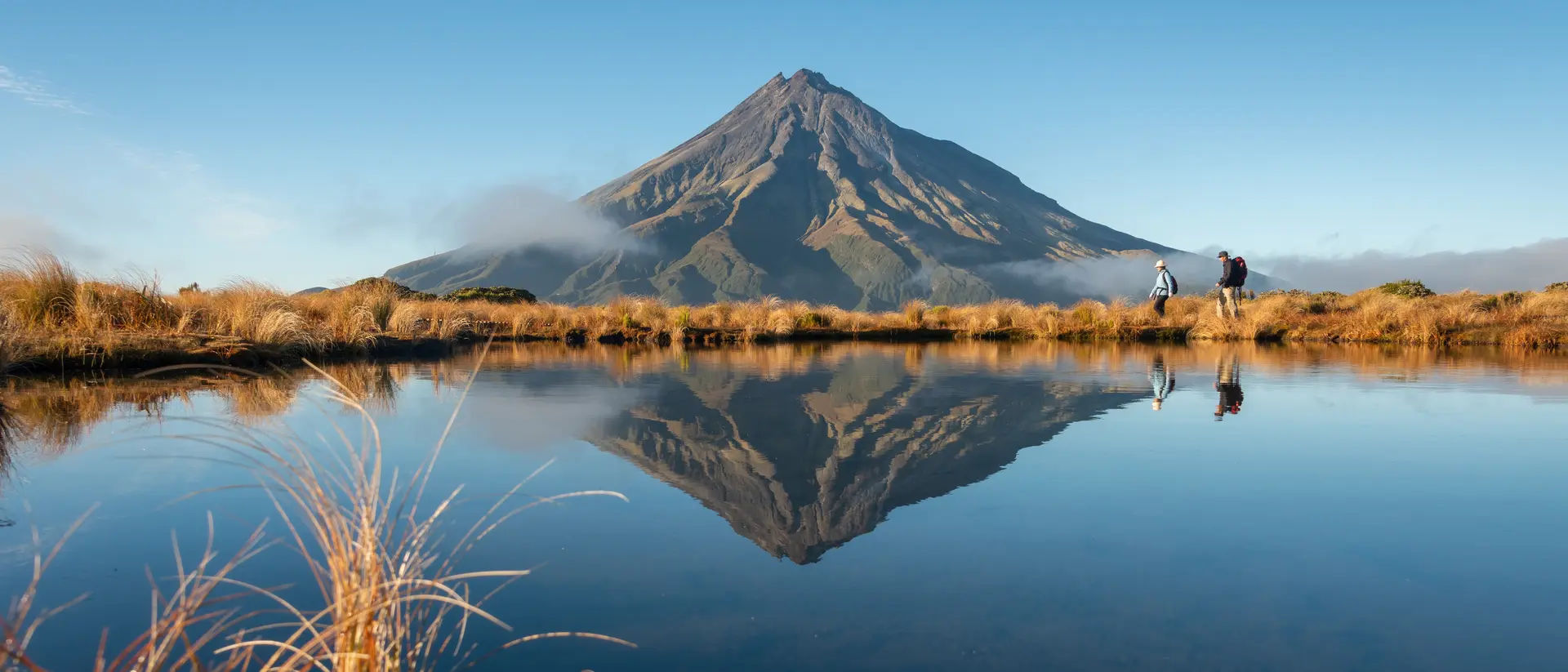
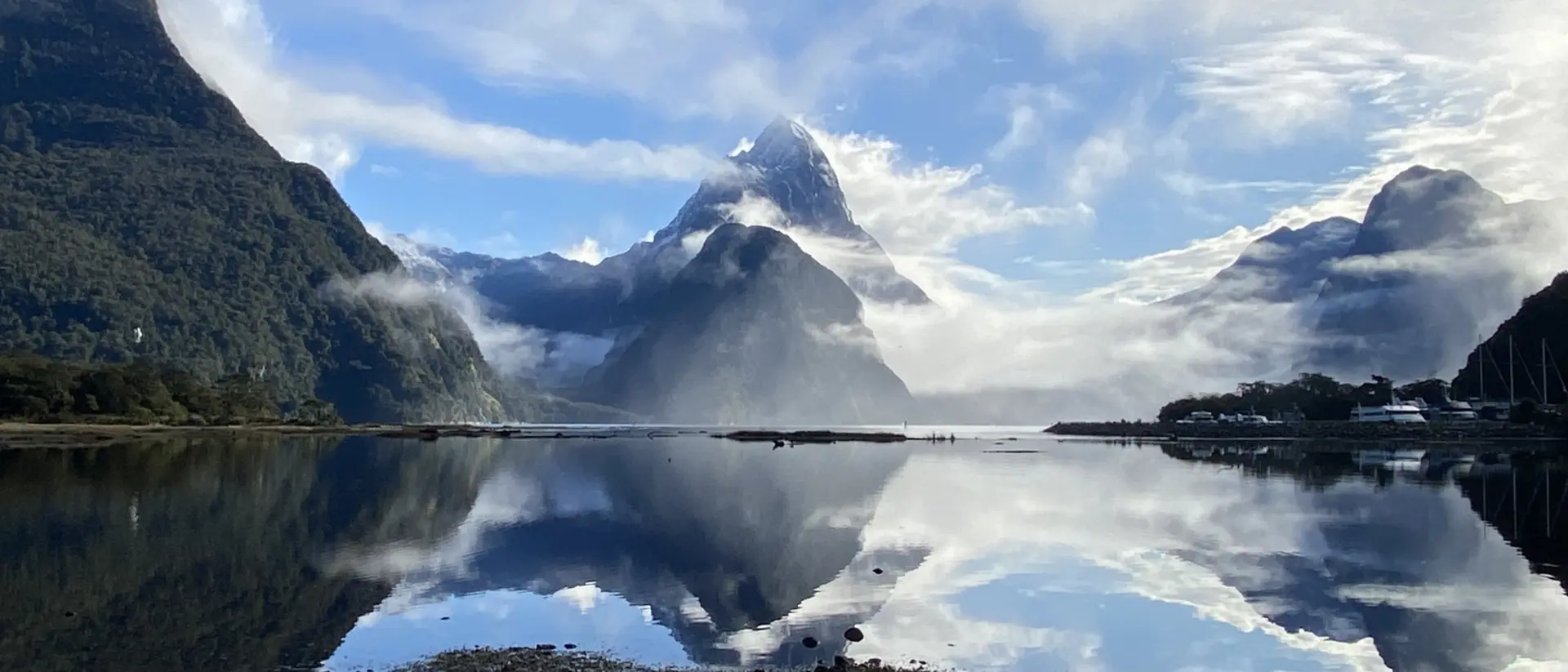



The best time to visit New Zealand's South Island depends on what you want to experience. Generally, the summer months (December to February) offer the best weather for outdoor activities. If you're interested in skiing or snowboarding, the winter months (June to August) are ideal. For fewer crowds and pleasant temperatures, consider visiting during the shoulder seasons (March to May and September to November)
New Zealand Travel Information
Not sure which theme is right for you?
Best Time to Visit
New Zealand is very much a year-round destination, and the best time to visit depends on what you want to experience. Generally, the country’s summer (December to February) offers the warmest weather and is ideal for outdoor activities, while spring (September to November) and autumn (March to May) offer milder temperatures and fewer crowds. Winter (June to August) is perfect for snow sports enthusiasts. For the best time to go based on your interests, consult one of our Destination Specialists today.
Planning Travel Around New Zealand’s Seasons
New Zealand’s seasons are opposite to those in the Northern Hemisphere, with summer in New Zealand coinciding with winter in many northern countries and vice versa. Here’s a seasonal breakdown of a full year:
- Spring in New Zealand (September to November, a time of blooming gardens and mild temperatures)
- Summer in New Zealand (December to February, best for festivals, beach days and outdoor adventures)
- Autumn in New Zealand (March to May, ideal for vibrant foliage, crisp air and world-class wine harvests)
- Winter in New Zealand (June to August, time for ski season, snow-capped mountains and fewer tourist crowds - obviously outside of the ski areas)
The Best Times to Visit New Zealand According to Your Interests
If you have a specific interest or activity in mind, certain times of the year are more conducive than others to, say, beachgoing, wine tours or cultural pursuits. Here is a brief guide to when to visit New Zealand according to what interests you most.
Beaches and islands
The best time to visit New Zealand for beaches and island hopping is during the summer months, from December to February. This period offers the warmest weather, long daylight hours and calm sea conditions, perfect for swimming, watersports and enjoying the coastal scenery.
History and culture
New Zealand’s rich heritage is on display year-round, but the optimal time to experience its culture and heritage, including Māori culture, is during the shoulder seasons (September to November or March to May). These periods offer a good balance of pleasant weather for exploring, fewer crowds and opportunities to participate in cultural events such as a pōwhiri (Māori welcoming ceremony).
“All Blacks rugby is huge in New Zealand,” Destination Specialist Mary Georgiou points out.
“If you’re a sports fan, be sure to check out a home game. The All Blacks typically play their home test matches during the months of July, August, September, and sometimes October.”
Food and wine
Autumn (March to May) is an ideal time for lovers of food and wine to visit. In addition to harvesting the grapes and bottling their vintages, many of New Zealand’s wine regions host harvest festivals during this time, offering unique tasting experiences as well as opportunities to witness the wine production process firsthand. Check out Goway’s various itineraries focused on food and wine.
Regional Highlights to Plan Your New Zealand Trip Around
While New Zealand is very much a year-round destination, it pays to visit specific cities and regions at very particular times.
Queenstown in the Shoulder Season
Located on the shores of the South Island’s Lake Wakatipu, perennially popular Queenstown is particularly alluring in autumn (March to April) and spring (October to November), when its stunning surroundings are especially vibrant and tourist crowds are sparser. You can also get cheaper rates on accommodation and better access to car rentals. Even popular tours and attractions will often have discounts or promotions.
Bay of Islands in Springtime
Spring (September to November) is a great time to cruise through the Bay of Islands, on the east coast of New Zealand’s North Island. The region comes alive with the vibrant colours of flowers in full bloom, while the mild temperatures make sailing, hiking, and biking especially pleasurable. Spring is also the ideal time for spotting wildlife, including dolphins.
Always Wonderful Wellington
New Zealand’s capital, Wellington, is enchanting year-round, yet often overlooked by visitors to the North Island. Don’t make that mistake. A more compact counterpoint to Auckland, New Zealand’s biggest city, Wellington offers an equally vibrant amalgam of cultural attractions, natural beauty, and culinary experiences. Visitors can wander through the Museum of New Zealand Te Papa Tongarewa, ride the iconic Wellington Cable Car, or discover the unique wildlife at Zealandia Ecosanctuary. Outdoor enthusiasts will also have much to take in, from walking trails and beaches and the very picturesque harbour.
Let the Seasons Shape Your New Zealand Journey
The best way to explore New Zealand is on a tailor-made vacation determined by season and climate. Whether your agenda includes wine tours, scenery gazing, whale-watching, or cruising, an experienced travel pro can help you get the most out of your New Zealand trip, including when to go. Consult one of Goway’s Destination Specialists today for the best seasonal tips on when to book an escorted vacation, a small-group trip, or a customized solo journey.
Featured New Zealand Trip Ideas
New Zealand Travel PackagesClassic Downunder: New Zealand & Australia
Victoria, Melbourne, Atherton Tablelands, Queensland, Cairns, Great Barrier Reef, Northern Territory, Ayers Rock (Uluru), Sydney, New South Wales, Sydney Opera House, Bondi Beach, Queenstown, Milford Sound, Christchurch, Rotorua, and AucklandVenture through New Zealand and Australia, where ancient landscapes meet cities. From Auckland's museums to the Great Barrier Reef's wonders, each stop tells a story.
22 days
From US$8,457/p.p.
Request a Quote
South Pacific Trio: OZ, NZ & Fiji with Airfare
Auckland, Sydney, New South Wales, Sydney Opera House, Bondi Beach, and Coral CoastExplore the South Pacific on a journey through Fiji, Sydney, and Auckland, where you can unwind on pristine beaches and immerse yourself in cultures.
16 days
From US$4,099/p.p.
Request a Quote
Classic New Zealand
Christchurch, West Coast, Queenstown, Milford Sound, Upolu Point, Wellington, Rotorua, and AucklandFrom Auckland’s harbours to Christchurch’s revitalised streets, this classic New Zealand itinerary celebrates diverse landscapes and rich Maori culture seamlessly.
13 days
From US$4,263/p.p.
Request a Quote
Classic Downunder: New Zealand & Australia
Victoria, Melbourne, Atherton Tablelands, Queensland, Cairns, Great Barrier Reef, Northern Territory, Ayers Rock (Uluru), Sydney, New South Wales, Sydney Opera House, Bondi Beach, Queenstown, Milford Sound, Christchurch, Rotorua, and AucklandVenture through New Zealand and Australia, where ancient landscapes meet cities. From Auckland's museums to the Great Barrier Reef's wonders, each stop tells a story.
22 days
From US$8,457/p.p.
Request a Quote
South Pacific Trio: OZ, NZ & Fiji with Airfare
Auckland, Sydney, New South Wales, Sydney Opera House, Bondi Beach, and Coral CoastExplore the South Pacific on a journey through Fiji, Sydney, and Auckland, where you can unwind on pristine beaches and immerse yourself in cultures.
16 days
From US$4,099/p.p.
Request a Quote
Classic New Zealand
Christchurch, West Coast, Queenstown, Milford Sound, Upolu Point, Wellington, Rotorua, and AucklandFrom Auckland’s harbours to Christchurch’s revitalised streets, this classic New Zealand itinerary celebrates diverse landscapes and rich Maori culture seamlessly.
13 days
From US$4,263/p.p.
Request a Quote
Most Popular Time to Travel
Know when to go.
Place
Conditions
Daily max temperatureMonthly rainfall
AucklandOccasional Showers
22°C / 72°F
45mm / 1.8"
BlenheimPartly Cloudy
20°C / 67°F
40mm / 1.6"
ChristchurchPartly Cloudy
25°C / 77°F
30mm / 1.2"
DunedinPartly Cloudy
21°C / 70°F
35mm / 1.4"
NapierPartly Cloudy
21°C / 71°F
40mm / 1.6"
NelsonPartly Cloudy
20°C / 67°F
40mm / 1.6"
Weather data is based on monthly averages.Popularity rating
-
Travel Stories
Get inspired about Your trip to New Zealand
Australia’s Tastiest Journey Starts in Adelaide
Can we interest you in a white shiraz? A craft gin tasting in the middle of a beer-loving German town? Or perhaps a festive sparkling red, best served...
6 Special Events Worth Planning Your Vacation Around
Summer 2026 has been a marvellous reminder of the power of a special event to draw people from across the world. We’ve seen the world’s largest soccer...
Practical Road Trip Tips You Need to Know from Goway & CTV News
National Road Trip Day was two weeks ago, and I am thrilled to have celebrated the occasion with Leighanne Evans and the team at CTV Evening New...
Frequently Asked Questions
When is the best time to visit New Zealand’s South Island?
When is the best time to visit Christchurch?
The best time to visit Christchurch, on the east coast of New Zealand’s South Island, is during the summer (December to February). The days are longest at this time and the weather is consistently warm, perfect for enjoying beaches, gardens and outdoor adventures.
When is the best time to visit Queenstown?
While summer in Queenstown (December to February) brings warm, sunny weather ideal for outdoor activities, spring (September to November) shows off the city at its prettiest, with vibrant gardens and flowers blossoming.
What is the climate like in New Zealand?
New Zealand's climate is generally temperate and maritime, with distinct seasons. It’s known for being mild, with the far north experiencing subtropical conditions in summer and inland alpine areas of the South Island getting cold in winter. Most of the country experiences moderate rainfall and abundant sunshine.
New Zealand Travel Information
Not sure which theme is right for you?
Unlock more by subscribing to our newsletter.
With our newsletter, you’ll get access to regular communications that inspire you and help you explore the world your way.Exclusive Savings
Insider Benefits
Trending Stories

ExcellentBased on 5,300 ReviewsJacqueline Fagioli from Goaway Travel is excellent and very helpful and supportive. VenessaOur travel agent, Melissa Moses, created the perfect itinerary for our recent holiday to Portugal. Melissa had also planned our previous trip to England/Scotland. We have a great deal of confidence in her ability as she really listens to what we are looking for and she caters the plans according to our comfort levels and interests. customerJacqueline F. made our trip exceptional. Everything she planned or reserved worked out as it was supposed to. Croatia was amazing and I feel we were able to explore a lot of it because of Jacqueline.AllenThis was the first time we had utilized Goway. We wanted a custom itinerary for a 3 week Italy, Athens and Greek Island adventure. Edwina Brislane was receptive to our goals for the trip, had helpful suggestions and reacted well to our requested revisions. Lisa Dachuk helped "tie a ribbon" on the trip and ensured we had considered all aspects of the experience. Lisa dealt quickly with a couple of requests while on the trip and celebrated a successful trip with us.
We enjoyed working with both Edwina and Lisa. Their knowledge and enthusiasm contributed to our very memorable trip.Dan & GailI had a great experience booking Australia and New Zealand trip through Goway Travel. Lori Mezzoro was very helpful and organized. All the recommendations she made were very good. I had a great trip with my kids.LauraI recently traveled to Greece with friends, and our entire experience was exceptional thanks to the planning support we received from Avery at GoWay. Every part of our itinerary was organized with care, accuracy, and great attention to detail.
Our accommodations — Hera Hotel Athens and Sofitel Athens Airport — were comfortable, well‑located, and exactly what we needed. All airfares from Calgary and the multiple transfers (airport to city centre, city centre to Piraeus Port, and back again) were perfectly coordinated and made the trip completely stress‑free.
The 7‑night Idyllic Aegean Cruise was a major highlight. It was beautifully arranged and gave us an unforgettable way to explore the islands. Our excursions were equally impressive:
Skip‑the‑Line Acropolis & Acropolis Museum timed entry, which made sightseeing smooth and efficient
Classical Greece: Olympia, Delphi & Meteora, a breathtaking and well‑paced journey through some of Greece’s most iconic historical sites
Avery was consistently responsive, knowledgeable, and proactive throughout the planning process. Every confirmation, transfer, and timing detail was handled flawlessly, allowing us to simply enjoy the trip without worrying about logistics.
I highly recommend GoWay Travel — and especially Avery — for anyone planning a trip to Greece. This was one of the best travel experiences I’ve had, thanks to their outstanding service and organization.LorraineMy husband and I just returned from a wonderful 2 week trip to Chile, South America arranged for us by Goway Travel. Every detail of the trip was outstanding. The hotel choices were perfect for us as were the tours Goway arranged. All the guides were prompt, friendly and very knowledgeable. Our Destination Specialist, Karen Larrota, did an fantastic job setting up the itinerary. Communication with her during the booking process was excellent. The Goway customer service team reached out to us several times during the trip (as did Karen) which was very reassuring.
We have traveled with Goway previously and will surely do so again. Regina ChaplesAn Extraordinary Tour Guide in Xi’an China Leo a blessing we will never forget
There are some people who come into your life and leave footprints on your heart that will last forever, Leo was one of those people for us.
My husband, Keith, and I dreamed of visiting China for more than 30 years and Leo helped make that dream an unforgettable blessing. He was more than a tour guide. He was a wonderful teacher, a caring soul, and a blessing from God.
His knowledge of Chinese history and culture was remarkable from the terra-cotta warriors to the ANCIENT city wall, the Monastery, and the local art gallery, Leo brought every experience to life. He taught us so much and helped us appreciate the beauty and history of China in ways we will never forget.
What touched me most was his compassion for my husband Keith, knowing Keith had difficult breathing and walking long distance and walking Leo thoughtfully arranged a wheelchair so he could enjoy the journey with everyone that kindness meant more to me than words can express
Leo patience, professionalism kindness and genuine care for our group. May every moment special. He make sure we were comfortable learned something new and enjoyed authentic Chinese food and created memories we will cherish for a lifetime
I truly believe God placed special people in our lives for a reason, and Leo was certainly one of those blessings for our group. We are forever grateful for the knowledge, laughter, compassion, and beautiful memorial. He gave us
I recommend Leo wholeheartedly, to anyone visiting Xi’an China. You will leave with more than photograph you will leave, with knowledge appreciation, and memories that stay in your heart forever
Leo may God continue to bless you, protect you, and guide you as you touch the lives of travelers from around the world. Thank you for being such a beautiful part of our China story. You will never be forgotten
With love and gratitude
Lisa & KeithLisa PaulMy wife and I have just returned from our 5th trip with Goway. Once again everything ran smoothly from first day to last. This trip was the 9 day all Ireland tour which covered both north & south Ireland. The tour was operated by Rabbies tours whom we used in Scotland and the 16 passenger van only had 6 passengers including us.Other than a couple of days the weather was prety good although the wind did get a bit wild. The pub food was delicious & i got a taste for real Guiness. We spent a few extra days in Dublin and found it very expensive, the excange rate didn't help. Our travel consultant Jaqueline personalised the trip and was very helpful. George CroomeWe were able to see the perfect amount of sites during our nearly 3 weeks in Australia. Sam Day was extremely knowledgable about every step of the travel process. He was incredibly patient with all the demand my wife and me had. We really look forward to using his services again.Alan Rosenberg
Verified
Verified
Verified
Verified
Verified
Verified
Verified
Verified
Verified
Verified