Pack lightly if using trains, learn a few phrases in French, and practice local etiquette such as greeting people with “bonjour.”
France Travel Information
Not sure which theme is right for you?
Insider Travel Tips
France is a destination where sophistication and style meet simplicity and authenticity. Its unmatched combination of world-class cities, charming villages, and breathtaking natural landscapes have made it endlessly appealing to travellers for centuries. Whether you’re savouring coffee in a Parisian café, exploring the lavender fields of Provence, or touring historic châteaux in the Loire Valley, the country’s delights won’t fail to impress, especially when arranged with a little judicious prep work.
“Clients can visit many areas of France easily by train,” says Destination Specialist Teresa Dahl. “Paris to Bayeux for the D-Day beaches or Paris to Avignon for scenic southern landscapes takes only a few hours.”
Efficient transportation and excellent infrastructure make exploring the Republic easy, whether by rail, car, or river cruise. The attractions they take to you, from world-renowned wineries to the Cote d’Azur, are the stuff of dreams.
To start planning your own custom French adventure, talk to one of our dedicated Destination Specialists today.
Practical Information for France
Visitors from North America and the United Kingdom do not require a visa for stays under 90 days in the Schengen zone, of which France is a member. The official currency in France is the euro. Credit cards are widely accepted in its cities, though it’s wise to carry some cash for rural areas, markets, and small cafés.
Tap water is safe to drink throughout France, but bottled water is common in countryside restaurants. Electrical current is 230V with Type C and F plugs, so bring a suitable adapter.
“Pack light, especially if you’re taking trains,” advises Destination Specialist Teresa Dahl. “High-speed trains often have two levels, and you’ll need to carry and store your luggage on racks.”
Safety and Respect in France
France is warm and welcoming, offering travellers a sense of comfort and ease. As you would elsewhere in Europe, however, take basic precautions in crowded areas such as Paris’s metro, major train stations, and popular tourist spots. Keep valuables secure and avoid leaving bags unattended.
Beyond safety, respect for local customs enhances your experience. Dress modestly when entering cathedrals or sacred sites, covering shoulders and knees as a sign of courtesy.
“Paris is best explored on foot,” says Destination Specialist Teresa Dahl. “Wander beyond the core and into local neighbourhoods for an authentic experience.”
Greeting locals with a simple “bonjour” before asking a question is an important gesture, preferable to and appreciated more than speaking English right away.
While urban centres offer a lively, cosmopolitan atmosphere, rural areas tend to be more traditional, so politeness and cultural sensitivity go a long way there. Embrace the slower pace of the countryside, enjoy café culture, and engage respectfully with traditions for a truly rewarding journey.
Culture and Customs in France
France is a country where manners and cultural awareness matter. Greetings are important: Always start with a polite “bonjour” when entering shops, cafés, or starting conversations. Formality is appreciated at first, so use titles like “Monsieur” or “Madame.” Cheek kisses are common among friends, but a handshake is standard in formal settings and among strangers. Dining is a social ritual, so expect meals to be leisurely. Rushing through dinner is considered impolite; savour the moment and the conversation.
“Don’t expect speedy service in France,” says Destination Specialist Teresa Dahl. “Slow dining is part of the culture, so relax and enjoy the experience.”
Café culture, too, is central to daily life. More than just coffee, cafés offer the chance to observe fellow citizens and engage with the community.
When visiting churches or historic sites such as war memorials, modest dress is a sign of respect. Don’t talk overly loudly or make excessive noise.
Learn more about French traditions and etiquette in our guide to culture and customs in France.
Seasonal Advice for Advice
Timing is everything in France. Summer (June to August) brings lively festivals, sunny beaches, and bustling cities, but also the biggest crowds.
Spring and fall are ideal for sightseeing, with milder weather and fewer tourists. “Early fall is the perfect time to visit,” says Destination Specialist Alex Colici. “The weather is still great, and the crowds are smaller.”
For wine enthusiasts, autumn is harvest season in Bordeaux and Burgundy, while winter transforms the Alps into a skier’s paradise and cities into festive wonderlands with Christmas markets.
Major events like Bastille Day in July or the Cannes Film Festival in May add cultural flair but require advance booking. For more insights on choosing the best season for you, explore our guide to When to Visit France.
Must-Sees for First-Time Travellers to France
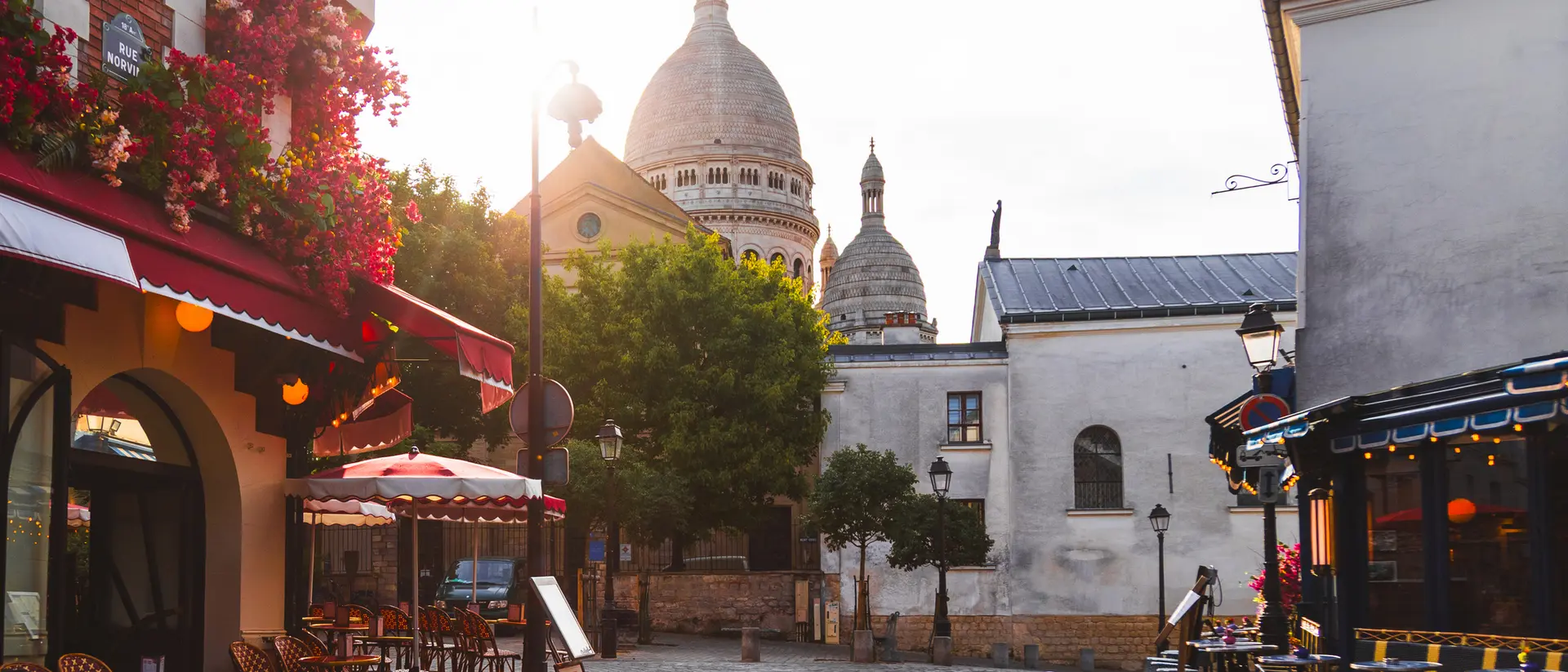
For first-time visitors, France offers a blend of iconic sights and authentic experiences. Paris is a must for its world-famous landmarks, romantic river views, and artistic treasures. In addition to taking in the Eiffel Tower and the Louvre, wander Le Marais or Montmartre for local charm.
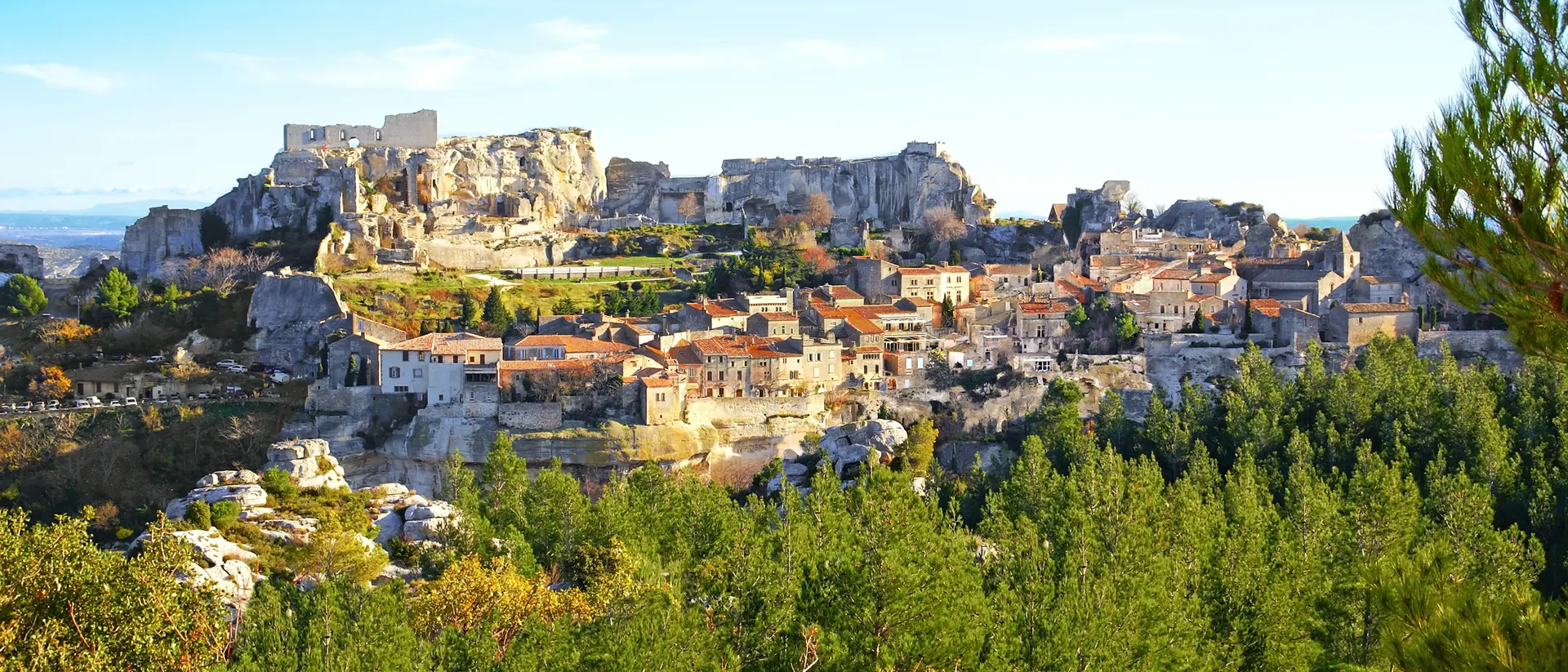
Provence entices with lavender fields, vineyards, and charming villages perfect for scenic drives and leisurely meals, while the French Riviera promises glamour and sunshine, from Nice’s Promenade des Anglais to the chic streets of Cannes and St. Tropez.
For history lovers, Normandy’s D-Day beaches and stunning Mont Saint-Michel are unforgettable. “For first-time visitors, start in Paris and take day tours,” Destination Specialist Teresa Dahl recommends. “For return trips, combine Paris with Provence and Nice.”
Plan your own ultimate journey to France with one of our tailor-made French vacations.
Food and Dining in France
Dining in France is about more than just eating; it’s an experience steeped in tradition and respect for quality. Meals often feature fresh, seasonal, and locally sourced ingredients, reflecting a deep pride in regional specialties. From crusty baguettes and artisanal cheeses to dishes like coq au vin or ratatouille, every bite tells a story.
“Lyon is the gastronomic heart of France,” says Destination Specialist Teresa Dahl. “It’s where French cuisine truly began, and the sauces there are unforgettable.”
Expect later dining hours than in North America. Lunch is typically served between 12:30 and 2:00 p.m., while dinner starts around 8:00 p.m. Rushing a meal is considered impolite. Embrace the slower pace and enjoy the art of conversation.
In French homes, hospitality is warm but formal. If invited to dinner, it’s customary to bring a small gift, like chocolates or wine. Tipping in restaurants tends to be modest, usually involving rounding up or, for exceptional service, adding five to 1o percent of the bill, known as l’addition.
For more on dining traditions and culinary highlights, explore our guide to French food and drink.
Plan Your Tailor-Made French Vacation with Goway
Planning a trip to France can feel overwhelming, given its diverse regions and countless cultural treasures. That’s where Goway comes in. Our Destination Specialists know the best-kept secrets, from boutique châteaux stays in the Loire Valley to private vineyard tours in Burgundy and expert-led art walks in Paris.
“Converted domaines and chateaux make for unforgettable stays, offering so much character and history,” says Destination Specialist Teresa Dahl.
With our insider access, you’ll enjoy curated itineraries tailored to your passions, whether that means exclusive dining experiences, scenic river cruises, or private guides at iconic sites. We handle the logistics so you can focus on savoring the French joie de vivre.
Start planning your tailor-made French adventure with Goway today.
Featured France Trip Ideas
France Travel PackagesSignature Paris
Paris, The Palace of Versailles, Arc de Triomphe, Notre Dame Cathedral, Sacré Coeur de Montmartre, Eiffel Tower, and The Louvre MuseumFall in love with Paris, the City of Light! Take a private city tour, visit the Eiffel Tower, the Latin Quarter, and the Louvre.
6 days
From US$4,662/p.p.
Request a Quote
A Tale of Two Cities: London & Paris
Paris, The Palace of Versailles, Arc de Triomphe, Notre Dame Cathedral, Sacré Coeur de Montmartre, Eiffel Tower, The Louvre Museum, London, Big Ben, Buckingham Palace, and Tower BridgeDiscover the charm of London and Paris on this independent journey, blending iconic landmarks, countryside escapes, and artistic inspirations in two world-class cities.
7 days
From US$6,940/p.p.
Request a Quote
The Art of France: Paris, Provence & the Riviera
French Riviera, Nice, Provence, Paris, The Palace of Versailles, Arc de Triomphe, Notre Dame Cathedral, Sacré Coeur de Montmartre, Eiffel Tower, and The Louvre MuseumDiscover the artistic heart of France on this journey from Paris to the stunning landscapes of Provence and the shores of Nice, filled with culture and beauty.
11 days
From US$3,131/p.p.
Request a Quote
Signature Paris
Paris, The Palace of Versailles, Arc de Triomphe, Notre Dame Cathedral, Sacré Coeur de Montmartre, Eiffel Tower, and The Louvre MuseumFall in love with Paris, the City of Light! Take a private city tour, visit the Eiffel Tower, the Latin Quarter, and the Louvre.
6 days
From US$4,662/p.p.
Request a Quote
A Tale of Two Cities: London & Paris
Paris, The Palace of Versailles, Arc de Triomphe, Notre Dame Cathedral, Sacré Coeur de Montmartre, Eiffel Tower, The Louvre Museum, London, Big Ben, Buckingham Palace, and Tower BridgeDiscover the charm of London and Paris on this independent journey, blending iconic landmarks, countryside escapes, and artistic inspirations in two world-class cities.
7 days
From US$6,940/p.p.
Request a Quote
The Art of France: Paris, Provence & the Riviera
French Riviera, Nice, Provence, Paris, The Palace of Versailles, Arc de Triomphe, Notre Dame Cathedral, Sacré Coeur de Montmartre, Eiffel Tower, and The Louvre MuseumDiscover the artistic heart of France on this journey from Paris to the stunning landscapes of Provence and the shores of Nice, filled with culture and beauty.
11 days
From US$3,131/p.p.
Request a Quote
Travel Stories
Get inspired about Your Trip to France
The Bounty of Budapest
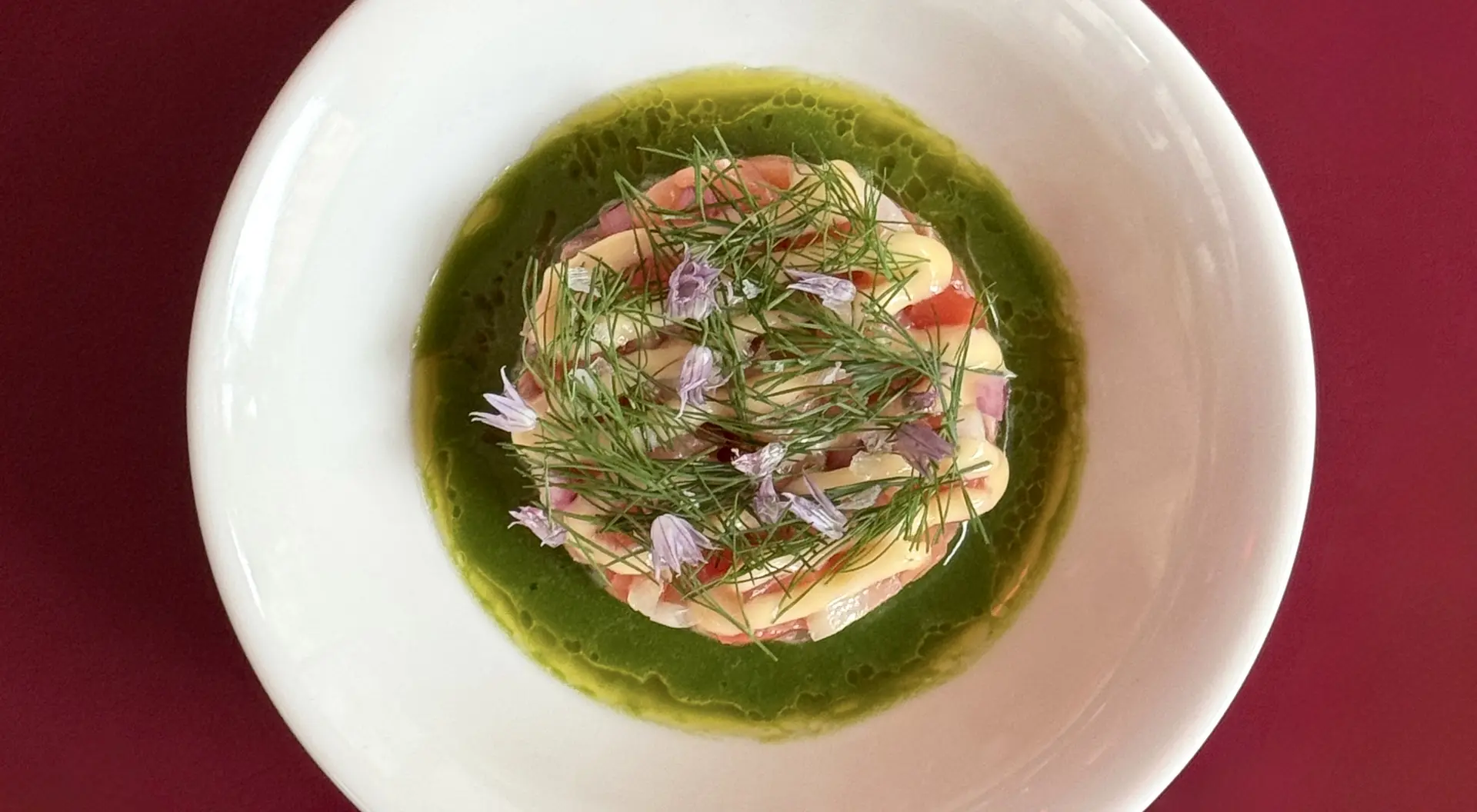
Just after the server slid the bowl in front of me, my glasses began steaming up. The fumes, laden with the scent of rich beef and sweet, peppery papr...
8 Reasons to Book a Trip to Gran Canaria
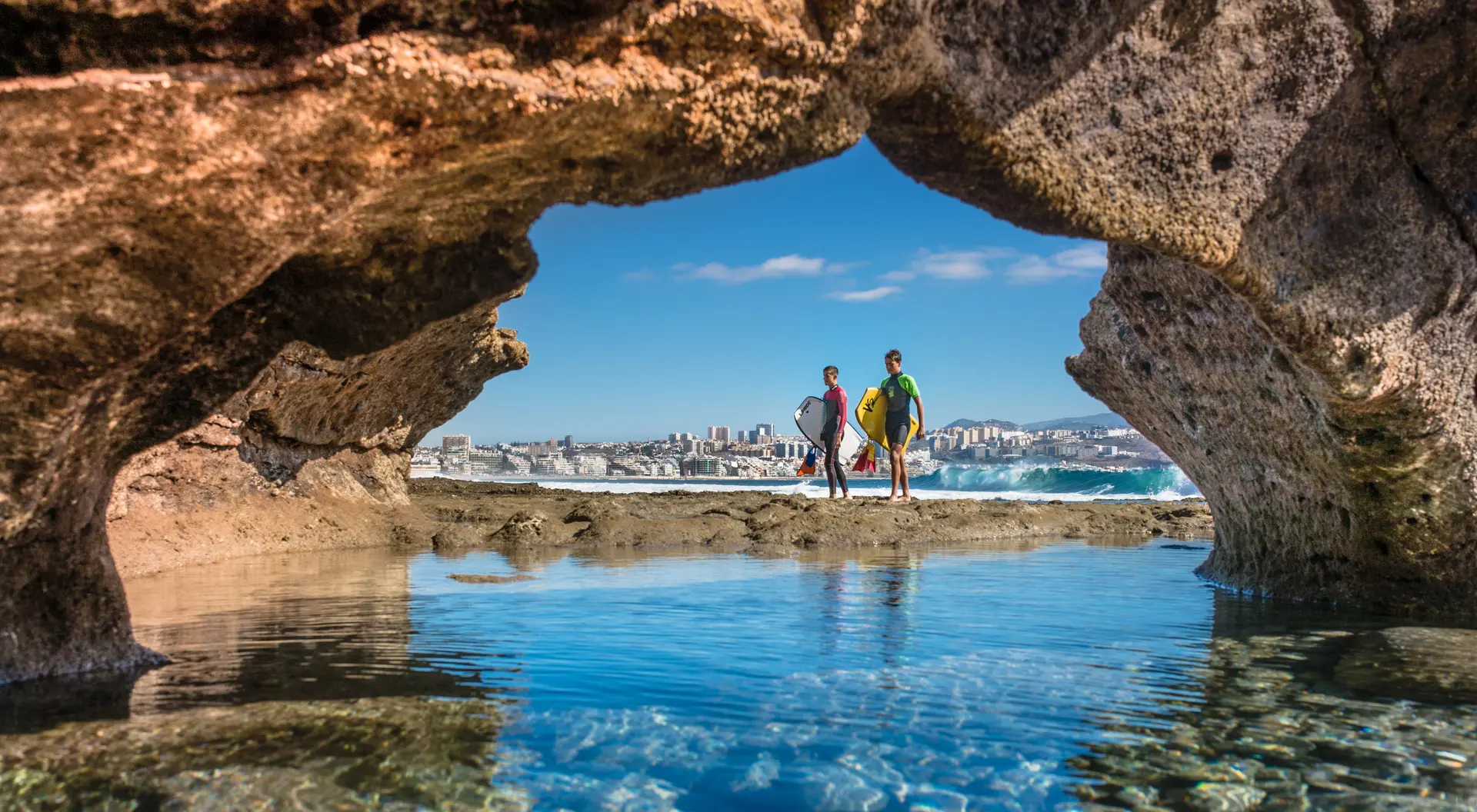
If you ask North American globetrotters to name their dream Spanish destination, they'll likely tell you about the Gaudí spires of Barcelona, the gall...
Ask a Travel Expert: European River Cruising
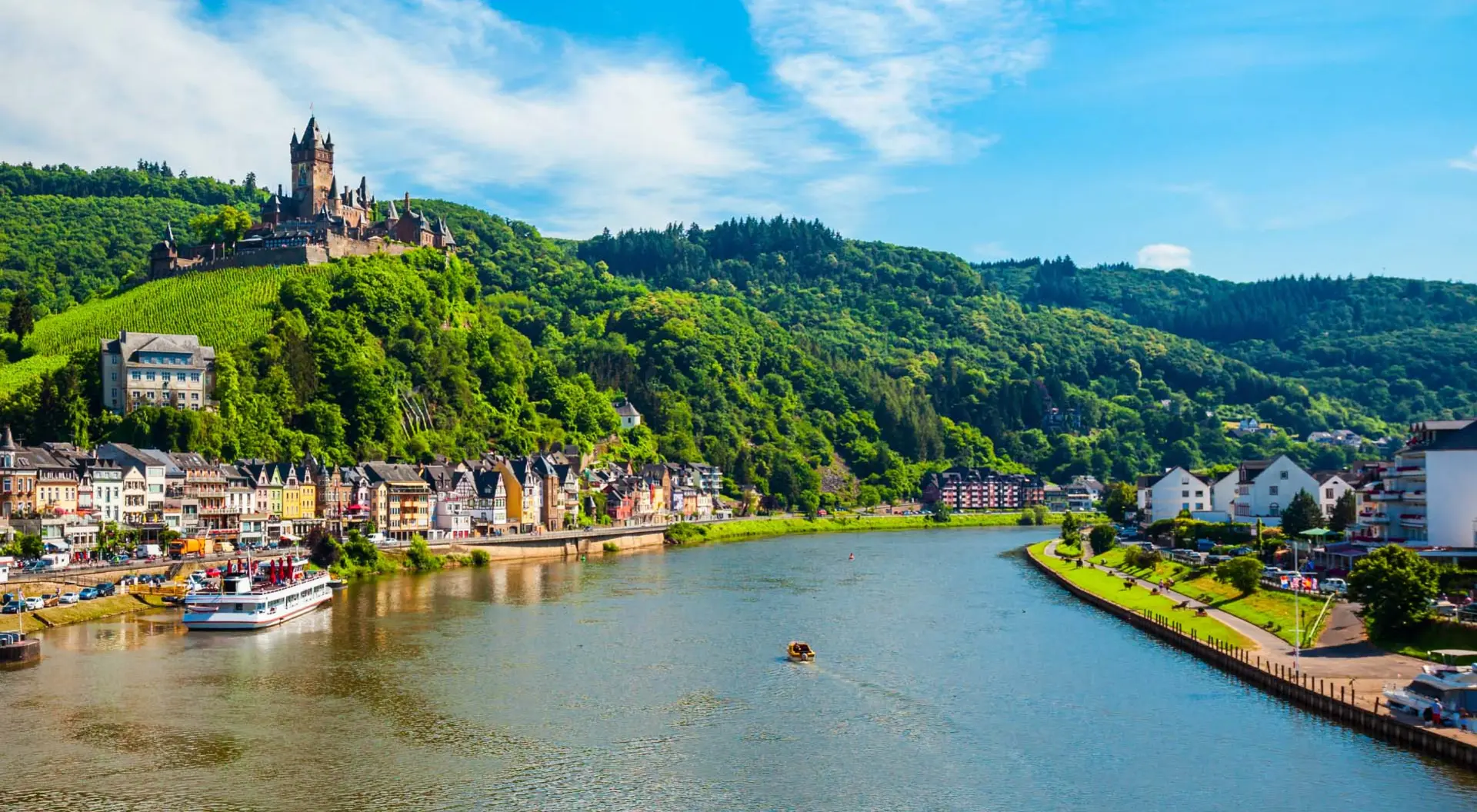
Cruising remains one of the most popular travel styles, but European river cruising isn’t quite the same as boutique island cruises or the big ocean l...
Frequently Asked Questions
What do I need to know before travelling to France?
What not to do in France as a tourist?
Avoid rushing meals, speaking loudly in public, or skipping a greeting when entering shops or cafés.
What visa requirements should travelers be aware of before visiting France?
Most travellers from Canada and the United States do not need a visa for stays under 90 days.
What local customs and etiquette should visitors respect?
Greet people with a friendly “bonjour” or “bon soir,” dress modestly in churches, and keep public behaviour calm and polite.
How safe and accessible is France for luxury travellers?
France is very safe for travellers, with excellent infrastructure, world-class hotels, and premium services available.
What practical tips enhance the travel experience in France?
Book major attractions in advance, embrace slow dining, and consider train travel for convenience.
France Travel Information
Not sure which theme is right for you?
Unlock more by subscribing to our newsletter.
With our newsletter, you’ll get access to regular communications that inspire you and help you explore the world your way.Exclusive Savings
Insider Benefits
Trending Stories
ExcellentBased on 5,304 ReviewsWe booked a Goway tour to Botswana and Zimbabwe and it was excellent. We worked with Brooke, the Goway represntative, to set up the tour and she was an outstanding agent who answered any questions we had very quickly and completely. Her hotel recommendation for the additional night we stayed was pefect.
Goway hires a local tour group, Jenman Safaris, to lead the safari in the 2 countries. The tour itself was amazing...the lodges that we stayed at were very nice and the food was great (except for one lodge's food). The Goway itinerary was slightly different than the actual Jenman Safari itinerary but most of the sites that we went to were the same as listed on the Goway itinerary. I would use Goway again because their choice of a local tour group was very good...nice lodges/camps and good food and knowledgeable tour guides.Ma FaOur GoWay tour representative, Michael Keon, was on top of all of our concerns and questions in a professional manner and we look forward to working with him in the future. Michael was very easy to work with and treated us like family.ThomasMatthew handled my honeymoon couple's very specific African itinerary like a pro! My clients went to four different travel agents who only wanted to send them on safaris. My clients had already done safaris and were specific on what they wanted to do and see. Matthew hit the nail on the head! Highly recommend!Amanda SchottSeamless prompt excellent communication from our first query about a possible destination to follow-up after the trip ended.JaneJacqueline Fagioli from Goaway Travel is excellent and very helpful and supportive. VenessaOur travel agent, Melissa Moses, created the perfect itinerary for our recent holiday to Portugal. Melissa had also planned our previous trip to England/Scotland. We have a great deal of confidence in her ability as she really listens to what we are looking for and she caters the plans according to our comfort levels and interests. customerJacqueline F. made our trip exceptional. Everything she planned or reserved worked out as it was supposed to. Croatia was amazing and I feel we were able to explore a lot of it because of Jacqueline.AllenThis was the first time we had utilized Goway. We wanted a custom itinerary for a 3 week Italy, Athens and Greek Island adventure. Edwina Brislane was receptive to our goals for the trip, had helpful suggestions and reacted well to our requested revisions. Lisa Dachuk helped "tie a ribbon" on the trip and ensured we had considered all aspects of the experience. Lisa dealt quickly with a couple of requests while on the trip and celebrated a successful trip with us.
We enjoyed working with both Edwina and Lisa. Their knowledge and enthusiasm contributed to our very memorable trip.Dan & GailI had a great experience booking Australia and New Zealand trip through Goway Travel. Lori Mezzoro was very helpful and organized. All the recommendations she made were very good. I had a great trip with my kids.LauraI recently traveled to Greece with friends, and our entire experience was exceptional thanks to the planning support we received from Avery at GoWay. Every part of our itinerary was organized with care, accuracy, and great attention to detail.
Our accommodations — Hera Hotel Athens and Sofitel Athens Airport — were comfortable, well‑located, and exactly what we needed. All airfares from Calgary and the multiple transfers (airport to city centre, city centre to Piraeus Port, and back again) were perfectly coordinated and made the trip completely stress‑free.
The 7‑night Idyllic Aegean Cruise was a major highlight. It was beautifully arranged and gave us an unforgettable way to explore the islands. Our excursions were equally impressive:
Skip‑the‑Line Acropolis & Acropolis Museum timed entry, which made sightseeing smooth and efficient
Classical Greece: Olympia, Delphi & Meteora, a breathtaking and well‑paced journey through some of Greece’s most iconic historical sites
Avery was consistently responsive, knowledgeable, and proactive throughout the planning process. Every confirmation, transfer, and timing detail was handled flawlessly, allowing us to simply enjoy the trip without worrying about logistics.
I highly recommend GoWay Travel — and especially Avery — for anyone planning a trip to Greece. This was one of the best travel experiences I’ve had, thanks to their outstanding service and organization.Lorraine
Verified
Verified
Verified
Verified
Verified
Verified
Verified
Verified
Verified
Verified