“Switzerland is known for its high cost of living,” says Destination Specialist Mike Keon, “but it's possible to travel on a budget by utilizing options like Supersaver train tickets, choosing accommodations outside of major tourist areas, and taking advantage of free activities like hiking and exploring natural landscapes.” Peruse our tailor-made Swiss vacation packages to find one that’s right for you.
Switzerland Travel Information
Not sure which theme is right for you?
Insider Travel Tips
Switzerland is one of Europe’s most refined destinations, but its elegance comes wrapped in a warmth and simplicity that often surprises visitors. Yes, this is a country where trains run with stunning precision, villages look lifted from a storybook, and lakes gleam like polished glass, but the Swiss themselves value balance, nature, and quiet pleasures far more than extravagance.
Whether you’re arriving in Zurich, Geneva, or a tiny Alpine town, mountains frame nearly every horizon. Locals live closely with the outdoors, and you’ll notice how seamlessly daily life blends with nature. What also stands out is Switzerland’s multicultural character. Four national languages (German, French, Italian, and Romansh) give each region its own flavour. A morning coffee in Lucerne will therefore feel different from an evening aperitif in Lugano, yet both experiences are authentically, unmistakably Swiss.
On the ground, Switzerland can be pricey, which is where good planning comes in: Being prepared and prearranging as much as you can will minimize costs. In any case, the quality of service and experiences is consistently high wherever you go, so you get what you pay for. On the whole, meals are beautifully prepared, public spaces are spotless, and hotels take service seriously.
To start planning a Swiss adventure that’s tailor-made for you, speak to one of our Destination Specialists today.
Practical information for Switzerland
As a member of the Schengen Area, Switzerland follows standard Schengen entry rules, which means that many travellers from North America, Europe, and parts of Asia can enter visa-free for short stays. Just be sure that your passport is valid for at least three months beyond your planned departure date.
Once you’ve arrived, you’ll notice that Switzerland values punctuality: Trains, buses, and boats don’t simply strive to be on time. They are on time, down to the minute. This makes getting around incredibly easy and predictable.
Daily logistics are equally traveller-friendly. Municipal transit is just as well run as the national system. Public bathrooms are clean, plentiful, and well-maintained, And tap water, often sourced directly from mountain springs, is safe to drink just about everywhere. Filling your bottle from a public fountain is encouraged.
Culture and Customs in Switzerland
Switzerland’s beauty isn’t just in its mountains and lakes. It’s also in the way people treat the world around them. Respect, cleanliness, and courtesy are universal values, and understanding these quiet cultural norms will help you fit right in.
One thing visitors notice right away is how calm and quiet public spaces tend to be. Whether you’re riding a train, walking through a village, or browsing in a store, the atmosphere is often peaceful, free of loud talking and disruptive behaviour.
Cleanliness is another hallmark of Swiss culture, with streets, parks, and even busy transit stations remarkably tidy, and recycling bins everywhere.
When greeting others, a simple “grüezi,” “bonjour,” or “buongiorno” (depending on the region you’re in) goes a long way. The Swiss may seem reserved at first, but a polite hello or a friendly smile will reveal their warm demeanors.
Seasonal Advice for Switzerland
Switzerland is beautiful in every season, but the weather can shift quickly and sometimes dramatically, so packing strategically will make your trip far more comfortable.
If you’re visiting for winter sports or Christmas markets, prioritize warmth. Pack a good insulated jacket, waterproof boots, thermal layers, and gloves. A warm hat and scarf are essential.
Spring can be unpredictable, with sunny skies one minute and rain or cold the next. Bring a lightweight waterproof jacket, comfortable walking shoes, and sweaters you can peel on and off. This is the season for breathable layers and an umbrella tucked into your daypack.
Swiss summers are warm but rarely sweltering, perfect for cafe-hopping, hiking, or swimming in lakes. In the mountains, carry a fleece or light down jacket, even during summer.
Autumn is crisp and colourful. Think cozy sweaters, a warm jacket, and comfortable closed-toe shoes. Layering is again your friend, as mornings can be cool and afternoons surprisingly mild.
For more information on the seasons in Switzerland, consult our Best Time to Visit page.
Must-Sees for First-Time Travellers to Switzerland
Switzerland is filled with postcard-perfect places, but a few destinations truly capture the country’s spirit, especially for first-time visitors.
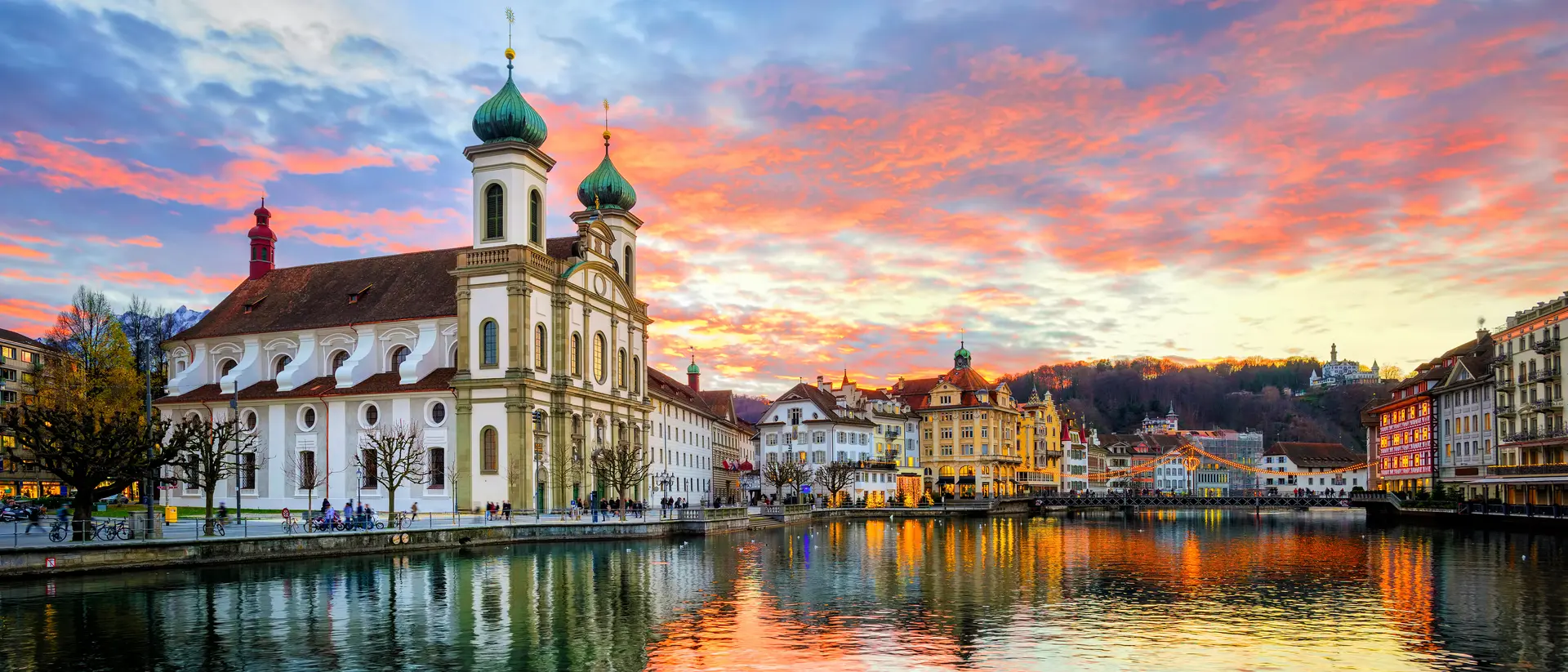
After landing in Zurich, you might begin your journey in Lucerne, a city that feels like the setting of a fairy tale. Its medieval old town is a patchwork of frescoed buildings, winding alleys, and inviting cafés. The famous Chapel Bridge stretches across the Reuss River, and Lake Lucerne sparkles at its edge.
From Lucerne, make your way to Interlaken, a town embraced by two majestic lakes and framed by the Jungfrau mountains. Interlaken is known for its adventure sports, but you don’t need to participate in them to enjoy its magic.
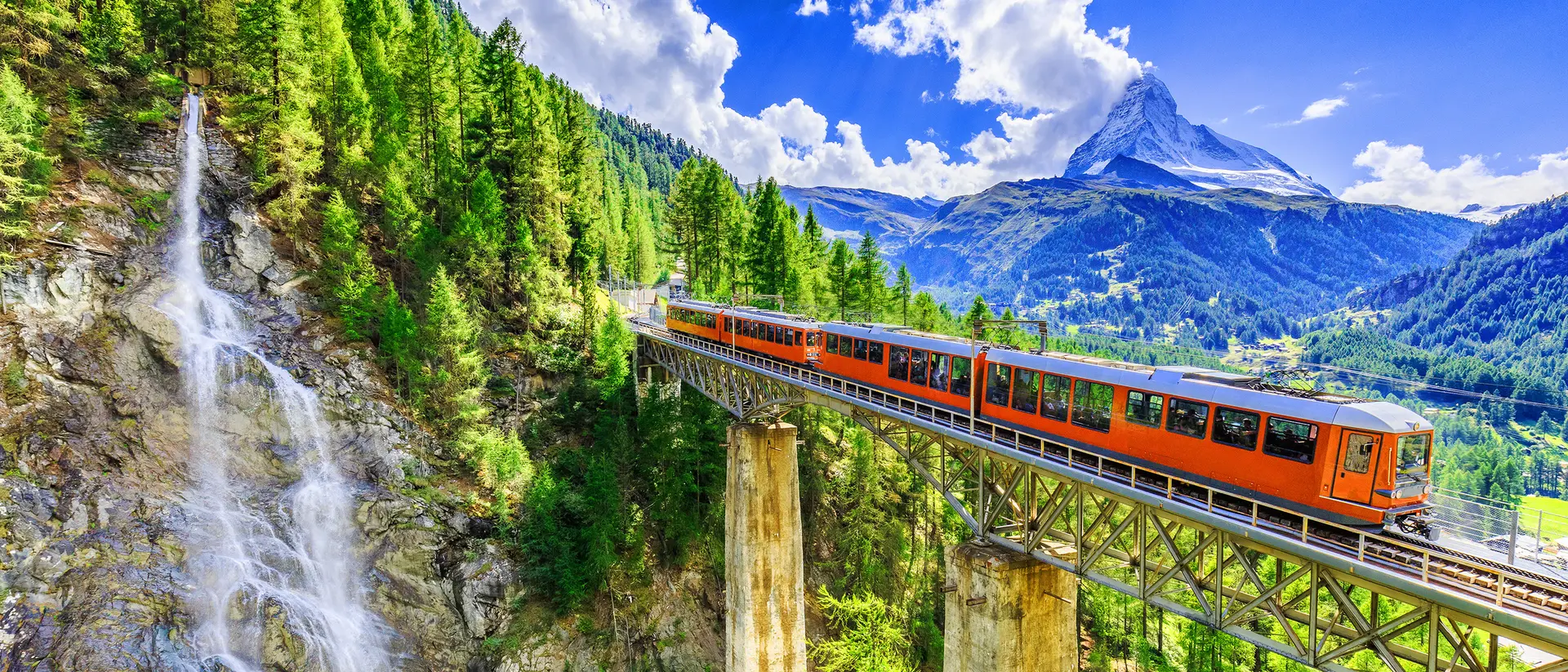
Finish your odyssey in Zermatt (where the star attraction is the Matterhorn) and then in Bern, Switzerland’s understated yet beautiful capital. Together, these varied destinations offer the ideal introduction to Switzerland, although they just scratch the surface.
If you’re looking for something a bit more off the beaten track, “consider Grindelwald,” says Destination Specialist Samantha Buckley. “It’s often overlooked for more popular neighbours Interlaken and Lauterbrunnen, but is equally worth a visit.”
For more information and inspiration, check out our tailor-made Swiss vacation packages.
Food and Dining in Switzerland
Swiss dining is as much about the experience as it is about the food. Meals here are meant to be savoured, not rushed. And restaurant reservations are often essential, especially in popular cities like Zurich, Lucerne, and Geneva, or tourist hotspots, such as Zermatt or Interlaken, where eateries can fill up quickly.
Overall, Swiss cuisine is hearty, precise, and comforting, from rich cheese dishes and crisp rösti to succulent chocolates and pastries. No visit to Switzerland is complete without trying fondue, the iconic melted cheese dish. (Just remember to swirl your bread slowly to avoid dropping it and avoid double-dipping.)
In the Lausanne area, Switzerland also boasts a thriving wine scene, its terraced vineyards cascading down steep slopes toward Lake Geneva. Few Swiss vintages are exported, so be sure to try them out when you’re in the country.
For more on Switzerland's culinary riches, visit our guide to Swiss food and drink.
Plan Your Tailor-Made Swiss Vacation with Goway
Whether it’s a private guided tour through Lucerne’s old town, a scenic train ride across the Bernese Oberland, or a gourmet experience in Zermatt, planning ahead means you can focus on your surroundings rather than timing or availability.
“Don’t worry about renting a car, which can be inconvenient and expensive,” says Destination Specialist Samantha Buckley. “The train is much more efficient.”
For more expert tips and to start planning a Swiss odyssey that’s tailor-made for you, speak with one of our Destination Specialists today.
Featured Switzerland Trip Ideas
Switzerland Travel PackagesClassical Rhine River Cruise
AmsterdamCruise the Rhine past vineyard valleys and storied shores on an independent river journey through the Netherlands, Germany, France and Switzerland.
10 days
From US$6,694/p.p.
Request a Quote
Grand Train Tour of Switzerland: Iconic Rail Journey
Chapel Bridge, Lucerne, Swiss Alps, and InterlakenExperience the beauty of Switzerland on a train journey. Travel from Zurich to stunning Zermatt, with breathtaking scenery and charming towns along the way.
8 days
From US$3,984/p.p.
Request a Quote
Classical Rhine River Cruise
AmsterdamCruise the Rhine past vineyard valleys and storied shores on an independent river journey through the Netherlands, Germany, France and Switzerland.
10 days
From US$6,694/p.p.
Request a Quote
Grand Train Tour of Switzerland: Iconic Rail Journey
Chapel Bridge, Lucerne, Swiss Alps, and InterlakenExperience the beauty of Switzerland on a train journey. Travel from Zurich to stunning Zermatt, with breathtaking scenery and charming towns along the way.
8 days
From US$3,984/p.p.
Request a Quote
Travel Stories
Get inspired about Your Trip to Switzerland
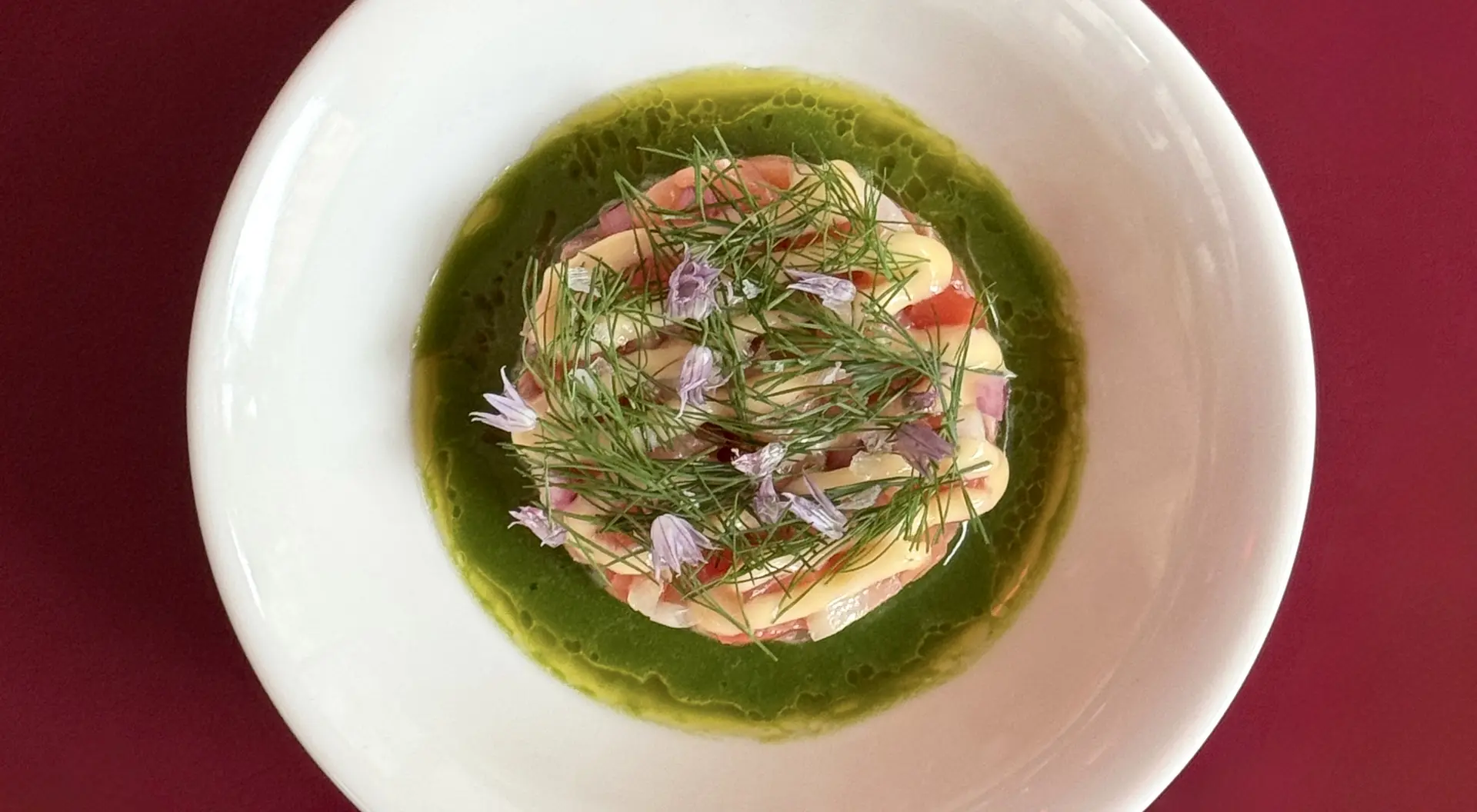
The Bounty of Budapest
Just after the server slid the bowl in front of me, my glasses began steaming up. The fumes, laden with the scent of rich beef and sweet, peppery papr...
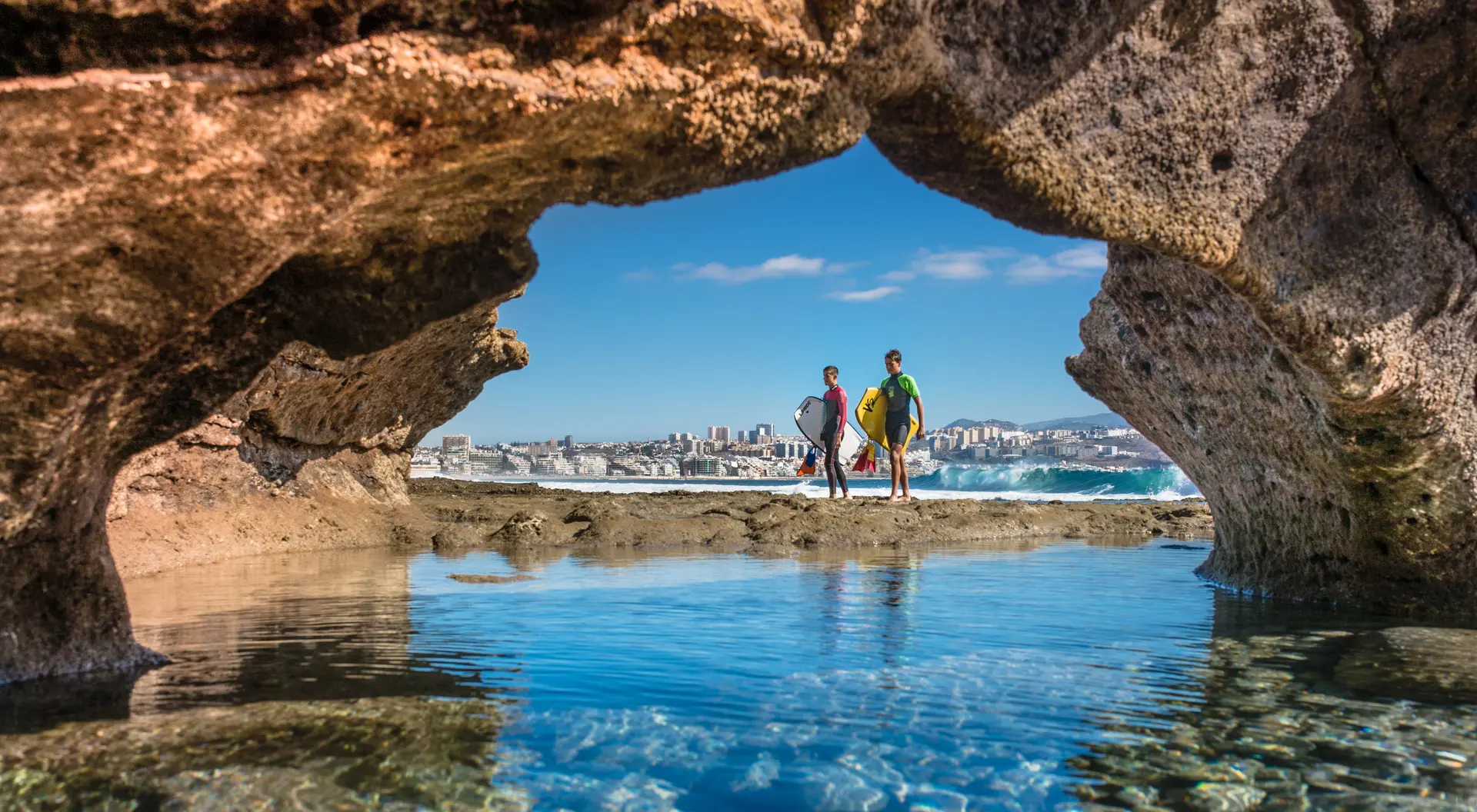
8 Reasons to Book a Trip to Gran Canaria
If you ask North American globetrotters to name their dream Spanish destination, they'll likely tell you about the Gaudí spires of Barcelona, the gall...
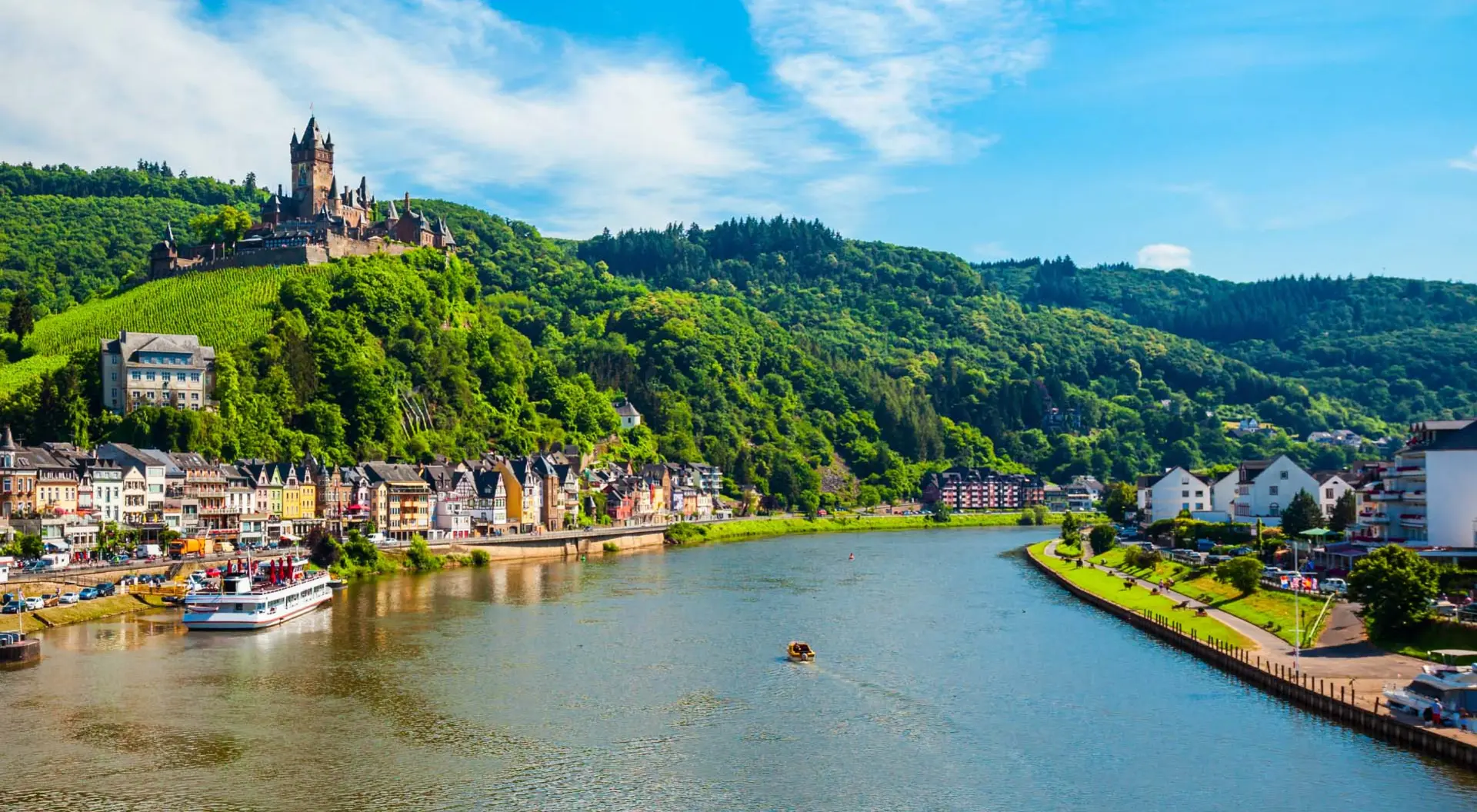
Ask a Travel Expert: European River Cruising
Cruising remains one of the most popular travel styles, but European river cruising isn’t quite the same as boutique island cruises or the big ocean l...
Frequently Asked Questions
Is Switzerland expensive to visit?
How much money is required for a trip to Switzerland?
The amount depends on your style, with the country accommodating all types of travellers, from budget to mid-range to luxury. Consult with one of our Destination Specialists to put together an itinerary that’s both affordable and full of the experiences you’re looking for.
What are some rules in Switzerland?
Switzerland is defined by high precision, strong adherence to tradition, and immense respect for public order and quiet, especially on Sundays and after 10:00 p.m. Key rules include strict punctuality, mandatory recycling, and fines for infractions like jaywalking.
What can I not bring into Switzerland?
You cannot bring in prohibited items such as weapons, illegal drugs, counterfeit goods (including designer handbags and watches), and endangered species products (such as ivory and coral). Strict bans also apply to non-EU plant materials, dangerous laser pointers, and certain foodstuffs.
Do I need vaccinations for Switzerland?
While there no specific, mandatory vaccinations required for entry into Switzerland, vaccination for Hepatitis A and B is recommended for most travellers, and Tick-borne Encephalitis (TBE) is advised for those visiting forested or rural areas
Switzerland Travel Information
Not sure which theme is right for you?
Unlock more by subscribing to our newsletter.
With our newsletter, you’ll get access to regular communications that inspire you and help you explore the world your way.Exclusive Savings
Insider Benefits
Trending Stories
ExcellentBased on 5,294 ReviewsMy wife and I have just returned from our 5th trip with Goway. Once again everything ran smoothly from first day to last. This trip was the 9 day all Ireland tour which covered both north & south Ireland. The tour was operated by Rabbies tours whom we used in Scotland and the 16 passenger van only had 6 passengers including us.Other than a couple of days the weather was prety good although the wind did get a bit wild. The pub food was delicious & i got a taste for real Guiness. We spent a few extra days in Dublin and found it very expensive, the excange rate didn't help. Our travel consultant Jaqueline personalised the trip and was very helpful. George CroomeWe were able to see the perfect amount of sites during our nearly 3 weeks in Australia. Sam Day was extremely knowledgable about every step of the travel process. He was incredibly patient with all the demand my wife and me had. We really look forward to using his services again.Alan RosenbergMy husband and I booked a tour to Portugal using Goway travel. Working with Phoebe was a pleasure. She responded promptly and professionally to all of my requests, concerns and queries. Our trip was filled with lovely details and unexpected treasures.Kristen RemsenMy trip to China was a wonderful experience, and everything was planned very well. The itinerary was well organized by Ms. Harpreet Litt. The arrangements were smooth, and the overall trip was enjoyable.
I appreciated the attention to detail and the excellent coordination throughout the journey. It was a memorable experience, and I would highly recommend this trip to anyone planning to visit China!edytaHarpreet Litt provided us with a rich experience for our week. She offered good choices for local tour companies. We had a very good guide in Osaka. She is an Osaka resident with good English skills. She took extra pains to include opportunities we requested Osaka was a beautiful city at night. My photos of restaurants and street food were colorful and fun. Food was good too.Noel ChrismanI had a fantastic experience working with Lisa D. on the Goway team. She was helpful, attentive and made sure we were comfortable with our bookings and itinerary before departure, and also checked in with us following our trip. Would definitely book with Goway again!Mandi S.1186952 trip reference - Croatia and Montenegro.
Dear Goway Travel Team!
I wanted to reach out and share some well-deserved praise for Jacqueline, who has assisted me closely with several of my travels. She recently curated a trip for me to Croatia, the beautiful islands, and Montenegro, and it was an absolute home run.
Jacqueline has an incredible ability to listen to her clients' needs and translate them perfectly into a flawless itinerary. Her articulation, guideline execution, and professionalism are unmatched. What sets her apart is her forward-thinking approach—she always knows the exact hotspots and trends, ensuring the pace of the trip matches my speed perfectly.
Everything transitioned seamlessly thanks to her attention to detail and care. She is a massive asset to your organization, and her consideration makes every vacation stress-free. I will absolutely continue to use her for all my future travels.
Kindest regards,
Vince Sacco Vince SaccoAbsolutely incredible trip! From beginning to end! All accommodations were excellent. If you want to experience Safaris this trip will fulfill all your expectations! A special thanks to our driver we had for our entire trip Evans! He made our trip over the top! The Hot air balloon ride in the Masai Mara is a must…it’s breathtaking!Pam SeitzI have worked with Goway several times in the past two years and every single trip has been unforgettable. Specifically, our travel advisor, Maria, has helped us book phenomenal trips to Thailand, Spain, Portugal, Italy, Ireland, and most recently, Iceland. Maria is so wonderful and easy to talk to, but what really stands out is her ability to get to know her clients so she can plan trips that perfectly align with our interests and desires. I cannot recommend her strongly enough! Her expertise, hard-work, and dedication towards each trip has given myself, my family, and friends memories to last a lifetime! Kayla CovelloJamil made our 40th birthday trip to Portugal so so very amazing and special! Great service, fabulous hotels, and wonderful day trips! Lane Strickland
Verified
Verified
Verified
Verified
Verified
Verified
Verified
Verified
Verified
Verified