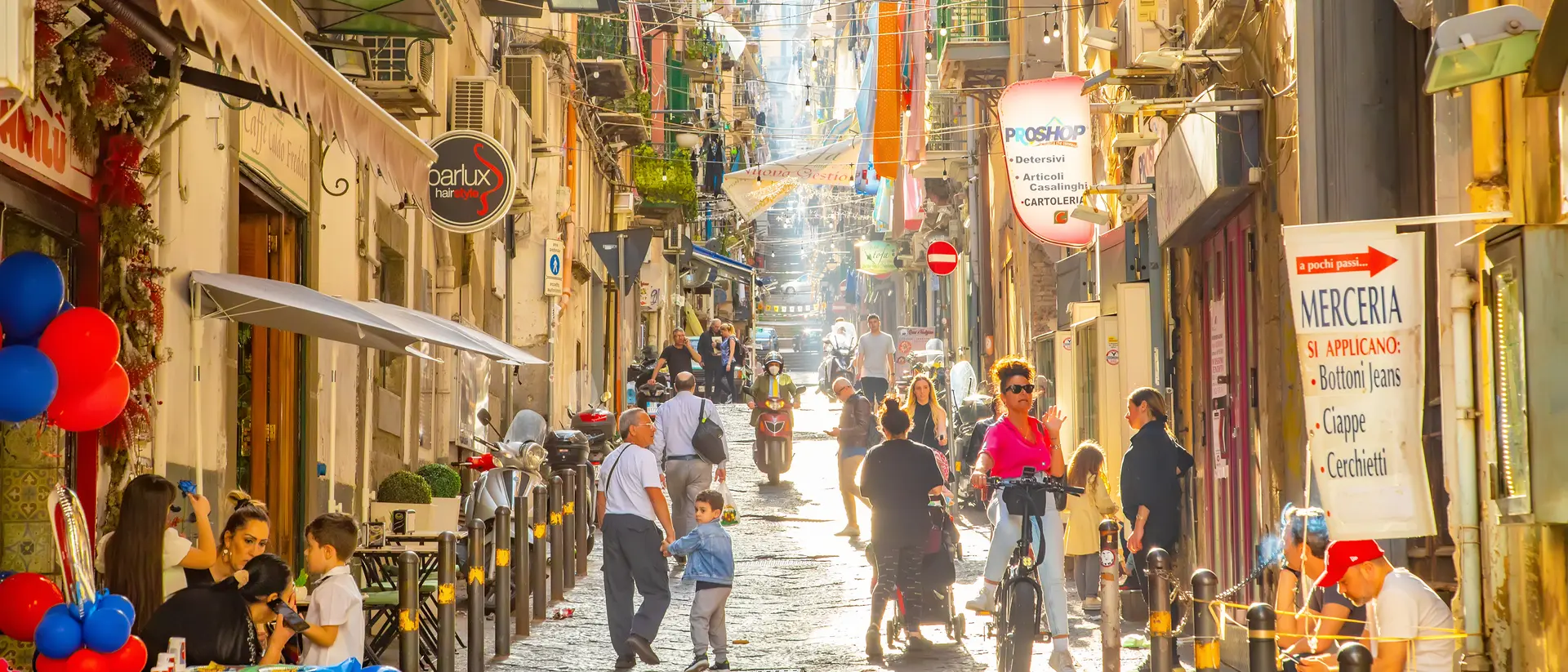
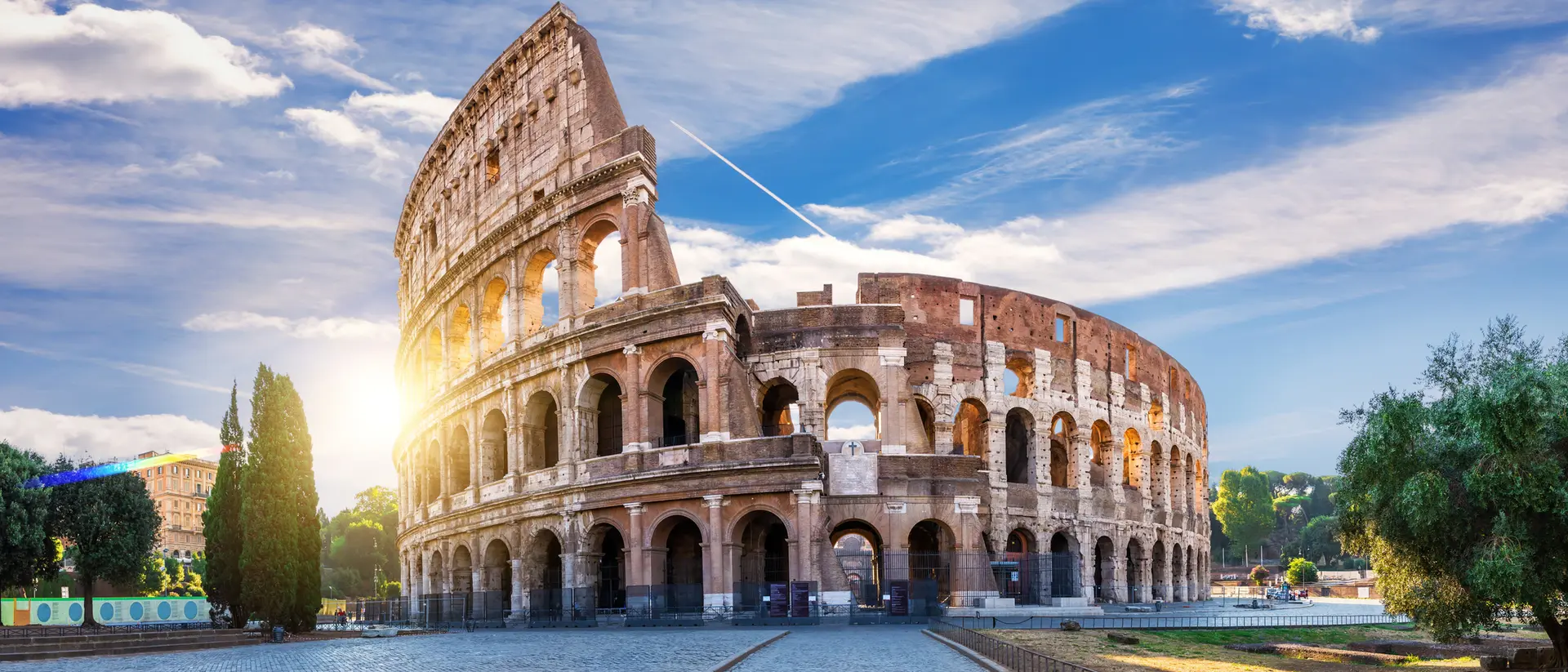
April, May, June, and September are the best months to visit Italy for pleasant weather and fewer crowds. Days are sunny and warm, without being too hot, and tourist attractions are less busy than during July and August. Spring brings colourful blooms and vibrant festivals, while early fall offers golden vineyards, harvest festivals, and comfortable sightseeing temperatures across the country.
Italy Travel Information
Not sure which theme is right for you?
Best Time to Visit
Italy is a destination for all seasons, whether you’re exploring Tuscany’s golden vineyards, basking on Sicily’s sun-drenched shores, or skiing the snow-covered Dolomites. Ultimately, the best time to visit Italy depends on your goals. High season stretches from May to September, but mid-to-late spring (April to June) and early fall (September to October) are the sweet spots for many travellers, with mild temperatures, fewer crowds, and a wealth of cultural events.
“In spring, the weather is pleasantly warm but not too hot, perfect for sightseeing and outdoor adventures before peak tourist crowds arrive,” says Destination Specialist Jacqueline Fagioli. “By fall, the summer heat gives way to comfortable days and crisp evenings. It’s also harvest season, when food and wine festivals abound, from truffle hunts and grape harvests to market-fresh seasonal dishes.”
That said, there’s no “wrong time” to travel to Italy. In July and August, temperatures in cities like Rome and Naples often soar above 35 degrees Celsius (95 degrees Fahrenheit), prompting Italians to escape to the coast or alpine lakes. “The south is warmer than the north, but during the summer even the north reaches high temperatures,” says Destination Specialist Chelsey Malcolm. Prices also climb during this peak period, so booking ahead is wise.
The best time to travel to Italy also varies by region and interest. Some travellers may plan their trip around a specific activity or event, such as truffle-hunting in Piedmont in November or Venice’s Carnival festivities in February. If you’re hoping to avoid crowds in Italy’s major cities and don’t mind cooler weather, winter (excluding holidays) is ideal. Prices drop during the off-season, especially in November and February, and with more than 4,000 museums and art galleries across the country, there’s always a warm refuge among masterpieces.
Speak to a Goway Italy Specialist to plan your perfect season.
Understanding Italy’s Seasons
Italy’s four distinct seasons each offer their own magic, from wisteria-lined paths in the spring to charming mountain towns in the winter. Some regions shine brightest at specific times, so it pays to tailor your itinerary to the Italy travel season that fits your plans.
Spring (April to June)
Spring is one of the most pleasant times to visit Italy, especially for outdoor enthusiasts and photographers. “Flowers bloom across the countryside, gardens, and cities, adding vivid colour everywhere,” says Destination Specialist Jacqueline Fagioli. Expect sunny days, mild temperatures, and the occasional shower. In the south, it’s often warm enough for beach days by late May. Easter parades and local festivities, such as spring’s Infiorata flower mosaic festivals, capture Italy’s spirited traditions. With fewer crowds than in the summer and excellent shoulder-season pricing, spring strikes the perfect balance between value and vibrancy.
Summer (July to August)
Italian summers embody the art of slow living. Long, sunny days and balmy evenings make it ideal for beach escapes, island hopping, and lake getaways. Expect peak crowds and prices, but also peak atmosphere. This is Italy at its most social: leisurely dinners, bustling outdoor cafés, evening passeggiate, and dips in the Mediterranean Sea. Many locals holiday in August, when coastal towns swell with visitors. For an alternative to the popular Amalfi Coast, Destination Specialist Alessandro Pace recommends visiting Sardinia, Puglia, Calabria, and Sicily.
Autumn (September to October)
As the crowds thin and vineyards turn gold, autumn brings Italy’s culinary soul to life. “Seasonal festivals and sagre (food fairs) across regions like Emilia-Romagna and Le Marche offer an authentic taste of Italian community life,” says Destination Specialist Jacqueline Fagioli. Try a truffle hunt near Urbino or Ferrara, followed by a rustic meal featuring your finds. With warm days, cool nights, and rich flavours everywhere, fall is one of the most rewarding travel seasons in Italy.
Winter (November to March)
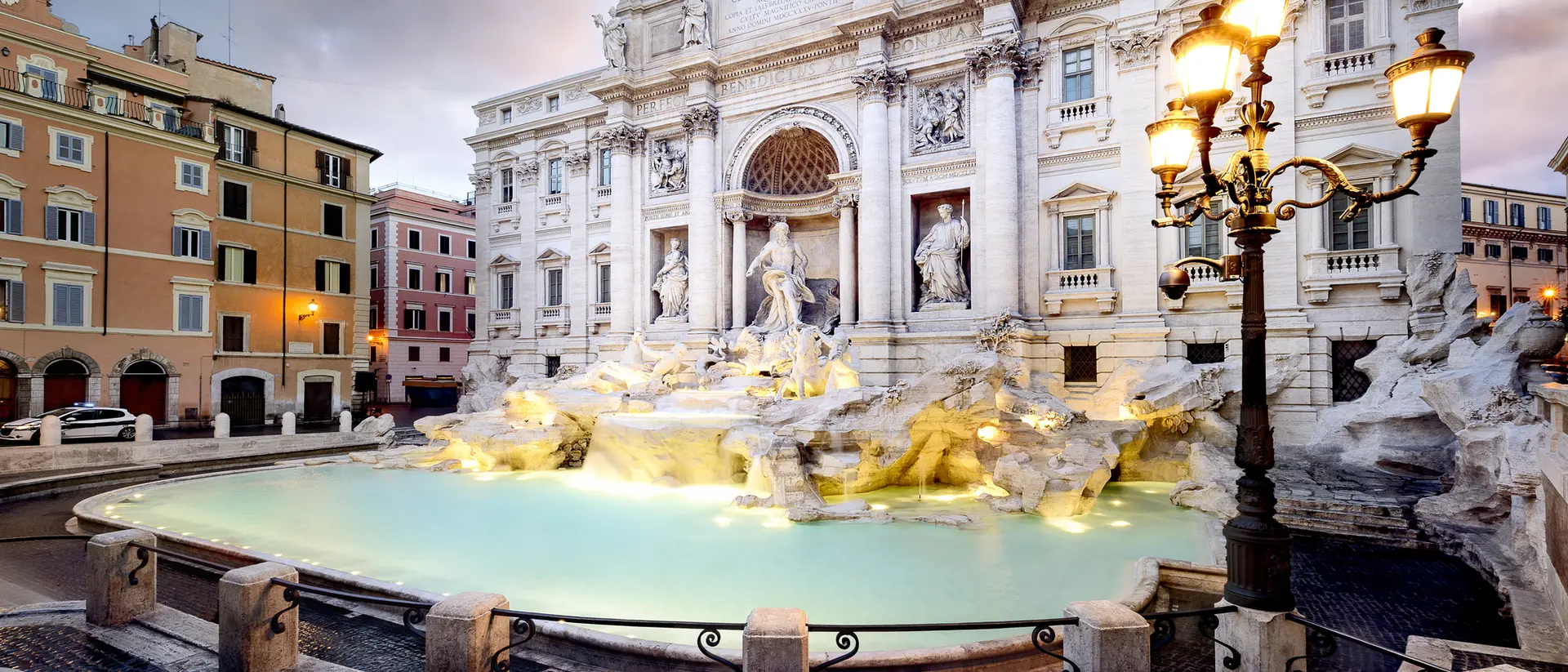
Winter is Italy’s best-kept secret for value and tranquillity. Accommodation rates drop, and even icons like the Florence Cathedral and Trevi Fountain can be blissfully uncrowded. In the north, the Dolomites offer world-class skiing and Italian-style après-ski fun, complete with bombardino cocktails, polenta with mountain cheeses, and beetroot-stuffed ravioli, all enjoyed on a sun-kissed terrace. December brings festive cheer to cities like Florence, Trento, Milan, and Rome, where Christmas markets and lights enliven piazzas.
The Best Times to Visit Italy According to Your Interests
There’s no one-size-fits-all approach to when to visit Italy. Whether you’re dreaming of truffle hunting in Piedmont or sailing along the Amalfi Coast, there’s a perfect season for every passion.
Wine lovers (September to October)
From September to late October, Italy’s wine regions come alive with tours, tastings, and hands-on grape-picking experiences. Tuscany’s Sangiovese vines typically turn golden in September as villages celebrate with harvest festivals like Expo Chianti Classico, while Barolo harvest season in Piedmont usually peaks in October.
Cultural explorers (April to June, September to November)
Spring and fall are ideal for leisurely museum strolls and people-watching in piazzas without the summer hordes and heat. Picture wandering through Florence’s Uffizi Gallery in the morning light or catching a classical concert in a Roman courtyard on a mild evening. Both seasons brim with local festivals centred on age-old traditions, food, and community.
Food-focused travellers (October to November, April to June)
Italy’s culinary calendar follows the seasons. “Every region has its own specialties and every season offers different products that can be eaten only during certain times of the year,” says Destination Specialist Alessandro Pace. That said, fall and spring are the best times of year for diving into Italy’s food and drink scene. Autumn tempts with white truffle hunts in Alba, chestnut feasts in Umbria, and the first press of emerald-green olive oil in Puglia. Spring brings new flavours such as artichokes in Lazio, wild asparagus in Tuscany, and bright seafood dishes along the coast. Keep an eye out for regional festivals celebrating local delicacies, from the Alba International White Truffle Fair to Perugia’s Eurochocolate Festival.
Coast lovers (July and August)
In midsummer, Italy’s shores shimmer with life. On the world-famous Amalfi Coast, bougainvillea spills over cliffside terraces as boats bob in cobalt coves. Sardinia, Sicily, and Puglia boast crystalline waters and relaxed coastal towns where locals linger over grilled fish, chilled wine, and the soundtrack of cicadas. This is peak season for boating, island hopping, and relaxing at beach clubs and resorts.
Winter enthusiasts (December to February)
As snow blankets the Alps, winter sports enthusiasts head to Italy’s ski resorts, especially in the Dolomites. Cortina d’Ampezzo draws the Italian elite with its designer boutique-lined streets, while nearby Alta Badia combines Michelin-starred dining with 130 kilometres of groomed pistes. Beyond the slopes, cities like Turin and Milan glow with festive lights, holiday markets, and steaming cups of vin brulé, Italy’s version of mulled wine.
Regional Highlights to Plan Your Italy Trip Around
Every corner of Italy has its own distinct draws, shaped by local traditions and flavours. Here’s when each region steps into the spotlight—and what to expect when you go.
Amalfi Coast
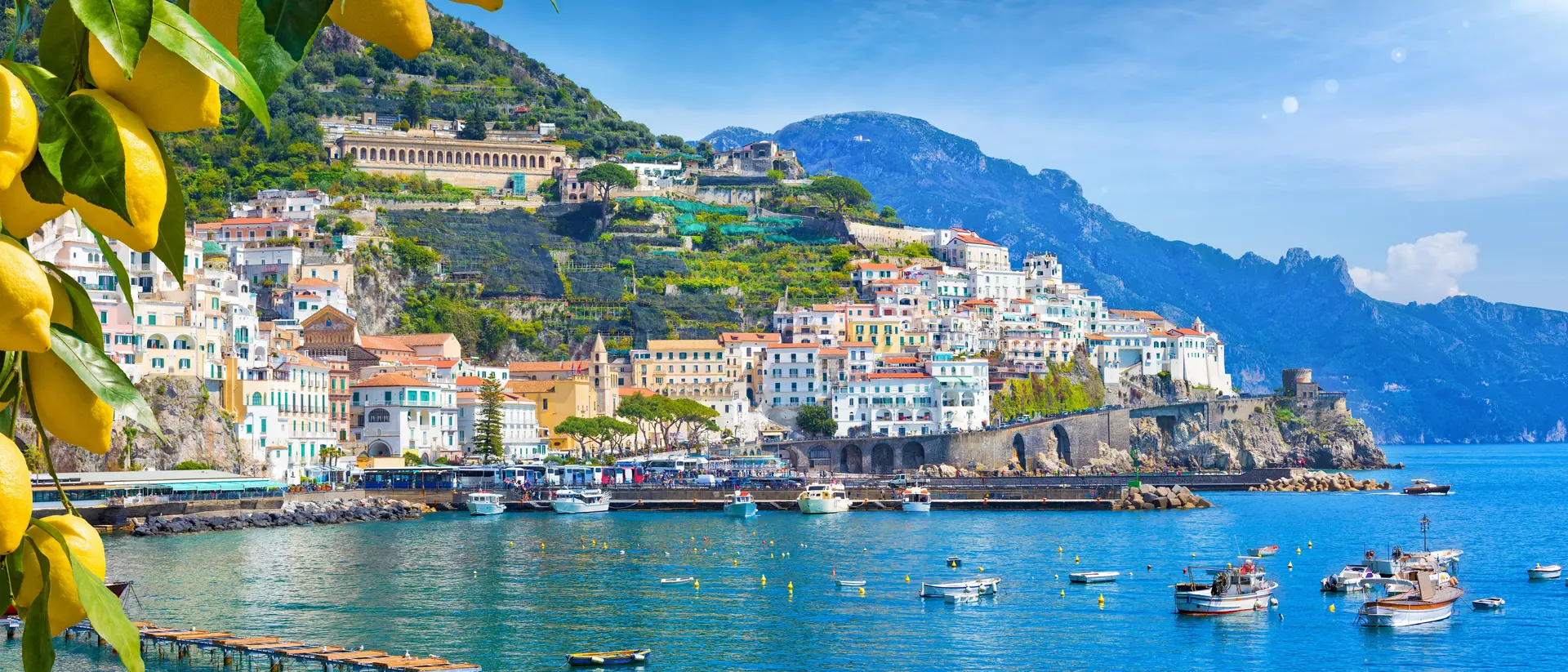
Amalfi Coast crowds peak in July and August, so it’s best to visit in June or September for a more relaxed atmosphere and ideal swimming conditions. You’ll still be able to admire the cliffs lined with pastel-hued villages and terraced lemon and olive groves that define this UNESCO-recognized cultural landscape—but without having to deal with overcrowded streets, restaurants, and ports.
Tuscany
Tuscany is a true year-round destination. Spring bursts with wildflowers across the Val d’Orcia, summer brings vibrant sunflower fields to the Crete Senesi, and fall turns Chianti’s landscapes amber. In winter, cozy trattorias and quiet museums in medieval hilltop towns add to the region’s enduring charm.
Venice
Venice is magical any time of year, but the city feels most intimate in the winter, when mist drifts over the canals and crowds thin out. February’s Carnival revives the city with masked balls, bustling streets, and classical music echoing off marble palazzi.
Sicily
Sicily sizzles in July and August, so the milder spring and fall months (April to June and September to October) are ideal for exploring its vineyards, baroque cities, and ancient ruins without the stifling heat. The sea remains warm through October, making it possible to swim well into the fall.
The Dolomites
In January and February, the Dolomites deliver pristine powder and postcard-perfect alpine villages. If hiking is more your speed, visit in summer, when warm days and crisp mountain air invite you to explore waterfalls, lakes, and panoramic peaks.
Let the Seasons Shape Your Italy Journey
In a country as beautiful and multifaceted as Italy, there’s truly no bad time to visit. A tailor-made journey ensures you make the most of your time, whether it’s savouring warm summer nights filled with live jazz and open-air feasts in Umbria or visiting Milan’s twinkling Christmas markets before a ski trip to the Dolomites.
Italy’s ever-changing seasons mean each visit reveals something new, from tasting fresh mozzarella in Puglia to photographing the spring flowers in Tuscany.
Whenever you choose to go, you’ll find your own version of la dolce vita waiting. Start planning your tailor-made Italian escape with a Destination Specialist who knows when—and where—the magic happens.
FAQs
What is the best month to visit Italy for weather and fewer crowds?
April, May, June, and September are the best months to visit Italy for pleasant weather and fewer crowds. Days are sunny and warm, without being too hot, and tourist attractions are less busy than during July and August. Spring brings colourful blooms and vibrant festivals, while early fall offers golden vineyards, harvest festivals, and comfortable sightseeing temperatures across the country.
When is Italy’s off-season, and what are the perks?
Italy’s off-season runs from November through March, excluding the Christmas holidays. It’s a great time to explore cities like Florence, Rome, and Venice without the crowds. Flights and hotels are often less expensive, and you can enjoy iconic attractions in peace. While many coastal destinations slow down, mountainous regions come alive with winter sports and cheer.
Is October a good time to visit Italy?
Yes. October can be a great month to travel to Italy, especially for culinary enthusiasts. Temperatures are pleasant, crowds thin out, and fall festivals take center stage. It’s prime season for truffle hunting and grape harvesting. Expect crisp mornings, warm afternoons, colourful landscapes, and delicious meals.
When do Italians go on vacation?
Most Italians go on vacation in August, especially around Ferragosto, a holiday celebrated on August 15. During this time, many locals leave cities for the seaside or mountains, and smaller family-run businesses may close. Coastal towns and islands are lively and festive, while major tourist sites remain open but busier than usual.
Is winter a good time for art and city travel?
Winter is one of the best seasons for cultural travellers to visit Italy. Museums, art galleries, and historic landmarks are quieter, and hotel rates are often lower than during the high season. Cities like Florence, Rome, and Milan have a cozy, festive feel, with Christmas markets, concerts, and illuminated streets. Cooler temperatures make it ideal for indoor activities and dining.
Featured Italy Trip Ideas
Italy Travel PackagesRome & the Splendid Amalfi Coast
Rome, Colosseum, Trevi Fountain, and Amalfi CoastDiscover Rome’s iconic sights before joining a small-group escorted tour of the Amalfi Coast, exploring Pompeii, Capri, Sorrento & Positano.
9 days
From US$3,962/p.p.
Request a Quote
Classic Italy: Rome, Florence & Venice
Venice, Rialto Bridge, Florence, Rome, Colosseum, and Trevi FountainDiscover Italy for the first time, from Rome’s ancient wonders to Tuscany’s rolling hills and Venice’s romantic canals.
9 days
From US$5,182/p.p.
Request a Quote
Timeless Treasures: Rome, Florence & Cinque Terre
Florence, Rome, Sistine Chapel, Colosseum, and Trevi FountainStroll through Italy’s rich tapestry, where every step reveals historical gems. Wander from Rome's grandeur to Cinque Terre’s stunning coastline on this captivating tour.
9 days
From US$4,288/p.p.
Request a Quote
Rome & the Splendid Amalfi Coast
Rome, Colosseum, Trevi Fountain, and Amalfi CoastDiscover Rome’s iconic sights before joining a small-group escorted tour of the Amalfi Coast, exploring Pompeii, Capri, Sorrento & Positano.
9 days
From US$3,962/p.p.
Request a Quote
Classic Italy: Rome, Florence & Venice
Venice, Rialto Bridge, Florence, Rome, Colosseum, and Trevi FountainDiscover Italy for the first time, from Rome’s ancient wonders to Tuscany’s rolling hills and Venice’s romantic canals.
9 days
From US$5,182/p.p.
Request a Quote
Timeless Treasures: Rome, Florence & Cinque Terre
Florence, Rome, Sistine Chapel, Colosseum, and Trevi FountainStroll through Italy’s rich tapestry, where every step reveals historical gems. Wander from Rome's grandeur to Cinque Terre’s stunning coastline on this captivating tour.
9 days
From US$4,288/p.p.
Request a Quote
Most Popular Time to Travel
Know when to go.
Place
Conditions
Daily max temperatureMonthly rainfall
FlorenceMostly Sunny
26°C / 79°F
45mm / 1.8"
MilanPartly Cloudy
24°C / 76°F
55mm / 2.2"
NaplesMostly Sunny
27°C / 81°F
25mm / 1.0"
RomeMostly Sunny
26°C / 79°F
30mm / 1.2"
VeniceMostly Sunny
24°C / 75°F
40mm / 1.6"
Weather data is based on monthly averages.Popularity rating
-
Travel Stories
Get inspired about Your Trip to Italy
The Bounty of Budapest
Just after the server slid the bowl in front of me, my glasses began steaming up. The fumes, laden with the scent of rich beef and sweet, peppery papr...
8 Reasons to Book a Trip to Gran Canaria
If you ask North American globetrotters to name their dream Spanish destination, they'll likely tell you about the Gaudí spires of Barcelona, the gall...
Ask a Travel Expert: European River Cruising
Cruising remains one of the most popular travel styles, but European river cruising isn’t quite the same as boutique island cruises or the big ocean l...
Frequently Asked Questions
What is the best month to visit Italy for weather and fewer crowds?
When is Italy’s off-season, and what are the perks?
Italy’s off-season runs from November through March, excluding the Christmas holidays. It’s a great time to explore cities like Florence, Rome, and Venice without the crowds. Flights and hotels are often less expensive, and you can enjoy iconic attractions in peace. While many coastal destinations slow down, mountainous regions come alive with winter sports and cheer.
Is October a good time to visit Italy?
Yes. October can be a great month to travel to Italy, especially for culinary enthusiasts. Temperatures are pleasant, crowds thin out, and fall festivals take center stage. It’s prime season for truffle hunting and grape harvesting. Expect crisp mornings, warm afternoons, colourful landscapes, and delicious meals.
When do Italians go on vacation?
Most Italians go on vacation in August, especially around Ferragosto, a holiday celebrated on August 15. During this time, many locals leave cities for the seaside or mountains, and smaller family-run businesses may close. Coastal towns and islands are lively and festive, while major tourist sites remain open but busier than usual.
Is winter a good time for art and city travel?
Winter is one of the best seasons for cultural travellers to visit Italy. Museums, art galleries, and historic landmarks are quieter, and hotel rates are often lower than during the high season. Cities like Florence, Rome, and Milan have a cozy, festive feel, with Christmas markets, concerts, and illuminated streets. Cooler temperatures make it ideal for indoor activities and dining.
Italy Travel Information
Not sure which theme is right for you?
Unlock more by subscribing to our newsletter.
With our newsletter, you’ll get access to regular communications that inspire you and help you explore the world your way.Exclusive Savings
Insider Benefits
Trending Stories

ExcellentBased on 5,308 ReviewsWe had a fabulous Croatia vacation with a cruise from Dubrovnik to Split, followed by land tours on Split and Opatija. Lodging was always comfortable and conveniently located. Tours and activities were perfectly suited to our interests. We have used GoWay for 2 vacations and are currently working on another. KarenWe would like to thank our travel specialist, Bijal for all the planning and coordinating that was done to make our Tanzania trip as spectacular as it was from start to finish!
Everything went so smoothly from our transfers, to our accommodations, to all of our tours! The people we came into contact with were exemplary!
There were so many highlights on our trip from the animal sightings, to the balloon flight and champagne breakfast, to all the incredible scenery.
Our accommodations were stunning! The level of service was remarkable and the locations were beyond our expectations. To think we would be having dinner and seeing the zebras and the elephants in the distance was amazing!
Our tour guide/driver was very knowledgeable, friendly, passionate and had a keen eye for spotting animals in the distance. He made sure that we saw all the animals that we had hoped to see. it was truly a pleasure to spend the week with him.
Thank you again to Bijal for all the work in making this once in a lifetime trip so exceptional!! We look forward to having Bijal help us plan our future trips.The Chadwicks and WilliamsI wanted to do a once in a lifetime vacation but had no idea where to start, other than knowing where I wanted to go. I reached out to goway.com and Jessica (shoutout!), who is an expert on our specific destination, sent me an itinerary quickly! She had me going into the jungle one day, so I requested to swap that nonsense for a fishing charter, and before I knew it, my trip was ready.
We just returned and it truly was a once in a lifetime experience! The resort service was top notch and (according to locals) we had all of the BEST activities the island has to offer.
If you are up in the air at all as to whether or not going through goway is worth the money, I'm here to tell you: If it's peace of mind and a perfect vacation you're looking for, do it now.therealitgirlWe recently worked with Jacqueline to plan our trip to Greece and had a wonderful experience. We made several revisions to our itinerary and Jacqueline was patient, understanding and prompt in responding to our needs. In addition to the specific tours she booked, she provided extra options and local suggestions for each place we visited in Greece. Her attention to detail and responsiveness made our trip incredibly memorable. Mark MendellWe have used Goway several times to plan simple & more complicated trips. The last 2 trips we worked with Brooke Theron who is extremely customer focused. She listens well & is alway flexible to look at alternatives. We will continue using this representative & Goway.
Our only criticism is that they do not break down the various costs of a trip which makes tipping very awkward. It can also create a sense of " mistrust" when all the costs are not transparent. Cheryl HayesOur trip to Switzerland was an amazing experience. Our travel agent at GoWay, Bo was so helpful in helping my husband Louie plan just what we wanted to do on this trip. Taking the trains thru the county was easy by the many hours Louie and Bo worked on this. Also our helicopter ride in Zermatt on my birthday was just unbelievable. Flying around the Matterhorn and the Alps is one flight we will never forget. Thanks Bo for setting this up. The trip was one incredible adventure that we will never forget. Thanks again Bo, Lynn Gerber. Lynn GerberWe booked a Goway tour to Botswana and Zimbabwe and it was excellent. We worked with Brooke, the Goway represntative, to set up the tour and she was an outstanding agent who answered any questions we had very quickly and completely. Her hotel recommendation for the additional night we stayed was pefect.
Goway hires a local tour group, Jenman Safaris, to lead the safari in the 2 countries. The tour itself was amazing...the lodges that we stayed at were very nice and the food was great (except for one lodge's food). The Goway itinerary was slightly different than the actual Jenman Safari itinerary but most of the sites that we went to were the same as listed on the Goway itinerary. I would use Goway again because their choice of a local tour group was very good...nice lodges/camps and good food and knowledgeable tour guides.Ma FaOur GoWay tour representative, Michael Keon, was on top of all of our concerns and questions in a professional manner and we look forward to working with him in the future. Michael was very easy to work with and treated us like family.ThomasMatthew handled my honeymoon couple's very specific African itinerary like a pro! My clients went to four different travel agents who only wanted to send them on safaris. My clients had already done safaris and were specific on what they wanted to do and see. Matthew hit the nail on the head! Highly recommend!Amanda SchottSeamless prompt excellent communication from our first query about a possible destination to follow-up after the trip ended. Shalini’s knowledge, advice and enthusiasm were invaluable. Jane
Verified
Verified
Verified
Verified
Verified
Verified
Verified
Verified
Verified
Verified