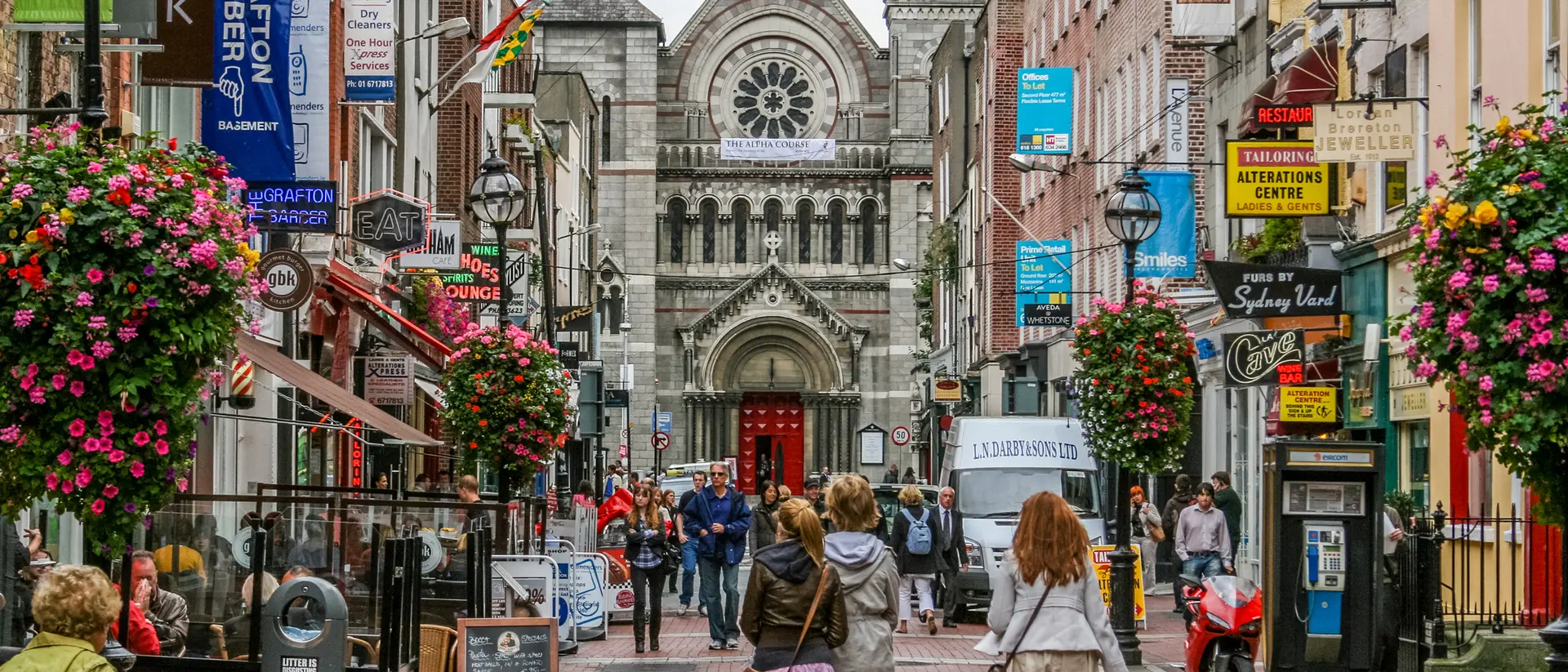
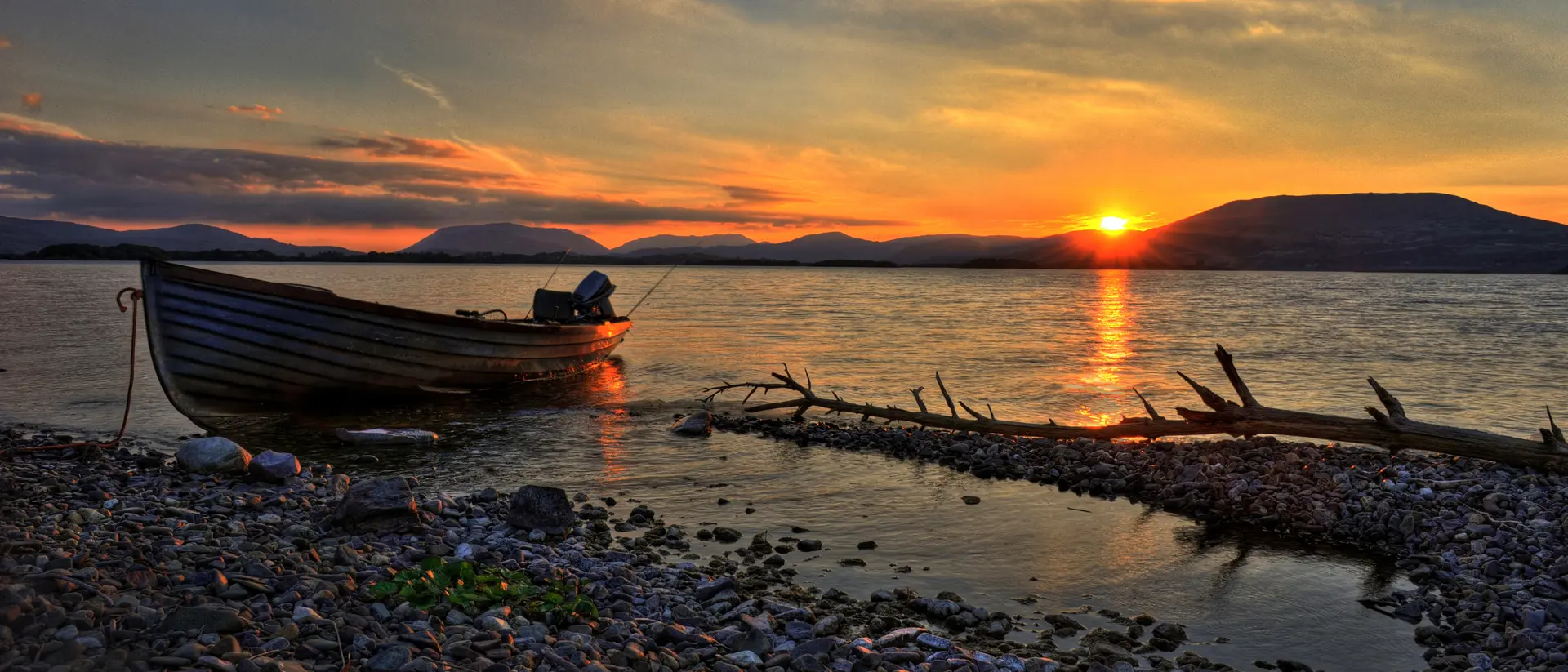
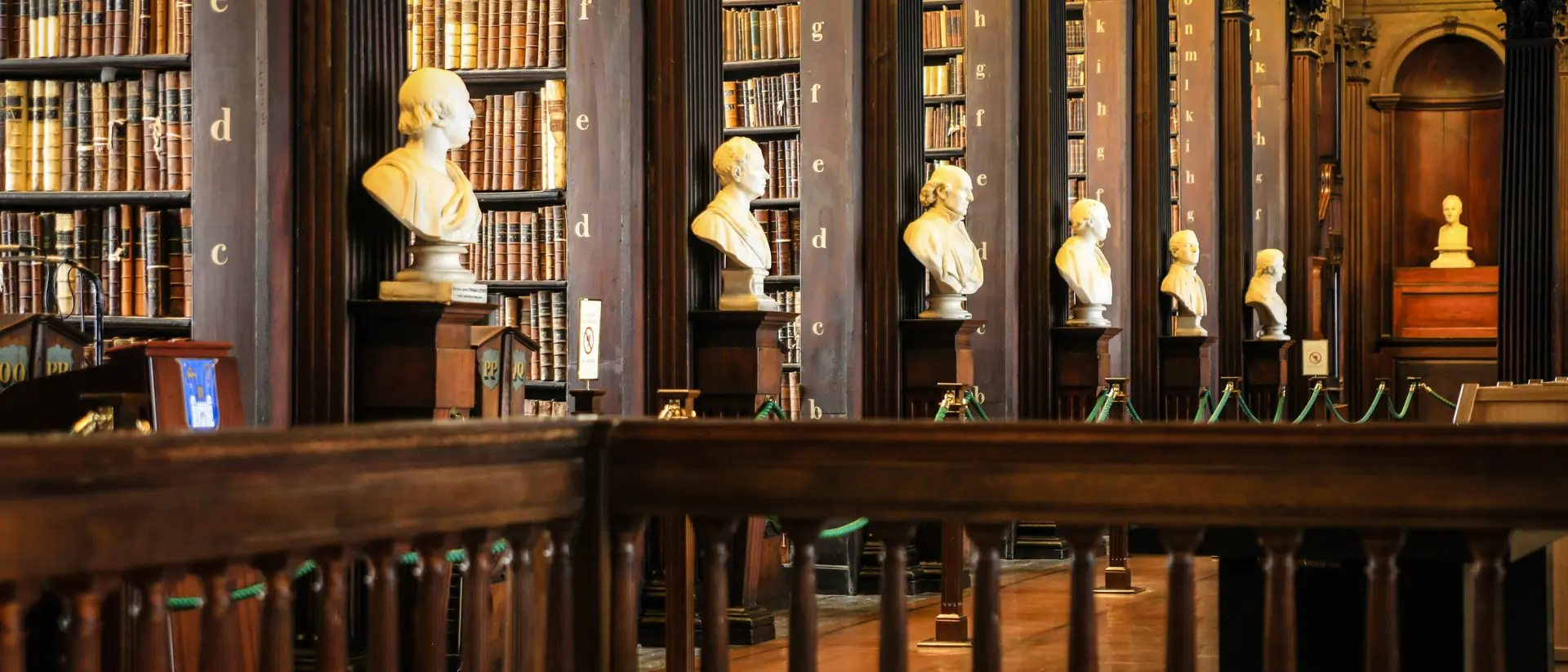
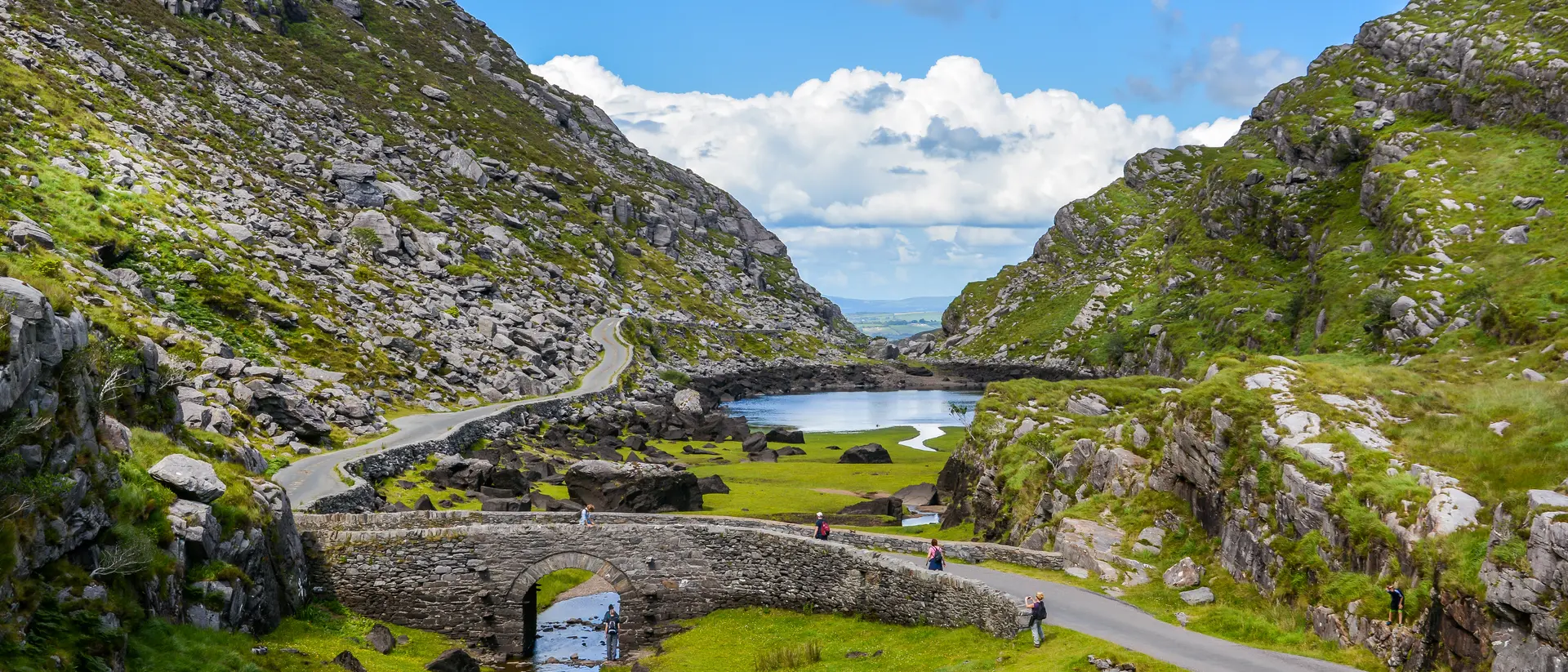
Popular vacation spots in Ireland include Dublin for its vibrant city life, Galway for its arts and culture, and the scenic Cliffs of Moher. The Ring of Kerry and the Dingle Peninsula offer breathtaking landscapes, while Belfast in Northern Ireland is famous for its rich history and the Titanic Museum. A Goway Destination Specialist can help tailor your vacation to your interests.
Ireland Travel Information
Not sure which theme is right for you?
Insider Travel Tips
Blessed with a rich history, breathtaking landscapes, and warm, inviting people, Ireland has been welcoming travellers from all over the world for centuries, delighting them with its unique array of music, dance, food, stories, and scenery.
Getting to know the Emerald Isle is to slowly peel back the layers of time and uncover a land steeped in tradition. But the country is also a modern one, defined by a youthful population and outgoing attitude.
To make the most of your Irish adventure, talk to one of our Destination Specialists today for insider tips and advice. Whether it’s your first visit or your fifth, we can help craft the perfect Ireland getaway for you.
Practical Information for Ireland
Most travellers to Ireland do not require a visa for stays of less than 90 days. A valid passport, however, must be produced upon entry. Always check ahead of your arrival for any changes to travel requirements.
Although relatively small, Ireland boasts a diverse range of regions and sites to explore, from the 1,600-mile Wild Atlantic Way and towering Cliffs of Moher to the unique limestone landscape of The Burren and scenic Ring of Kerry.
Credit and debit cards are accepted throughout the country, but it’s wise to carry some cash when visiting rural areas. The currency in Ireland, which is a member of the European Union, is the euro.
While not mandatory, tips of 10 to 15 percent are appreciated for good service in restaurants. As a rule, Irish tap water is considered safe to drink.
Safety and Respect in Ireland
While Ireland is considered a very safe destination on the whole, travellers should follow basic safety rules when visiting, such as keeping passports and wallets in a secure place, being mindful of valuables in crowds, and avoiding deserted areas at night.
When sightseeing in Ireland, always maintain a quiet, respectful demeanor, particularly at religious or historical sites. This includes dressing modestly in churches and asking permission before taking photos of people. At cliffs and ruins, always follow the safety signs, and do not climb on protected walls.
If you’re driving, give a friendly wave or raise a finger from the steering wheel to acknowledge passing cars on narrow roads (and remember that people in Ireland drive on the left). Never leave valuables in rental cars, particularly in tourist hotspots. If taking public transport, thank the driver when leaving.
Culture and Customs in Ireland
One of the cornerstones of Irish social life is the pub, which serves as a cozy, welcoming community hub centered on “craic” (defined as good conversation or fun in general) rather than just drinking.
Key elements of pub culture include live traditional music, pouring the perfect pint of Guinness, and casual, no-table-service ordering. Generally, you order at the bar rather than at the table; gratuities are not expected for just a drink, but rounding up or tipping for great service is appreciated.
Another important element is the “round” system: If you are with a group, it is essential to buy a "round" of drinks for everyone, and expect others to buy one for you. Skipping your turn is considered bad form.
In general, keep conversations casual and light, avoiding subjects such as “the Troubles.” For more on Irish values and norms, visit our Irish Culture and Traditions page.
Seasonal Advice for Ireland
Ireland offers unique, year-round travel experiences, with spring (March to May) boasting blooming landscapes and St. Patrick’s Day festivities, and summer (June to August) bringing long, warm days perfect for coastal drives and sightseeing.
Autumn (September to November) offers vibrant, quieter landscapes, stunning fall foliage in Killarney National Park, and the opportunity to spot migrating whales along the south and west coasts, including the Dingle Peninsula.
While snow is rare in Ireland, winter (December to February) provides cozy, fire-lit pub nights and dramatic storm-swept coastlines. With fewer tourists in cities such as Dublin and Cork, it is also an ideal time to explore museums, galleries, and castles.
For more on the season that may be right for you, consult our guide on the best time to visit Ireland.
Must-Sees for First-Time Travellers to Ireland
The ideal first trip to Ireland includes a mix of urban culture and history, dramatic coastal scenery, and visits to ancient castles. Among the must-see spots on such an itinerary are Trinity College and the Guinness Storehouse in Dublin, the majestic Cliffs of Moher, the scenic Ring of Kerry, and the vibrant cities of Galway and Cork (not far from which is Blarney Castle).
In addition to seeing the Book of Kells at Trinity College, key stops in Dublin include the historic Kilmainham Gaol and the lively atmosphere of the Temple Bar district.
Located in County Clare, the Cliffs of Moher are Ireland's most famous natural wonder, offering breathtaking, sheer drops into the Atlantic Ocean.
The Ring of Kerry, located in County Kerry, is a stunning, 179-kilometre scenic drive through coastal landscapes, rugged mountains, and beautiful Killarney National Park.
In addition to being a vibrant, artistic city known for its live music and street performers, Galway offers easy access to the dramatic, untamed landscapes of Connemara.
And Blarney Castle, located near the city of Cork, is the place to kiss the famous Blarney Stone to gain the “gift of the gab.”
To pick out an itinerary ideal for you, check out our tailor-made Irish vacation packages.
Food and Dining in Ireland
Meals in Ireland are centered on high-quality, locally sourced ingredients, often featuring hearty comfort dishes like Irish stew, fresh seafood chowder, bacon and cabbage, and fresh soda bread.
Potatoes are a staple, served in many forms (mashed, boiled, champ), while breakfasts are famously filling (a Full Irish Breakfast consists of fried eggs, bacon, sausages, black and white pudding, tomatoes, and mushrooms, along with soda bread).
Locally distilled whiskey and beer, including such famous brands as Jameson’s and Guinness, are internationally acclaimed. If you’re invited to a private home for dinner or drinks, a small gift, such as chocolates or wine, is appreciated. Traditionally, a first toast is offered by the host as a welcome to guests. Toasts offered by others start during the dessert course.
In public venues, tipping isn’t mandatory or expected to the same level that it is in North America, but it is appreciated for good service. A gratuity of 10 to 15 percent is customary in restaurants, while rounding up or leaving a few coins is common for bartenders. Tips are generally given as a “thank you” for service, not to supplement low wages.
For more on Ireland’s gastronomic scene, explore our Irish food and drink page.
Plan Your Tailor-Made Irish Vacation with Goway
Whether your ideal trip to Ireland involves a stay at a manor house in Galway or a personalized pub crawl through the country's dynamic capital, Goway can make your wishes a reality.
Our Destination Specialists have the local knowledge and experience to tailor your vacation to your interests and tastes.
Plan your custom Ireland adventure with us today.
Featured Ireland Trip Ideas
Ireland Travel PackagesUnforgettable Ireland
Dublin, Galway, Cliffs of Moher, Limerick, Ring of Kerry, and Dingle PeninsulaDiscover Ireland’s lush countryside and rugged coasts on this great value small group coach tour, staying in 4-star hotels with expert guides throughout.
8 days
From US$2,327/p.p.
Request a Quote
British Isles Sampler: Dublin, Edinburgh & London
London, Big Ben, Buckingham Palace, Tower Bridge, Scottish Lowlands, Edinburgh, Edinburgh Castle, and DublinVenture through the enchanting landscapes of the British Isles, where Dublin’s warm hospitality meets Edinburgh’s historic charm, culminating in London’s pulse.
9 days
From US$2,610/p.p.
Request a Quote
Royal Atlantic Ireland by Rail & Coach
Galway, Cliffs of Moher, Ring of Kerry, and Dingle PeninsulaExperience a adventure across Ireland, starting in Dublin and journeying through Cork, Blarney, the scenic Ring of Kerry, Cliffs of Moher, and ending in the bohemian Galway.
5 days
From US$2,125/p.p.
Request a Quote
Unforgettable Ireland
Dublin, Galway, Cliffs of Moher, Limerick, Ring of Kerry, and Dingle PeninsulaDiscover Ireland’s lush countryside and rugged coasts on this great value small group coach tour, staying in 4-star hotels with expert guides throughout.
8 days
From US$2,327/p.p.
Request a Quote
British Isles Sampler: Dublin, Edinburgh & London
London, Big Ben, Buckingham Palace, Tower Bridge, Scottish Lowlands, Edinburgh, Edinburgh Castle, and DublinVenture through the enchanting landscapes of the British Isles, where Dublin’s warm hospitality meets Edinburgh’s historic charm, culminating in London’s pulse.
9 days
From US$2,610/p.p.
Request a Quote
Royal Atlantic Ireland by Rail & Coach
Galway, Cliffs of Moher, Ring of Kerry, and Dingle PeninsulaExperience a adventure across Ireland, starting in Dublin and journeying through Cork, Blarney, the scenic Ring of Kerry, Cliffs of Moher, and ending in the bohemian Galway.
5 days
From US$2,125/p.p.
Request a Quote
Travel Stories
Get inspired about Your Trip to Ireland
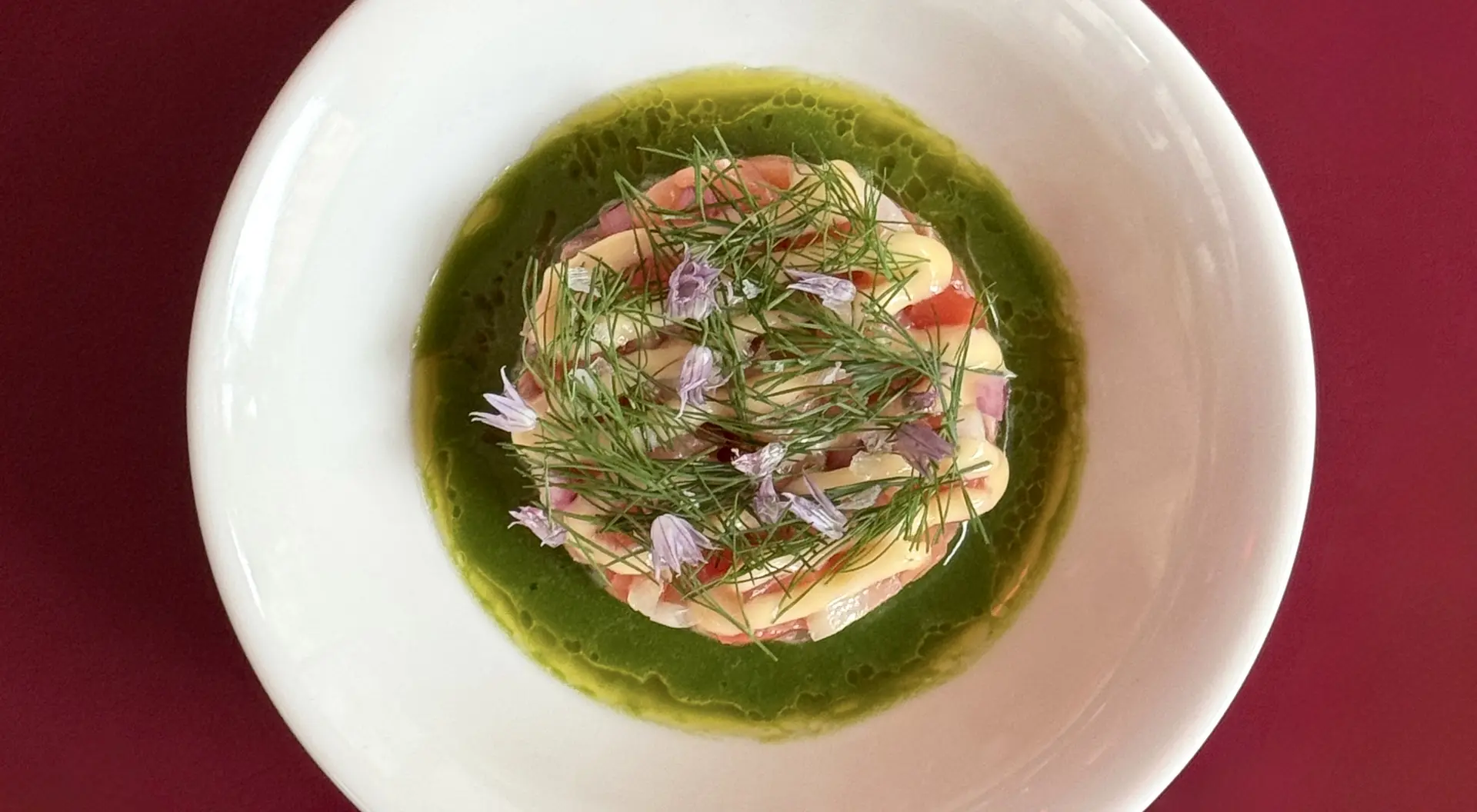
The Bounty of Budapest
Just after the server slid the bowl in front of me, my glasses began steaming up. The fumes, laden with the scent of rich beef and sweet, peppery papr...
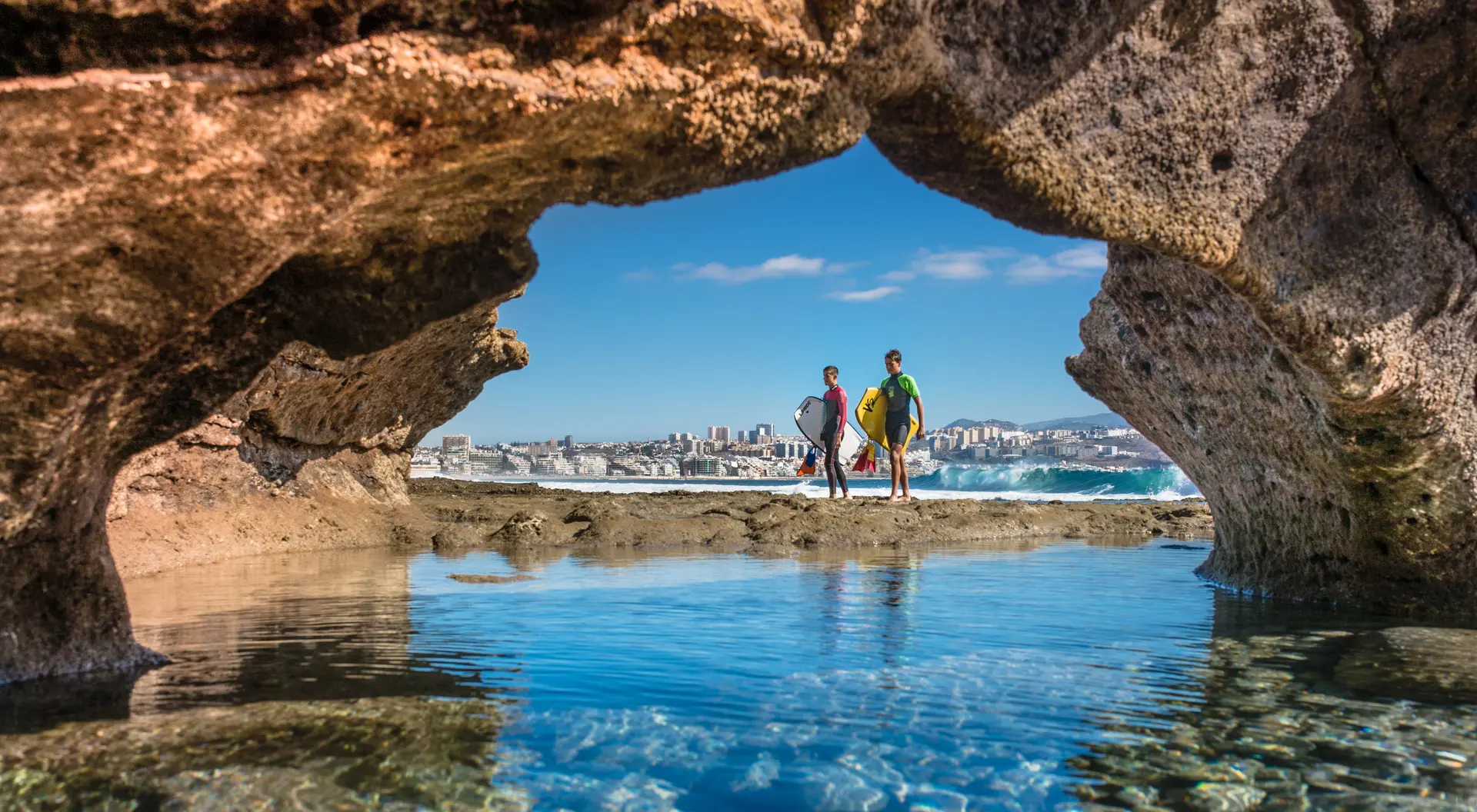
8 Reasons to Book a Trip to Gran Canaria
If you ask North American globetrotters to name their dream Spanish destination, they'll likely tell you about the Gaudí spires of Barcelona, the gall...
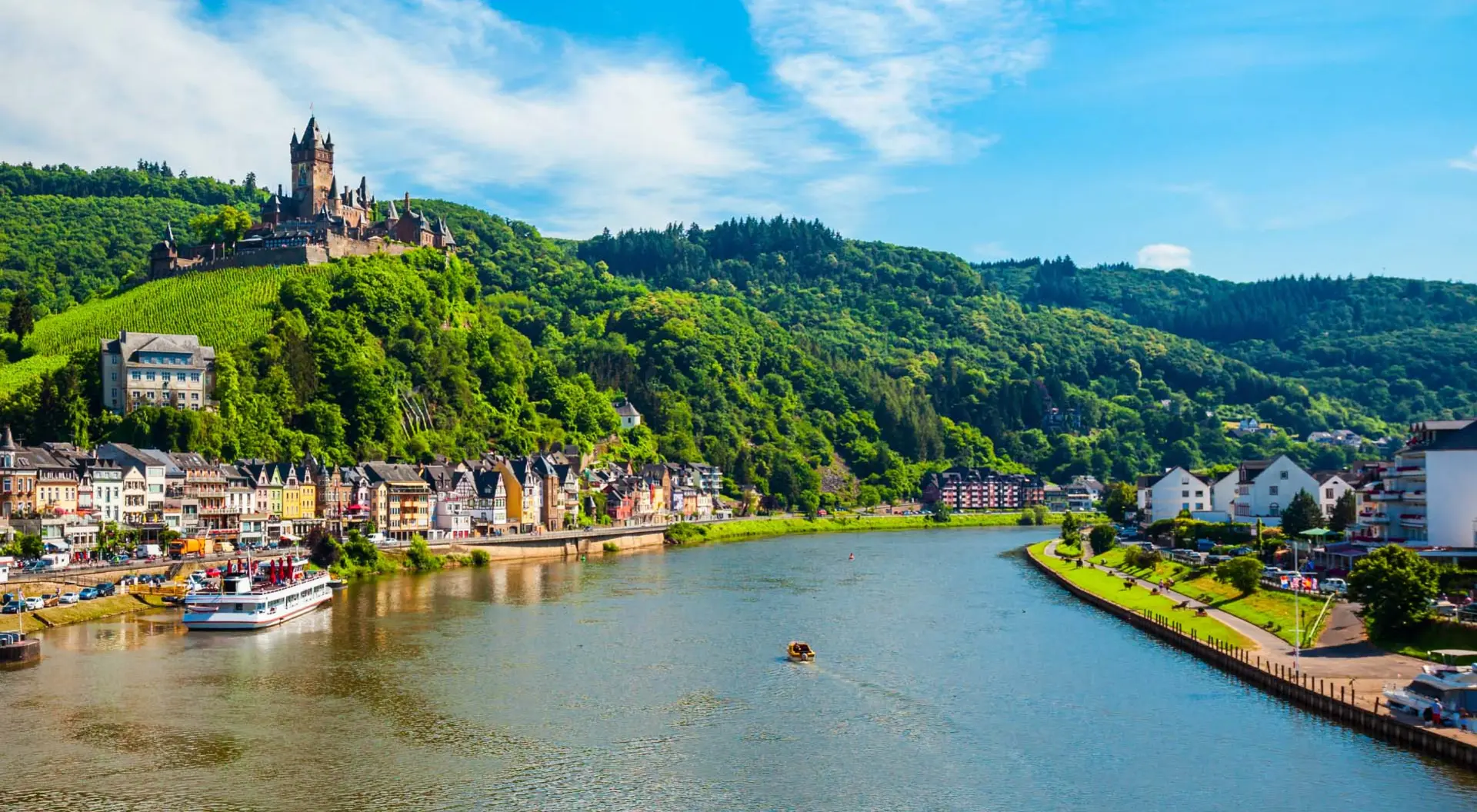
Ask a Travel Expert: European River Cruising
Cruising remains one of the most popular travel styles, but European river cruising isn’t quite the same as boutique island cruises or the big ocean l...
Frequently Asked Questions
Where to vacation in Ireland?
How much does a vacation to Ireland cost?
The cost of a vacation to Ireland varies depending on the duration and type of trip. On average, a 7 to 10-day trip can cost around $2,000 to $3,000 USD per person, excluding international accommodations and transportation.
What is there to do in Ireland on vacation?
Ireland offers a wide range of activities including exploring historic castles, visiting the Guinness Storehouse in Dublin, hiking in the Wicklow Mountains, and experiencing traditional Irish music in local pubs. Other must-do activities include touring the Wild Atlantic Way, visiting the Giant's Causeway, and exploring the ancient site of Newgrange. To learn more about what you can do, peruse Goway's Ireland vacation and travel packages.
How many days to tour Ireland?
A comprehensive tour of Ireland typically requires 7 to 10 days. This allows time to explore major cities, visit key attractions, and enjoy the scenic countryside. For a more in-depth experience beyond the typical tourist sites, consider a longer stay.
Where is the Game of Thrones tour in Ireland?
The Game of Thrones tour in Ireland primarily takes place in Northern Ireland. Key locations include the Dark Hedges, Ballintoy Harbour, and the Cushendun Caves. Tours often start from Belfast and include transportation to these iconic filming locations.
How long can you stay in Ireland?
Visitors from Canada, the US, and many other countries can stay in Ireland for up to 90 days without a visa. If you plan to stay longer, you will need to apply for the appropriate visa.
Is Ireland LGBTQ+ friendly?
Ireland is generally LGBTQ+ friendly, particularly in larger cities like Dublin and Galway, which host annual pride events and have vibrant LGBTQ+ communities.
Do I need to tip in Ireland?
Modest tipping in Ireland is customary but not as ingrained as it is in some other countries. A gratuity of 10 to 15 percent is appreciated for good service in restaurants. Round up when paying bartenders and taxi drivers.
What currency does Ireland use?
Ireland uses the Euro (€). Credit and debit cards are widely accepted, but it’s a good idea to carry some cash for small purchases or in rural areas. In Northern Ireland, the British Pound Sterling (£) is used.
Can I drink the tap water in Ireland?
Yes, the tap water in Ireland is safe to drink and of high quality. It is safe to use for drinking, cooking, and brushing teeth.
Do U.S. citizens need ETA to enter Ireland?
U.S. citizens do not currently need an ETA to enter the Republic of Ireland for trips of up to 90 days, but they do need a UK Electronic Travel Authorisation if they plan to visit or travel through Northern Ireland. Always check travel requirements before your trip.
What do I not do as a tourist in Ireland?
Do not refer to Ireland as part of the U.K., make leprechaun jokes, or discuss “the Troubles.” In pubs, don’t expect table service (always order at the bar) or avoid buying a round. In the countryside, always follow safety signs, do not climb protective walls, and respect private land.
What should I bring on a trip to Ireland?
A waterproof jacket, water-repellent walking shoes, and layers you can easily add or remove are key. A versatile zippered bag for days out and a Type G power adapter (which has three rectangular pins, same as the U.K.) are also advisable.
Ireland Travel Information
Not sure which theme is right for you?
Unlock more by subscribing to our newsletter.
With our newsletter, you’ll get access to regular communications that inspire you and help you explore the world your way.Exclusive Savings
Insider Benefits
Trending Stories

ExcellentBased on 5,300 ReviewsJacqueline Fagioli from Goaway Travel is excellent and very helpful and supportive. VenessaOur travel agent, Melissa Moses, created the perfect itinerary for our recent holiday to Portugal. Melissa had also planned our previous trip to England/Scotland. We have a great deal of confidence in her ability as she really listens to what we are looking for and she caters the plans according to our comfort levels and interests. customerJacqueline F. made our trip exceptional. Everything she planned or reserved worked out as it was supposed to. Croatia was amazing and I feel we were able to explore a lot of it because of Jacqueline.AllenThis was the first time we had utilized Goway. We wanted a custom itinerary for a 3 week Italy, Athens and Greek Island adventure. Edwina Brislane was receptive to our goals for the trip, had helpful suggestions and reacted well to our requested revisions. Lisa Dachuk helped "tie a ribbon" on the trip and ensured we had considered all aspects of the experience. Lisa dealt quickly with a couple of requests while on the trip and celebrated a successful trip with us.
We enjoyed working with both Edwina and Lisa. Their knowledge and enthusiasm contributed to our very memorable trip.Dan & GailI had a great experience booking Australia and New Zealand trip through Goway Travel. Lori Mezzoro was very helpful and organized. All the recommendations she made were very good. I had a great trip with my kids.LauraI recently traveled to Greece with friends, and our entire experience was exceptional thanks to the planning support we received from Avery at GoWay. Every part of our itinerary was organized with care, accuracy, and great attention to detail.
Our accommodations — Hera Hotel Athens and Sofitel Athens Airport — were comfortable, well‑located, and exactly what we needed. All airfares from Calgary and the multiple transfers (airport to city centre, city centre to Piraeus Port, and back again) were perfectly coordinated and made the trip completely stress‑free.
The 7‑night Idyllic Aegean Cruise was a major highlight. It was beautifully arranged and gave us an unforgettable way to explore the islands. Our excursions were equally impressive:
Skip‑the‑Line Acropolis & Acropolis Museum timed entry, which made sightseeing smooth and efficient
Classical Greece: Olympia, Delphi & Meteora, a breathtaking and well‑paced journey through some of Greece’s most iconic historical sites
Avery was consistently responsive, knowledgeable, and proactive throughout the planning process. Every confirmation, transfer, and timing detail was handled flawlessly, allowing us to simply enjoy the trip without worrying about logistics.
I highly recommend GoWay Travel — and especially Avery — for anyone planning a trip to Greece. This was one of the best travel experiences I’ve had, thanks to their outstanding service and organization.LorraineMy husband and I just returned from a wonderful 2 week trip to Chile, South America arranged for us by Goway Travel. Every detail of the trip was outstanding. The hotel choices were perfect for us as were the tours Goway arranged. All the guides were prompt, friendly and very knowledgeable. Our Destination Specialist, Karen Larrota, did an fantastic job setting up the itinerary. Communication with her during the booking process was excellent. The Goway customer service team reached out to us several times during the trip (as did Karen) which was very reassuring.
We have traveled with Goway previously and will surely do so again. Regina ChaplesAn Extraordinary Tour Guide in Xi’an China Leo a blessing we will never forget
There are some people who come into your life and leave footprints on your heart that will last forever, Leo was one of those people for us.
My husband, Keith, and I dreamed of visiting China for more than 30 years and Leo helped make that dream an unforgettable blessing. He was more than a tour guide. He was a wonderful teacher, a caring soul, and a blessing from God.
His knowledge of Chinese history and culture was remarkable from the terra-cotta warriors to the ANCIENT city wall, the Monastery, and the local art gallery, Leo brought every experience to life. He taught us so much and helped us appreciate the beauty and history of China in ways we will never forget.
What touched me most was his compassion for my husband Keith, knowing Keith had difficult breathing and walking long distance and walking Leo thoughtfully arranged a wheelchair so he could enjoy the journey with everyone that kindness meant more to me than words can express
Leo patience, professionalism kindness and genuine care for our group. May every moment special. He make sure we were comfortable learned something new and enjoyed authentic Chinese food and created memories we will cherish for a lifetime
I truly believe God placed special people in our lives for a reason, and Leo was certainly one of those blessings for our group. We are forever grateful for the knowledge, laughter, compassion, and beautiful memorial. He gave us
I recommend Leo wholeheartedly, to anyone visiting Xi’an China. You will leave with more than photograph you will leave, with knowledge appreciation, and memories that stay in your heart forever
Leo may God continue to bless you, protect you, and guide you as you touch the lives of travelers from around the world. Thank you for being such a beautiful part of our China story. You will never be forgotten
With love and gratitude
Lisa & KeithLisa PaulMy wife and I have just returned from our 5th trip with Goway. Once again everything ran smoothly from first day to last. This trip was the 9 day all Ireland tour which covered both north & south Ireland. The tour was operated by Rabbies tours whom we used in Scotland and the 16 passenger van only had 6 passengers including us.Other than a couple of days the weather was prety good although the wind did get a bit wild. The pub food was delicious & i got a taste for real Guiness. We spent a few extra days in Dublin and found it very expensive, the excange rate didn't help. Our travel consultant Jaqueline personalised the trip and was very helpful. George CroomeWe were able to see the perfect amount of sites during our nearly 3 weeks in Australia. Sam Day was extremely knowledgable about every step of the travel process. He was incredibly patient with all the demand my wife and me had. We really look forward to using his services again.Alan Rosenberg
Verified
Verified
Verified
Verified
Verified
Verified
Verified
Verified
Verified
Verified