Insider Travel Tips
From Viking legacies to modern independence, Estonia's rich history unfolds.
Set between Latvia and the Gulf of Finland, Estonia is where medieval charm meets modern living. The northernmost of the three Baltic nations blends folk traditions and innovation, offering fairytale towns, vast forests, and creative communities.
More than half the country is covered by woodland, with six national parks showcasing its wild beauty. Paddle through the flooded meadows of Soomaa National Park during the “fifth season” between March and April, unwind on Pärnu’s beaches in the summer, forage for mushrooms and spot brown bears in the fall, and try bog snowshoeing and snowkiting in the winter.
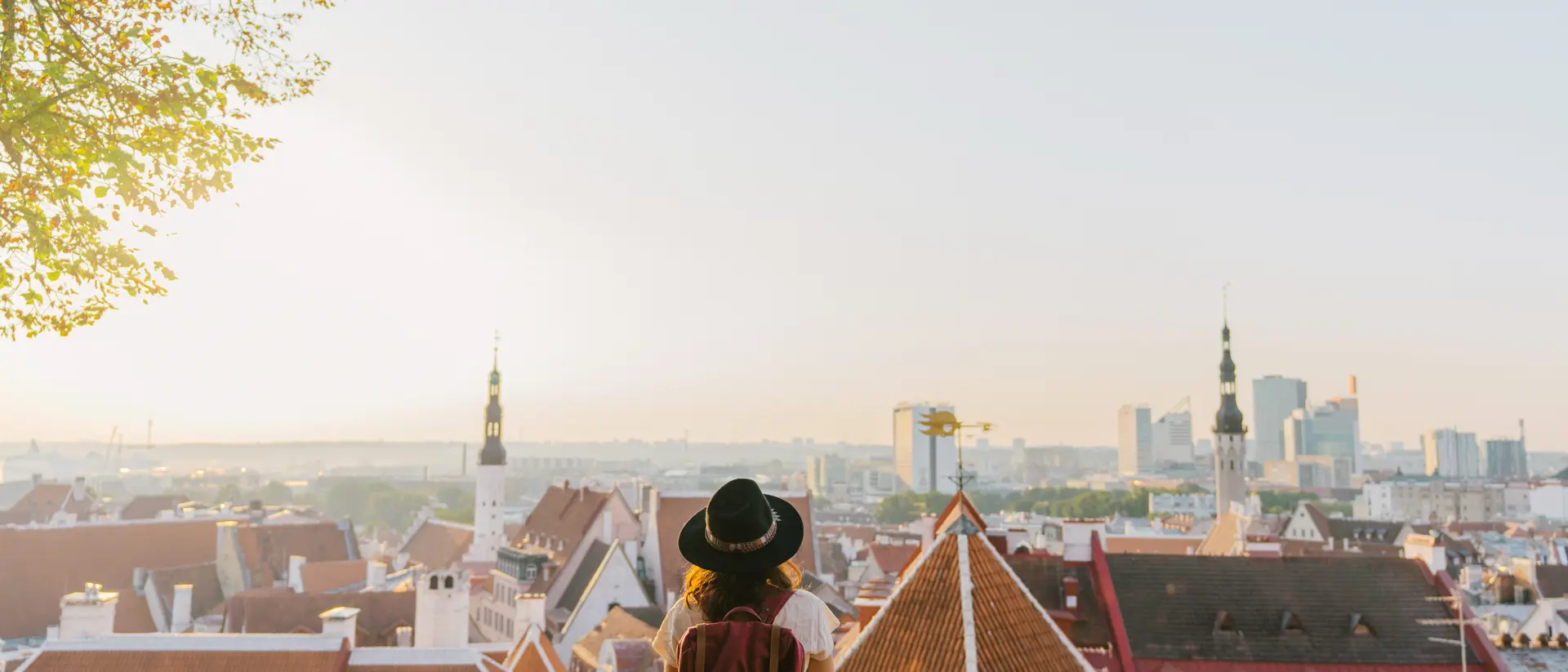
Most trips start in Tallinn, Estonia’s capital city and historical heart. Its main draw is its UNESCO-listed Old Town, which ranks among the best-preserved medieval towns in Northern Europe.
Despite its many relics, Estonia is one of the most digitally advanced nations in the world. Since regaining its independence from the Soviet Union in 1991, it has become a digital trailblazer, becoming the first country to declare internet access a human right. Visitors enjoy free Wi-Fi in major cities, seamless cashless payments, and even robot food deliveries.
Plan your tailor-made Estonia vacation with Goway today and discover the country’s modern and medieval facets for yourself.
Entry & Practical Info
Beyond the basics, there are a few essential things to know before going to Estonia that will make your trip all the more enjoyable.
Estonia visa requirements vary depending on your nationality. Since the country is part of the European Union and the Schengen Area, many travellers—including citizens of Canada, the U.S., the U.K., and Australia—can enter visa-free for up to 90 days within a 180-day period. Your passport should be valid for at least six months beyond your departure, issued within the last 10 years, and have at least two blank pages. Starting in 2026, some visa-exempt travellers will need to fill out an ETIAS (Electronic Travel Information Authorization System) form before arrival.
Most flights arrive at Tallinn’s Lennart Meri Airport, just 4 kilometres southeast of the city centre. The country’s reliable rail network and ferries make it easy to get around.
The official language is Estonian, which is similar to Finnish, but English is widely spoken. In addition to widespread Wi-Fi, eSIM cards make staying connected easy.
The euro is used nationwide, ATMs are plentiful in cities, and credit cards are accepted at most hotels and restaurants. One key Estonia travel tip: the country uses Type C and F plugs (230V, 50Hz), so pack a universal adapter—especially if you’re visiting other European countries on your trip.
Health, Safety & Comfort
Estonia is one of Europe’s safest destinations, with low crime rates, reliable healthcare, and excellent infrastructure. Tap water is safe to drink throughout the country, so bring a water bottle to embrace Estonia’s eco-friendly ethos. Travellers should also carry comprehensive travel insurance that includes medical coverage in case of unforeseen illnesses or accidents.
Like all countries, petty theft can occur in crowded areas, so make sure your valuables are secure and avoid carrying large amounts of cash. Solo travellers generally find Estonia safe, though standard precautions still apply. In an emergency, dial 112.
Pedestrians are required by law to wear reflectors after dark due to limited visibility on rural roads. These small accessories can be purchased inexpensively in most supermarkets or souvenir shops.
Whether you’re looking for personalized Estonia travel advice or on-the-ground support, Goway travellers enjoy 24/7 local assistance and expert guidance throughout their stay.
Cultural Etiquette & Local Customs
With one of the lowest population densities in Europe, Estonia offers ample breathing room, which is something locals cherish. Personal space and privacy are valued, so keep a polite distance in conversation and avoid overly familiar gestures with strangers. Estonians may seem reserved at first, but they are quick to warm up once you get to know them. Punctuality is important, so arriving on time for tours helps make a good first impression.
Quietude is treasured here, especially in nature. Respect the landscape by keeping noise to a minimum and following “leave no trace” principles to minimize your impact on the environment.
Saunas play an essential role in Estonian culture. According to a recent census, there are over 100,000 saunas for just 1.3 million people. The social ritual has its own customs: rinse off before and after, close the door promptly, and sit on a towel for hygienic reasons. It’s common and expected to wear a swimsuit in mixed-gender saunas.
Learning and using a few Estonian words, such as tere (hello), palun (please), and aitäh (thank you), is always appreciated.
Weather & When to Go
Estonia has a northern Baltic climate, with mild summers and cold, snowy winters.
The best time to visit Estonia depends on your preferences, as the country has year-round draws. Summer (June to August) offers pleasant temperatures between 16°C and 20°C, with occasional highs of up to 30°C. These warm, long days are perfect for hiking, cycling, and swimming. Festivals abound, including Jaanipäev (Midsummer) on June 23, celebrated with bonfires, folk music, and traditional food.
Autumn (September to November) brings vibrant fall colours and foraging adventures. Wildlife enthusiasts can spot brown bears in Alutaguse National Park, while design lovers can attend Tallinn’s Disainiöö festival.
Winter (December to February) turns cities into festive wonderlands, with Christmas markets and ice rinks bringing cheer to darker, colder days. Pärnu’s flat, windy coastline is ideal for snowkiting, and small ski resorts offer downhill and cross-country options.
Spring (March to May) often comes with unpredictable weather but also rewarding experiences in nature, such as canoeing in flooded forests and migratory bird-watching.
Regional Highlights for First-Time Visitors
From storybook cities to serene islands, Estonia offers a delightful mix of culture, history, and nature.
Tallinn
Wander the capital city’s cobblestoned Old Town, admire medieval towers like Kiek in de Kök, or plan your visit around festivals like the Song and Dance Celebration (typically held every five years in Tallinn) or the Tallinn Christmas Markets.
Pärnu
Estonia’s top seaside resort city offers sandy beaches, a scenic promenade, charming cafés, and historic monuments. Visit in the summer to make the most of your time on the coast.
Tartu
Home to Estonia’s oldest and most prestigious university, Tartu bursts with youthful energy and history. Visit the AHHAA Science Center, climb the ruins of the Tartu Cathedral for panoramic views, and explore the Estonian National Museum.
Saaremaa
Estonia’s largest island is a haven for nature lovers, birdwatchers, and spa enthusiasts. Kuressaare, the main city, boasts historic architecture, spa hotels, and a peaceful atmosphere for a restorative getaway.
Vilsandi Island
Vilsandi Island and its national park are home to tens of thousands of seabirds and Estonia’s largest grey seal colony. Boat transfers must be arranged in advance, but once there, you can hike through meadows and discover rare flora, including 30 species of orchid.
Otepää
Estonia’s winter capital, Otepää, offers skiing, snowboarding, and cozy chalets. In the summer, explore hiking trails through Otepää Nature Park or traverse the forest canopy walkways at Otepää Adventure Park.
Viljandi
A culturally rich small town, Viljandi sits by a scenic lake and hosts many folk music festivals and medieval fairs. It’s a thriving hub for the arts and community events.
Lahemaa National Park
Just 70 kilometres from Tallinn, Lahemaa offers beaches, wetlands, and forests teeming with wildlife, such as bears, lynx, moose, and beavers. It’s an easy day trip from the capital and a must-visit for nature lovers.
Setomaa
This southeastern region preserves the traditions of the Indigenous Seto people. Timing your visit with events like Seto Kingdom Day in August allows you to experience their traditional crafts, colourful clothing, polyphonic singing, and Finno-Ugric language firsthand.
Food & Drink Culture
Influenced by German, Scandinavian, and Russian traditions, Estonian cuisine is both hearty and refined. Guided by a “grow, forage, or hunt” philosophy once born out of necessity, Estonian chefs continue to emphasize freshness and seasonality. As the first Baltic nation recognized by the Michelin Guide, Estonia is also home to a growing number of fine-dining restaurants.
Bread holds a special place at the table, particularly dark rye “black bread,” often served with salted butter. Potatoes, pork, dairy, and fish remain staples, while wild mushrooms and berries add bursts of flavour from the forests. Must-try dishes include mulgipuder, a potato and barley mash often made with fried pork; verivorst, a winter blood sausage served with sauerkraut; kiluvõileib, an open-faced sandwich with sprat fish; and sült, a jellied pork dish.
Many traditional meals can be adapted to different dietary preferences, and Tallinn offers an impressive range of vegetarian, vegan, and gluten-free options. Pair your meal with craft beer, berry wine, or mõdu (honey mead), and finish with some Estonian chocolates. Leaving a 10% tip is customary and appreciated.
Work With a Travel Expert
Discover the beauty of the Baltics with a bespoke vacation in Estonia. Goway’s tailor-made itineraries pair boutique stays with private guided tours that bring the country’s history, culture, and cuisine to life. Step inside medieval castles, wander artisan-lined streets, and forage, hike, or cycle through the nation’s vast forests.
Your journey can easily extend beyond Estonia, connecting Tallinn with nearby Baltic capitals like Riga, Latvia, or Helsinki, Finland. Whether you’re drawn to Christmas markets, medieval architecture, or serene Baltic island escapes, Goway’s experts will ensure every detail is crafted around your passions.
Begin your tailor-made Estonian adventure with Goway.
FAQs
1. Do I need a visa to travel to Estonia?
Whether you need a visa depends on your citizenship, purpose of travel, and length of stay. Estonia is part of the Schengen Area, so travellers from many countries, including Canada, the U.S., the U.K., and Australia, can enter visa-free for up to 90 days within 180 days. To avoid complications, your passport should be valid for at least six months beyond your departure date, have at least two blank pages, and have been issued within the last 10 years. Some travellers, even if visa-exempt, may be required to fill out an ETIAS authorization form before arrival.
2. What are the top cultural etiquette tips in Estonia?
Estonians value punctuality, politeness, and respect for nature. A friendly handshake and direct eye contact are standard greetings. Keep your voice low in public and follow “leave no trace” principles in national parks. When dining out, a 10% tip is customary and appreciated.
3. How safe is Estonia for solo travellers?
Estonia is one of the safest countries in Europe, with low crime rates and a strong sense of community. Solo travellers can explore Tallinn’s Old Town or venture into the countryside confidently. Standard precautions apply: keep valuables secure, be aware of your surroundings, don’t leave drinks unattended in bars, and stick to well-lit, busy streets when walking alone at night.
4. When is the best time to visit Estonia?
The best time to visit Estonia depends on your goals and preferences. Summer (June to August) offers long days, warm weather, and lively festivals. Autumn (September to October) brings colourful foliage and foraging opportunities. Winter (December to February) turns the country into a snow-covered wonderland, ideal for exploring Christmas markets. Spring (April to May) is perfect for nature lovers, with migrating wildlife and Soomaa National Park’s “fifth season,” when flooded forests invite canoe adventures.
5. What foods should I try in Estonia?
Traditional Estonian foods to try include black bread (dark rye bread); mulgipuder (potato and barley mash with pork); verivorst (blood sausage with sauerkraut); pirukas (savoury pastries); kiluvõileib (an open-faced sandwich with marinated sprat fish); and sült (jellied meat). Vegetarians will find plenty of options, including wild mushroom soup and hearty dishes featuring peas, barley, potatoes, and wild greens. For dessert, try handcrafted chocolates, marzipan-based sweets, or desserts made with kama, a blend of roasted grains.
Featured Estonia Trip Ideas
Estonia Travel Packages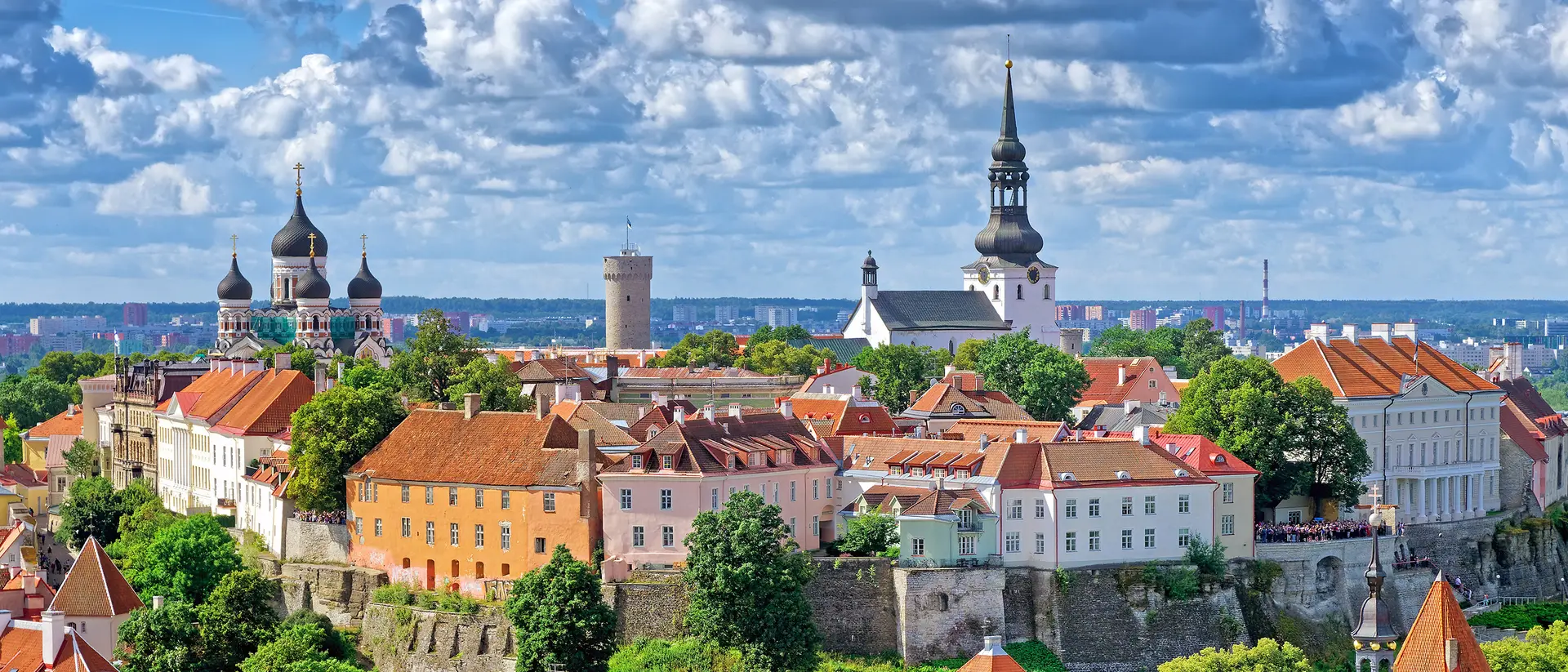
Polish & Baltic Jewels
Tallinn, Riga, Vilnius, Warsaw, and Kraków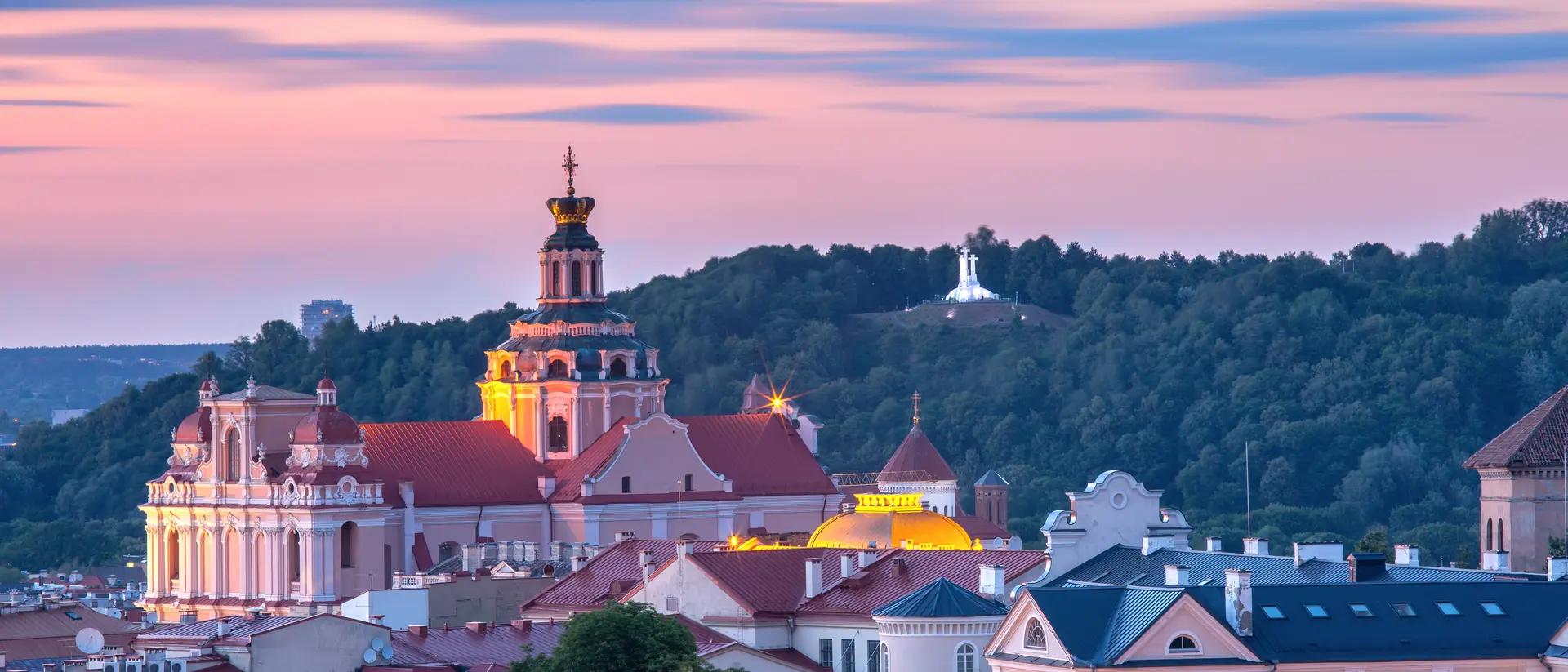
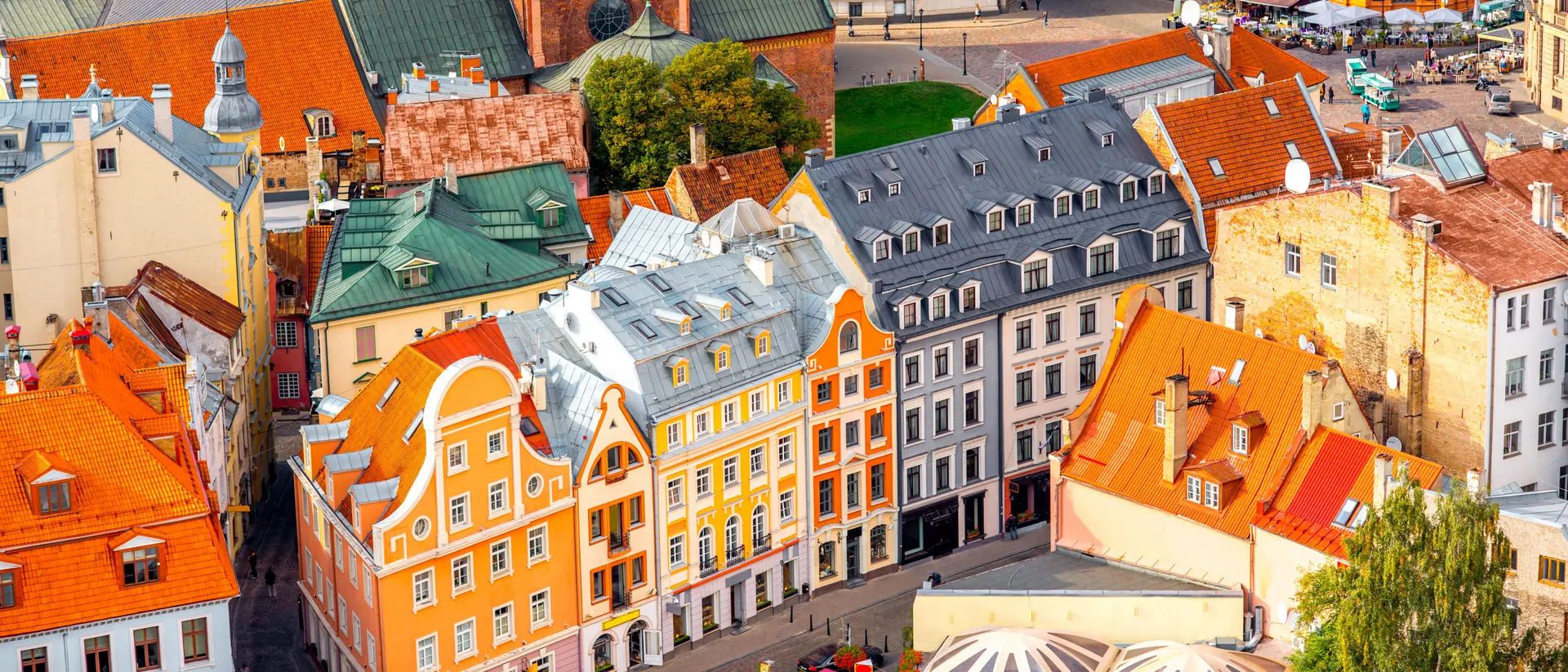
Polish & Baltic Jewels
Tallinn, Riga, Vilnius, Warsaw, and KrakówTravel Stories
Get inspired about Your Trip to Estonia
Just after the server slid the bowl in front of me, my glasses began steaming up. The fumes, laden with the scent of rich beef and sweet, peppery papr...
If you ask North American globetrotters to name their dream Spanish destination, they'll likely tell you about the Gaudí spires of Barcelona, the gall...
Cruising remains one of the most popular travel styles, but European river cruising isn’t quite the same as boutique island cruises or the big ocean l...
Unlock more by subscribing to our newsletter.
With our newsletter, you’ll get access to regular communications that inspire you and help you explore the world your way.