My Wishlist
1.800.557.2841or Contact Your Travel Advisor
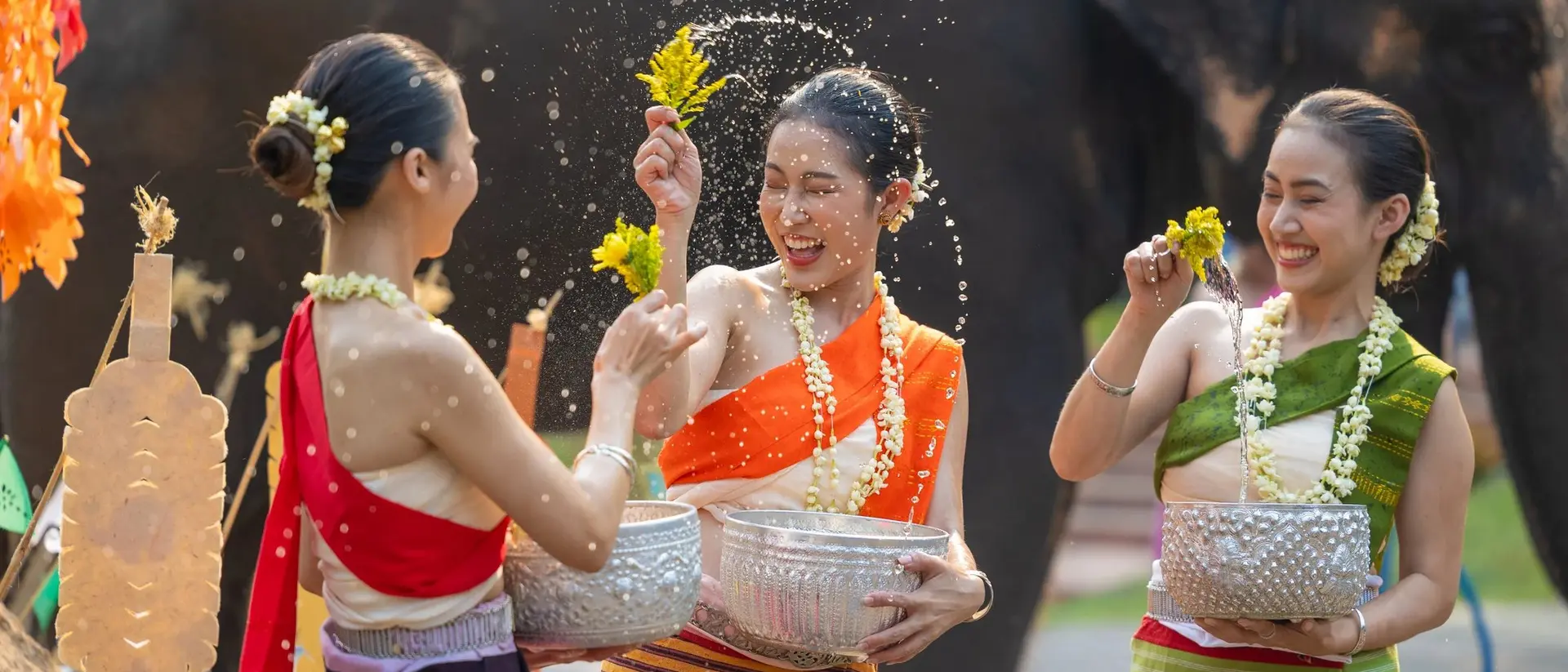
Three women in colorful traditional outfits joyfully splash water while celebrating with an elephant in the background.
Home/Destinations/Asia/Thailand/Culture & Traditions
Not sure which theme is right for you?

Culture & Traditions

Experience the warmth and respect embedded in Thai traditions.

Thailand’s nickname, The Land of Smiles, isn’t just a slogan; it’s something you feel the moment you arrive. Warm hospitality, politeness, and social harmony are deeply ingrained in Thailand’s culture. After all, Theravada Buddhism, the oldest surviving branch of Buddhism, has shaped Thai traditions for nearly 2,000 years. Today, more than 90 percent of the population follows its teachings, which emphasize respect (especially toward monks and elders) along with a calm, gracious approach to everyday life.

Across the country, wats (temples) serve not only as places of worship, but also as cultural and community centres that preserve art, architecture, and spiritual rituals. Travellers are welcome to visit these sacred spaces, whether to admire golden stupas, join a guided tour, or partake in a monk chat that offers insight into Buddhist philosophy. 

Northern Thailand is one of the richest places to explore this heritage. Once the heart of the Lanna Kingdom (active from the 13th to the 18th centuries), the city of Chiang Mai is home to exquisite temples like Wat Phra That Doi Suthep, as well as intricate textiles, woodcarvings, and a distinctive blend of Buddhist and regional traditions.

“Many temples have a dress code, and dressing modestly, with knees and shoulders covered, is a requirement,”Destination Specialist Steve Hope says. “Travellers should also know that Thailand is a monarchy, with a deep reverence among its people for the Royal Family, for traditions, and for history.”

Indeed, Thailand’s respect for hierarchy reaches its most visible expression in the respect it shows its monarchs. The Royal Family plays a central role in national identity, and laws and customs surrounding royal images and traditions are taken seriously. From standing for the royal anthem to preserving historic palaces and sacred sites, this allegiance shapes both public life and cultural continuity. Understanding these nuances adds depth to a visit. 

For a deep dive into the country’s enduring traditions, book a cultural escape to Thailand with Goway today.

Thailand’s Buddhist Heritage and Spiritual Life

Thailand’s Buddhist traditions are deeply ingrained in everyday life. You see them at dawn during almsgiving, when saffron-robed monks walk barefoot through quiet streets, and locals fill their bowls with rice, fruit, and drinks, in a ritual of “making merit” or earning good karma through generosity.

That spiritual foundation is also expressed through Thailand’s extraordinary temples. Multi-tiered roofs rise into sky-pointing finials (chofa), while bell-shaped stupas (chedis) reflect a distinctive blend of Thai, Indian, and Khmer influences. Many are so lavishly detailed they feel almost otherworldly.

In Bangkok, Wat Pho is also one of Thailand’s historical highlights, home to the city’s 46-metre-long Reclining Buddha and the largest collection of Buddha images in Thailand. It’s also the country’s earliest centre of public education, with UNESCO-listed inscriptions, vivid murals, glazed tiles, and labyrinthine courtyards. Within the complex is one of the country’s leading Thai massage schools, where visitors can enjoy a massage or even take a short course.

Northern Thailand offers equally powerful experiences, from meditation retreats to pilgrimage-worthy temples. Wat Phra That Doi Suthep, founded in 1383 on a mountain overlooking Chiang Mai, rewards those who climb its 300-plus Naga steps (or ride the funicular) with a radiant golden stupa, intricate shrines, and sweeping city views.

For a strikingly different take on sacred space, Wat Rong Khun (The White Temple) near Chiang Rai merges Buddhism with contemporary art. Designed by artist Chalermchai Kositpipat in the 1990s, its gleaming white exterior resembles porcelain, while its interior murals, featuring everything from Superman to Hello Kitty, showcase a surreal interpretation of samsara, the cycle of death and rebirth.

Last but not least, says Destination Specialist Leo Liu, Mae Hong Son Province, with its rich hill-tribe culture and breathtaking scenery, is also worth a trek. The remote, mountainous territory borders Myanmar (Burma) in the northwest part of the country.

Thai Festivals and Holidays

Thailand celebrates festivals year-round, but few rival Songkran, the Thai New Year, held each April 13 to 15. During this national holiday, jubilant water fights sweep through cities and villages, with Chiang Mai hosting some of the country’s biggest celebrations. Recognized by UNESCO, the splash-filled festival offers relief from the heat while symbolizing purification and renewal. It also marks the start of the traditional Southeast Asian solar calendar and the end of the dry season following the rice harvest.

Alongside this solar calendar, Thailand also follows a lunar system based on the Buddhist calendar, which determines many religious and traditional observances. In the 12th lunar month, usually in November, Loy Krathong fills rivers and canals with candle-lit lotus baskets floating across the water. Celebrated in Chiang Mai, Bangkok, Sukhothai, and beyond, the festival symbolizes gratitude, spiritual cleansing, and new beginnings, often accompanied by parades, music, and fireworks.

Another major seasonal celebration is the Candle Festival in northeastern Isaan, near Laos, typically held in July. Coinciding with the start of Buddhist Lent (Khao Phansa), elaborate parades of hand-carved beeswax floats depicting the Buddha, mythical figures, and sacred stories wind through the streets of Ubon Ratchathani, blending religious devotion with spectacular craftsmanship.

Thai Royal Influence and Social Etiquette

Thailand’s social etiquette can feel complex at first, but a few guiding principles go a long way. Visitors are expected to show cultural awareness, particularly around religion, the monarchy, and public behaviour. Calmness, courtesy, and restraint are highly valued in daily interactions.

Most Thais greet one another with a wai (hands pressed together with a slight bow, in a gesture adapted from ancient Indian traditions). The wai is used not only as a greeting, but also to show thanks, offer an apology, or acknowledge something sacred, such as when passing a temple. Younger people usually wai first, and the depth of the bow reflects social status. Visitors aren’t expected to master these nuances, but returning a wai to elders or in formal situations is seen as a thoughtful sign of respect. It’s not customary, however, to wai service staff, shopkeepers, or children.

As seen at The Grand Palace, the monarchy plays a powerful role in Thailand’s national identity, and respect for the Royal Family is taken very seriously. Strict lèse-majesté laws prohibit any form of insult or defamation toward the King, Queen, or heir (including on social media) and apply to foreigners as well. Penalties can be severe, so visitors should avoid jokes, criticism, or careless behaviour involving royal images. This includes small gestures, such as never stepping on Thai currency, which bears the King’s portrait. In public spaces, you’ll also be expected to stand for the national anthem, played daily at 8:00 a.m. and 6:00 p.m.

This reverence for hierarchy extends to religious spaces. When visiting temples, modest dress (covered shoulders and knees, loose clothing) is essential. Carrying a lightweight scarf or sarong is useful for quick coverage. Shoes, hats, and sunglasses should be removed before entering. Photography is usually welcome, but avoid using a flash.

Thai body language follows its own set of rules, too. The head is considered sacred, while the feet are viewed as the lowest and least clean part of the body. Never touch someone’s head, point your feet at people or Buddha images, or show the soles of your feet inside a temple. Pointing is considered rude, so remember to gesture with an open palm if necessary. When exploring Thailand’s food and drink scene, remember to only pick up food with your right hand, as the left is considered unclean.

Thai Language and Expression

While English is widely understood in tourist areas, there are a few key Thai phrases you’ll likely use frequently during your trip. 

Hello and goodbye is “Sawasdee,” with men adding “khrup” and women adding “kha” to the end for politeness. 

Similarly, thank you is “Khop khun khrup” (men) or “Khop khun kha” (women). 

Sorry or excuse me is “Khor thot,” again with khrup/kha for courtesy.

Thai is a tonal language, so pronunciation is just as important as the words themselves. A warm smile and a soft, respectful tone will help you communicate effectively and will often make your interactions with locals more meaningful and enjoyable. 

Thailand’s Cultural Experiences with Goway

Thailand rewards those who venture a little deeper—and with the right local expertise, those moments unfold effortlessly.

For starters, picture a spiritual journey that begins in Chiang Mai with a private monk chat and guided meditation at a serene temple. In Chiang Rai, step into a Lanna village to meet Karen hill-tribe artisans and learn the art of traditional weaving.

Down south in Phuket, explore culture through romantic culinary experiences. Shop local markets with a chef, then turn fresh ingredients into classic Thai dishes before wandering Old Phuket Town’s pastel Sino-Portuguese shophouses and historic Chinese schools, now reborn as stylish cafés and restaurants.

These intimate encounters reveal the soul of Thailand, where history, hospitality, and insider access turn every journey into an unforgettable adventure. “Visiting islands and beaches is of course a big part of the Thai experience,” says Destination Specialist Steve Hope, “but taking in the city sites and culture in Bangkok, the old streets of Chiang Mai, the rural villages, and the historic ruins in places like Ayutthaya and Sukhothai provide a fun, enjoyable, and truly fulfilling perspective on Thailand.”

Let Goway craft your custom Thai cultural journey.
Featured Thailand Trip Ideas

Thailand Travel Packages

Classic Vacations

Chiang Mai, Thailand
+1

Classic Thailand: Bangkok, Chiang Mai & Phuket

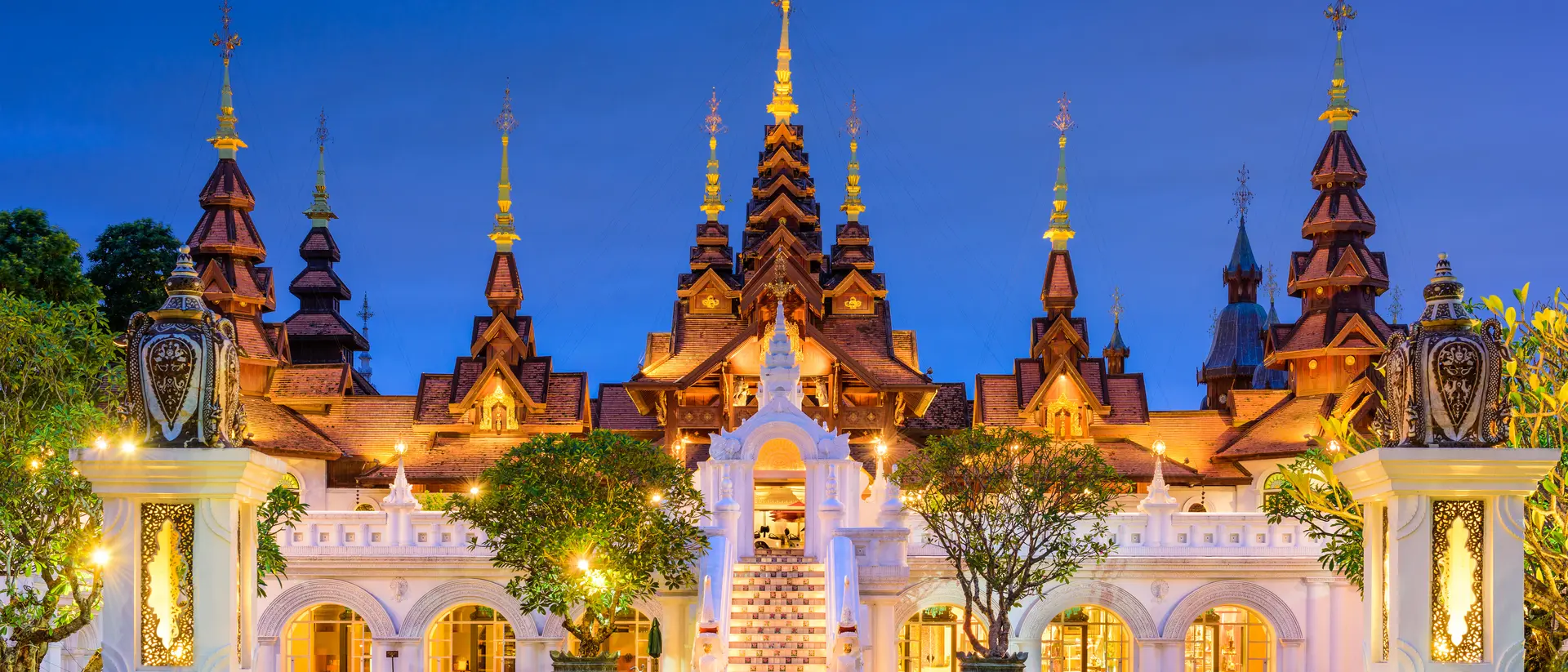
Phuket, Chiang Mai, Bangkok, and The Grand Palace
Discover the beauty of Thailand on this ideal introductory tour, from bustling Bangkok to tranquil Chiang Mai and stunning Phuket. Experience rich culture, ancient temples, and serene beaches on your vacation.
10 days
From US$2,700/p.p.
Request a Quote

Most Popular Vacations

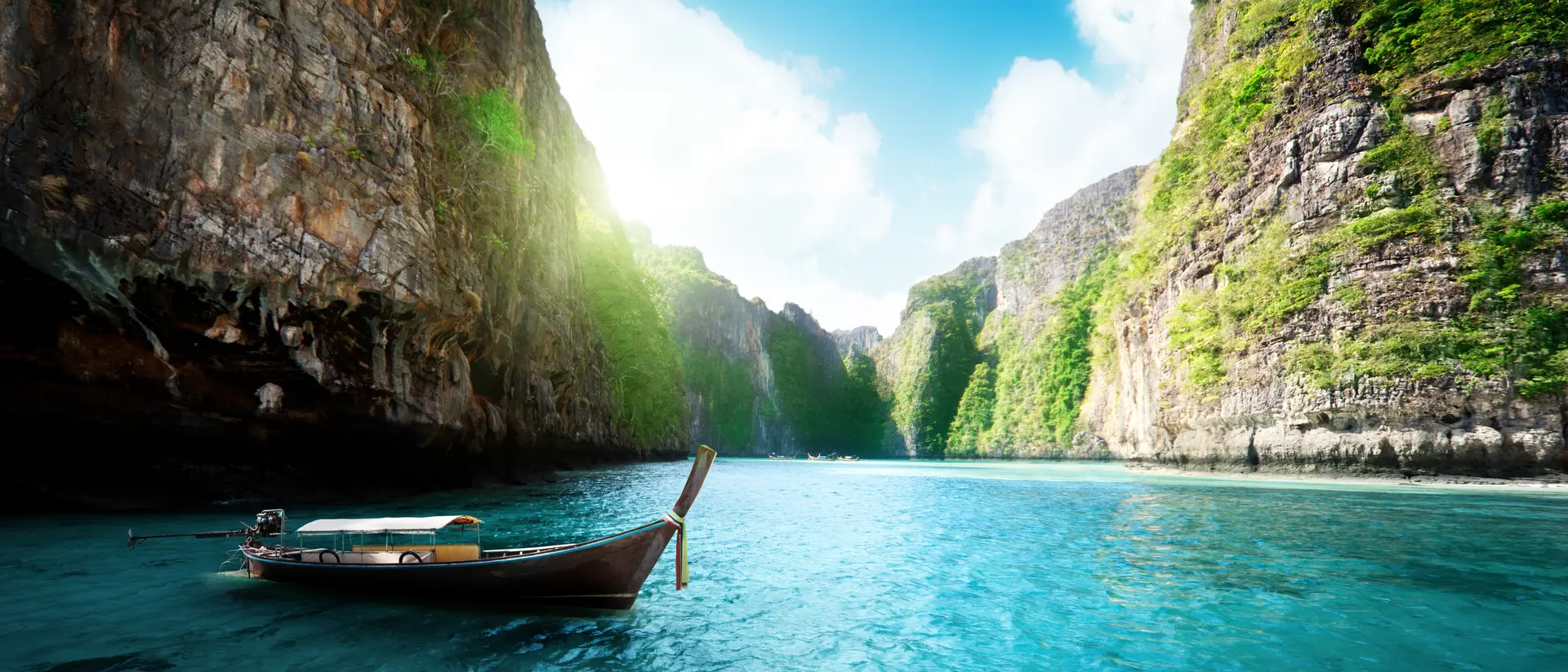
Cruise along the bays of Phi Phi Island
+1

Best of Southern Thailand: Beaches, Jungle & Coastline

Phuket, Phi Phi Island, Krabi, and Khao Lak
Gaze upon the emerald waters and lush greenery of the islands of Southern Thailand as you dive into idyllic beaches, wildlife, and tranquil rainforests.
12 days
From US$3,057/p.p.
Request a Quote
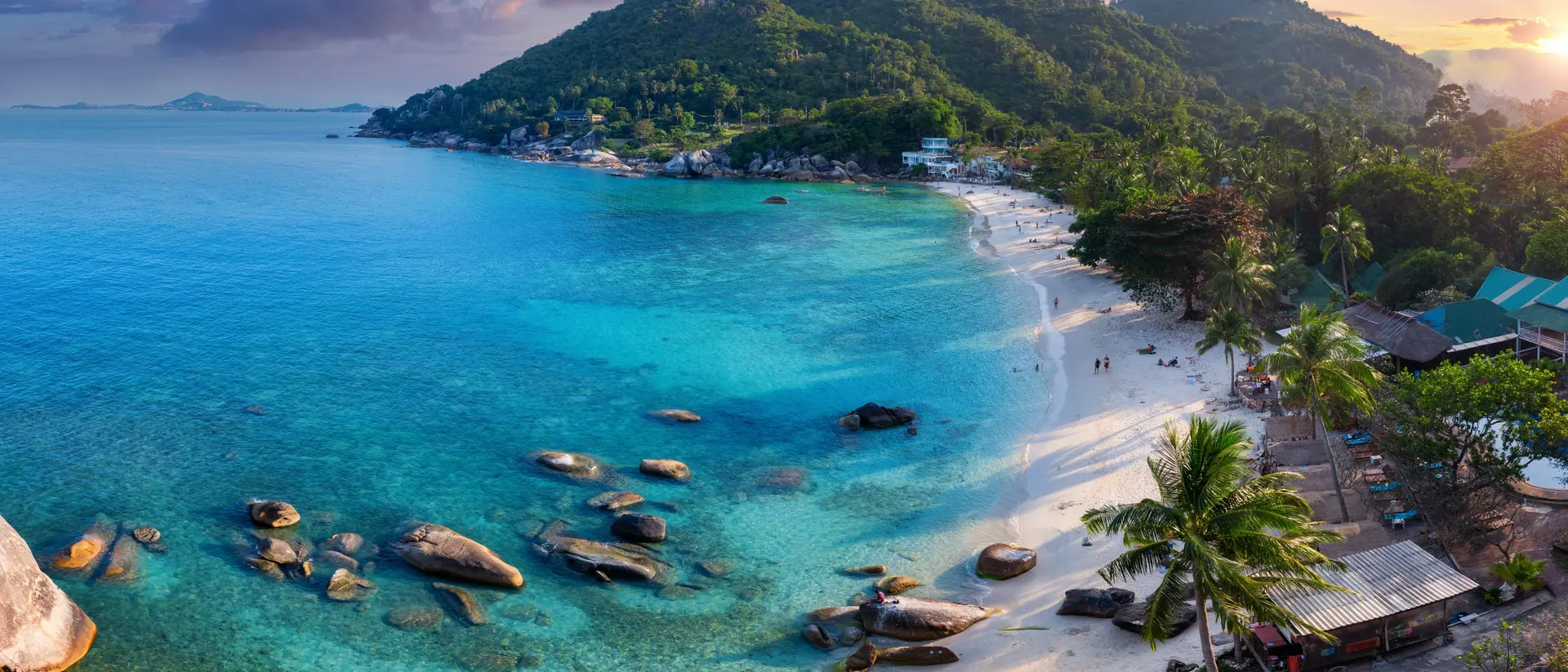
Silver Beach Koh Samui
+1

Thailand Lotus Escape: Bangkok, Koh Samui & Phuket

Phuket, Koh Samui, Bangkok, and The Grand Palace
Ready for a lotus-inspired retreat? Revel in Thailand’s enchanting beauty from Bangkok's majestic temples to Koh Samui's serene beaches, finishing in Phuket.
11 days
From US$3,654/p.p.
Request a Quote

Travel Stories

Get inspired about Your Trip to Thailand

Frequently Asked Questions

Thai etiquette has more nuances than any visitor will be expected to master, but remembering a few simple points will make all the difference. Ask or check with your travel agency if you’re not sure:

  • Always take off your shoes before entering a Thai home or temple, and never step on the threshold. This is said to offend the spirits living there and bring bad luck to residents or worshippers.
  • Despite Thailand’s heat (and captivating beaches), shoulders and knees should always be covered when entering temples or palaces, and avoid having potentially disrespectful graphics on your clothing.
  • Do not touch a Thai person’s head—even a child’s—and don’t point your feet at someone or prop them up on tables. Do not touch monks at all, and give your seat up for them if requested.
  • Absolutely do not insult or make jokes about Thailand’s monarchy. Even stepping on a coin to stop it rolling away can offend, since it features an image of the King. Western versions of the story of Anna Leonowens and the King, including the musical The King and I, are also banned in Thailand.
  • Always ask, and offer a small payment before taking photos of the locals. Even if they always seem to be smiling, this is only polite.
  • Don’t point with your finger. Use your whole hand to indicate something.

trip to Thailand can be many things, including a historic journey, an unforgettable foodie adventure, a shopping spree, a wildlife safari, and a beach getaway. That’s all possible in one trip! Thailand is perhaps most famous for its majestic temples, its deep reverence and love for both its monarchy and spirituality, its spectacular white sand beaches, and most importantly for some, its mouthwatering food. Thailand was also the historic heart of the Ayutthaya and Sukhothai kingdoms, and the western arm of the powerful Khmer empire. Remnants of these civilizations dot the country, luring history buffs from around the world.

The Thai bow, or wai, is done by putting your hands together in a prayer position and giving a small nod. The more respect being shown, the higher the hands are usually placed. Foreigners aren’t expected to wai first, but you should certainly return the gesture if it’s offered. Add the word sawasdee, if you like. You’ll hear this a lot in Thailand, since it means hello, goodbye, thank you, and serves as an apology. 

Many Thai traditions are tied to the country’s spiritual identity and Buddhism. Giving alms to monks is a popular and easy one to take part in, and some Thailand vacation packages will even include an opportunity to do so. The touch of rejuvenating heaven that is a traditional Thai massage can be booked just about anywhere in the country, but is often misunderstood (or mistaken for a sexual service). Simply turn up wearing comfortable, loose-fitting clothes (which remain on throughout the massage), and let the therapist fold, bend, and stretch your tired limbs to utmost relaxation.

Thai people can seem both very friendly and quite reserved, extending a warm welcome while not wanting to seem intrusive or invade your privacy. They value generosity without necessarily expecting anything in return. Expressing strong emotions is frowned upon in Thailand, a principle known as jai yen (a cool heart). Keeping “face” is important, so handle any complaints discreetly and with respect. Thais also tend to practice a “live and let live” philosophy, which has allowed subcultures like the LGBTQ+ community to thrive throughout the country. However, people’s private lives are expected to remain just that. Thais do not tend to express affection or frustration publicly.

You'll hear the Thai language spoken in the streets. Learning a few Thai words and phrases like wai and khop khun ka (thank you) can help you earn respect from the locals. While Thai is the official language, English is widely spoken and is the lingua franca in tourism. English-speaking travellers will find it easy to converse with locals, especially on Thailand tours or in tourism hot spots like Bangkok, Chiang Mai, and the southern islands.

Thailand’s culture is built on respect, social harmony, and reverence for religion and the monarchy. Visitors should dress modestly when visiting temples and royal sites, covering their shoulders and knees, and remove their shoes, hats, and sunglasses before entering.

In Thai culture, the head is considered sacred, while the feet are the lowest and least clean part of the body, so avoid touching anyone’s head or pointing your feet at people, Buddha images, or sacred objects.

Respect for the monarchy is a cornerstone of Thai society that’s protected by law. Images of the King appear on currency, buildings, and public spaces, and even unintentional disrespect (such as stepping on money to stop it from blowing away) is offensive and illegal. Standing for the royal anthem, which plays twice daily in many public places, is another sign of respect that travellers should follow.

Thailand’s wai is a versatile gesture used for greetings, showing respect, and/or apologizing. It is made by pressing the palms together in a prayer-like gesture and bowing slightly. The height of the hands and depth of the bow vary depending on the social status of the person being greeted. Higher hands and a deeper bow show greater respect. Younger or subordinate people typically wai first when greeting elders. Visitors are not expected to master the complex rules of the wai. A smile, nod, or gentle return wai is always appreciated, especially when offered to elders or monks. However, it is not customary to wai service staff, shopkeepers, or children.

Theravada Buddhism impacts nearly every aspect of society in Thailand, from how people greet each other to how they celebrate major holidays. One of Buddhism’s central ideas is “making merit,” which is earning good karma through kindness, generosity, and respectful behaviour. This is why you’ll see people offering food to monks, lighting incense, or donating at temples.

Buddhism also encourages calmness, humility, and emotional restraint, which is why loud arguments or public displays of anger are discouraged. Respect for monks, elders, and teachers is rooted in Buddhist values of hierarchy and gratitude.

Major festivals are tied to Buddhist calendars and lunar cycles. From candlelit processions to floating offerings, these celebrations reflect Buddhist beliefs in purification, renewal, and spiritual balance.

Thailand’s festival calendar offers travellers a chance to experience the country’s rich culture firsthand. Events tied to the monarchy and Buddhist calendar often include rituals, offerings, and public ceremonies that reflect Thailand’s respect for tradition and national identity. The most important festivals are:

Songkran (Thai New Year, in April) 
Known for joyful water fights, Songkran is also a sacred time of cleansing and new beginnings. Water symbolizes washing away the past year’s misfortunes and starting fresh for the new year. Locals visit temples, clean Buddha images, and honour elders alongside the fun. Some of the biggest Songkran celebrations are held in Chiang Mai. 

Loy Krathong & Yi Peng  (Festival of Lights, in November)
During the full moon of the 12th Thai lunar month, people float candle-lit baskets on rivers and lakes to give thanks to the water spirits and release negative energy. It is one of Thailand’s most beautiful and romantic traditions. Often celebrated alongside Loy Krathong in Chiang Mai, Yi Peng is a festival that features thousands of glowing lanterns released into the night sky as wishes and prayers.

Khao Phansa (Buddhist Lent, in July)
Marked by the Candle Festival in Ubon Ratchathani, this celebration coincides with Buddhist Lent and is famous for its elaborate beeswax floats and temple processions.

Not sure which theme is right for you?

Unlock more by subscribing to our newsletter.

With our newsletter, you’ll get access to regular communications that inspire you and help you explore the world your way.
Exclusive Savings
Insider Benefits
Trending Stories
Newsletter signup visual
ExcellentBased on 5,164 Reviews
Verified
Our first trip with Goway was a total joy. Shalini worked with me to plan a trip for 5 adults to Portugal. She is a gem! Always responded quickly and offered great suggestions for activities, worked with our preferences and created an ideal itinerary for a week in Porto and Lisbon. The tours were excellent with engaging local guides. The food tour in Lisbon was a highlight. Everything was top notch - flight schedule, hotels, activities, even the weather! Patricia
Verified
It is with the utmost pleasure and heartfelt appreciation that I share my exceptional experience working with Taha Colombowala, Goway's distinguished Groups Specialist. Our journey together began in October 2023, when Taha took the helm in orchestrating what was to be a remarkable group trip to Ghana. When unforeseen circumstances necessitated a change in plans, Taha demonstrated his extraordinary expertise by recommending Morocco as an alternative destination — a suggestion that proved to be nothing short of absolutely brilliant! From the very first interaction to the final farewell, Taha has been a consummate professional in every sense of the word. His lightning-fast response times, encyclopedic knowledge of destinations, and remarkable ability to pivot seamlessly under pressure are truly second to none. What sets Taha apart, however, is not only his professional acumen but also his warm, patient, and genuinely enthusiastic attitude toward accommodating the unique needs and personalities of every member of our group. Taha Colombowala is, without question, a shining star within the Goway family, and an extraordinary ambassador for everything the brand represents. I cannot recommend him highly enough — he has exceeded every expectation and then some. Working with Taha has been an absolute privilege, and I look forward to many more incredible adventures ahead!DESIREE DUCKETT
Verified
We recently completed a custom Vietnam tour organized by Goway, and it was everything we asked for and more. We would definitely choose Goway again. The true highlights of our trip, however, were our two guides: Vu Dang and Thien. They truly made our experience unforgettable. Both were incredibly knowledgeable, thoughtful, and kind. Their pride in their Vietnamese heritage shone through in every conversation, making our learning experience both deep and engaging. We learned so much in such a short time, and it was always fascinating. I would highly recommend these two guides to anyone visiting Vietnam!Laura Derbyshire
Verified
Everything was expertly planned, from the drivers to the hotels to the tours to the flights. We particularly enjoyed Hobart and the animal sanctuary, Adelaide and the trip to Kangaroo Island, Melbourne and the evening tour with dinner and drinks, and Sydney with the private boat cruise of the Harbour. We will definitely use Goway again.SARA Wiebe
Verified
There were 4 travelers on this trip. All of us were in our late 70's. We started planning this trip 6 months prior to our travel date and had a lot of questions regarding this trip. Our Goway Travel Specialist, Karen Larrota, always answered our questions in a timely and complete manner. We traveled to Quito, Ecuador, the Galapagos, The Sacred Valley in Peru, Machu Picchu, and Cusco in Peru. Not only were the destinations and accommodations excellent, but every tour guide and driver were beyond excellent. The entire trip went smoothly every step of the way, which was amazing given the fact that there were numerous flights and hotels included in our package. We found out that the tour company that Goway used, Condor Travel, checked on us with our guide to make sure we were doing OK which we thought was very nice but also amusing as we are fairly fit older adults. Would also like to mention that we did a cruise thru the Galapagos on the Galapagos Legend which was arranged thru Go Galapagos - Kleintouurs. This portion of our tour was also excellent as were the wildlife guides and staff. We continue to discuss how wonderful this trip was with our family and friends and how wonderful this experience was. Would definately use Goway for our travel needs in the future.Dianne
Verified
After spending some time with our agent, we felt that she understood exactly what we had in mind as far as the level of service, etc, we were hoping for. The trip exceeded our expectations. Lori kept us busy(not too busy!) and we had many, many very exciting experiences. Bruce Belshaw
Verified
Aylin is an exceptionally proficient advisor. Coordinating my clients simultaneously often feels like herding cats, but she has remained patient and accommodating through every modification and delay. Goway continues to be my go-to for complex itineraries, and they never disappoint.Nick Cron, ACC
Verified
Mahalo Goway Travel for helping in planning our group Japan's trip. Lawrence was very helpful & patient with all the changes & additions we did. Also, mahalo to Natasa who helped planned my Australia trip past November. The planning from transportation to tours to hotels worked very smoothly. I'll continue to use Goway travel for all my International trips. I'll also will recommend to my friends & family to use Goway...MahaloTanya Laguatan
Verified
Maria Spitman was wonderful to work with. She was very helpful in designing our trip to Japan and equally wonderful when we had to cancel it. I loved the service she gave us.Sandy Warren
Verified
My daughter and I had a wonderful 2 weeks in New Zealand! The country is so beautiful and the people so friendly. Our destination specialist did a great job with planning and organizing the itinerary, choosing our hotels, and organizing transportation. The hotels were absolutely beautiful and we had great views. We felt right at home and found all of the staff to be friendly and accommodating. There were no issues with our itinerary and our excursions we were always on the list. Our transportation was always ready and waiting for us. We want to thank Goway Travel for their hard work and patience with us in planning this trip. Any changes that needed to be made were communicated timely. We also want to thank you for the beautiful weather during the entire 2 weeks it was perfect every day 😀. It was a memorable trip that we will never forget and we will think of Goway when we plan our next adventure. Because it was not just a vacation; it was an adventure!Connie Wenhardt
Follow Us On
instagramfacebook
Contact UsCustomer ServiceGeneral Inquiries
Featured in
Travel + LeisureAfarForbesSmithsonian
Accreditations & Memberships
USTOAASTA TOPASTATICOACTA
 
© Copyright 2026. Goway Travel