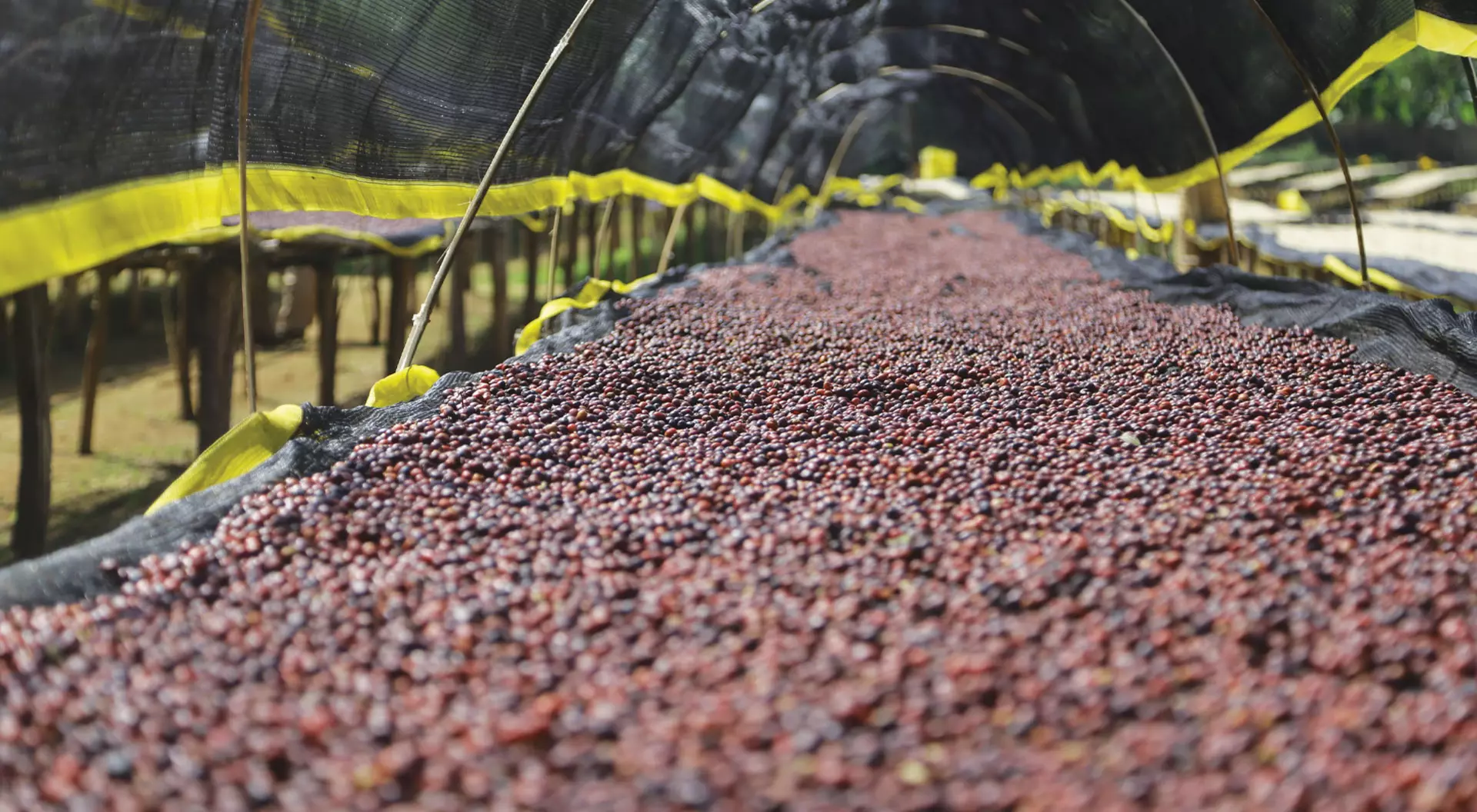

In the small village of Ada'a in central Ethiopia, I learn that some conversations transcend words entirely. Here, a shared meal is an invitation into the sacred connection of a community, the intimacy of a family.
When I arrive in Ada’a, the village matriarch takes my hand and guides me into her modest home. With gentle hands, she pulls a traditional Habesha Kemis over my head, a snow-white chiffon dress adorned with intricate embroidery. She speaks a few words in Amharic and drapes the Netela shawl over my hair and across my shoulders. Despite our language barrier, her intent is clear: I am being welcomed not as an outsider but as a guest worthy of honour.
Outside, the crowd of men, women, and children wait patiently to begin the coffee ceremony, a ritual pregnant with tradition. The Ethiopian coffee ceremony is a cornerstone of village life, a time for community gathering, problem-solving, and relationship building. The process itself— roasting, grinding, brewing, and serving in three distinct rounds—demands patience and presence from all participants. In the country where coffee originates, this ceremony is both a practice steeped in history and social glue.
The matriarch demonstrates each step with patient precision, the rich, intoxicating aroma of roasted coffee beans dancing through the village. She shows me how to grind the beans by hand before guiding me through heating and serving the coffee in small, hand-painted cups. She invites me to perform the ceremony myself, her gentle corrections and encouraging nods reminding me that this is not merely beverage preparation, but meditation, hospitality, and cultural preservation rolled into one deliberate act.
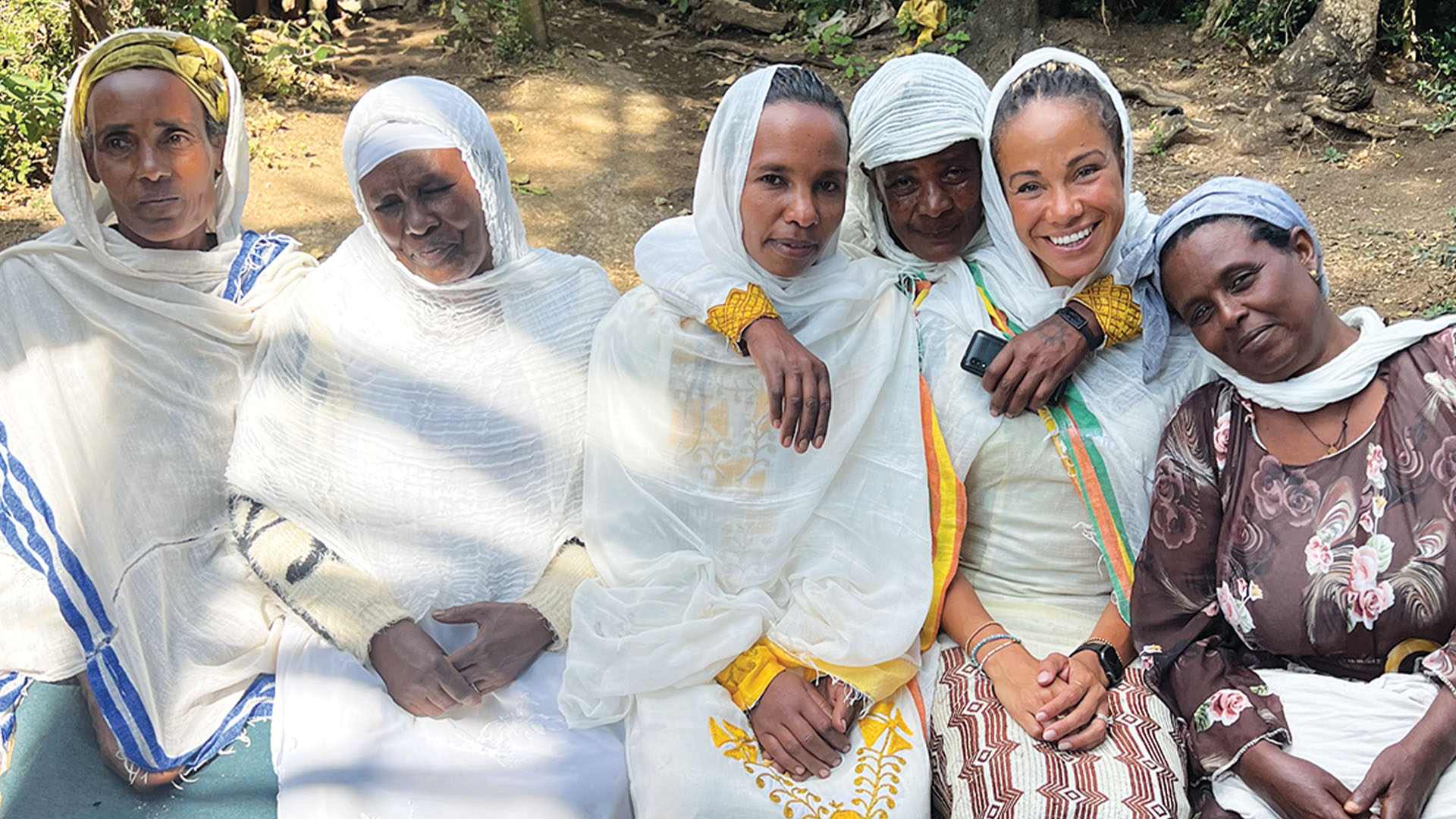
The true revelation comes during the village’s shared meal later that day. The women teach me to make injera, Ethiopia's staple bread that serves as both plate and utensil. This spongy, slightly sour flatbread made from fermented teff flour, requires days of preparation and generations of knowledge to perfect. Watching weathered hands guide mine through the circular motions on the clay griddle, I understand that I am being entrusted with cultural wisdom passed down through countless mothers and daughters.
We all sit together, women and men, around large, communal platters. We eat with our hands, using pieces of injera to scoop up flavourful stews and enchanting curries. There's something deeply vulnerable about eating this way, without individual portions or barriers, just hands reaching toward the same food, sharing the same space.
The village elder moves toward me, I stand, but he gestures for me to sit. Before I know what is happening, he scoops up some curry from our plate and places it directly into my mouth. I sit, wide-eyed and mouth full, as he turns and feeds the matriarch in the same way. She smiles and nods in appreciation, and he continues to feed some of the older crowd members. Although this is entirely new to me, and slightly uncomfortable, I soon realize that being fed by an elder is the ultimate compliment, an acknowledgment that you are valued, welcomed, and worthy of care.
None of this is performed for my benefit; it isn’t a cultural show or tourist attraction. This is authentic community life, where food serves as the primary language of love, respect, and belonging. In a village where resources are scarce and every grain of teff matters, sharing what you do have represents profound generosity and trust.
Sitting in this circle, coffee-stained dress and hands fragrant with berbere spice, I realize that I’ve stumbled on something essential that so many of us in the West have lost. Eating together is a weaving of social fabric that holds communities together. Here in Ethiopia, every shared meal is an act of communion, every coffee ceremony a prayer for connection. Sometimes the most important conversations happen without words, over coffee and communal plates, hand to mouth, heart to heart.
Natalie Preddie is an award-winning Canadian travel journalist, author, and on-air personality with bylines in many international publications. She is the host of the new travel series, GET LOST with Natalie Preddie. Most importantly, she is the mother of three little boys, who share her love of exploring. You can follow her travel adventures on instagram @_nattyp.
Get Inspired
Inspire your wanderlust with our globetrotting tales.
Unlock more by subscribing to our newsletter.
With our newsletter, you’ll get access to regular communications that inspire you and help you explore the world your way.