


Versatile and inspiring, Chile embodies many styles of adventure in one country. Its unique geography spans colourful deserts, romantic lake regions, awesome fjords and glaciers, ideally sheltered vineyards and more. While you might not see it all on one trip, here are four astonishing faces of adventure to shape your next trip to Chile.
Classic Chile: Santiago, Rapa Nui & Atacama
Experience the essence of Chile on this adventure, journeying from Santiago to Rapa Nui and the majestic Atacama Desert, rich in culture and breathtaking landscapes.
Chile’s Sheltered Terroirs: Wine, Glorious Wine!
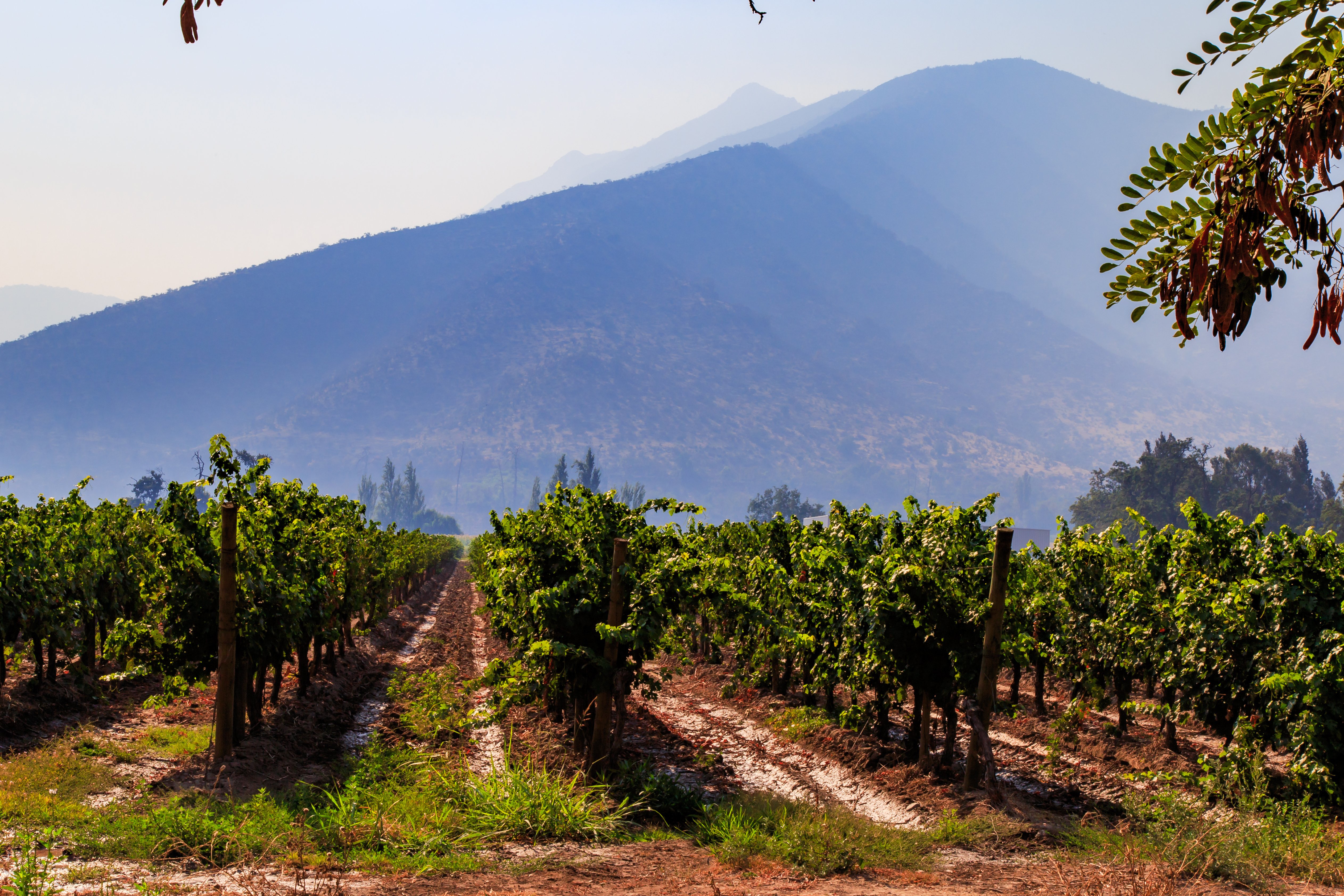
A short drive from Santiago lands you in the Maipo Valley, a major producer of one of Chile’s most beloved exports, its wine. It didn’t take vintners long to realize they’d found ideal grape-growing land in Chile. Shielded from pests by the Pacific to the west, the Atacama Desert to the north, and the mighty Andes to the south and east, central Chile has used its unique position to foster one of the largest organic wine industries on earth.
Despite being the world’s seventh-largest producer of wine, Chile offers one of the highest quality-to-price ratios you’ll find anywhere. Of course, premium Chilean wines can sell for eye-watering prices, but the range of high-quality vintages available to everyday wine-lovers is impressive, particularly when it comes to reds like Cabernet Sauvignon—the star of the Maipo Valley region—Merlot, and Carmenere, a variety thought to be extinct before it found a new place to thrive in Chile’s terroirs.
Wine & Wonder in Chile
Savour the essence of Chile as you traverse Santiago's streets, indulge in exquisite wines, and uncover the serene mysteries of Rapa Nui’s moai.
Chile’s diverse geography also supports a wide variety of wines suited to different climates. Central Chile may, deservedly, steal the show, but don’t be afraid to try warm-weather varieties that thrive in the Coquimbo region at the southern end of Atacama, or the rustic reds and sweet whites grown between the city of Concepcion and the Los Lagos region.
Atacama: Another Planet’s Landscape on Earth
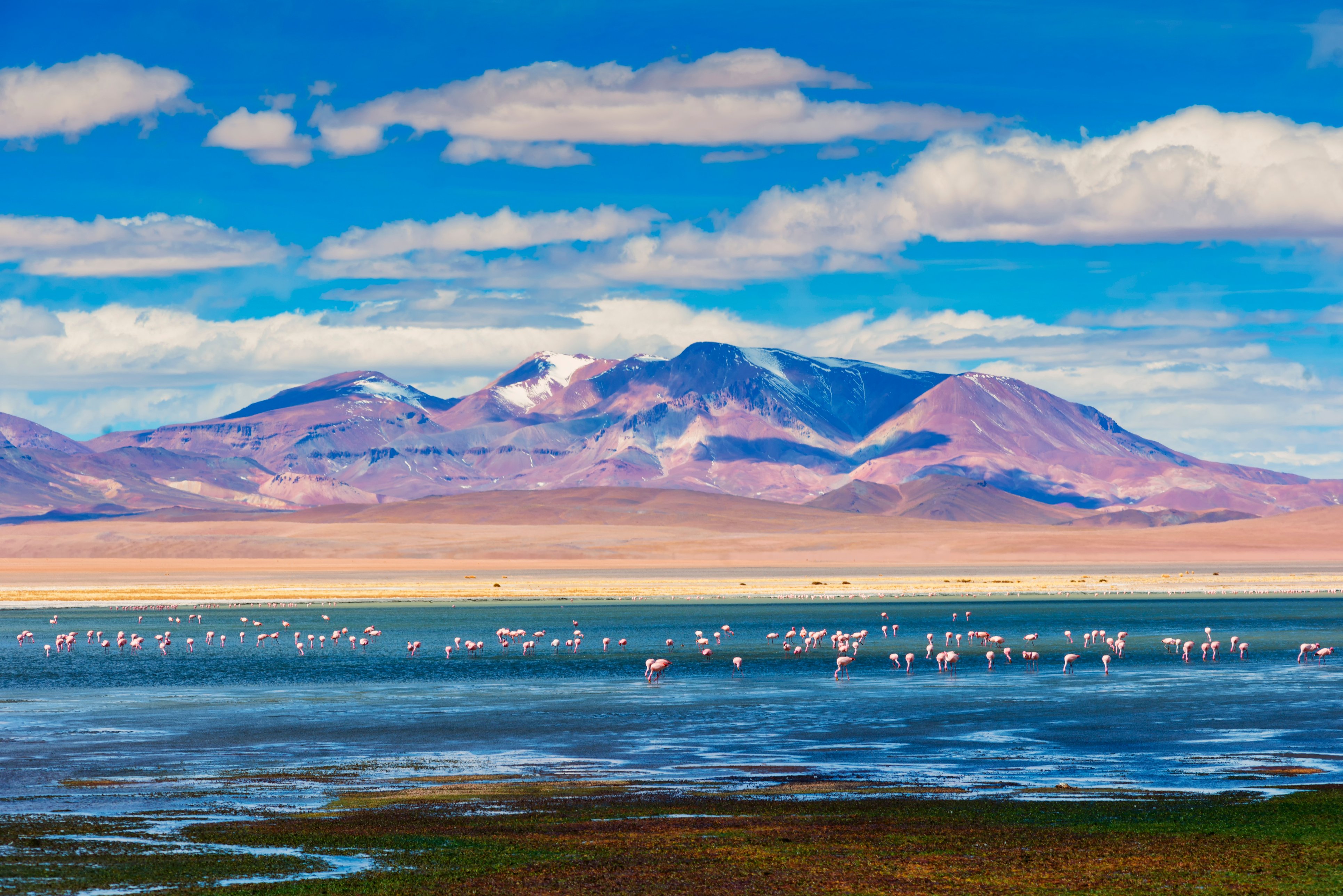
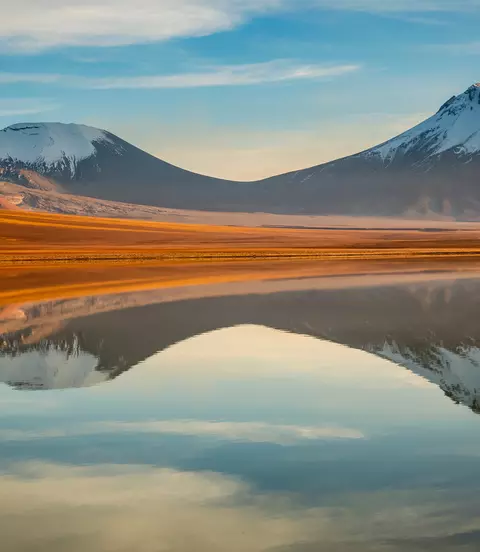
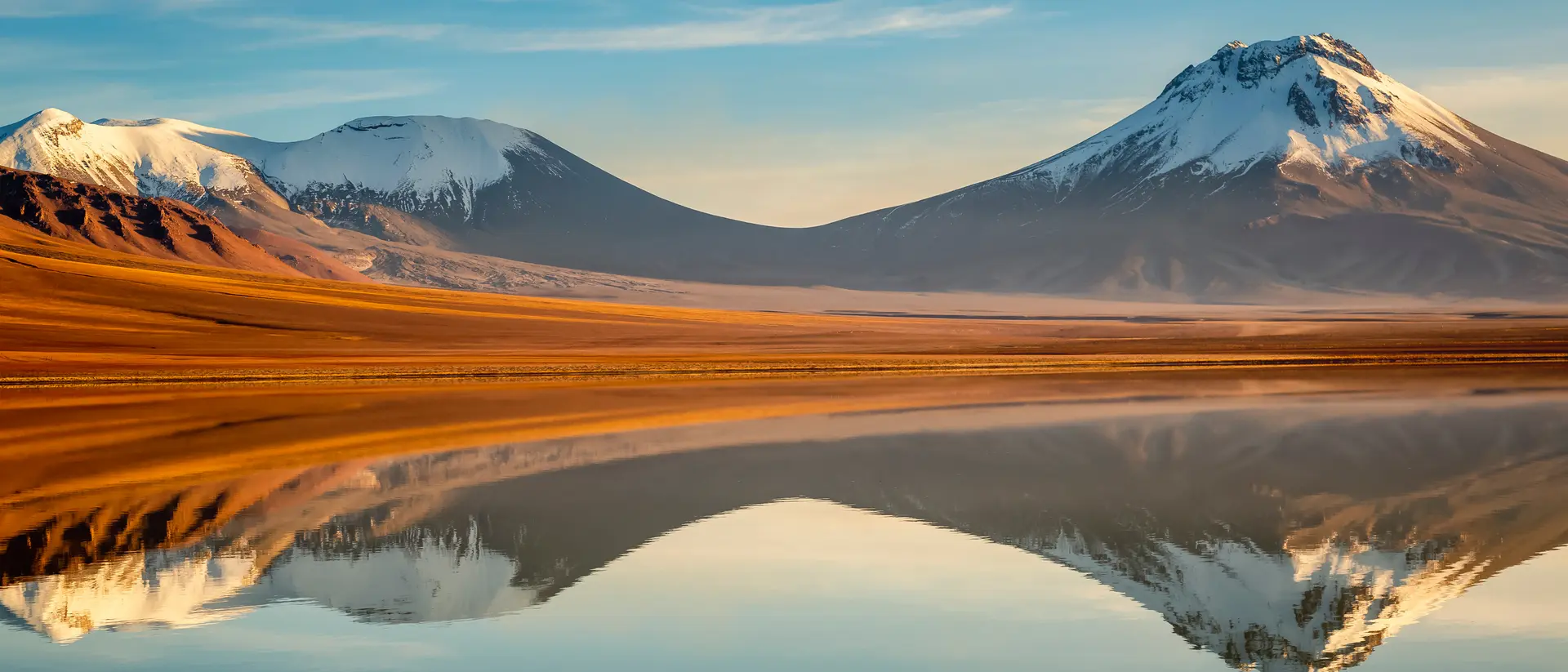
If clear skies filled with stars, and surreal deserts that seem to change colour each hour with the sun sound like your ideal holiday, you’ll want to move Chile’s Atacama Desert to the top of your bucket list. The driest non-polar desert in the world, Atacama preserves vast salt flats, awesome multi-coloured slopes that tease the majestic Andes beyond, and resilient animal species and wildflowers perfectly adapted to this environment, including the flamingos that inhabit the lagoons of Salar de Atacama, Chile’s largest salt flat.
The Valley de la Luna (Valley of the Moon) earns its name with jagged pinnacles jutting from its walls. What really stands out about Atacama however is its sharply contrasted colours. Ghostly salt formations surround perfect turquoise lakes. Orange slopes turn into steely grey peaks at higher altitudes, while red cliffs rise from fields of white flecks that dust the landscape like powdered sugar. Whether you’re exploring with your guide or testing your camera’s full range of settings to get those ‘impossible’ shots, Atacama never stops mesmerizing.
Chilean Contrasts: Atacama Desert & Patagonia
Experience the wonders of Chile, from the breathtaking Atacama Desert to the majestic peaks of Patagonia. Enjoy a captivating mix of culture and nature on this trip.
Yet, pause long enough to look up from its terrestrial wonders—at least at night—and you’ll be rewarded with perhaps the grandest blanket of stars visible from Earth. Astronomers from around the world flock to observatories in Atacama for good reason, and visitors to the region need only look up to discover what it means to have the world’s clearest view of the stars.
Patagonia: Ever Changing, Always Awesome
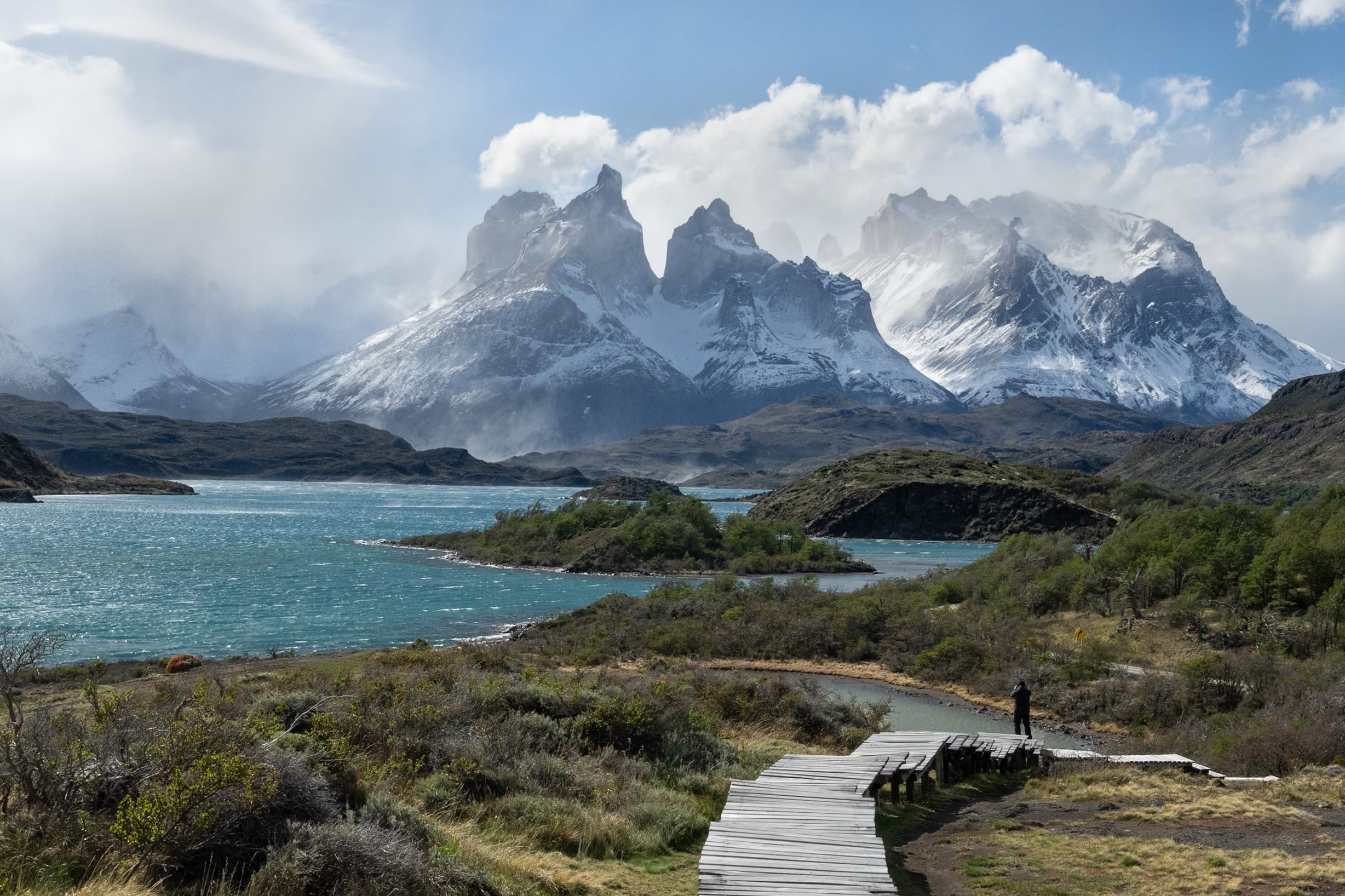
There’s untouched wilderness, and then there’s Patagonia, any visit to which will alter your understanding of the term. Almost no experience in Latin America brings chills like watching a chunk of ice calve off San Rafael Glacier. Even on a still day, listening to this immense river of ice crack and squeeze its way between the mountains will have you wondering how Chile can be real.
Torres del Paine National Park is one of Patagonia’s best-known regions. Active globetrotters flock here to take the 4 to 5-day W-trek, which takes in the most famous view of its namesake monolith trio. You can also take the iconic Base Las Torres Hike which takes about 12 hours in total. It’s tough going in parts, but the reward is a sight that no photo truly does justice. Weather on any trek here can be unpredictable though, so pack layers and suitable waterproof gear to ensure a safe and comfortable adventure.
You’d expect a region that inspired the name of a clothing brand to be somewhat popular, but avoiding ‘crowds’ (a relative term) in Patagonia can sometimes as simple as going a little further up the trail or finding an alternative viewpoint. If you want really feel the wilderness, visit in October or November. It’s worth braving the slightly chillier winds to close your eyes and listen to the sounds of nature—or their eerie absence—before setting out again to the next incredible view as fresh, icy breezes ruffle your hair and you glimpse another of Chile’s unique animal species, perfectly adapted to life in this seemingly impossible world. Big cat lovers take note! Patagonia is one of the world’s premier destinations for sighting pumas in their natural habitat.
Rapa Nui: More Than a Mystery to Explore
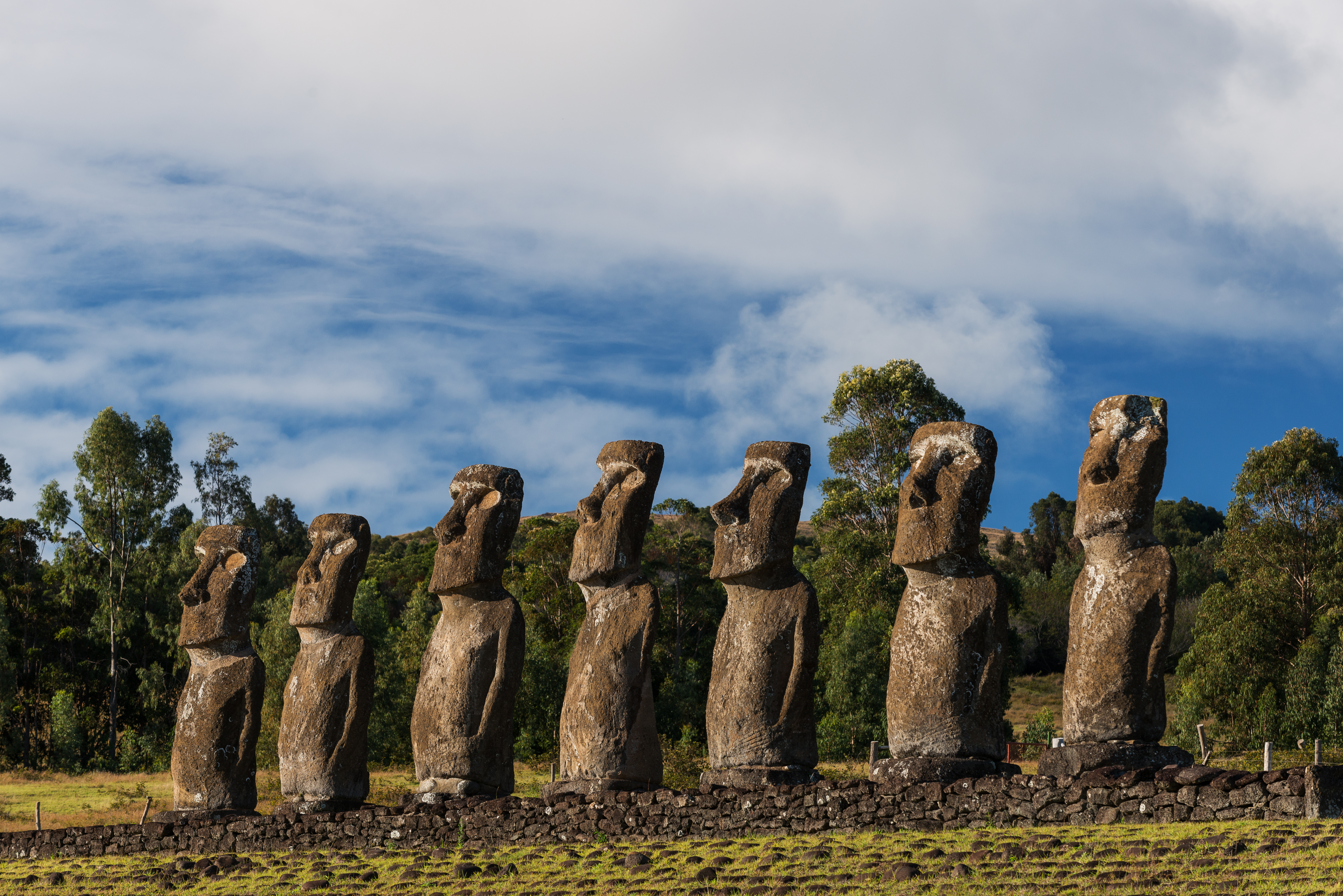
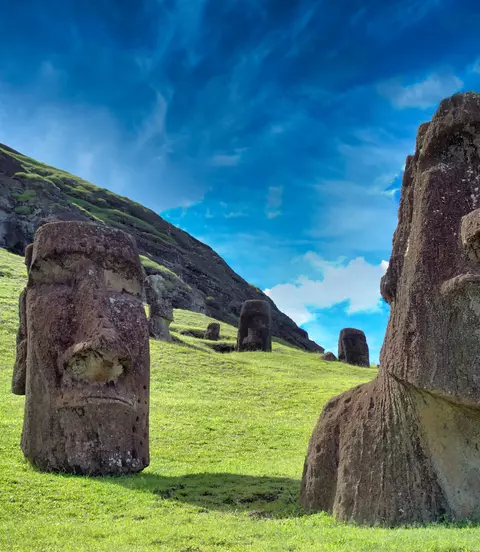
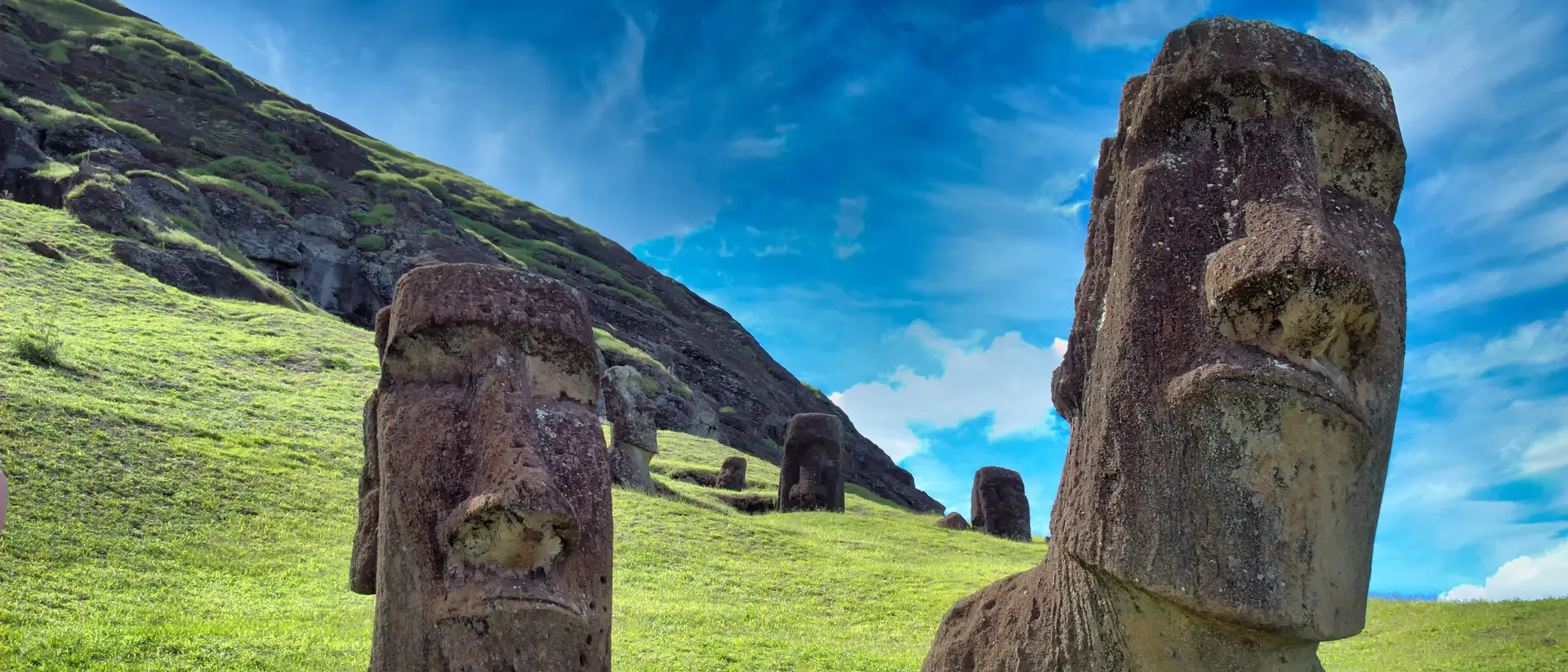
It’s easy—and reductive—to talk about the culture of Rapa Nui, often called Easter Island, in terms of its iconic moai. These incredible stone figures have nourished one of the world’s most compelling archeological mysteries since early navigators first made reports of the island in the early 1700s. The years following brought disease, exploitation and slave raids to Rapa Nui, forcefully removing a third of its population and robbing its inhabitants of significant pieces of their history and culture, including the rongorongo writing system, and the engineering techniques required to construct and position the enormous moai.
Yet, Rapa Nui has survived. Its story is one of resilience and continuing vitality. The islands language, genealogies, many ancient traditions and oral history are carried on today, offering much to learn.
While they’re only a taster of Rapa Nui culture, the moai remain its defining image. What purpose did these mighty stone carvings serve, and why are most, though not all, facing inward? The most credible explanation—according to Rapa Nui worldview—is that they represent ancestors, keeping watch over villages and communities, offering protection and prosperity through a concept called mana. Think of them less as a mystery and more as an enduring link to the past, Rapa Nui becomes a far more rewarding destination.
Rapa Nui’s cultural identity even played a key role in the island’s handling of the COVID-19 pandemic. As tourism went on pause, Rapa Nui’s community drew on ancestral traditions of community and self-regulation to not just respond to the crisis, but to forge plans for a sustainable future, both in tourism and beyond. With government protections in place such as a law preventing non-natives from purchasing land on Rapa Nui, the story continues it centuries-long evolution, embracing each new chapter as only this intriguing island and irrepressible culture can.

Christian’s first globetrotting adventure saw him get lost exploring the streets of Saigon. Following his nose to Asia’s best coffee, two lifelong addictions were born. A freelance writer and novelist, Christian’s travels have since taken him around his native Australia, Asia, Europe, and much of North America. His favourite trips have been through Japan, Spain, and Brazil, though with a love of off-beat, artsy cities, he’ll seize any opportunity to return to Paris, New York, or Berlin.