
Overview
Why the Antarctic Peninsula is (probably) the highlight of your Antarctica tour.
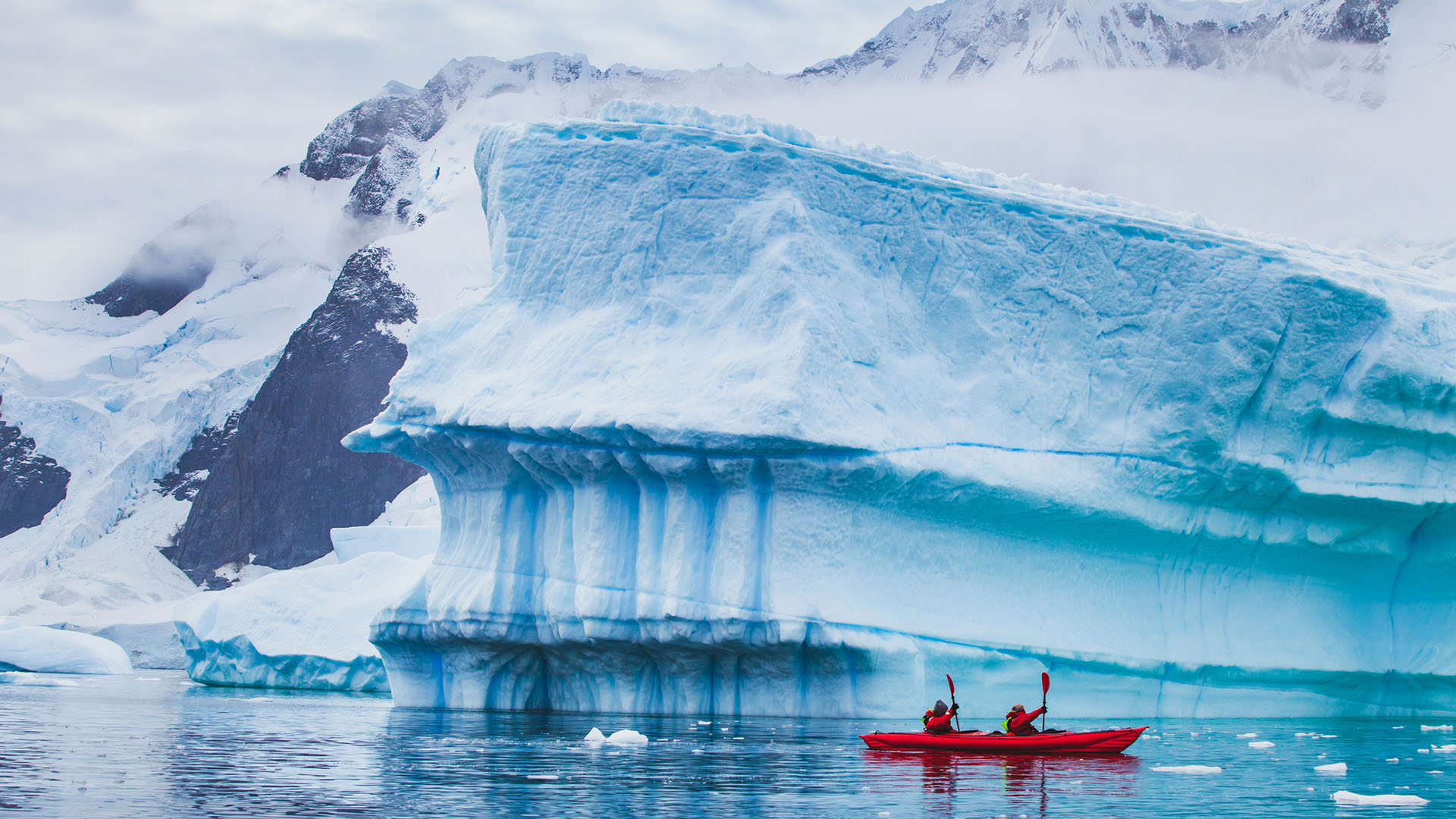
The most accessible parts of the Antarctic mainland, the many bays, channels, and cliffsides of the Antarctic Peninsula are a natural frozen playground for penguin and seal species. They showcase the natural beaty of this icy continent while preserving the remnants of early human exploration in the region.
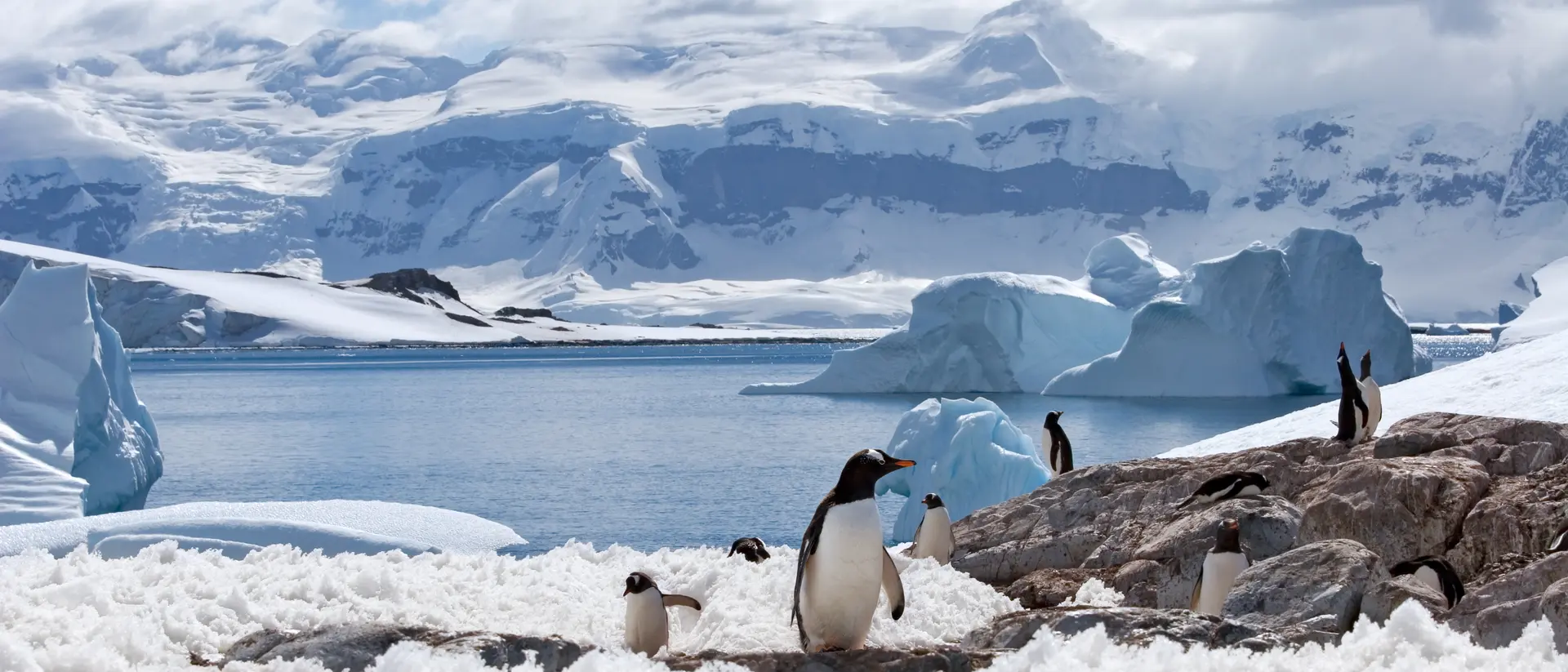
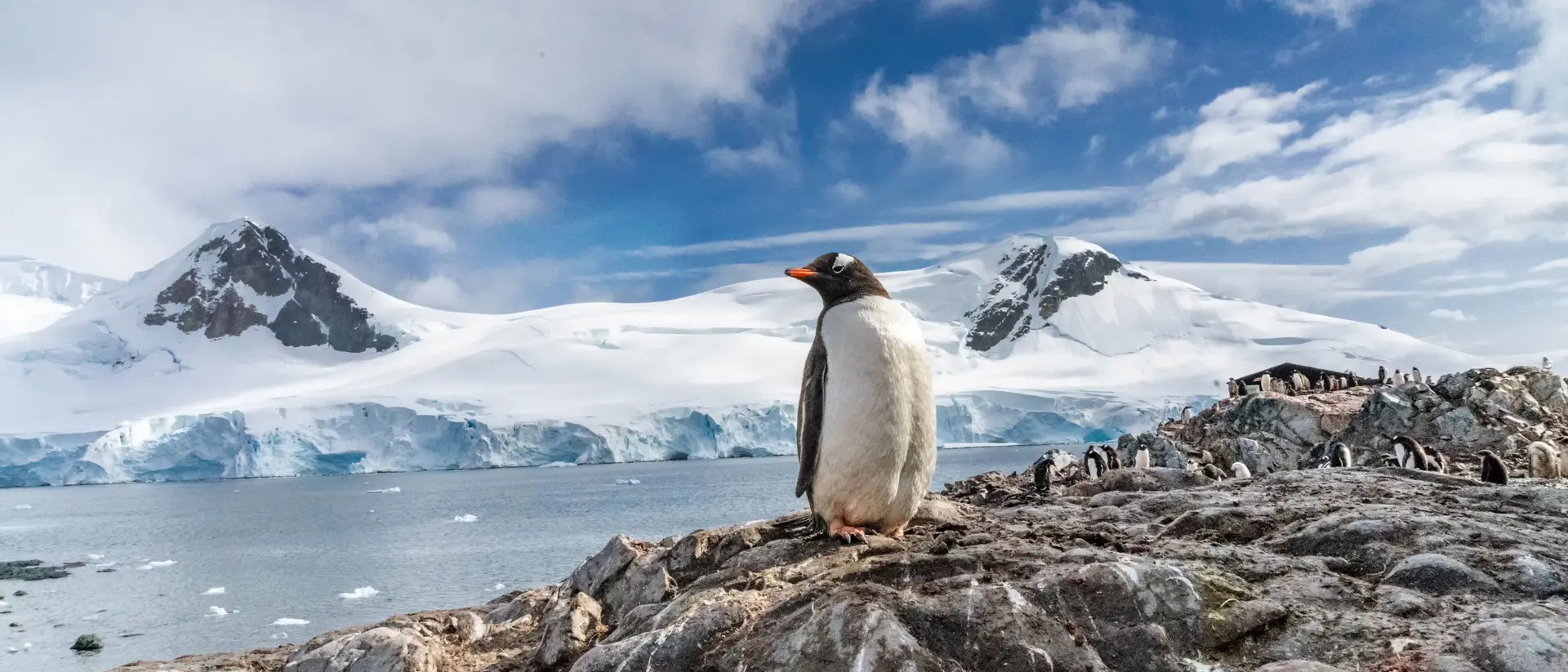
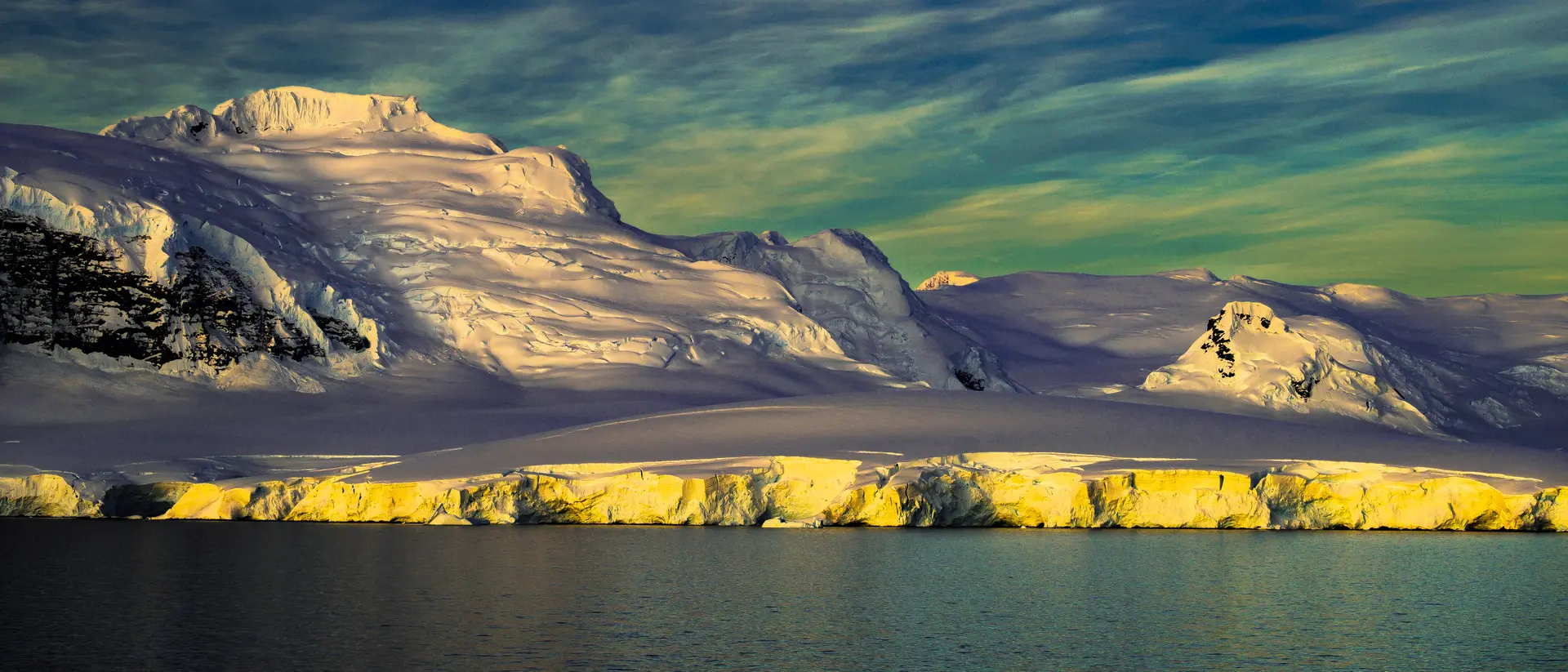
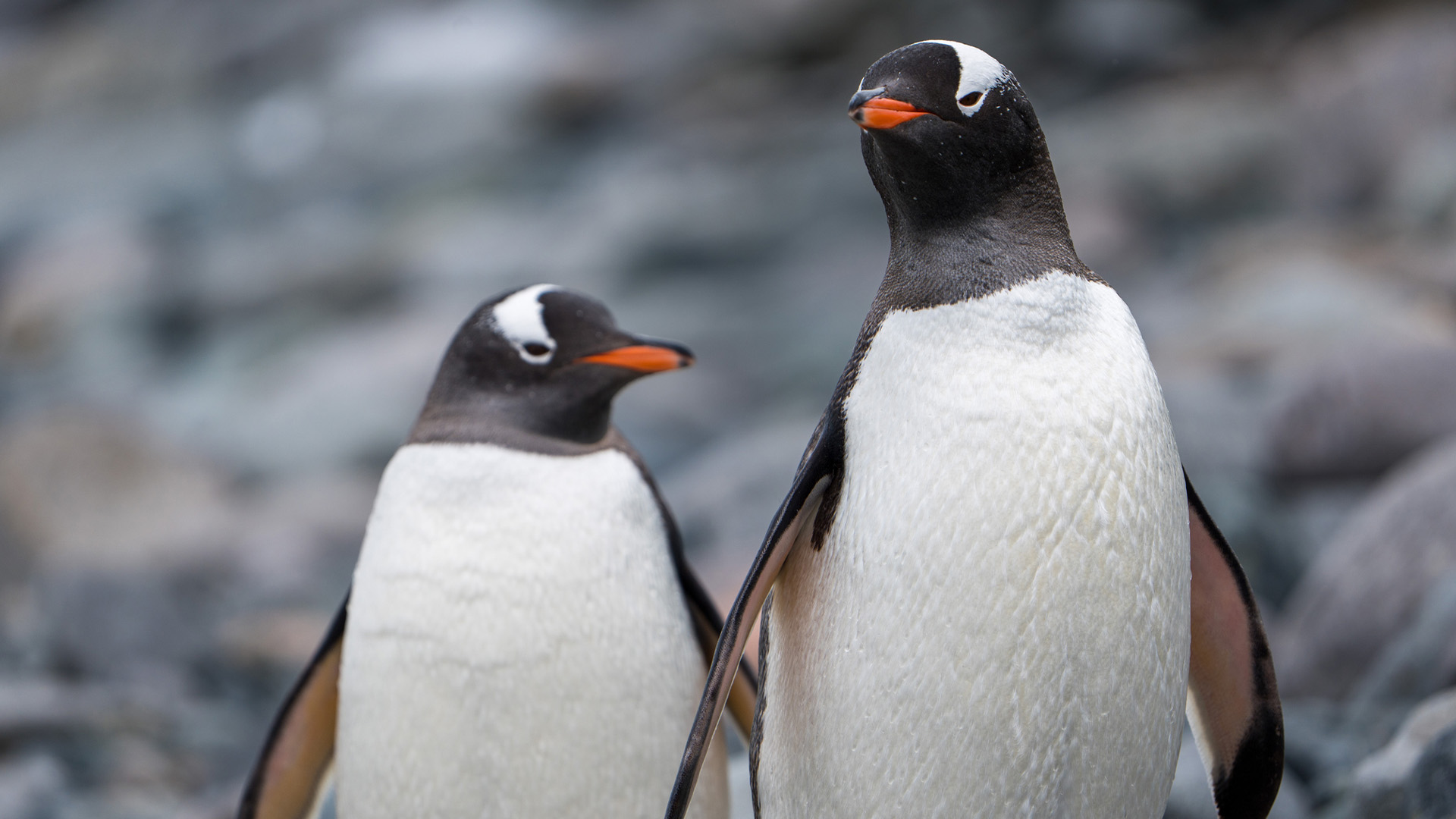
Most of the Antarctic Peninsula’s highlights dot its western coast, facing the Southern Ocean. The serene Lemaire Channel isn’t called the Kodak Gap for nothing, while nearby Port Lockroy invites you to send a postcard from its research station turned museum and post office. The icy cliffs of Paradise Bay welcome colonies of seals, whales, and albatrosses for some of the best wildlife viewing on the peninsula. You might glimpse the haunting volcanic caldera of Deception Island on the southern edge of the South Shetlands, a fabulous hiking spot if your itinerary stops by. Meanwhile, on Cuverville Island and you’ll see a massive colony of Gentoo penguins, easily spotted by the white patches on their heads.
Frozen waters restrict the number of Weddell Sea cruises each year. These also tend to be longer itineraries, but those that do make the journey might glimpse the enormous emperor penguin colony of Snow Hill Island, alongside its range of other wildlife. Keep in mind, Antarctica itineraries often make changes to adapt to weather conditions, so keep expectations flexible when it comes to checking off highlights you want to see. Your expedition crew knows how to get the best sightings while keeping safety (both yours and the environment’s) top of mind.
Expedition cruises to the Antarctic Peninsula operate during the southern summer from November to March. Expect at least 18 hours of daylight and temperatures between -6°C (21°F) and 0°C (32°F). December brings the longest days and warmest temperatures, along with the highest prices, particularly around the holidays. Fluffy, freshly hatched penguin chicks arrive in January, while February and March bring the best whale watching. But good wildlife viewing is more or less assured during any of the sunnier months. Weather conditions can vary, so pack a waterproof jacket and pants, sturdy boots, and warm, light base and middle layers.
Trending Trips
Unforgettable Journeys.5 Trips Found
Showper page
9
5 Trips Found
Discover Antarctica: Drake, Shetlands & Peninsula
Antarctica, Drake Passage, Antarctic Peninsula, South Shetland Islands, Patagonia, and UshuaiaVenture into the icy embrace of Antarctica, where colossal icebergs and curious wildlife await. As you glide through pristine waters, encounters with penguins and seals await you.
11 days
From US$12,470/p.p.
Request a Quote
Air, Land & Sea to Antarctica
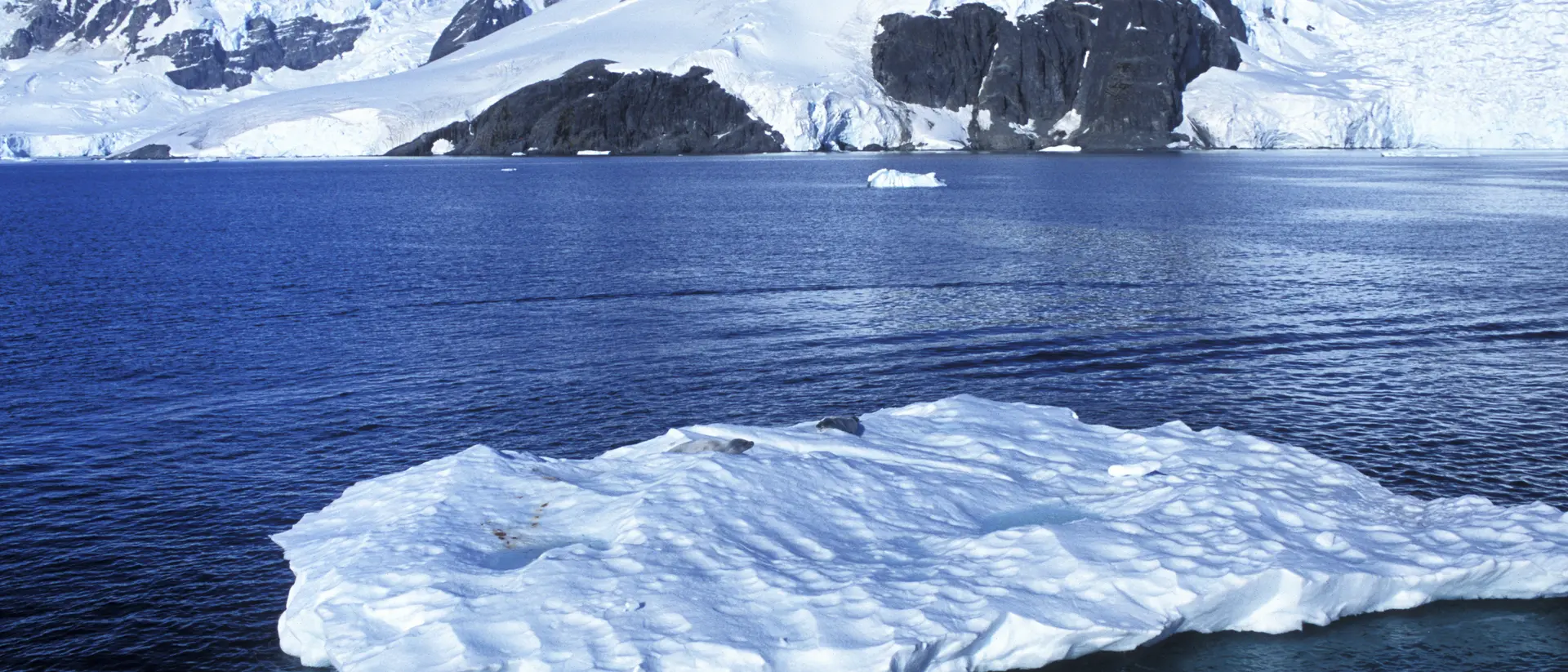
Punta Arenas, Antarctica, Drake Passage, Antarctic Peninsula, and South Shetland IslandsFly from Chile to Antarctica on this small group adventure, cruising past icebergs and penguins while exploring the remote beauty of the White Continent by zodiac.
8 days
From US$19,271/p.p.
Request a Quote
Antarctica Express Cruise: Fly the Drake
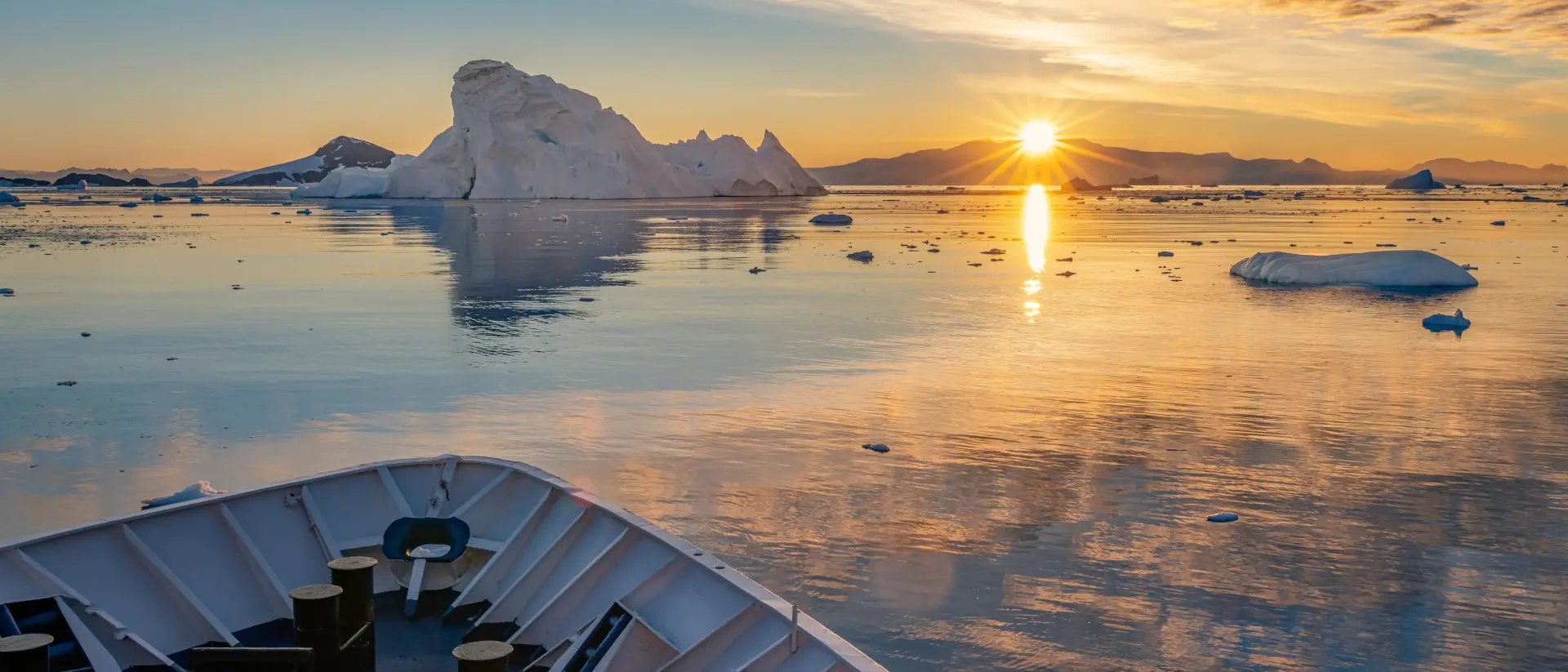
Punta Arenas, Antarctica, Drake Passage, Antarctic Peninsula, and South Shetland IslandsSmall group Argentina and Antarctica air-cruise, sailing from Tierra del Fuego across the Drake to wild Antarctic shores and penguin colonies.
6 days
From US$8,334/p.p.
Request a Quote
Classic Antarctica: Journey to the Circle
Antarctica, Drake Passage, Antarctic Peninsula, and South Shetland IslandsDare to sail the icy waters to Antarctica's Circle? Witness breathtaking landscapes and incredible wildlife while forging unforgettable connections with fellow adventurers.
14 days
From US$16,212/p.p.
Request a Quote
Antarctic Explorer: The 7th Continent Cruise
Antarctica, Drake Passage, Antarctic Peninsula, South Shetland Islands, Patagonia, and UshuaiaEmbark on an unforgettable expedition through Earth’s last great wilderness. Sail from Ushuaia to Antarctica to explore icy channels and penguin rookeries.
11 days
From US$21,060/p.p.
Request a Quote

Don't see the
perfect trip idea?
Request a custom quote.
Turn your travel dreams into reality with Goway. Our customized vacations take travellers to all corners of the world.
Discover Antarctica: Drake, Shetlands & Peninsula
Antarctica, Drake Passage, Antarctic Peninsula, South Shetland Islands, Patagonia, and UshuaiaVenture into the icy embrace of Antarctica, where colossal icebergs and curious wildlife await. As you glide through pristine waters, encounters with penguins and seals await you.
11 days
From US$12,470/p.p.
Request a Quote
Air, Land & Sea to Antarctica
Punta Arenas, Antarctica, Drake Passage, Antarctic Peninsula, and South Shetland IslandsFly from Chile to Antarctica on this small group adventure, cruising past icebergs and penguins while exploring the remote beauty of the White Continent by zodiac.
8 days
From US$19,271/p.p.
Request a Quote
Antarctica Express Cruise: Fly the Drake
Punta Arenas, Antarctica, Drake Passage, Antarctic Peninsula, and South Shetland IslandsSmall group Argentina and Antarctica air-cruise, sailing from Tierra del Fuego across the Drake to wild Antarctic shores and penguin colonies.
6 days
From US$8,334/p.p.
Request a Quote
Classic Antarctica: Journey to the Circle
Antarctica, Drake Passage, Antarctic Peninsula, and South Shetland IslandsDare to sail the icy waters to Antarctica's Circle? Witness breathtaking landscapes and incredible wildlife while forging unforgettable connections with fellow adventurers.
14 days
From US$16,212/p.p.
Request a Quote
Antarctic Explorer: The 7th Continent Cruise
Antarctica, Drake Passage, Antarctic Peninsula, South Shetland Islands, Patagonia, and UshuaiaEmbark on an unforgettable expedition through Earth’s last great wilderness. Sail from Ushuaia to Antarctica to explore icy channels and penguin rookeries.
11 days
From US$21,060/p.p.
Request a Quote
Don't see the
perfect trip idea?
Request a custom quote.
Turn your travel dreams into reality with Goway. Our customized vacations take travellers to all corners of the world.
What do the experts say?
Antarctica feels like visiting another planet; endless white landscapes, towering icebergs, and wildlife thriving in one of Earth’s harshest environments. It’s pure, untouched beauty that humbles you.
While there are no cultural festivals, witnessing the penguin chick hatching season (December–January) is a natural spectacle that feels like a celebration of life.
What I loved most about visiting Antarctica is how pristine and untouched it still is. The landscape's calm and peacefulness are truly unlike anywhere else, and being surrounded by unspoiled wildlife made the experience unforgettable.
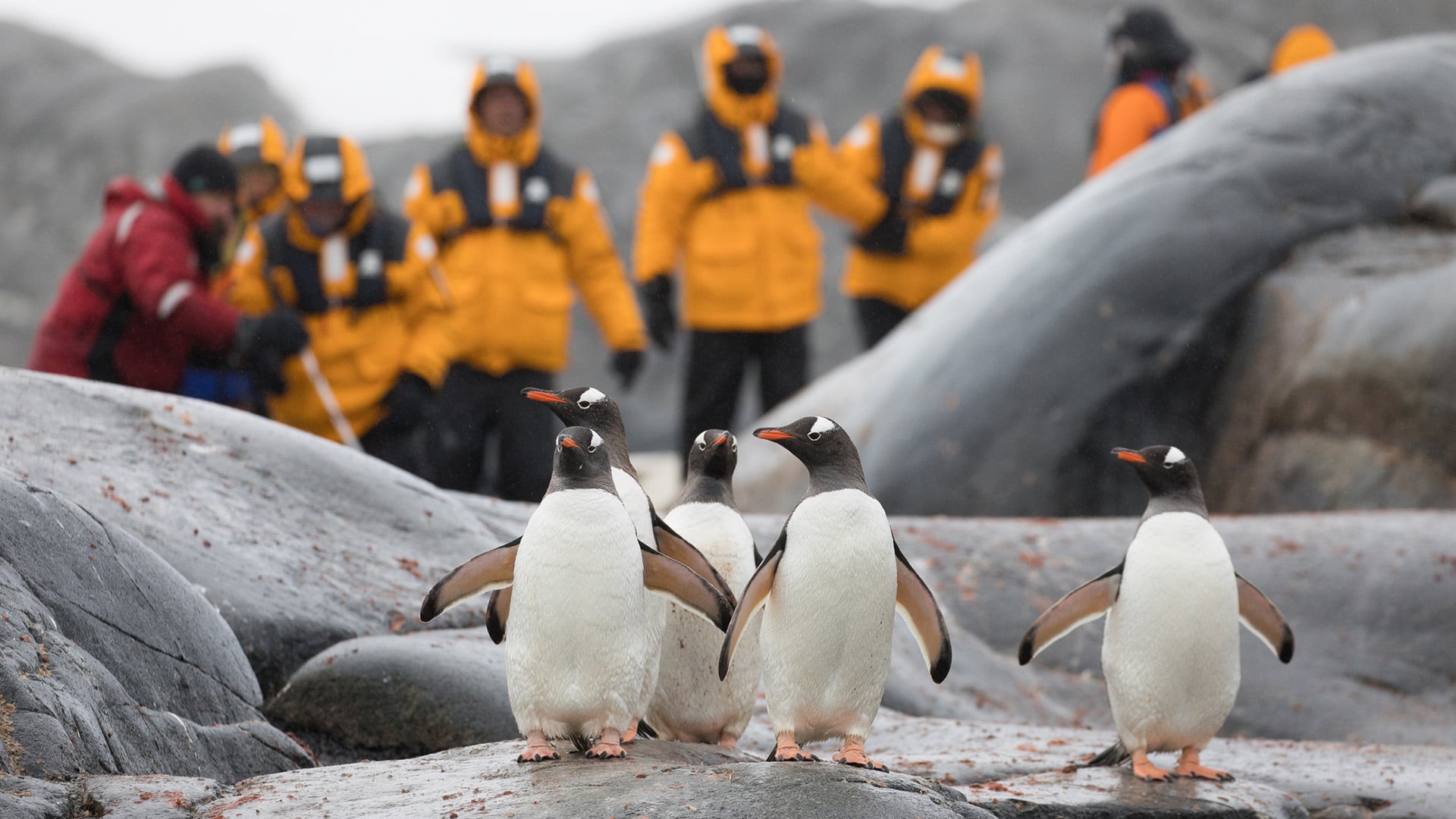
Gentoo Penguins
Antarctica
Gentoo penguins
Get Inspired
Antarctic Peninsula Travel Stories to Inspire You.
Unlock more by subscribing to our newsletter.
With our newsletter, you’ll get access to regular communications that inspire you and help you explore the world your way.Exclusive Savings
Insider Benefits
Trending Stories

ExcellentBased on 5,291 ReviewsMy husband and I booked a tour to Portugal using Goway travel. Working with Phoebe was a pleasure. She responded promptly and professionally to all of my requests, concerns and queries. Our trip was filled with lovely details and unexpected treasures.Kristen RemsenMy trip to China was a wonderful experience, and everything was planned very well. The itinerary was well organized by Ms. Harpreet Litt. The arrangements were smooth, and the overall trip was enjoyable.
I appreciated the attention to detail and the excellent coordination throughout the journey. It was a memorable experience, and I would highly recommend this trip to anyone planning to visit China!edytaHarpreet Litt provided us with a rich experience for our week. She offered good choices for local tour companies. We had a very good guide in Osaka. She is an Osaka resident with good English skills. She took extra pains to include opportunities we requested Osaka was a beautiful city at night. My photos of restaurants and street food were colorful and fun. Food was good too.Noel ChrismanI had a fantastic experience working with Lisa D. on the Goway team. She was helpful, attentive and made sure we were comfortable with our bookings and itinerary before departure, and also checked in with us following our trip. Would definitely book with Goway again!Mandi S.1186952 trip reference - Croatia and Montenegro.
Dear Goway Travel Team!
I wanted to reach out and share some well-deserved praise for Jacqueline, who has assisted me closely with several of my travels. She recently curated a trip for me to Croatia, the beautiful islands, and Montenegro, and it was an absolute home run.
Jacqueline has an incredible ability to listen to her clients' needs and translate them perfectly into a flawless itinerary. Her articulation, guideline execution, and professionalism are unmatched. What sets her apart is her forward-thinking approach—she always knows the exact hotspots and trends, ensuring the pace of the trip matches my speed perfectly.
Everything transitioned seamlessly thanks to her attention to detail and care. She is a massive asset to your organization, and her consideration makes every vacation stress-free. I will absolutely continue to use her for all my future travels.
Kindest regards,
Vince Sacco Vince SaccoAbsolutely incredible trip! From beginning to end! All accommodations were excellent. If you want to experience Safaris this trip will fulfill all your expectations! A special thanks to our driver we had for our entire trip Evans! He made our trip over the top! The Hot air balloon ride in the Masai Mara is a must…it’s breathtaking!Pam SeitzI have worked with Goway several times in the past two years and every single trip has been unforgettable. Specifically, our travel advisor, Maria, has helped us book phenomenal trips to Thailand, Spain, Portugal, Italy, Ireland, and most recently, Iceland. Maria is so wonderful and easy to talk to, but what really stands out is her ability to get to know her clients so she can plan trips that perfectly align with our interests and desires. I cannot recommend her strongly enough! Her expertise, hard-work, and dedication towards each trip has given myself, my family, and friends memories to last a lifetime! Kayla CovelloJamil made our 40th birthday trip to Portugal so so very amazing and special! Great service, fabulous hotels, and wonderful day trips! Lane StricklandKatie was great, planned everything we needed, was great with changes and trip schedule conflicts. Fantastic working with her.CTI have been booking with GoWay for more than 2 years and feel so fortunate to have the best Travel Advisor, Maria Spitman, making our vacations unforgettable. I can’t say enough about Maria… she is personable, efficient, detail-oriented, and extremely knowledgeable about her specialty destinations. We have booked many trips with her, including Thailand, Spain, Portugal, Sicily, Iceland, and our most recent trip in Greece. Maria has not only curated nuanced itineraries, but has done so combining her vast knowledge of each region with our interests and needs being met perfectly. With that, it is evident that Maria learns about her clients to create vacation packages that far exceed expectations. I won’t book with anyone else! GoWay has a gem that is irreplaceable! I highly recommend seeking Maria out for all your destination needs. Darleen
Verified
Verified
Verified
Verified
Verified
Verified
Verified
Verified
Verified
Verified